FinTech is arguably the hardest category to shoot tutorial-style UGC for, not because the products are complicated, but because a single misleading frame can put a brand in front of SEBI or ASCI. We figured this out the hard way on a mutual-fund discovery app brief last year, when a creator's ad-lib line about "guaranteed returns" nearly killed the campaign before it went live. That incident shaped how we now approach every FinTech tutorial shoot from brief to final delivery.
Tutorial UGC for FinTech is booming because the category has an adoption problem, not an awareness problem. Most Indian users have heard of apps like Zerodha, Groww, Jupiter, Fi Money, or Slice, they just don't know how to use the core feature. A 45-second creator walkthrough showing a real phone screen converts far better than a polished brand explainer, because it answers the actual question: "Can someone like me actually do this?" Here is exactly how we produce this format at scale.
Start with a Compliance-First Brief
Before any creator picks up a phone, we send what we call a "guardrail doc", a one-page brief that sits alongside the creative brief. For FinTech, this doc covers three things:
- ASCI guidelines for financial advertising: ASCI's 2022 updated guidelines require that any performance claim, returns, interest rates, cashback percentages, must reflect the current documented rate, not a best-case scenario. Creators must not say "earn up to 8%" unless that rate is live and backed by the brand's own data. We instruct creators to stick to process claims ("it took me 3 minutes to open my account") rather than outcome claims ("I made Rs.12,000 in a month").
- RBI and SEBI overlap zones: If the product touches lending (BNPL, personal credit), creators cannot imply unconditional approval. If it touches investment, phrases like "zero risk" or "guaranteed" are off-limits entirely. We insert a literal list of banned phrases into the brief.
- Disclosure language: Any paid partnership must carry "#Ad" or "#Sponsored" in the first three lines of the caption on Instagram Reels or YouTube Shorts, ASCI's influencer disclosure guidelines apply here. On-screen text disclosures are optional but strongly recommended for investment-adjacent content.
Skipping this step costs far more time than it saves. A retake because a creator improvised a returns claim is a half-day lost.
Choosing the Right Creator Profile for FinTech Tutorials
Not every creator who performs well for fashion or F&B will land well in this category. For tutorial UGC specifically, we look for three things that override follower count entirely:
- Comfort with screen recording narration: Tutorial FinTech content lives or dies on how naturally a creator talks while navigating a live app. We test this in casting by asking shortlisted creators to record a 30-second walkthrough of any app they use daily, the quality of that impromptu narration tells us everything.
- Credibility signals in the creator's existing content: A Mumbai-based chartered accountant with 18,000 followers on Instagram will outperform a lifestyle creator with 200,000 on a SIP calculator tutorial. The audience trusts the context. We actively source from micro-creators in Bengaluru, Hyderabad, and Pune who already discuss personal finance even casually.
- Hindi-English code-switching ability: The majority of FinTech tutorial UGC we produce for apps targeting Tier 1 and Tier cities across India runs in Hinglish. Creators who can fluidly say "yaar, iska KYC process sirf 3 minutes mein hota hai, dekho" while narrating a screen perform significantly better in watch-time metrics than those who script formally in either pure Hindi or pure English.
The Four-Layer Screen Capture Setup
The actual production setup for tutorial FinTech UGC is more structured than most clients expect when they imagine "authentic" content. Here is what a typical shoot looks like:
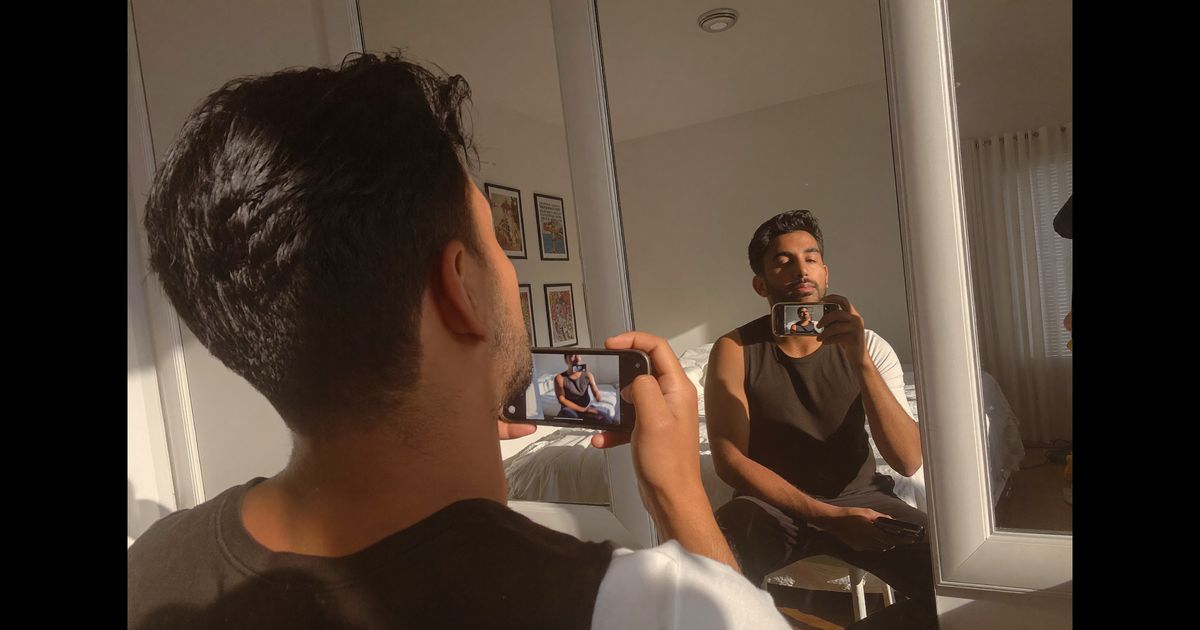
- Layer 1, Creator face-cam: Shot on a smartphone (we use iPhone 14 or Pixel 7 on most jobs) in a well-lit home or co-working space. Kolkata shoots usually use window-lit home setups; Bengaluru shoots lean toward co-working aesthetic. The face-cam occupies roughly a quarter of the final frame in a PiP (picture-in-picture) composition.
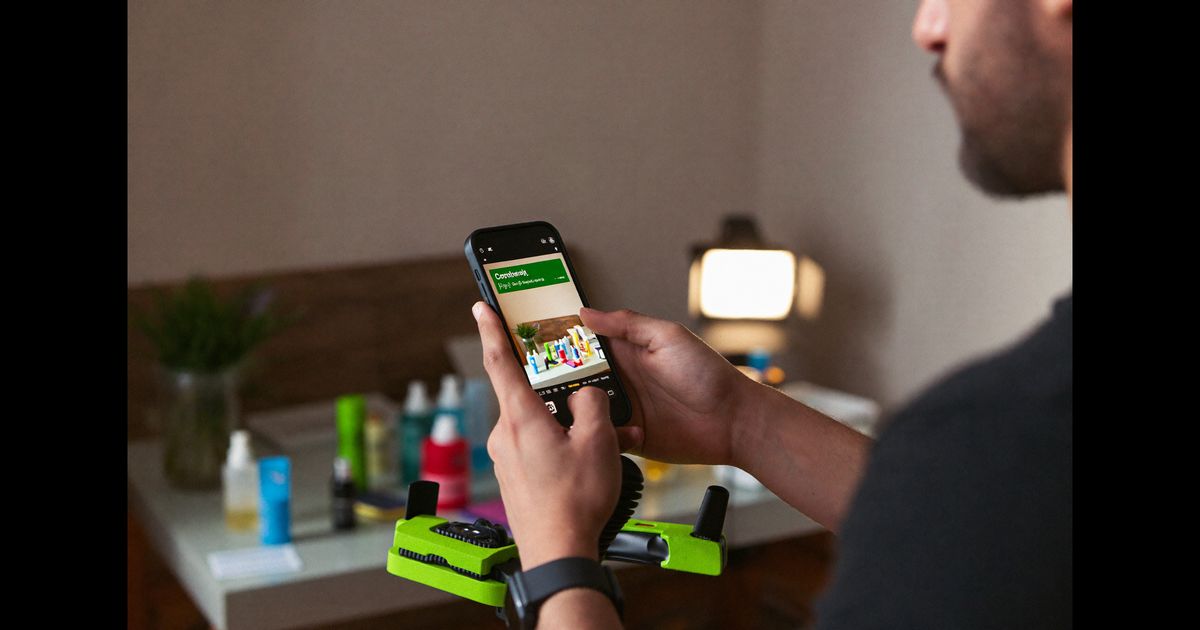
- Layer 2, Phone screen capture: We use a second device physically held in front of the camera, not screen-mirroring via software. This is intentional, real finger taps, real loading animations, real moments of slight hesitation. Software mirrors often look too smooth and trigger "this is staged" instinct in viewers.
- Layer 3, Captions: Auto-generated but reviewed and corrected. FinTech terminology, SIP, CAGR, UPI, NACH, gets mis-captioned constantly. We correct these before delivery. Captions are non-negotiable for Reels and Shorts; a significant share of FinTech audiences watch on mute during commutes on the Delhi Metro or in office lobbies.
- Layer 4, Sound design: Subtle UI sounds synced to taps add a surprising amount of perceived authenticity. We use royalty-free UI sound packs and add them in post. It sounds minor but makes the tutorial feel genuinely interactive.
Scripting the Tutorial Flow: The Three-Beat Structure
Every tutorial script we write for FinTech follows the same internal structure, regardless of the specific feature being shown:
Beat 1 (0–5 sec): Name the problem, not the product. "Mujhe pata hi nahi tha ke mere savings account pe kitna return mil sakta hai.", Beat 2 (5–35 sec): Live walkthrough of the exact steps. No skips, no jump cuts mid-flow. Beat 3 (35–45 sec): Outcome + soft CTA. "Yeh lo, 3 minutes mein ho gaya. Link bio mein hai."
The critical discipline is Beat 2. Brands often want to show every feature. We push back hard and limit each tutorial to a single user journey, opening an account, setting up a SIP, splitting a bill on a UPI app. One journey per video. If a client needs three features covered, they get three videos, not one crowded 90-second ad.
We also brief creators explicitly: do not rush through the loading screen. A three-second load is fine to leave in. It signals real usage. Cutting it out looks like the brand is hiding lag.
Platform Considerations: Where FinTech Tutorial UGC Actually Runs
The three primary placements we produce for are Instagram Reels (9:16, up to 60 seconds), YouTube Shorts (9:16, 15–60 seconds), and Meta in-feed ads (often repurposed from Reels). A few platform-specific notes from our production work:
- Instagram Reels: The algorithm on Reels rewards the three-second hook disproportionately. For FinTech, a talking-head open ("Maine apna pehla SIP aise set kiya") outperforms text-card opens. We also avoid beginning with a phone-screen-only shot, it looks like a screen recording ad, which viewers scroll past.
- YouTube Shorts: FinTech brands running awareness campaigns for investment and credit products have seen strong performance here, partly because YouTube's audience skews slightly older (25–40) compared to Instagram's Reels feed. Slightly longer scripts (50–58 seconds) work; creators can afford one extra beat of explanation.
- Meta Ads (paid placement): When this content runs as a paid ad, the brand's disclaimer text, "Mutual fund investments are subject to market risks. Read all scheme-related documents carefully.", must appear somewhere in the ad, typically as a two-second end-card. We build this into the edit template from day one rather than bolting it on before delivery.
- WhatsApp Status: Some FinTech brands targeting existing customers (re-engagement, cross-sell) distribute 15-second vertical tutorial clips via WhatsApp Status through their own verified business accounts. This is a direct-to-customer channel, not paid social, but the UGC format works well here and requires no ASCI disclosure since it is CRM communication.
Quality Control Before Sign-Off
Our internal QC checklist for FinTech UGC has nine items. The ones that most often catch issues are:
- Does any spoken or on-screen line imply a guaranteed financial outcome? Flag and reshoot or dub.
- Is the app UI shown in the tutorial the current live version? FinTech apps update frequently; a creator filming on a week-old app version can show a UI the audience won't recognise. We ask clients to confirm the build version before shoot day.
- Is the phone being used the same make/model the target audience most likely has? For Tier 2 campaigns, we avoid shooting on iPhone if the product's primary demographic uses mid-range Android devices. The aspirational gap undercuts trust in a tutorial format specifically.
- Does the disclaimer end-card (for investment products) meet the minimum on-screen duration, typically two seconds at readable size? ASCI's guidance on legibility applies here.
- Is the "#Ad" or "#Sponsored" disclosure confirmed in the caption copy the brand will post, not just assumed? We get written confirmation from the brand before delivery.
What This Costs and What It Produces
A single-creator, single-platform FinTech tutorial UGC package, brief, cast, one shoot day, edit with captions and sound design, compliance review, two revision rounds, runs approximately Rs.25,000 to Rs.45,000 per final video depending on creator tier and turnaround speed. A batch of three videos covering three different user journeys typically comes in between Rs.70,000 and Rs.1,10,000, with the compliance review amortised across the batch.
Brands that run these videos as paid Meta or Google UAC ads typically expect a creative lifespan of 4–8 weeks before frequency fatigue sets in, slightly shorter than lifestyle UGC because the audience for FinTech apps is narrower. Planning for a refresh batch every six weeks is realistic for an active performance campaign.
If you are working with a FinTech brand, or are a FinTech brand building out your first content pipeline, and want to see how this production model translates to your specific product and compliance needs, our team is happy to walk through a sample brief. You can explore what a project looks like at our work page or reach out directly for a scoped proposal.