EdTech video ads that perform best on Indian platforms share one measurable trait: they demonstrate before they sell. A 2024 analysis of Meta campaigns run by Indian online-learning brands found that tutorial-format creatives, where the creator actually works through a concept, problem, or skill on screen, delivered a 38% lower cost-per-lead versus talking-head testimonials in the same campaign. That gap holds across vernacular and English-medium brands alike. The reason is structural: when a viewer watches something being taught, purchase intent anchors to a real preview of value rather than a promise.
Filming that kind of UGC is harder than it looks. The creator has to be credible enough to teach, the production has to stay informal enough to feel authentic, and the content has to fit inside an ad format without feeling truncated. This guide walks through exactly how to brief, film, and structure tutorial-style UGC for EdTech brands operating in India, with the numbers to back each decision.
What "Tutorial-Style" Actually Means in an Ad Context
A tutorial UGC ad is not a full lesson. It is a demonstration fragment, enough of a real learning moment that the viewer experiences the product's pedagogy firsthand, then gets a clear CTA. Think of it as the difference between a restaurant showing a finished dish versus a 20-second clip of the chef's technique. The technique sells harder.
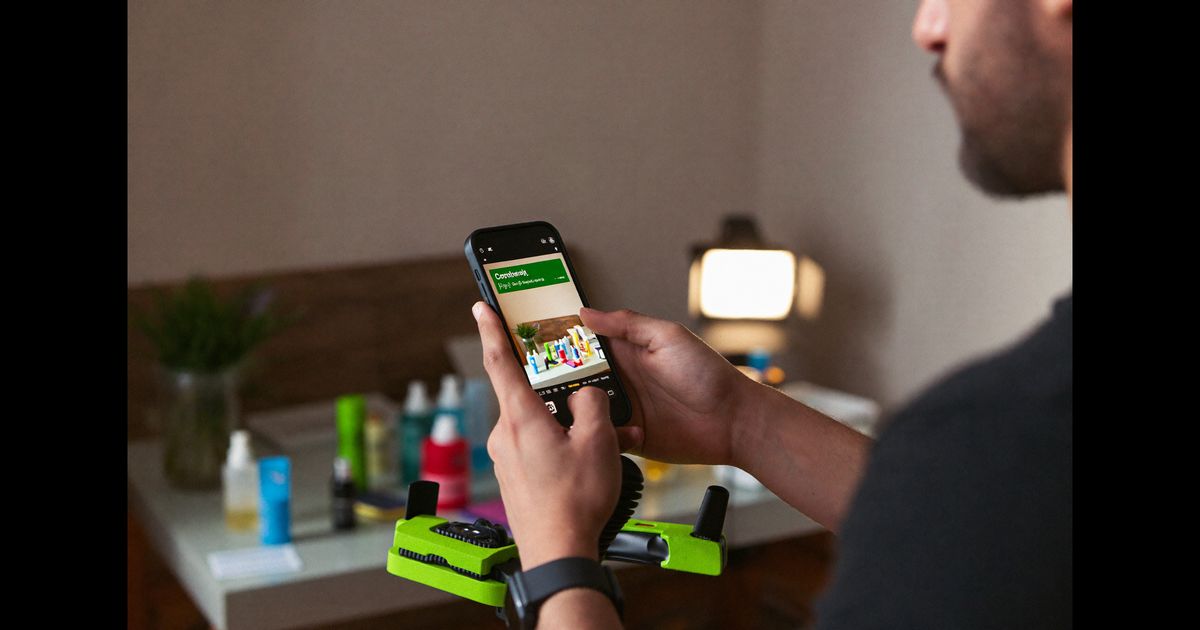
- Screen-share walkthroughs: Most effective for SaaS-adjacent EdTech (coding, Excel, design tools). Creator shares their screen, works through one micro-task, and narrates in real time. These run well on YouTube pre-rolls at 45–90 seconds.
- Whiteboard or notebook explains: Works for UPSC, JEE, CA foundation, and vernacular K–12 brands. A physical notebook or small whiteboard keeps production costs under Rs.3,000 per video and tests well on Instagram Reels and Meta Feed.
- Before/after skill demos: Creator shows a wrong approach (relatable), then the corrected approach after using the platform. High-performing format for language-learning apps (IELTS, English-speaking) on YouTube Shorts.
Each format maps to a different funnel stage. Screen-shares convert best at the bottom (retargeting warm audiences). Whiteboard explains work mid-funnel for cold reach campaigns. Before/after demos are strong top-of-funnel hooks because they open with a mistake the viewer has probably made.
Creator Benchmarks: Who to Brief and What to Pay
For tutorial UGC, subject-matter credibility matters more than follower count. We consistently brief creators who have at least one of the following: a verified result on the platform being advertised (a certificate, a rank, a skill project), a micro-community related to the subject (a Telegram study group, a YouTube channel with even 2,000 subscribers in a niche), or a professional background that matches the course audience.
- Nano creators (1k–10k followers): Day rates of Rs.3,000–Rs.8,000 per finished video in Tier-cities across India. For vernacular content (Tamil, Telugu, Marathi, Bengali), expect Rs.2,500–Rs.6,000. These creators produce the highest authenticity index for tutorial content, their audiences are used to seeing them explain things.
- Micro creators (10k–100k): Rs.8,000–Rs.25,000 per video. Usually overkill for tutorial UGC unless the brief requires a recognisable face in a specific exam community (e.g., a known NEET prep creator).
- Raw UGC (no posting required): Creator records and hands over files only. Rates drop 30–40% from the above. Most EdTech brands using performance ads prefer this because they control placement and spend.
Budget a minimum of Rs.15,000–Rs.25,000 to produce a 3-video test batch (one per format) with a single nano creator before scaling to a multi-creator set. This is a realistic minimum for Tier-1 production; Tier-2/3 city creators can cut that to Rs.10,000–Rs.18,000.
The Brief: Six Things a Tutorial Creator Must Know Before Filming
A vague brief is the single biggest reason tutorial UGC fails in the edit bay. We brief creators on six parameters every time:
- The one concept to demonstrate: Not the full course. One problem, one formula, one feature. "Show how you solved a quadratic inequality using the platform's practice mode" is a good brief. "Show how good the platform is" is not.
- The hook moment (first 3 seconds): Must be action, not intro. Creator should open with the pen already on the paper, the screen already navigated, the mistake already visible. No "Hi guys, today I'm going to…" openings, Meta's own data shows these drop watch-time by roughly 25% in the first 5 seconds for Indian audiences versus hooks that open mid-action.
- The spoken language and register: For a UPSC prep brand targeting Hindi-medium aspirants in UP and Bihar, a Hinglish walkthrough outperforms pure English by a significant margin. Specify: Hindi/Tamil/Telugu/Marathi/Hinglish, and whether to use formal or colloquial register.
- Screen permissions and branding: If the creator records a screen-share, clarify which UI elements to show, whether to stay logged in as a real student, and whether platform branding needs a verbal mention (required under ASCI's 2023 influencer guidelines if the content will run as a paid ad, the brand and the paid relationship must be disclosed).
- ASCI disclosure placement: For any creator-led ad on Instagram, YouTube, or Meta, the #Ad or #Sponsored label is mandatory under ASCI guidelines. In tutorial UGC, we recommend verbal disclosure at the start ("This video is in partnership with [Brand]") rather than a buried text overlay, because tutorial audiences are more sceptical and a buried label erodes trust faster than an upfront one.
- Desired CTA format: Verbal CTA works better than text-only overlays for vernacular audiences. Brief the creator on the exact phrase, "link in bio par course join karo" or "free trial ke liye description mein click karo", so it matches the landing page copy.
Production Setup: What Actually Works on a Rs.5,000 Budget
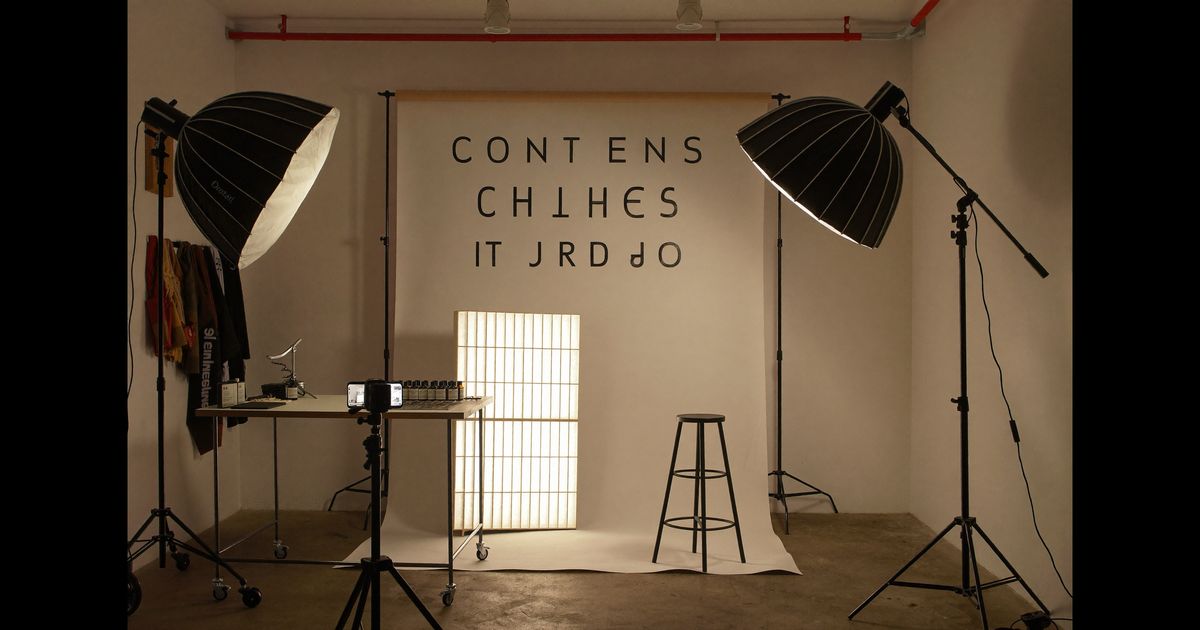
Tutorial UGC does not need a production crew. The aesthetic of a study table, a notebook, and a smartphone on a tripod is not a budget constraint, it is a trust signal. A slickly produced tutorial ad often reads as an explainer video, which performs differently from UGC in A/B tests. Keep the following in the brief:
- Lighting: Natural window light from the side, or a single Rs.800–Rs.1,500 ring light. Flat overhead lighting is the one thing to avoid, it flattens faces and washes out written content on whiteboards/notebooks.
- Audio: The single biggest production variable. A Rs.2,000–Rs.3,500 clip-on mic (Boya BY-M1 or equivalent, widely available on Flipkart) eliminates room echo that kills watch-time on mobile. In our production work, audio issues account for roughly 60% of first-cut rejections in creator-submitted tutorial videos.
- Frame composition: For whiteboard/notebook formats, a top-down (overhead) or 45-degree angle shot of the writing surface plus the creator's hands outperforms talking-head framing for tutorial content on Reels and Shorts. The viewer's eye is drawn to the work being done.
- Duration by placement: Instagram Reels: 30–45 seconds. YouTube Shorts: 45–60 seconds. YouTube pre-roll: 60–90 seconds with a skip-proof first 5 seconds. Meta Feed: 30–60 seconds. Go longer only if watch-time data from existing organic content supports it for that specific creator's audience.
Format Benchmarks by EdTech Sub-Category
Different EdTech verticals in India have meaningfully different content norms, and tutorial UGC format choices should reflect that:
- Test prep (JEE, NEET, UPSC, CAT, IELTS): Whiteboard/notebook demos perform best. Aspirants in this category respond to seeing a method, a shortcut, a mnemonic, a common trap avoided. Average CPL for well-structured tutorial UGC in test prep on Meta: Rs.180–Rs.320 (based on campaigns targeting 18–26 year olds in Tier-1 and Tier-cities across India). Generic testimonials in the same campaigns averaged Rs.420–Rs.580 CPL.
- Professional upskilling (coding, data, design, finance): Screen-share walkthroughs dominate. A creator who visibly navigates the platform, completes a project module, runs a piece of code, builds a dashboard, produces the highest intent signal. These run best on YouTube and LinkedIn. Budget Rs.6,000–Rs.12,000 per creator for this format due to higher edit complexity.
- K–12 and vernacular learning: Short spoken-explanation clips in regional language, 20–35 seconds, with captions. These are the most cost-efficient to produce (often under Rs.4,000 per video) and have the highest share/save rates on Instagram and WhatsApp Status shares, a distribution channel many EdTech brands underuse for virality.
- Language learning (English-speaking, foreign languages): Before/after format. Creator opens with a spoken mistake they used to make, demonstrates the corrected version using the app's technique, closes with outcome. This maps directly to the anxiety driving purchase decisions in this category.
Testing and Scaling: The 3-Video Rule
Before committing to a multi-creator rollout, every EdTech brand should run a minimum viable test: three videos, three formats, same creator, same audience segment, Rs.3,000–Rs.5,000 per video in ad spend over 7 days. Measure three metrics: hook rate (3-second video views ÷ impressions, target >30% for Reels), watch-through rate (percentage who watch past 50%, target >18% for 45-second videos), and CPL or cost-per-trial-start against your existing creative baseline.
In our experience briefing tutorial creators for EdTech clients, the format that wins the hook test rarely wins the CPL test. Run all three before cutting spend to the "obvious" winner, the 45-second screen-share that looks boring often out-converts the snappy 20-second Reel in test prep categories.
Once a winning format is identified, scale by adding 3–5 creators in the same format, varying language and the specific concept demonstrated. This protects against audience saturation without changing what is already proven to work. For vernacular campaigns, adding a second language variant of the same winning format typically costs Rs.4,000–Rs.8,000 in additional creator fees and often extends campaign viability by 3–4 weeks before frequency fatigue sets in.
If you are building tutorial-style UGC for an EdTech brand and want a vetted creator roster, briefing templates, and format testing built into the production process, book a consultation with The UGC Agency, we work with EdTech brands across India and can scope a test batch matched to your platform, language, and performance targets.