Watch a typical tutorial-style UGC ad and you will notice something off within the first ten seconds: the creator is explaining a product they clearly just received, reading step numbers off a brief they were handed, standing in a room that looks like a stock photo. The tutorial format is supposed to be UGC's strongest format for e-commerce, it builds trust, shortens the consideration phase, and answers the question a shopper would actually type into Google. But most brands and even experienced creators keep making the same avoidable mistakes that drain every advantage the format offers.
Below is a breakdown of those mistakes, why they happen, and exactly how to correct them, drawn from the kinds of briefs and feedback loops we run at The UGC Agency when producing tutorial content for D2C brands across categories like skincare, kitchen appliances, edtech tools, and home decor.
Mistake 1: Writing a Tutorial That Is Really Just a Product Demo
The single most common failure is confusing a tutorial with a demo. A demo shows what a product does. A tutorial teaches the viewer a skill and the product is the vehicle. That distinction changes everything, the script structure, the camera angles, the creator's tone, and whether the viewer watches to the end.
A demo sounds like: "Apply two pumps to your face and massage in circular motions for 60 seconds." A tutorial sounds like: "If your moisturiser is pilling under sunscreen, the issue is usually application order, and here is the sequence that fixed it for me." The second version respects what the viewer came to learn, positions the product as a solution rather than a prop, and creates a reason to watch past the five-second mark.
- Fix it in the brief: Ask the creator to open by naming the problem the viewer already has, not by introducing the product. The product earns its mention in step two or three.
- Fix it in the edit: If the first mention of the brand name appears in the first four seconds, that is usually a flag that the video is leading with promotion, not utility.
Mistake 2: Filming in a Setting That Erases Credibility
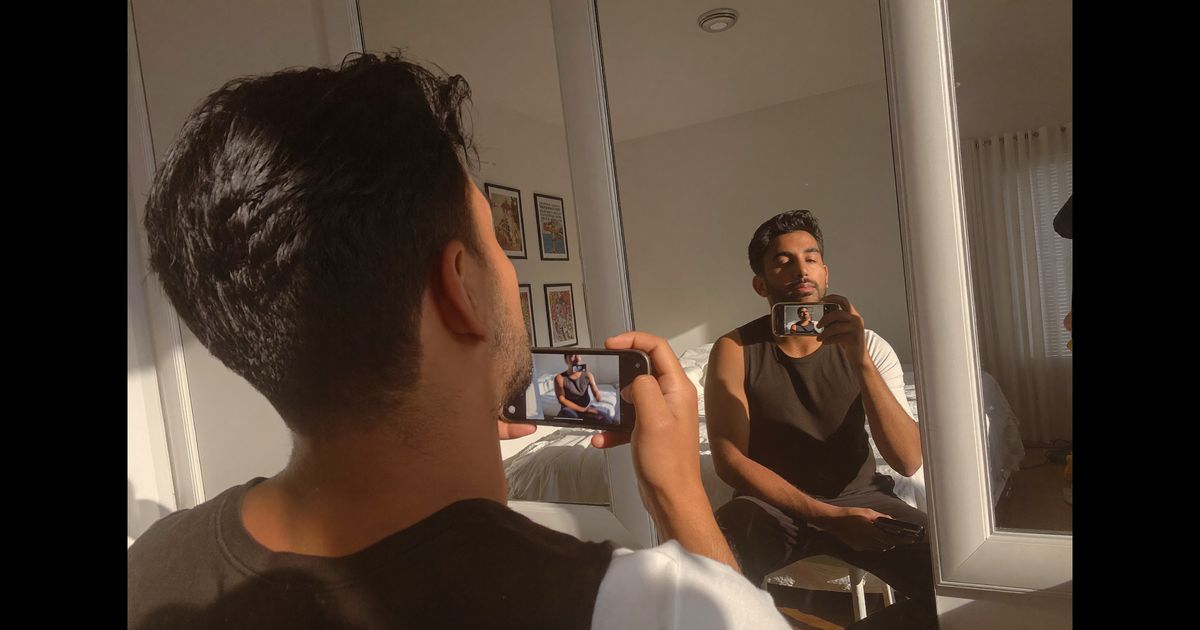
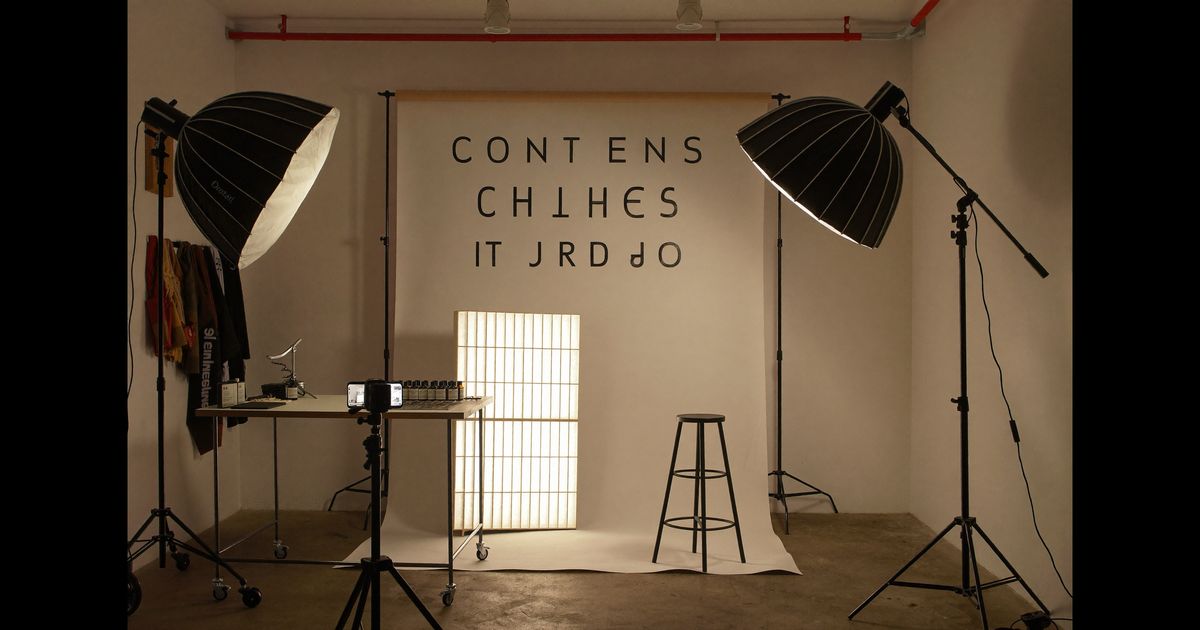
Tutorial UGC earns trust precisely because it looks like something a knowledgeable friend filmed for you, not a production. When brands push creators to use ring-lit white backgrounds, perfectly arranged flat-lays, or colour-matched props, they remove the authenticity signal that makes the format work in the first place.
In the Indian context this matters even more because consumers in Tier-cities across India, Indore, Coimbatore, Jaipur, Patna, have an extremely sharp eye for when something is trying too hard. A kitchen tutorial shot in what is clearly a Bombay studio kitchen, all marble and matte black taps, will feel aspirational to some segments but alienating to the majority of an e-commerce brand's actual buyers.
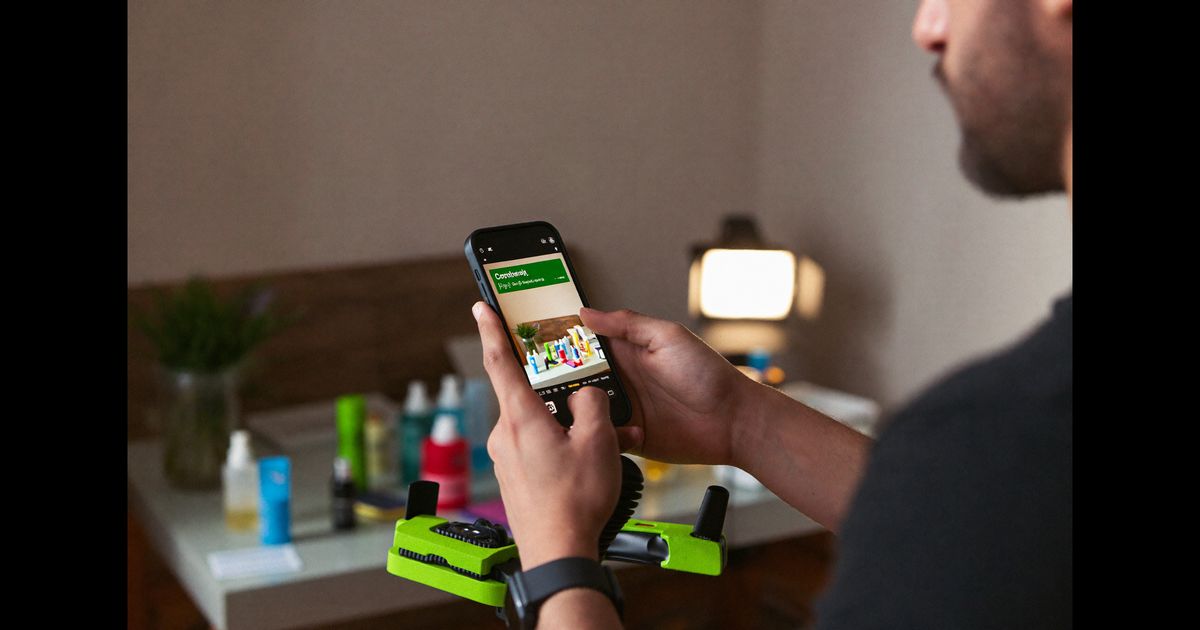
- Match the setting to where the tutorial realistically happens: a bathroom counter for skincare, an actual kitchen counter with real-use clutter for cookware, a desk corner with visible cables for tech products.
- We brief creators to leave one or two ambient details in frame, a half-drunk cup of chai, a phone charger, a textbook, because those details do more for authenticity than any lighting setup.
- For Instagram Reels and YouTube Shorts, a vertical window-lit shot from a genuinely lived-in room outperforms a horizontal studio shot in swipe-stop rate consistently.
Mistake 3: Making the Tutorial Longer Than the Skill Requires
Brands tend to interpret "tutorial" as "long-form" and ask creators to cover every product feature, every variant, every safety note. The result is a 3-4 minute video that loses 70% of viewers before the core step is shown. Tutorial UGC for e-commerce performs best in the 45-90 second range for Reels/Shorts and 2-3 minutes for YouTube mid-funnel, not because attention spans are short, but because buyers at the top of funnel need one insight, not a manual.
- Structure your brief around a single transformational step. Not "how to use Product X", instead, "one mistake people make when using Product X that this video corrects."
- If a brand genuinely needs to show multiple steps (an installation, a cooking sequence, a multi-stage skincare routine), brief for a series of three 45-second clips rather than one 3-minute video. Each clip can be repurposed individually across placements.
- On YouTube Shorts, content longer than 60 seconds is classified differently and can miss the Shorts feed entirely, a detail many creator briefs miss.
Mistake 4: Ignoring ASCI Rules on Claims and Disclosures
The ASCI (Advertising Standards Council of India) guidelines updated in 2021 and again with digital-specific clauses in 2023 require that paid collaborations be disclosed clearly, that claims be substantiated, and that results-based claims ("removes acne in 7 days", "grows hair 2x faster") either carry a disclaimer or be backed by documented proof the brand can produce if challenged. Tutorial-style UGC is especially risky because the format signals personal endorsement, which makes an undisclosed paid relationship a direct regulatory problem, not just an ethics one.
- Disclosure: The label must appear as on-screen text (not just in the caption) within the first two seconds. "Paid Partnership" or "#Ad" visible in the video itself, not buried in hashtags, is the ASCI-compliant standard.
- Claims: Phrases like "dermatologist-tested", "clinically proven", or any before/after framing require supporting documentation. We flag these at brief stage and ask brands to provide the substantiation before the creator shoots.
- Results claims in Hindi or regional languages: The same rules apply regardless of language. A claim made in Tamil is as enforceable as one made in English. Brief creators in the language they will shoot in so they are not improvising compliant language on camera.
Mistake 5: Treating Every Platform as the Same Distribution Channel
A tutorial shot for YouTube mid-funnel and repurposed unchanged to Instagram Reels will underperform on both. Platform context shapes how tutorial UGC should be structured at the shoot stage, not just in the edit.
- Instagram Reels (and Meta ads): The hook has to land in 1.5 seconds without audio because roughly half of Reels are watched muted on first pass. Text overlays on the key step are essential, not optional. Keep the visual action continuous, cuts and jump-cuts work against the "real person teaching me" feel.
- YouTube Shorts: Viewers are slightly more patient and audio-on rates are higher. A creator can open with a spoken question ("Has your blender been leaking from the base?") without an on-screen text hook and still hold attention. Longer tutorials up to 55 seconds work here if the pacing stays active.
- WhatsApp Status (for D2C retargeting): Many Indian D2C brands now share creator content via WhatsApp broadcast lists and official Status updates. For this placement, tutorials need to be under 30 seconds, entirely comprehensible without audio, and must not rely on a swipe-up or link-in-bio CTA since Status does not carry clickable links for most broadcast scenarios.
- Amazon/Flipkart product pages: Tutorial videos embedded on product listings have a completely different job, they are watch-to-decide rather than watch-to-discover. Here, the demo and tutorial overlap is intentional. Cover the most common question from your product reviews in the first 20 seconds.
Mistake 6: Briefing the Creator's Words, Not Their Understanding
The most damaging mistake is also the subtlest: sending a creator a script to read rather than the knowledge they need to speak authentically. Scripted tutorials have a detectable cadence, the creator pauses slightly before key claims, looks slightly left (at a phone propped up for teleprompter use), and delivers product specifics in a tone that shifts from their natural register.
Indian audiences are particularly good at spotting this, partly because the influencer market here matured very quickly and viewers have developed a sophisticated read on sponsored content. A creator who genuinely understands why a turmeric face wash needs to be used on damp, not dry, skin will explain it in words that feel discovered, not recited.
- Replace script sections with knowledge transfer: send the creator the product, three relevant customer reviews to read, and a list of "things to know", not "things to say."
- Allow one unscripted run-through before the creator looks at the brief again. Often that first take is the best tutorial content you will capture.
- For products with a learning curve (e.g., a kitchen tool like an instant pot, a skincare device, a SaaS app), build in 2-3 days of actual use before the shoot date. The Rs. 500-800 per day difference in creator timeline is returned many times over in output quality.
The tutorial format wins when it answers the question the shopper was already asking, not when it teaches the shopper to ask the brand's preferred question. Keep that inversion in mind from brief to publish.
If your brand's tutorial content is not converting the way the format should, the problem is almost always in the brief and the shoot setup, not the distribution. We have seen brands flip their Reels watch-through rate by changing nothing except how they onboard the creator before the camera turns on. If you want to audit your current tutorial briefs or build a repeatable tutorial UGC workflow from scratch, the consultation page is the right place to start.