A skincare brand in Bengaluru once sent us a batch of creator submissions where every tutorial looked identical: flat ring-light, product held up to the camera, three steps rattled off in 45 seconds. The reels got views, but no one saved them or followed through to purchase. The problem was not the creators, the briefs were wrong. Tutorial-style UGC for beauty is its own production discipline, and getting it right starts before anyone presses record.
This guide walks you through the full process: setting up the shot, writing a brief that actually produces usable footage, nailing pacing, staying ASCI-compliant, and delivering assets that a media buyer can cut into ads without touching a single frame. Whether you are a creator taking on your first beauty brand brief or a brand marketing team building an in-house UGC programme, these steps apply directly to the Indian market's dominant platforms, Instagram Reels, YouTube Shorts, and Moj.
Step 1: Decide the Tutorial Format Before You Touch the Camera
Not all tutorials are the same, and each format demands a different shoot approach. The three formats that consistently perform for Indian beauty brands are:
- Get Ready With Me (GRWM): The creator applies a full face or routine in real time, weaving in product commentary as they go. Works well for foundation, kajal, and skincare routines. Best for creators with an existing audience, because trust is baked into the parasocial relationship.
- Before-and-After Transformation: Clean face or bare skin at the start, finished look at the end. Typically 30–60 seconds. Works exceptionally well for serums, face washes, and hair oils where visible change is the proof point. This is the format most used in paid dark-post campaigns.
- Step-by-Step Instructional: The creator talks to camera and demonstrates each step explicitly, numbered on screen or narrated clearly. Suits higher-consideration products, SPF moisturisers, under-eye treatments, hair smoothing masks, where the shopper needs to understand usage before committing Rs.600–2,000+.
We brief creators to choose one format per video. Trying to combine GRWM looseness with numbered instructional rigour produces confused content that platforms do not recommend and viewers abandon mid-scroll.
Step 2: Build the Shot Setup for Indian Conditions
Most Indian creators shoot at home, often in Mumbai apartments with cool north-facing light or Hyderabad rooms with warm incandescent overheads. The goal is consistent, skin-accurate colour. A few non-negotiables:
- Natural window light as a baseline: Position the creator facing the window at a 45-degree angle, not directly in front of it (blown out) and not perpendicular (harsh shadows). A white bedsheet hung behind the camera bounces fill light without cost.
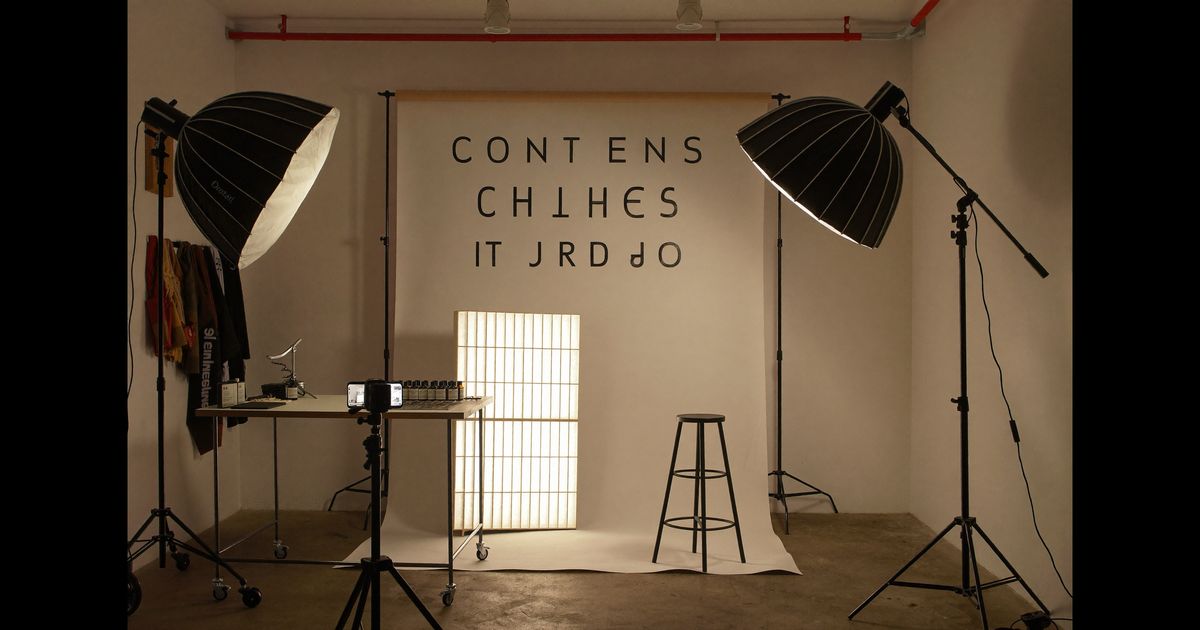
- Supplement with a bi-colour LED panel: A Ulanzi VL49 or Godox SL60, both available on Amazon India for under Rs.4,000, lets creators dial in consistent colour temperature when shooting in the evening or in rooms with mixed light sources. Ring lights alone flatten the skin texture that makes tutorial content believable.
- Camera angle for makeup tutorials: Slightly above eye level (camera sitting on a stack of textbooks or a phone tripod at forehead height) creates a flattering tutorial angle that lets the viewer see the product touching the face without an unflattering nose-first perspective.
- Background: Clean, single-tone backgrounds, off-white walls, plain curtains, a neatly made bed, outperform cluttered setups in ad creatives. Product flat lays introduced mid-video for product-detail shots should be filmed on a separate, neutral surface (marble effect paper, available at Chandni Chowk or on Amazon for Rs.150–300 a roll).
For audio, the built-in iPhone or Android microphone is fine for Reels, but a Rs.2,500 lavalier like the Boya BY-M1 attached to a kurta collar eliminates room echo that makes creators sound amateur on YouTube Shorts.
Step 3: Write the Brief So the Creator Knows Exactly What to Prove
A weak brief says: "Show how to use our vitamin C serum." A strong brief says: "Demonstrate two drops applied to dry skin at night, show the texture, watery, not oily, and tell us it does not sting or leave residue. Do not say the word 'brightening' without also saying it takes four weeks. Do not compare us to any other brand by name."
The ASCI Guidelines on Influencer Advertising (updated 2023) require material disclosure whenever a creator is paid or receives product. In tutorial UGC used as paid ads, the safest compliance route is to include a visible "Paid Partnership with [Brand]" disclosure in the video itself, not buried in a caption that disappears behind a "more" click. We brief creators to state this in the opening three seconds for any content that will run as a dark post or boosted Reel. ASCI has been actively issuing notices to brands and creators violating this rule; enforcement is real.
Additional brief requirements that reduce reshoots:
- Specify the exact product SKU and shade (e.g., Lakme 9to5 Naturale Matte, N100 Porcelain, not just "the foundation").
- Define the required product on-screen moments: opening shot showing the product clearly, mid-video close-up of application, end frame with the product visible alongside the finished result.
- State the desired emotional tone. "Calm and educational" produces different energy than "excited best-friend recommendation." Both work; mixed messages don't.
- Set the length window: 30–45 seconds for Reels dark posts, 55–60 seconds for YouTube Shorts. Creators shooting to 90 seconds will need to re-edit.
Step 4: Direct the Product On-Screen Moments
Tutorial-style UGC lives or dies on three specific shot types that brands often fail to request explicitly:
- The texture reveal: Product dispensed onto fingertips or a spatula, held up to the light so the viewer can see if it is gel, cream, oil, or liquid. This shot matters enormously for e-commerce audiences shopping on Nykaa or Meesho who cannot touch the product before buying.
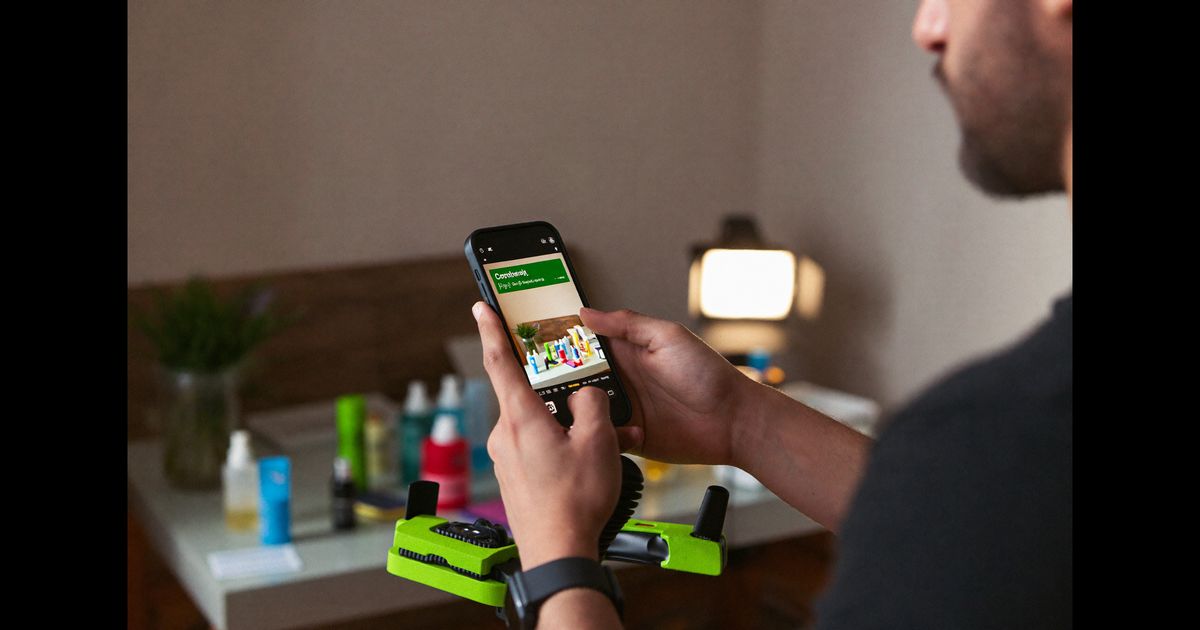
- The skin contact shot: A close-up of the product actually touching and blending into skin. This is where creators need to be coached not to cup their hand over the camera lens accidentally. The phone should be propped up on a holder at this stage, not handheld.
- The result close-up: Final skin, nail, or hair state filmed 3–5 centimetres from the face. Brands frequently skip this and lose the strongest proof-of-result moment.
We ask creators to shoot each of these three moments as standalone 5-second clips in addition to the continuous tutorial take. This gives editors options and allows the brand to pull cut-down content for Stories or carousel thumbnails without requiring a reshoot.
Step 5: Handle Language and Regional Variants Early
India's beauty market is not monolingual. A kajal campaign targeting tier-2 markets performs differently in Tamil Nadu versus UP. We routinely brief creators to record the same tutorial structure in two language tracks, one Hindi voiceover take, one in the creator's native language (Bengali, Marathi, Telugu), within the same session while the lighting setup is still live. The incremental cost is 30–45 minutes of creator time, and the brand ends up with assets it can use for regional campaign targeting on Meta and Google without paying for a separate shoot day.
If a creator is not comfortable on camera delivering a full voiceover in a second language, the minimum viable version is silence: a clean no-audio tutorial cut with on-screen text captions that a copywriter localises later. Captions also improve accessibility and perform better on feeds where autoplay starts muted, which is most of Instagram India during commute hours.
Step 6: Review Footage Against a Usability Checklist Before Submission
Brands waste time and money when creators submit footage that cannot be used in paid ads. Before sending anything to the brand, run every clip against this checklist:
- Is the product name and shade visible at least once without motion blur?
- Is there an ASCI-compliant disclosure visible in the first three seconds?
- Is the background clean of any competing brand logos or unintended objects?
- Is the audio clear, no fan noise, no echo, no overlapping speech from another room?
- Does the video end with a clear product close-up or creator-plus-product frame?
- Is the file exported at 1080x1920 (9:16) at a minimum of 30fps?
- Is the total runtime within the agreed window?
If even one of these fails, the clip goes back for a pickup shot rather than forward to the brand. A failed submission wastes two to three working days of revision cycles, more than the time it takes to get the original shot right.
What Good Tutorial UGC Costs in the Indian Market
Pricing varies widely, but a realistic benchmark for a creator delivering a polished 45-second tutorial with all three required shot types, two language variants, and compliant disclosure runs between Rs.8,000 and Rs.25,000 per video depending on creator tier and follower count. Macro creators (500K+ followers) doing dedicated tutorials on their own channel will quote Rs.60,000–1,50,000, but that is branded content territory, not UGC. For paid ad usage rights, expect a separate 20–30% usage rights uplift on any quote.
Shooting in batches (three to five SKUs in one session) reduces per-video cost by 30–40% because the setup time, lighting, background, disclosure filming, is absorbed across multiple deliverables. We structure most beauty brand retainers around quarterly batch shoots for exactly this reason.
If you want to build a repeatable tutorial-UGC system for your beauty brand, including creator briefing templates, regional language workflow, and ad-ready delivery standards, book a consultation with our team and we will map out a production plan specific to your catalogue and campaign goals.