EdTech brands have a specific credibility problem that most categories don't: the promise is deferred. A skincare buyer sees results in two weeks. A course buyer might not see a salary hike for six months, if ever. That gap is exactly why testimonial-style UGC works harder for EdTech than almost any other format, and it is also why filming it badly can backfire spectacularly. A wooden script read off-camera by someone who "sounds" coached does more damage than no testimonial at all.
At The UGC Agency, testimonial-style content for EdTech clients is among our most technically specific briefs. What follows is how we actually approach it, from location choices and shot construction to what we tell creators to never say on camera, and why ASCI's endorsement guidelines shape every script we sign off on.
Why the EdTech Testimonial Is a Different Beast
A testimonial for a shampoo can lean on sensory language, "my hair felt different in three washes." A testimonial for an online certification program, a NEET coaching app, or a spoken-English platform has to make an abstract outcome feel real to a skeptical viewer. The Indian learner audience, particularly the tier-2 and tier-3 city segment that platforms like PhysicsWallah, Unacademy, and Vedantu have spent years converting, brings a specific kind of suspicion to any "this course changed my life" claim. They have seen too many misleading ads.
This means the testimonial has to do two jobs simultaneously: generate aspiration and pre-empt disbelief. The filming approach, the creator profile, and the specific language all have to serve both goals. That is not a brief you can hand to a creator with a ring light and a generic script.
Casting: The Most Important Production Decision You Will Make
For EdTech testimonials, the creator's background IS the credibility. We brief EdTech clients that the ideal creator profile is not the most polished UGC face, it is the most relevant one. Practically, this means:
- Match the learner archetype precisely. If the platform targets working professionals upskilling in Bengaluru's IT corridor, a 28-year-old software engineer from Whitefield is worth ten lifestyle influencers. If the platform targets Class 12 students in smaller cities preparing for JEE, a creator from Patna or Nagpur who went through that experience reads as authentic in ways a Metro-based creator simply doesn't.
- Language fit matters more than follower count. A testimonial in fluent Hinglish from someone who genuinely code-switches lands with the mass market. A testimonial in clean English from someone whose first language is clearly Bengali or Tamil will read as more relatable to that regional audience than the same script delivered by a generic Hindi-belt creator.
- Avoid over-credentialed creators for mass-market platforms. If the brand's ICP is a first-generation graduate from a tier-3 city, a creator who name-drops their IIT background in the opening line immediately creates social distance, not aspiration.
Set Design and Location: Signal Environment, Not Studio
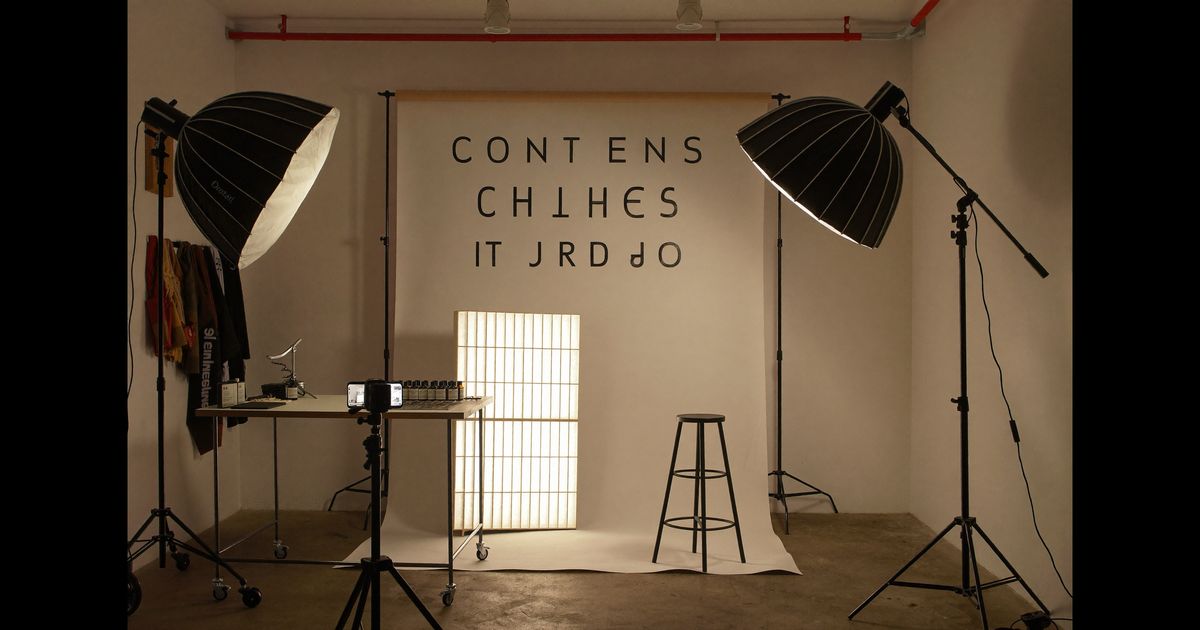
The single fastest way to undermine a testimonial's authenticity is to film it in a setup that screams "advertisement." For EdTech specifically, we have found three location archetypes that consistently outperform studio setups in scroll-stop tests:
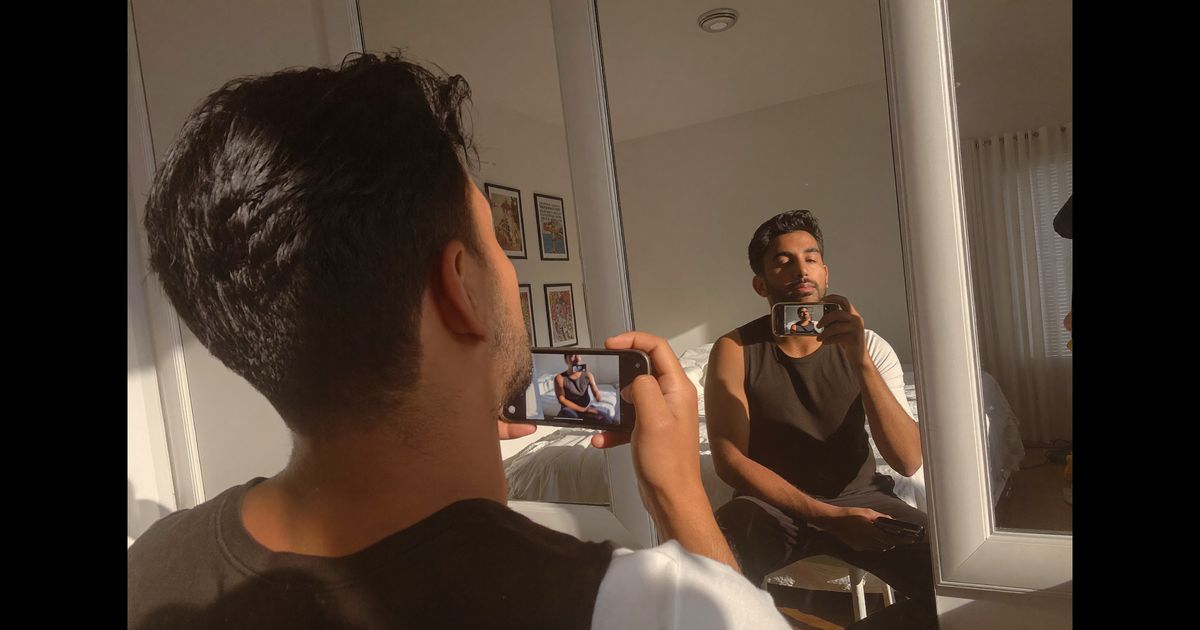
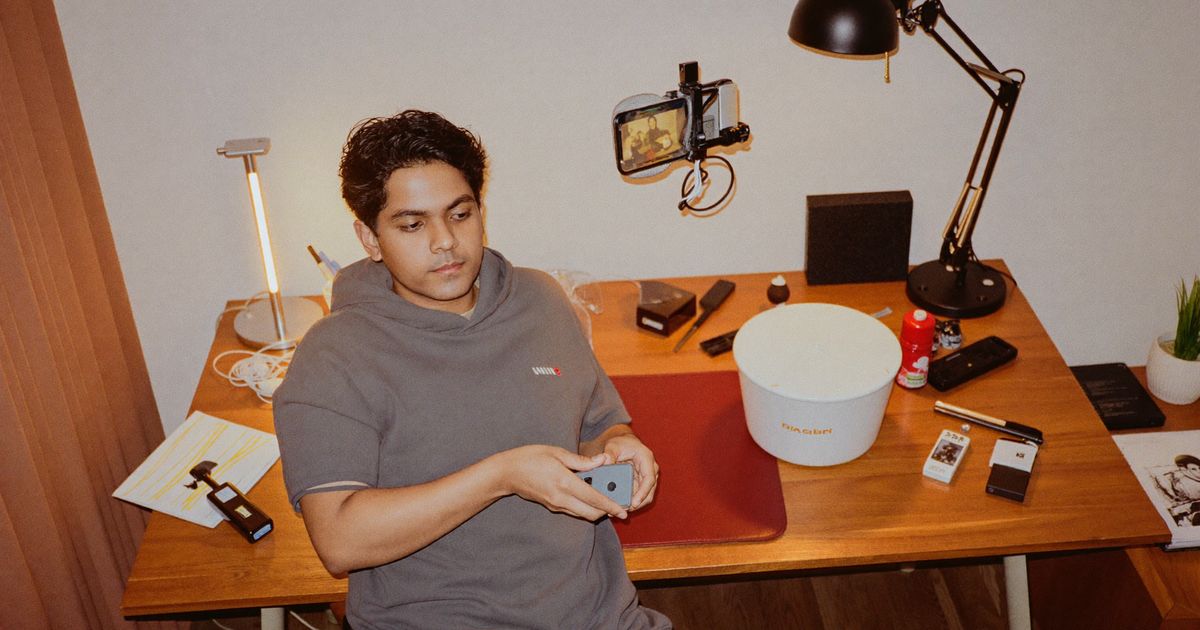
- The study desk shot. Creator at their actual desk, laptop open, a notebook visible, maybe a coffee mug. Shot from a slightly elevated angle, tight enough that the viewer can read the environment. In Indian apartments, this is often a small desk near a window or in a corner of a bedroom. That is not a limitation; it is an asset. The cramped, real-looking desk communicates "this is a real student, not a spokesperson."
- The commute or transit opener. Short-form content for platforms like Instagram Reels and YouTube Shorts works well when the creator opens mid-action, talking while walking to a metro station, waiting on a platform, or sitting in a local train. This communicates that the product fits into a real life. We use this specifically for upskilling and professional development platforms targeting working adults in Mumbai, Delhi, and Bengaluru.
- The post-result reveal. Creator holding a physical result, an offer letter printout, a certificate, a laptop screen showing a job portal update. Shot close enough that the viewer can see it is real, wide enough that the creator's reaction is visible. This works particularly well for job-guarantee programs and certification courses.
One technical note we always pass to creators: natural window light on one side, a cheap reflector (or a white wall) on the other. No ring lights, the circular catch-light in the eyes is now strongly associated with sponsored content and triggers immediate "this is an ad" recognition in experienced social media users.
Script Structure: The Five-Beat Framework We Use
Testimonials that convert follow a logical sequence that mirrors how skeptical audiences move through belief-building. We brief creators on a five-beat structure rather than a word-for-word script, because natural language variation is the point:
- Beat 1, The specific before-state. Not "I was struggling" but "I had been applying for data analyst roles for eight months and kept failing the Excel round." The more specific the before, the more the right viewer self-identifies. Duration: 8–12 seconds.
- Beat 2, The discovery moment. How and why they found this particular platform. We coach creators to mention a specific feature or detail, "the practice tests are timed exactly like the actual exam" or "they have a Telugu-medium track which I hadn't seen anywhere else." Generic "I found this course online" language is cut.
- Beat 3, One concrete learning experience. A single, memorable thing they learned or did inside the platform. Not a list of features, one story moment. "The mock interview they conducted over Zoom, with actual feedback, not just a score." This beat is where the product lives in the testimonial, and it must feel remembered, not read.
- Beat 4, The measurable outcome. Tied to ASCI guidelines (more on this below): the outcome must be real, the creator must have genuinely experienced it, and if it involves earnings or placement claims, the exact figure or timeline cannot be presented as typical. We build this caveat into the edit, not as a legal disclaimer at the end, but as natural hedging in the creator's own words: "I can't speak for everyone but for me, within four months…"
- Beat 5, The recommendation with specificity. Not "I'd recommend this to everyone" but "if you are a working professional who can only study on weekends, this is the one I'd pick." A targeted recommendation reads as more genuine than a universal one, and it actually helps with audience targeting in paid media.
ASCI Compliance: What EdTech Testimonials Cannot Do
The Advertising Standards Council of India tightened its EdTech guidelines following the 2021-22 scrutiny of outcome-based claims by coaching platforms. For testimonial-style UGC, the critical compliance points are:
- No unsubstantiated placement or salary claims. "I got a Rs.12 lakh package" in a testimonial is a claim the brand must be able to substantiate for that specific creator. If the claim is real, document it. If it cannot be documented, the line is cut.
- Material connection disclosure. If the creator was compensated, in cash, free access, or any other form, the content must carry a disclosure. On Instagram Reels and YouTube Shorts, this means the platform's paid partnership label AND a verbal or on-screen callout. The ASCI influencer guidelines (updated 2022) make the creator and the brand jointly responsible. We include the disclosure requirement in every creator agreement we issue.
- No "guaranteed" language. Words like "guaranteed placement," "100% job offer," or "definitely crack" cannot appear in testimonial content. Creators sometimes add these in delivery because they sound persuasive, we catch them in the review round before content goes to the brand.
- Atypical results flagging. If the outcome described is exceptional rather than representative, the content should say so. This is not just legal cover, in our experience, the "honest caveat" framing actually increases conversion because it signals the creator is not just reading a script.
Production Specs for Indian EdTech Platforms and Paid Distribution
Most EdTech brands we work with run testimonial UGC across three surfaces: organic Instagram/YouTube, Meta paid ads, and their own website landing pages. Each has different requirements:
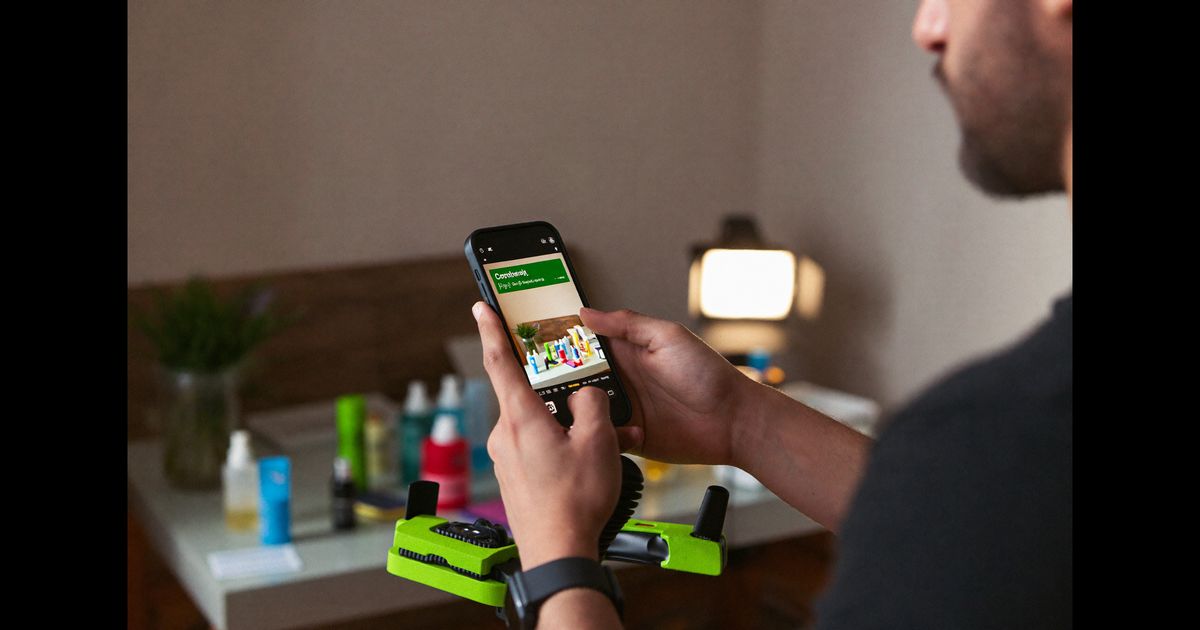
- Vertical 9:16 for Reels and Shorts. Shoot at 1080×1920, minimum 30fps. We always capture extra headroom so the edit team can reframe for 1:1 (Meta feed) without cropping into the creator's face. Testimonial content for paid ads should have the key credibility beat, the outcome statement, within the first 8 seconds, before most platforms register a "skip."
- Captions are non-negotiable. A large share of Indian mobile users watch with sound off, particularly on commutes. We send all testimonial content through caption burn-in before delivery. For creators who code-switch mid-sentence, we transcript manually rather than relying on auto-captions, machine transcription handles Hinglish poorly and regularly produces embarrassing errors in client-facing content.
- B-roll inserts for longer cuts. For landing page edits or 60-second versions, we ask creators to film 30–45 seconds of supplementary footage: their screen while using the platform, their workspace, a close-up of the certificate. This B-roll is what separates a testimonial that feels like an ad from one that feels like a documentary clip.
- Budget context. A fully briefed, reviewed, and edited testimonial UGC asset for an EdTech client, including creator fee, agency brief, one round of revisions, caption burn-in, and delivery in three aspect ratios, typically runs between Rs.8,000 and Rs.18,000 per finished asset depending on creator tier and usage rights. Brands running paid media on these assets should budget for licensed usage, which is separate from the shoot fee.
The Internal Review Step Most Brands Skip
Before any testimonial goes live, we run a specific internal check we call the "stranger test": would a viewer who has never heard of this brand, watching this at 1.5x speed on a crowded train, find this person believable? Not compelling, just believable. If the answer is no, the content goes back for reshoots or re-delivery, regardless of how good the lighting is or how tight the edit is.
The stranger test catches the problems that the brand's own team often misses because they are too close to the product: the creator who clearly paused to remember a scripted line, the outcome claim that is technically true but phrased in a way that sounds coached, the background that looks suspiciously clean for a "real student's room."
Believability is not the same as production quality. Some of the highest-converting testimonials we have shipped were filmed on a Rs.20,000 phone in a one-bedroom apartment in Pune. The script was real, the creator's background was right, and the outcome was genuine. That combination outperforms a studio setup with a hollow story every time.
If you are building out a testimonial UGC strategy for an EdTech platform, whether you need a single high-converting asset or a library of regional, multilingual content, our team can walk you through exactly how we structure these briefs. Book a consultation and we will map out a production approach that fits your platform, your audience, and your compliance requirements.