A dermatologist in Bengaluru once told us that her patients trust a 45-second Instagram Story from a real user more than a full-page newspaper ad from the same brand. We have seen this pattern repeatedly in our production work: vertical, ephemeral, low-production-aesthetic video consistently outperforms polished healthcare creatives, not because audiences distrust polish, but because health decisions are intensely personal, and personal decisions need personal proof.
That trust premium comes with a compliance burden. Healthcare UGC in India sits at the intersection of ASCI guidelines, CDSCO regulations on drug promotion, and platform community standards. Get the creative right but miss the compliance layer, and the content gets pulled. This piece walks through exactly how we brief, shoot, and deliver Stories-style UGC for healthcare clients, supplement brands, wellness apps, diagnostics chains, Ayurvedic D2C labels, and OTC pharma, so you can replicate the process or evaluate what to expect from a production partner.
What "Stories-Style" Actually Means for Healthcare
Instagram Stories and WhatsApp Status (the two formats that actually matter in India for this category, Snapchat's reach is marginal outside a few metros, and LinkedIn dropped Stories in 2021) share a specific grammar: 9:16 aspect ratio, 15 seconds per card, face-to-camera or environment-embedded, shot on-device. The format signals intimacy by design. For healthcare, that intimacy is both the asset and the risk.
In our briefs, Stories-style UGC for healthcare typically means:
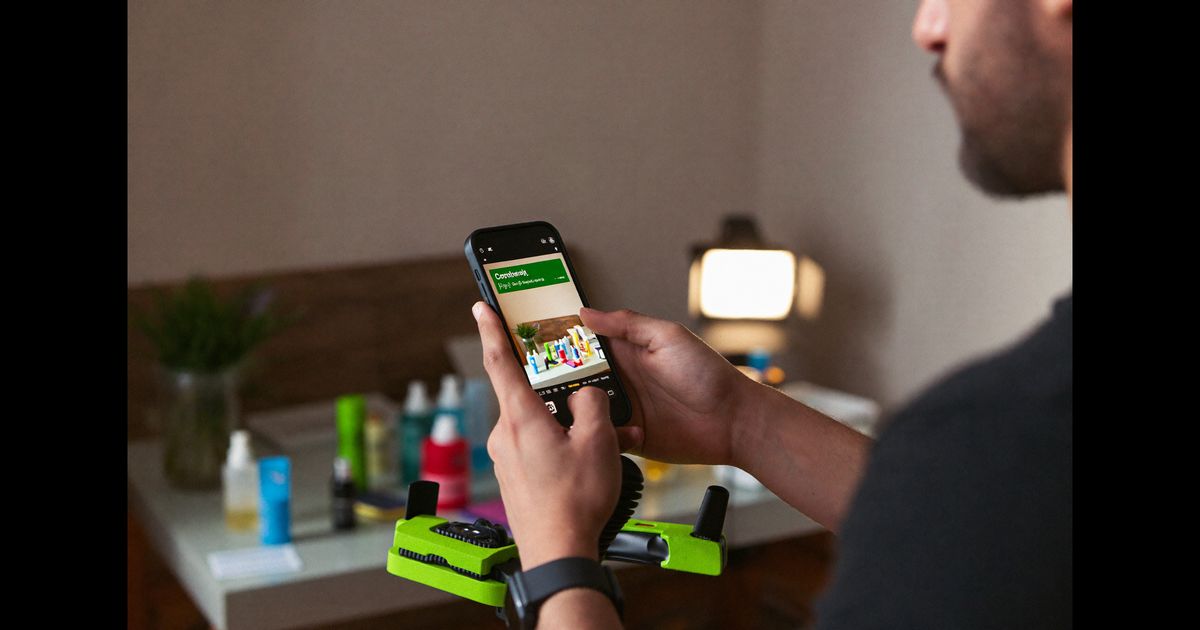
- Raw, handheld framing, shot on iPhone or Android, no gimbal smoothing, natural light from a window or ring light at most
- Creator as narrator, not actor, the person speaks from actual experience, not a script verbatim
- Habitat-appropriate settings, a bathroom mirror for skincare, a kitchen counter for nutraceuticals, an outdoor morning-walk setting for fitness supplements
- Short form, multi-card, 3–5 cards that together make a coherent arc: problem acknowledgment → product context → outcome or in-progress update
Notice we said "outcome or in-progress update", not "cure" or "result." That distinction is not cosmetic. It is the core of healthcare UGC compliance in India.
ASCI and CDSCO: What Creators Cannot Say
The ASCI Healthcare Advertising Guidelines prohibit any claim that a product can cure a disease or condition unless supported by clinical evidence filed with the relevant authority. For OTC and Ayurvedic brands, the rules are particularly strict around:
- Before/after visual comparisons that imply a medical outcome
- Phrases like "treats", "cures", "eliminates", "reverses" in the context of a named condition
- Testimonials that include clinical measurements (e.g., "my HbA1c dropped from 8.2 to 6.5 after using X")
- Creator content that implies medical professional endorsement without that professional actually being featured and identified
CDSCO's Schedule J under the Drugs and Magic Remedies Act adds further restrictions on advertising remedies for tuberculosis, epilepsy, cancer, and several other conditions entirely.
Our standard brief template includes a "claim ceiling" section for every healthcare project. Before a single frame is shot, the client's regulatory team signs off on a list of permitted and prohibited phrases. Creators receive this as a one-page reference, not a 30-page legal document, the latter guarantees they ignore it.
What is permitted under ASCI for testimonials: personal experience statements ("I have been taking this for three months and my energy levels feel different"), general wellness framing ("part of my morning routine"), and authentic product usage depictions. The word "feels" does a lot of legal work in healthcare UGC copy.
The Brief Structure We Use for Healthcare Creators
A standard UGC brief for a non-healthcare brand runs about 600 words. For healthcare, ours typically run 900–1,000 words, with the extra length almost entirely in the compliance and tone section. Here is the actual structure:
- Brand context (100 words): what the product is, the active ingredients or Ayurvedic formulation, the intended use case, and the target user. This is for creator comprehension, not scripting.
- Permitted claims list: a bullet list of exact phrases or paraphrases the creator can use. For example, a Vitamin D3+K2 supplement brand might permit: "supports my bone health routine", "easy to take daily", "I feel less fatigue mid-afternoon", and nothing more clinical than that.
- Prohibited phrases list: explicit no-go language. For the same brand: "treats vitamin D deficiency", "clinical dose", "as recommended by my doctor" unless true and provable.
- Shot list (3–5 cards): card 1 is always a hook, typically a problem-acknowledgment statement. Cards 2–3 are usage/context. Card 4 is the experience statement. Card 5, if used, is a soft product display or call to action.
- Visual dos and don'ts: no clinical-looking environments (white walls + blue gloves read as medical advice). Natural home settings only. No measuring devices or blood-draw imagery for supplement brands.
Casting and Creator Selection for Healthcare UGC
Creator fit matters more in healthcare than in almost any other category. A 22-year-old Mumbai lifestyle creator promoting an adult joint health supplement will perform worse than a 38-year-old Pune-based working parent in the same product category, even if the younger creator has three times the follower count. We have run this test multiple times.
Our casting filters for healthcare clients typically include:
- Age-product alignment: the creator should plausibly be the end user. This sounds obvious; it gets ignored often enough to state explicitly.
- Language match: for pan-India brands, we typically produce in Hindi, English, and at minimum one regional language, Tamil, Bengali, Marathi, or Telugu depending on the distribution footprint. A skincare brand targeting tier-2 Tamil Nadu cities gets Tamil-language Stories from creators in Coimbatore or Madurai, not dubbed voiceovers from Delhi creators.
- Content history audit: we check the creator's past posts for any claims or associations that could create liability for the client. A creator who has previously promoted a competing product with a banned claim becomes a risk even if the new content is fully compliant.
- Nano and micro preference: for healthcare, 10,000–80,000 follower creators in India outperform macro creators on trust metrics almost universally. The audience reads a smaller creator's health experience as more relatable and less commercial. A paid partnership label on a micro-creator's Story reads differently than on a celebrity post.
On-Set (or On-Phone) Production Specifics
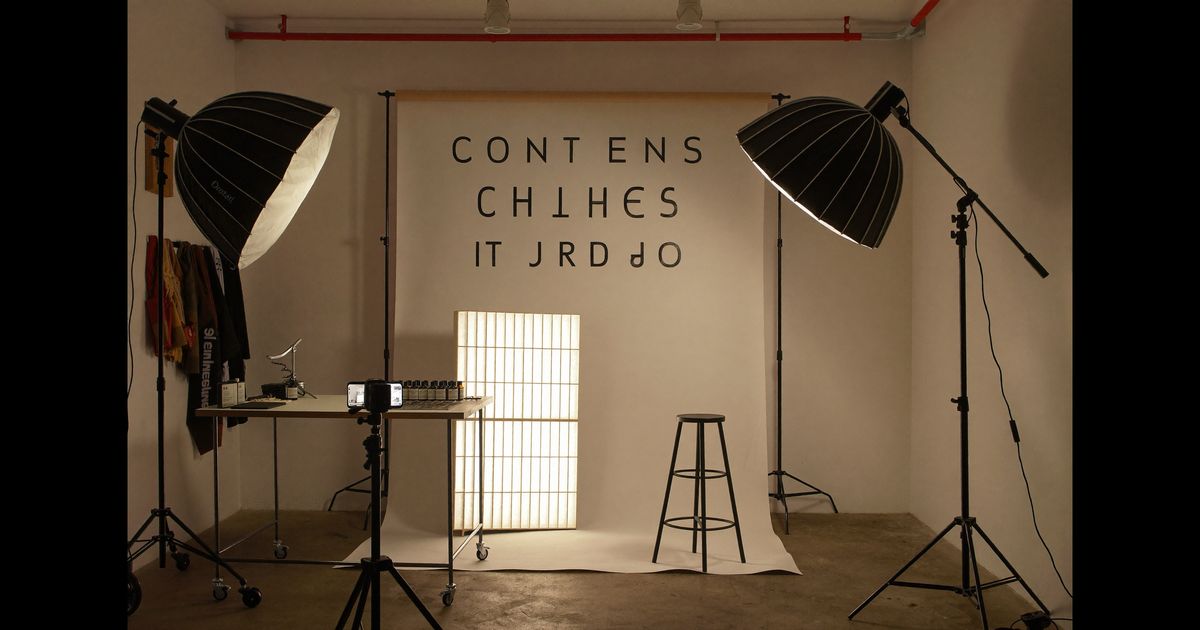
Most Stories-style healthcare UGC in our pipeline is shot self-directed: the creator films at home, we review and reshoot remotely if needed. For premium clients (diagnostics chains, large Ayurvedic brands with budgets above Rs. 2.5 lakh per content batch), we send a production assistant on-location in the creator's city to direct the session live. This typically happens in Mumbai, Delhi, Bengaluru, Hyderabad, Chennai, and Kolkata, the six cities where our on-ground network is active.
Technical specs we enforce for healthcare Stories regardless of shoot model:
- Minimum 1080p, 30fps, Stories compress aggressively and lower resolutions look accidental rather than authentic
- Natural or soft artificial light only, harsh ring light halo creates a "promotional" read that undercuts the raw-authenticity effect
- No background music during the talking segment, healthcare audiences listen carefully and music creates a "ad" signal that reduces trust
- Product label clearly visible in at least one card, held still for two seconds minimum, this is a brand requirement but also an ASCI disclosure best practice
- Paid partnership tag active on Instagram before the Story is submitted for approval, non-negotiable and checked before payment is released
What the Edit Pass Looks Like
Stories-style UGC is not edited in the traditional sense, heavy cuts and transitions break the raw aesthetic. Our edit pass for healthcare content is essentially a compliance review layered over a light technical clean:
- Trim dead air at start and end of each card (keep any natural pauses mid-speech, those read as authentic, not sloppy)
- Add on-screen text overlays for key claims, this reinforces the message for muted viewing, which accounts for a significant share of Instagram Story consumption in India
- Subtitle every card, accessibility and also algorithm preference on Instagram
- Flag any spontaneous claim the creator made that was not in the permitted list, this goes back to the creator for a reshoot of just that card, not the entire video
- Final compliance check against the client's pre-approved claim ceiling before delivery
The card-level reshoot protocol matters because healthcare creators, especially those genuinely using the product, often want to say more than the brief allows. They mean well. The compliance re-brief has to be handled carefully, we frame it as protecting them personally from being named in an ASCI complaint, which is accurate and tends to land better than abstract brand-risk explanations.
What a Realistic Budget Looks Like
For an Indian healthcare D2C brand running Stories-style UGC on Instagram and WhatsApp Status, a practical starting package typically covers:
- 3–5 creators across 2 languages
- 2–3 Story cards per creator (6–15 cards total)
- Brief writing, compliance review, and edit pass included
- Licensing for paid promotion (dark posting to brand handle) for 90 days
Entry-level packages for this scope start around Rs. 65,000–80,000. Brands adding regional language versioning (Hindi + Tamil, for example) or requiring an on-location production assistant typically budget Rs. 1.2–1.8 lakh for the same content volume. These are not rates for celebrity creators, they are working rates for vetted nano and micro creators who consistently convert in health and wellness categories.
If you are building a healthcare UGC content system, whether for a diagnostics chain, an Ayurvedic supplement label, or a health-tech app, the compliance architecture matters as much as the creative quality. Our team has built that compliance layer into our production workflow specifically for Indian regulatory requirements. See how we structure engagements on our pricing page, or reach out for a brief review of your category's specific claim constraints.