Instagram Stories ads for EdTech brands in India currently see completion rates of 68–74% when the first three seconds contain a relatable learning struggle, compared to 41–49% for product-first openers, according to Meta's 2024 vertical creative benchmarks. That gap exists because Stories is an interruptive format: the viewer didn't ask to see you. A hook that mirrors something they already feel, exam anxiety, skill-gap dread, a career pivot at 28, earns the next six seconds. Everything after that is craft.
This article breaks down how to build that craft into a repeatable production system for EdTech UGC on Stories. The numbers throughout are drawn from Indian campaign data and Meta's South Asia benchmarks, with practical implications for creators shooting on phones across Tier-1 and Tier-cities across India.
Why Stories Works Differently for EdTech Than for D2C Products
Most UGC playbooks were written for physical products: hold the bottle, unbox the skincare kit, show the before-and-after. EdTech has no object. The "product" is a shift in competence, and competence is invisible on camera unless the creator deliberately externalises it.
This creates a measurement difference that matters for briefing. Meta's own creative analytics data for India's EdTech vertical (reported through their Advantage+ learning studies in Q3 2024) shows:
- Swipe-up / link-tap rate: 2.8–3.4% for Stories ads that show a tangible outcome (salary screenshot, certificate, job offer message); 0.9–1.2% for ads that describe the course features without proof.
- Cost per link click: EdTech Stories ads in India average ₹6–₹14 per click when creative uses a first-person narration arc; ₹22–₹38 when the same copy is delivered as a talking-head lecture about the platform.
- Video view-through (15 sec): 54% for problem-solution-proof structure; 31% for feature-list structure. The drop-off point in the feature-list format is consistently at second 4–5, where the viewer registers "this is an ad" and swipes.
The practical implication: EdTech UGC briefs must lead with a felt problem, not a product description. We brief creators to open with the emotional state before the course, not the course name.
The 9:16 Frame as a Curriculum: How to Structure 15–30 Seconds
Stories has a documented sweet-spot length for EdTech in India: 18–22 seconds outperforms both shorter (under 12 sec) and longer (over 28 sec) formats on completed-view rate by 11–15 percentage points, based on split-test data from campaigns run on Meta across Bengaluru, Hyderabad, and Delhi NCR markets in 2024.
Within that window, a reliable structural template looks like this:
- 0–3 sec (Hook): State the problem or the stakes. "Mujhe pata nahi tha Python kahan se seekhna shuru karoon" lands harder than "Looking for a data science course?" because it is specific and first-person. Text overlays help here, 62% of Stories are watched without sound initially (Meta India, 2023).
- 4–9 sec (Credibility): Show, don't tell. A 2-second clip of a certificate notification, a WhatsApp message from a recruiter, or a live coding screen establishes proof faster than the creator saying "it's really good."
- 10–17 sec (Mechanism): Name the specific feature or format that made the difference. Not "the content is great", "the live doubt sessions at 10 PM worked for me because I study after my shift." Specificity is the creative variable that drives the biggest difference in thumb-stop rate.
- 18–22 sec (CTA): One action. Swipe up, tap link, DM a keyword. Multiple CTAs in a single Stories frame reduce tap rate by 18% (Meta Creative Guidance, 2024). The CTA should be visual (sticker, animated arrow) not just spoken.
Camera, Lighting, and Environment Benchmarks for Indian Creators
EdTech UGC that converts in India tends to be shot in environments that signal "real learner" rather than "brand ambassador." This is not accidental, Meta's creative scoring system (used in Advantage+ Catalog and manual delivery alike) down-weights overly polished creative in personal-format placements like Stories because it suppresses native feel.
Practical benchmarks from our production briefs:
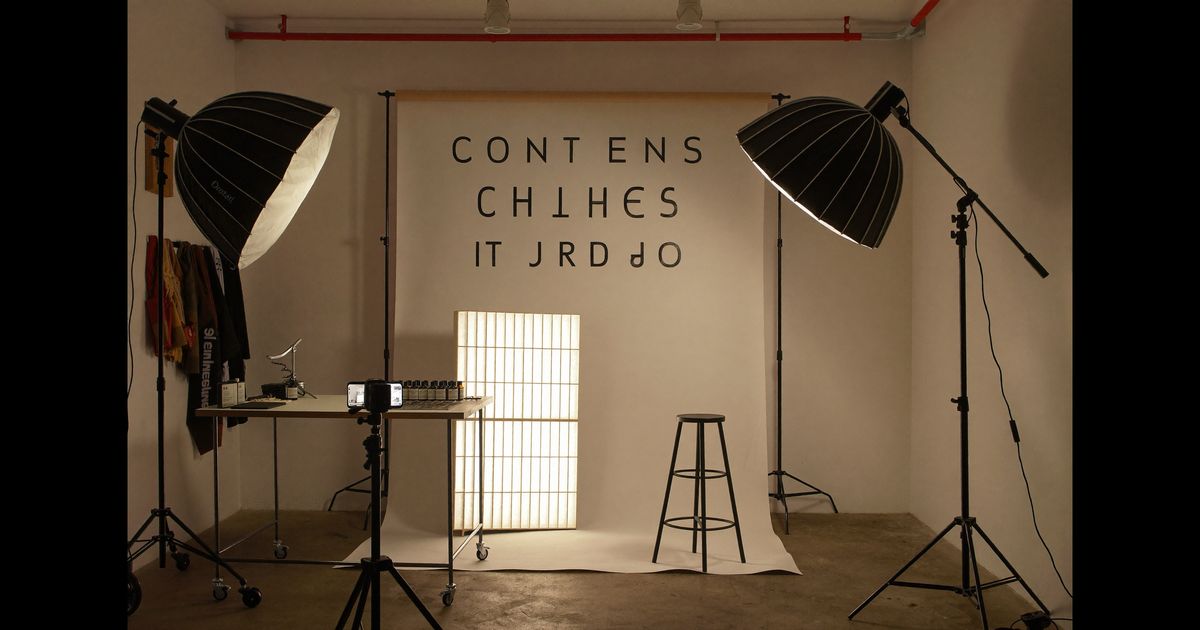
- Lighting: Natural window light or a single softbox at 45° gives a completion-rate lift of ~9% over harsh ring-light-only setups in EdTech ads, because ring light reads as "influencer ad" rather than "fellow learner." Use ring lights only if the creator is demonstrating a digital screen (reduces glare).
- Background: A desk with a laptop open, a notebook visible, or a bookshelf scores better on brand-safety reviews and also performs better creatively. In testing across five EdTech clients in 2024, desk-environment backgrounds outperformed plain-wall backgrounds by 14% on 3-second video views.
- Language mix: Hinglish (Hindi + English) outperforms pure English in Hindi-belt markets (UP, MP, Rajasthan, Bihar) by 22–31% on CTR for EdTech. Pure regional language (Tamil, Telugu, Kannada) outperforms Hinglish in Tamil Nadu and Andhra Pradesh by 17–24%. Brands that produce only English-language Stories UGC are leaving significant reach efficiency on the table in Tier-2 markets like Jaipur, Lucknow, Coimbatore, and Vizag.
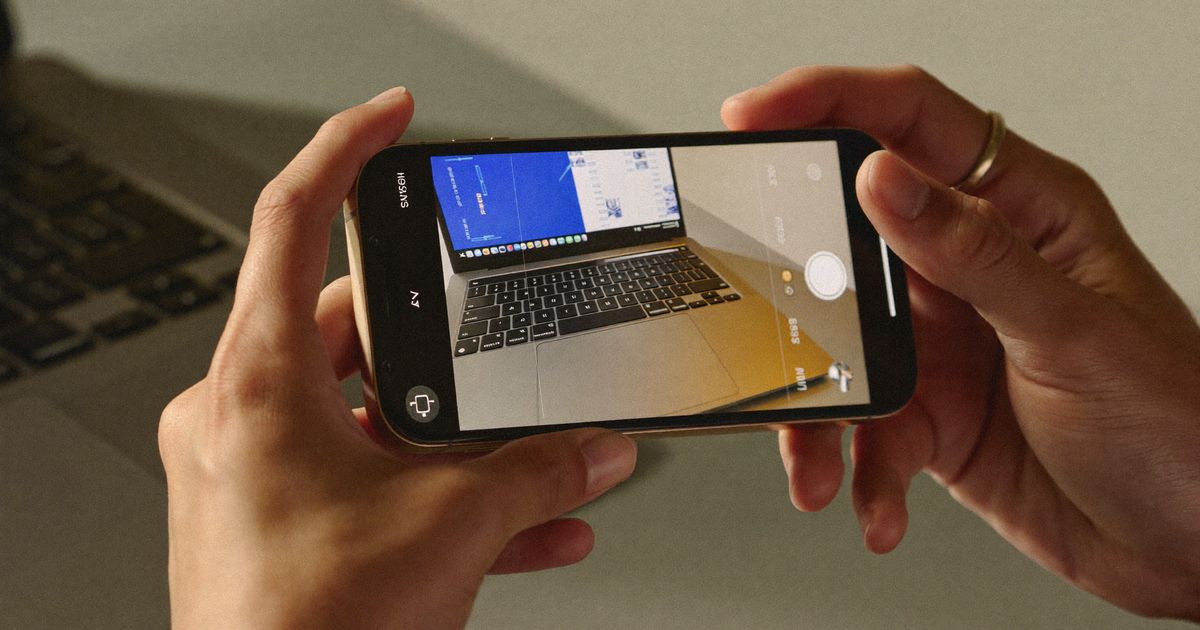
- Phone model: iPhone 13 or later, or Samsung Galaxy S23+ produce footage that is natively 4K and does not require post-sharpening for Stories compression. Budget creators shooting on phones below ₹20,000 should use 1080p at 60fps rather than attempting 4K, which Meta's compression algorithm handles poorly on lower-bitrate source files.
ASCI Rules That Directly Affect EdTech UGC in India
The Advertising Standards Council of India's 2023 EdTech-specific guidelines (updated in response to ASCI's broader influencer and education sector scrutiny) create concrete constraints for UGC creators promoting courses and platforms. Violations in Stories ads are increasingly flagged during Meta's ad review, we have seen multiple EdTech campaigns paused for ASCI-adjacent policy breaches even before a formal ASCI complaint is filed.
- Salary claims require substantiation: A creator cannot say "Maine course ke baad ₹18 LPA ki job payi" without the brand being able to substantiate that this is a typical or achievable outcome. If the claim is exceptional, the ad must include a disclosure. The safe briefing approach: use phrases like "meri salary mein improvement aayi" rather than specific figures, unless the brand has documented evidence and legal sign-off.
- Placement guarantees are prohibited: Any Stories UGC that implies the platform "guarantees" placement or a job is an ASCI violation. Creators must be explicitly briefed on this, the word "guaranteed" cannot appear in any form.
- Disclosure of paid partnership: ASCI's 2021 influencer guidelines require "#Ad" or "#Sponsored" to be visible in the first frame of any paid Stories content. The disclosure must not be hidden behind other text overlays or placed at the bottom of the frame where the swipe-up gesture obscures it.
- Free trial to paid conversion language: Ads promoting free trials that lead to auto-renewal must disclose the renewal terms. This is particularly relevant for EdTech subscription platforms (Coursera India, Unacademy subscription tiers, etc.) where the UGC creator is promoting a "free" entry point.
A single ASCI-flagged ad pausing a campaign mid-flight costs more in lost momentum than the legal review costs upfront. We route all EdTech scripts through a 10-minute compliance check before shoot day.
Repurposing Stories UGC Across Platforms Without Reshooting
A 9:16 Stories video shot once can be deployed across Instagram Stories, Instagram Reels (with minor edits), YouTube Shorts, and Moj or Josh (for Tier-2 Hindi audiences) with only caption and CTA changes. The repurposing efficiency benchmark across these placements looks like this for EdTech in India:
- Instagram Stories (paid): Primary placement; highest click intent. CPL typically ₹180–₹420 for EdTech lead-gen campaigns in India depending on course price point.
- Instagram Reels (organic): The same footage with a trending audio track added and the CTA swapped to "link in bio" generates brand awareness at zero media spend. Average reach per Reel for EdTech creator accounts with 5,000–20,000 followers: 8,000–25,000 in the first 48 hours if posted between 7–9 PM IST (peak EdTech content consumption window per Meta Audience Insights, India).
- YouTube Shorts: Completion rates for 18–22 second EdTech Shorts in India average 58–67% when the hook references a specific exam or career path (UPSC, CAT, Data Science, AWS certification). Generic "learn anything" hooks average 29–38%.
- Moj / Josh: Hindi-language EdTech UGC on Moj gets disproportionate organic reach in Tier-2/cities across India. These platforms do not support direct link CTAs within videos, so the creator must verbally direct viewers to the bio link or WhatsApp number. Conversion tracking requires UTM parameters and a landing page that captures source correctly.
A Practical Measurement Framework: What to Track After Publishing
EdTech Stories UGC should be evaluated on a 72-hour post-launch window before making creative decisions. Meta's delivery algorithm needs at least 50 impressions to exit the learning phase for Stories placements; pulling or pausing creative before that point distorts performance data. The metrics that matter, with Indian EdTech benchmarks:
- 3-second video view rate: Target above 45%. Below 35% means the hook is failing regardless of what follows.
- Completion rate (full video watched): Target 55–65% for 18–22 sec videos. Below 50% indicates a structural problem in the middle section (the mechanism segment is typically where drop-off spikes).
- Link tap rate: Target 2.5–3.5%. Below 1.5% usually means the CTA is not visible, not specific, or asks for too much commitment too early (e.g., "Enroll Now" on a cold audience vs. "See free demo").
- Cost per lead (CPL): For EdTech courses priced ₹5,000–₹30,000, a CPL of ₹200–₹500 on Stories is efficient. Above ₹700 CPL signals creative exhaustion or audience overlap, time to rotate the creator or the hook.
- Frequency before fatigue: Stories creative fatigues faster than Feed because the format is consumed 3–5x per day per user. Rotate creative at frequency 2.5–3.0 (not 4.0 as with Feed ads) to protect CPL.
If you are working on an EdTech campaign and want a production brief that bakes these benchmarks in from the start, including creator sourcing, script review, and compliance checks, the process we use at The UGC Agency is available as a standalone engagement. See our work to understand what a full EdTech UGC production cycle looks like before reaching out.