Pull up any Indian brand's Instagram, Mamaearth, The Whole Truth, Wakefit, and you will find their best-performing content is not a polished studio shoot. It is a 15-second vertical clip that looks like it was filmed in someone's bedroom. That clip format has a name: Stories-style UGC. And if you are a creator who has never made one before, the good news is that the production bar is lower than you think, but the execution bar is higher than it looks.
This article walks you through everything from phone setup to the final export, no assumed knowledge, no professional gear required. By the end you will know exactly how to shoot a Stories-style clip that an e-commerce brand in India can actually run as a paid or organic asset.
What "Stories-Style" Actually Means
The term comes from Instagram Stories and Facebook Stories, both still very much alive and heavily used by Indian brands for retargeting and awareness campaigns. A Stories-style video has a few defining traits:
- Vertical 9:16 frame. Shot to fill a phone screen with no black bars. If you shoot horizontal and crop, you lose half the frame and it shows.
- Short runtime. 15–30 seconds is the sweet spot. Anything beyond 45 seconds will be cut by the brand at the brief stage.
- Creator-to-camera address. You are talking directly to the viewer, not narrating over b-roll. This is the "UGC" part, it should feel like a recommendation from a real person, not a voice-over.
- Minimal production signals. No branded lower-thirds, no studio backdrops, no ring-light halos visible in the eye. The moment it looks like an ad, the format breaks.
Instagram Reels and YouTube Shorts also accept 9:16 content, but the specific pacing of Stories-style UGC, quick hook, brief demonstration, clear payoff, is what brands buy it for, regardless of where it ends up running.
Phone Settings Before You Press Record
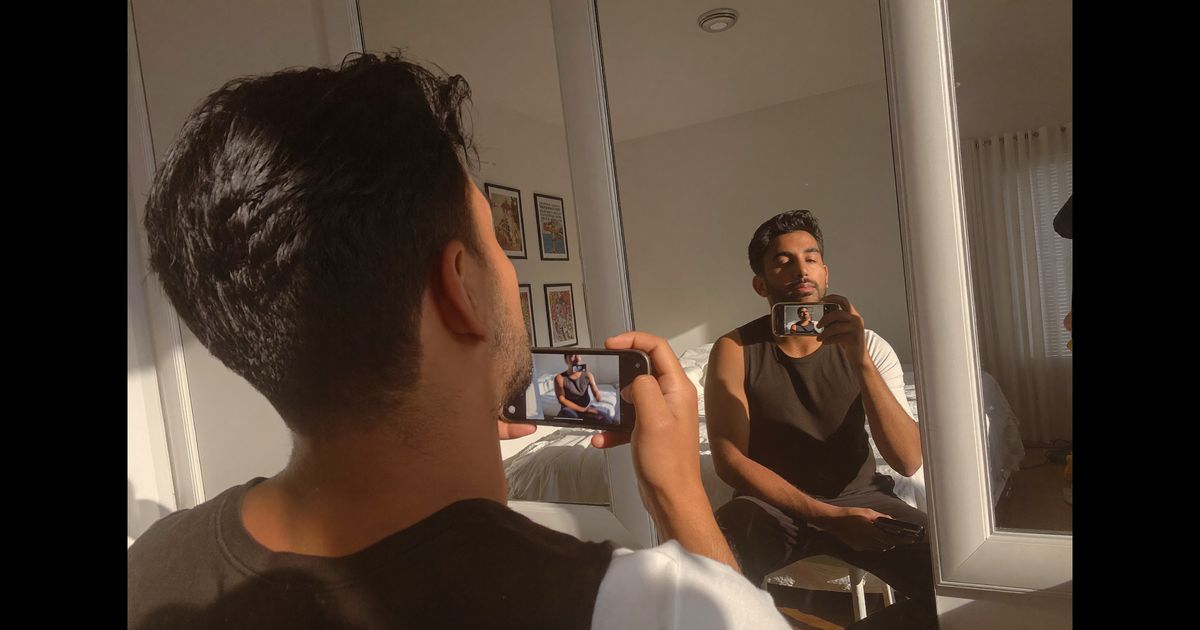
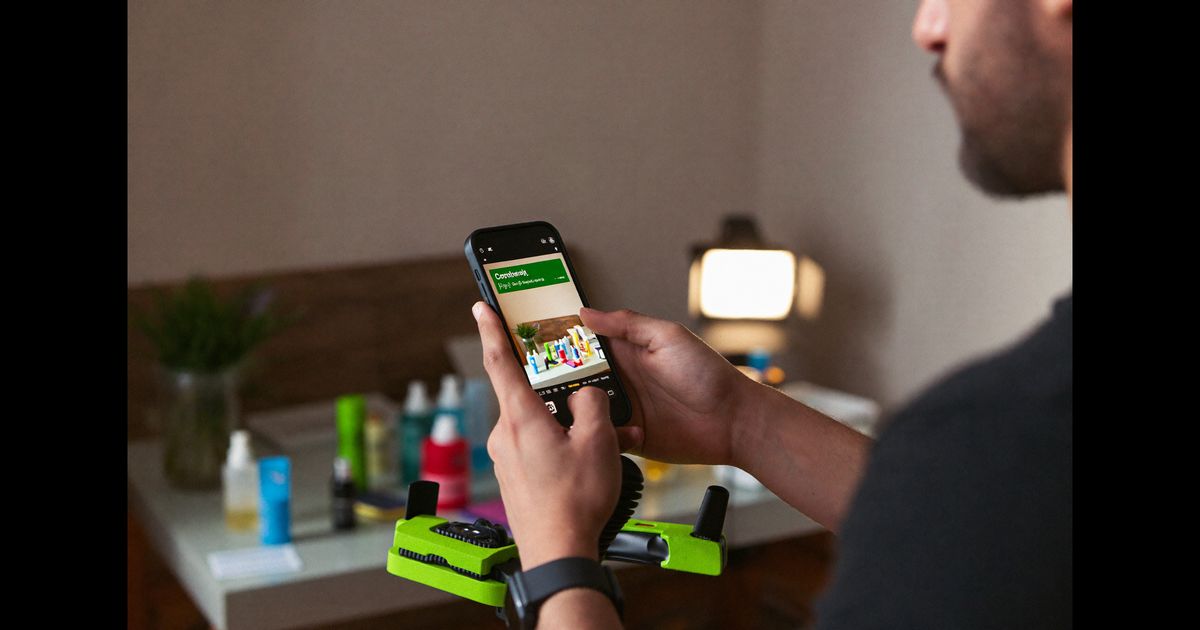
You do not need an iPhone 15 or a Samsung S24. A mid-range phone from 2022 onwards, Redmi Note 12, Realme 10 Pro, even a Moto G84, will produce footage that clears the quality bar for Meta ads. What matters is how you configure it.
- Resolution and frame rate: Set your camera app to 1080p at 30fps. 4K is unnecessary and creates large files; 60fps can look unnaturally smooth for a casual UGC style. 1080p/30 is the industry standard for social ad delivery in India.
- Orientation lock: Enable portrait orientation lock on your phone before shooting so the frame does not rotate if your wrist tilts.
- Grid lines: Turn on the camera grid. The rule of thirds is useful here, placing your face slightly above centre rather than dead-centre makes the frame look considered, not accidental.
- Clean the lens: Sounds obvious, but finger smudge is the single most common reason creators in our roster re-shoot. Wipe the rear lens with a soft cloth before every shoot.
- Storage check: Free at least 2GB before you start. Running out of space mid-take is a frustrating, avoidable problem.
Finding the Right Shooting Environment
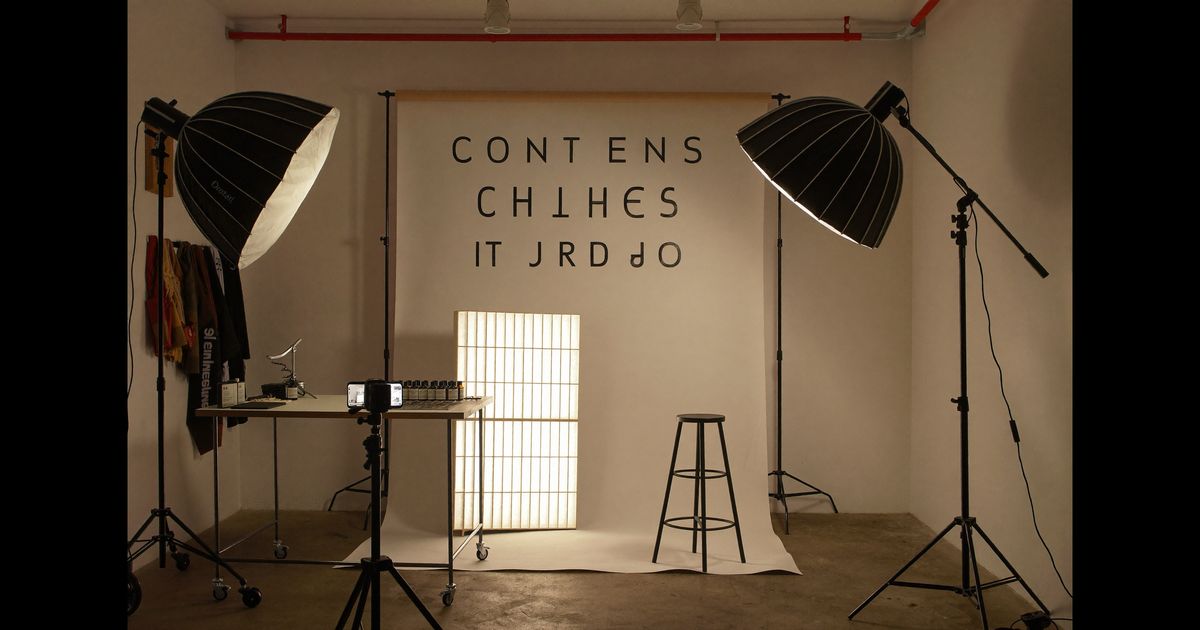
Location and lighting account for roughly 60 percent of the perceived quality of a UGC video. You do not need professional lighting equipment. You need a window.
Natural light from a window, ideally north-facing or diffused through a net curtain, is flattering, even, and free. Position yourself facing the window, not with it behind you. A room in a Chennai apartment at 9am with good natural light will outperform a dark studio with a cheap ring light every time.
For background, think "plausible everyday space." A kitchen counter, a study desk, a tidy living room corner. The background should be consistent with the product. If you are reviewing a skincare serum, a bathroom or bedroom shelf full of bottles reads as authentic. If you are reviewing a protein supplement, a gym bag in the background reinforces the context. Avoid blank white walls, they look like a makeshift studio and break the UGC illusion.
One environment to avoid: outdoors with moving traffic, construction sounds, or wind. Indian urban environments are noisy. Uncontrolled audio, auto horns, barking, AC units, is the fastest way to get your clip rejected or buried in the brand's editing queue.
The Three-Part Script Structure That Works
Stories-style UGC is not improvised, even when it looks like it is. Every clip that performs well follows a basic structure. We brief creators to internalise this rather than read from a script, because reading creates a stilted delivery that viewers sense immediately.
- Hook (0–5 seconds): Start with a statement that assumes the viewer already has the problem. "Acne scars from last monsoon, still sitting there." "My hair was breaking off every time I combed it." Do not start with the brand name or "Hi everyone." The hook is about the viewer's problem, not your introduction.
- Body (5–20 seconds): Show and tell. Hold the product clearly in frame. Demonstrate one specific thing, the texture, the smell-reaction on your face, the before-and-after skin touch. Use natural language: "It does not feel greasy at all" lands better than "the non-greasy formula." One feature or benefit only. Trying to cover three things in 20 seconds produces rushed speech and a cluttered frame.
- Payoff (last 5–10 seconds): A clear recommendation or call to action. "If you have been putting off trying this, don't." Or simply a genuine expression of outcome: "I have been using it for three weeks and my skin texture has actually changed." The brand will often overlay a CTA button on this section, so you do not need to say "link in bio" or read a URL.
On language: many Indian D2C brands, especially in beauty, food, and apparel, actively request Hinglish delivery. A mix of Hindi and English ("yaar, iska texture bohot light hai but results are solid") reads as more credible to audiences in Tier 1 and Tier cities across India than either formal Hindi or neutral English alone. When a brand brief specifies a language, follow it exactly. When it is open, match the language to the audience geography stated in the brief.
ASCI Rules You Need to Know Before Filming
The Advertising Standards Council of India (ASCI) has specific guidelines for influencer and creator content, and Indian brands running paid UGC ads are bound by them. As a creator, understanding these protects you from having your clip rejected late in the pipeline.
- No exaggerated claims. Do not say a product "completely removed" your acne, "guaranteed results," or "works for everyone." Words like "completely," "permanently," and "guaranteed" flag immediately with compliance teams. Say what you genuinely experienced: "I noticed a visible difference within three weeks."
- No comparison without evidence. Do not say a brand's supplement is "better than Ensure" or a skincare product is "stronger than Clinique." Comparative claims require substantiated data and the brand's legal clearance.
- Disclose if it is paid. ASCI mandates that paid partnerships be disclosed. The brand handles this on their end for paid ads, but if you post the same clip organically, you must use #ad or #sponsored. Not disclosing is a personal liability, not just the brand's.
- No before-and-after for health claims without fine print. If you are filming a weight-loss product, skin-lightening product, or any health supplement and you show a before-and-after visual, the brand's compliance team will need to clear it. This is a common reason UGC clips go into extended review before publication.
A Simple Edit Workflow for Beginners
Most brands accept raw footage for their internal editing. But submitting a lightly edited clip shows professionalism and often gets you repeat briefs. Here is a workflow that takes under 20 minutes using free tools available in India.
- CapCut (free on Android and iOS): The most widely used mobile editor for UGC in the Indian creator market. Trim your clip, remove silences at the start and end, adjust brightness and contrast slightly if your environment was dim. Do not add CapCut's auto-generated templates or stickers, the brand will strip them anyway.
- Audio check: Play your final clip through earphones. Listen for background hum, echo, or plosives ("p" and "b" sounds that pop). If the audio sounds hollow, re-record in a smaller room or hang a blanket behind your phone to dampen the echo.
- Export settings: Export at 1080p. MP4 format. Do not export with a watermark. CapCut's free version adds a watermark on some templates, film without a template, or use the "no watermark" export option.
- File naming: Name your file as the brand specifies. If no instruction is given, use: BrandName_CreatorName_Date.mp4. This seems minor but matters when a brand is processing 30 deliverables from different creators simultaneously.
The biggest production mistake first-time UGC creators make is filming too many takes and submitting the "safest" one. The safest take is usually the most rehearsed-sounding one. Film 3–4 takes, watch them back, and submit the one where your energy is most natural, even if your phrasing is slightly imperfect.
What Brands Pay for in India (and What Gets Clips Rejected)
Understanding what brands are actually buying helps you frame your filming decisions correctly. For a single Stories-style UGC clip delivered to an Indian D2C brand, skincare, food and beverage, home products, creator fees typically range from Rs.1,500 to Rs.8,000 per deliverable depending on creator tier and whether usage rights are included. Brands paying at the higher end are usually buying perpetual ad usage rights, which means the clip may run in paid Meta campaigns for 12–18 months.
The most common rejection reasons, in our experience working with brands across Bengaluru, Mumbai, and Delhi:
- Shaky handheld footage without a tripod or stabiliser (a Rs.300 phone stand from Amazon solves this)
- Background noise that distracts from speech
- Visible ring-light reflection in the creator's glasses or eyes
- Branded product label facing away from camera during the demonstration
- A delivery style that sounds scripted, monotone pace, eyes moving off-camera to read notes
None of these require expensive gear to fix. They require awareness and one additional take.
If you want to build a sustainable income as a UGC creator, rather than chasing one-off brand deals, the fastest path is to develop a consistent filming setup and a reliable turnaround. Brands shortlist creators who deliver clean files, on brief, within the deadline. The video quality, within reason, is secondary to reliability.
If your brand is looking to source, brief, and scale Stories-style UGC from vetted Indian creators, take a look at our recent brand work to see what this looks like in practice, or book a free consultation to discuss a brief.