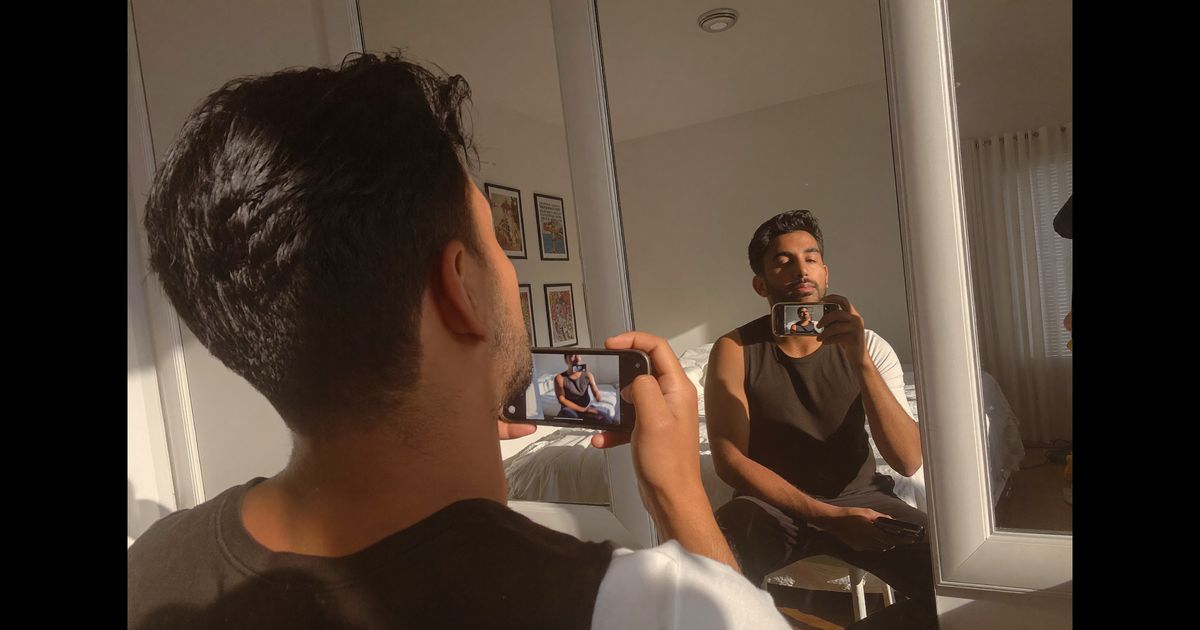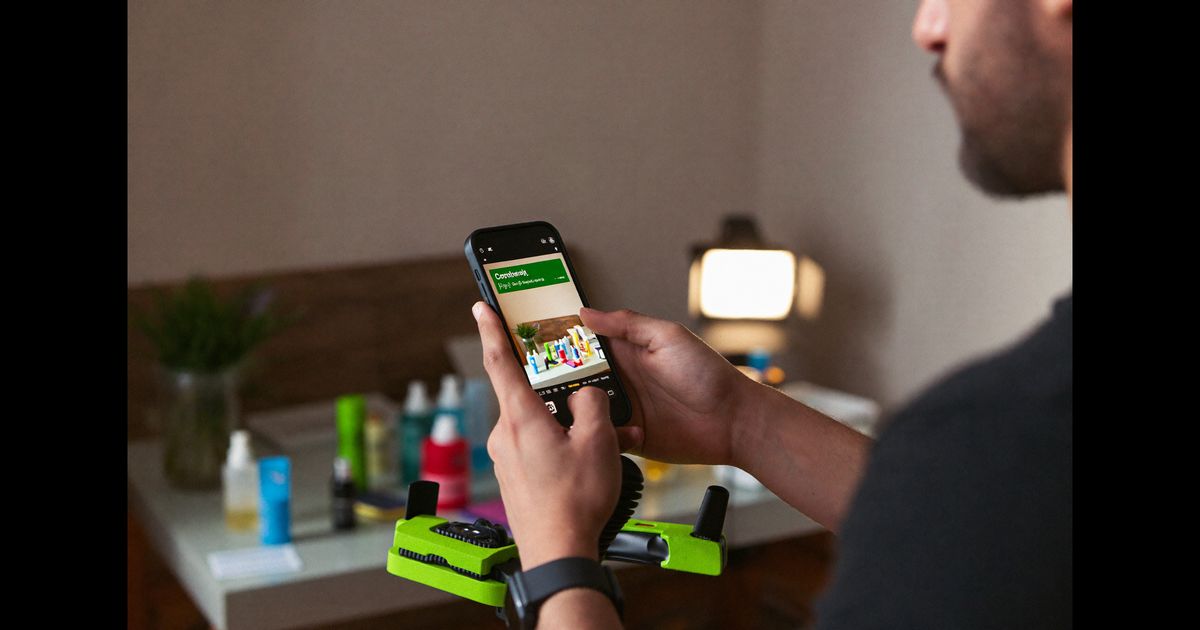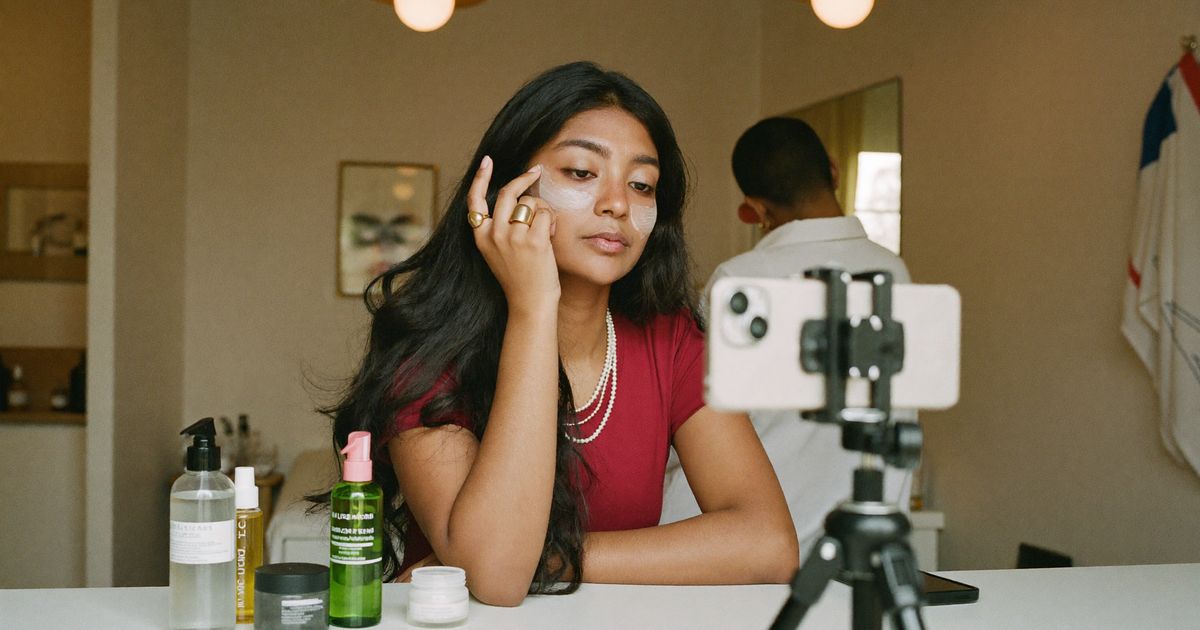
Pick up your phone right now and open Instagram. Scroll past the feed for thirty seconds and count how many beauty videos stop you. Chances are, it is not a polished ad with professional lighting, it is someone in their bathroom, face half-done, talking directly at you like a friend sharing a shortcut. That format is called Stories-style UGC, and for beauty brands selling everything from kumkumadi face oils to SPF tints in India, it has become one of the most reliable ways to turn a viewer into a buyer.
This guide is written for creators who are just starting out, people who have never been briefed by a brand, do not own a ring light, and are not sure what a "hook" even means in the context of a vertical video. By the end, you will know exactly how to plan, shoot, and deliver a Stories-style beauty video that a brand will actually want to use in their ads or organic content.
What "Stories-Style" Actually Means
The term comes from Instagram and Facebook Stories, the 9:16 vertical format that plays full-screen. Even though Stories themselves disappear after 24 hours, the aesthetic they popularised, raw, fast-cut, conversational, shot on a phone, has crossed over into Reels, YouTube Shorts, and Meta ad creatives. When a beauty brand asks for "Stories-style UGC," they mean:
- Vertical framing (9:16): Your phone held upright, filling the entire screen. No black bars on the sides.
- Creator-as-narrator: You speak directly to the camera, as though texting a recommendation to a friend, not a rehearsed voiceover.
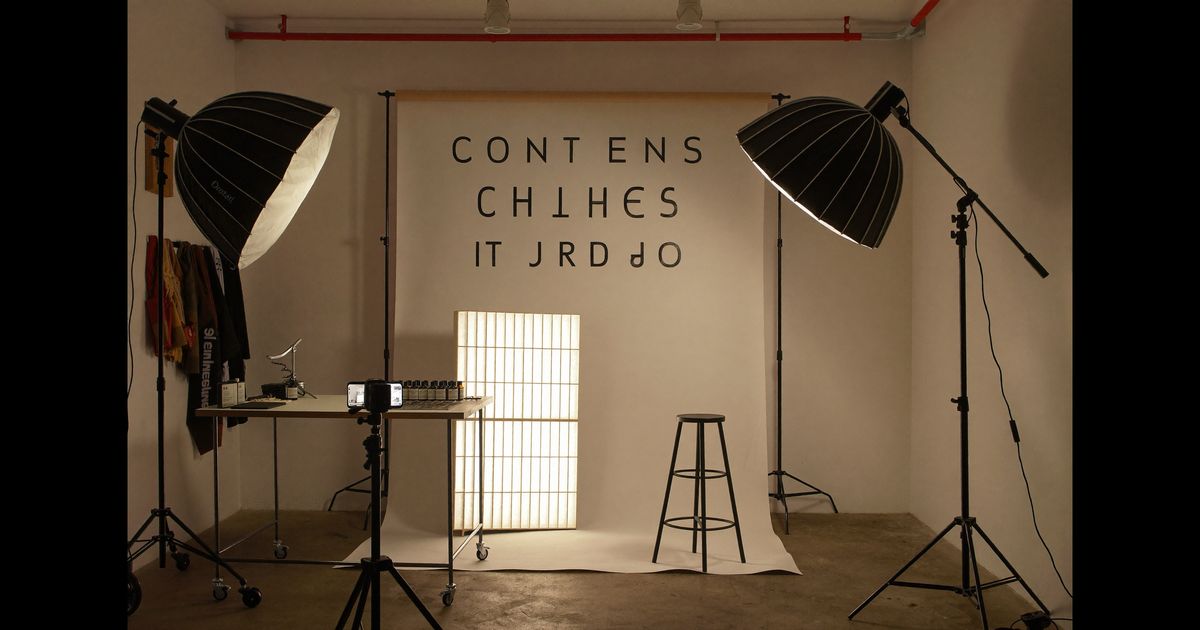
- No studio feel: Natural daylight, a real bathroom or bedroom background, visible clutter is fine. Heavy studio lighting or a plain backdrop immediately signals "ad" and kills the effect.
- Short duration: Most deliverables land between 15 and 45 seconds. You are not making a tutorial; you are making a moment.
Understanding this upfront saves you from the most common beginner mistake: over-producing. The goal is believable, not beautiful.
Setting Up Your Shoot (No Equipment Needed)
You do not need to buy anything. Here is what actually matters before you press record:
- Light source, always in front of you: Face a window. If the window is behind you, your face is in shadow and the video is unusable. Morning light between 7 am and 10 am near any east-facing window in Bengaluru, Mumbai, or Kolkata is clean and flattering. Cloudy days are actually ideal, the light is diffused and even.
- Background, one wall, not a mess: A plain wall, a tiled bathroom, a wooden shelf with a few skincare products arranged loosely. This reads as "real life." Avoid busy printed curtains or piles of laundry, they pull focus.
- Phone position, eye level or slightly above: Prop your phone against a stack of books or a water bottle. The camera should point very slightly downward at your face. Shooting from below your chin is unflattering and looks amateur.
- Sound, close and quiet: Shoot in a closed room with the fan off. Road noise, cooler hum, or echoing corridors will get your video rejected. If you are near a busy street in Delhi or Chennai, record between 6 and 8 am before traffic builds.
- Rear camera vs. selfie camera: The rear camera gives noticeably better quality. Use a timer or ask someone to tap the record button. If you must use the selfie camera, keep the phone at arm's length to reduce distortion.
The Three-Part Structure Every Beauty UGC Video Needs
Brands run these videos as paid ads on Instagram and Facebook. Meta's algorithm decides in the first two seconds whether to keep showing the video to new people, so your structure has to earn attention immediately.
- The hook (0–3 seconds): State a problem or make a specific claim. Not "I love this serum", that is generic. Try: "My skin was looking dull and patchy all through summer, and I figured out why." Or hold up the product right at frame and say: "This Rs. 599 gel has replaced three products I was buying separately." Specificity is the hook. The viewer needs to think, that is about me, within three seconds.
- The demonstration (3–30 seconds): Show, don't just tell. Apply the product on camera, show the texture on your fingertip, the way it sinks into skin, the finish after two minutes. For a lip product, get close to the camera for a before-and-after. For a sunscreen, show the white-cast test (or lack of one, a massive purchase driver in the Indian market). Real application footage is what makes Stories-style UGC trustworthy.
- The close (last 5–8 seconds): A genuine one-line takeaway: "I've been using this for three weeks and the texture difference is visible." Or a direct nudge: "Link's in the bio, I'd pick the 50ml if you're buying for the first time." You do not need a hard sell. Conversational is better.
We brief creators to imagine they are sending a voice note to a friend who just asked, "Is that product actually worth buying?" That mental model, not "making an ad", produces the tone that converts.
ASCI Rules You Must Know Before You Post
India's Advertising Standards Council of India (ASCI) guidelines cover influencer-created content, and they apply even if you are a micro-creator with 3,000 followers. Brands running your video in paid ads are responsible for compliance, but understanding the rules protects you too.
- Disclose paid partnerships clearly: If a brand paid you or gifted the product, the video must say so, a visible label like "Ad," "Paid Partnership," or "Sponsored" at the beginning of the video, not buried in a caption. On Instagram, use the paid partnership tag. On Facebook, the same. ASCI specifically requires the disclosure to be in the same language as the content, if you are speaking in Tamil or Bengali, the label should be in the same language or in English, not hidden in fine print.
- No false before-and-after claims: Showing skin transformation results that suggest permanent or medically significant outcomes (e.g., "cured my acne permanently") is non-compliant. Stick to observable, honest results you actually experienced over a realistic time frame.
- No endorsing products you haven't used: Under ASCI's influencer guidelines updated in 2023, creators must have genuinely used the product. Keep your brief and the product with you, brands may be asked to provide proof of this to ASCI.
For beauty specifically, claims around fairness, anti-ageing, or hair regrowth are under heightened scrutiny. Describe what you saw, "my skin looked brighter to me", rather than making clinical claims.
Language and Localisation, Your Biggest Advantage as an Indian Creator
One thing global UGC guides never tell you: in India, the language you film in is a targeting asset. A brand selling a hair oil in Tamil Nadu will get better returns from a creator filming in Tamil than from a Hindi-only creator, because Meta allows them to target Tamil-speaking audiences with that specific video. If you speak Marathi, Kannada, Telugu, or Bengali natively, say so clearly in your creator profile and pitch, it makes you more valuable, not less.
Even if you film primarily in Hindi or English, small localisation choices matter:
- Mention local weather context: "Delhi summers are brutal on skin" or "Mumbai humidity wrecked my base makeup", these land harder than generic season references.
- Reference locally familiar price anchors: comparing a product to what you would spend at a kirana beauty counter or a Nykaa haul makes the value proposition real.
- Use Hinglish naturally if that is how you actually speak. Forced formal Hindi or stiff English both read as unnatural on camera. Authenticity comes from your actual register, not a performed one.
Delivering Your Video to the Brand
First-time creators often stumble not on the filming but on the handoff. Brands running paid campaigns need files in specific formats, and getting this wrong causes delays.
- Export at full resolution: Do not compress for WhatsApp before sending, WhatsApp aggressively compresses video. Share via Google Drive, WeTransfer, or the brand's preferred upload link.
- Keep the original file: Brands sometimes need you to re-edit a small section. If you only have the compressed exported version, you cannot do clean revisions.
- Safe zone awareness: When editing, keep text overlays and faces away from the top 15% and bottom 20% of the frame. Instagram and Facebook Stories UIs place buttons and captions in those zones, and they will cover your content in the ad.
- Deliver without music (or with licensed tracks only): If you add a trending Bollywood audio in the editing app, the brand cannot legally run it as a paid ad. Either deliver a clean version with no music, or use royalty-free tracks from sources like Pixabay or the Meta Sound Collection. The brand will add their own audio if needed.
- Suggested minimum deliverable: One primary cut (30–45 seconds), one short cut (15 seconds), and the raw footage if the brand requests it. This is standard for paid-ad UGC briefs at any production rate, whether you are being paid Rs. 3,000 per video as a new creator or Rs. 15,000 as you build your portfolio.
Building a Repeatable Workflow
The creators who move from one-off gigs to regular brand retainers treat each video as a system, not a performance. Before every shoot, write out your three-part structure in a single notes app line, hook sentence, what you will demonstrate, closing line. Read it once. Then put the phone down and film it naturally. The notes give you a spine; imperfection in delivery gives it authenticity.
After your first five or six videos, review them together. Look for which hook style made you most comfortable on camera, which backgrounds read cleanest, and which product types (skincare, makeup, haircare) you cover most naturally. That pattern becomes your niche, and your niche is your pitch when you approach brands directly.
If you are ready to connect with beauty brands actively looking for Stories-style UGC creators, take a look at how The UGC Agency structures its production work, it gives you a clear picture of what brands at different budget levels actually expect, and what kind of creator partnerships we build for them.