FinTech brands face a trust problem that no glossy explainer video fully solves. When someone is deciding whether to park their savings in a new digital wallet, apply for a Buy Now Pay Later plan, or move their mutual fund SIPs to a newer app, they want to hear from someone who actually did it, not a voiceover actor reading copy. Review-style UGC fills that gap precisely because it mimics the format people already use when they Google "[app name] review" before downloading.
But filming a credible review for a FinTech product is different from filming one for a skincare serum or a food brand. The stakes are higher, ASCI guidelines are stricter about financial claims, and the viewer's skepticism is sharper. Here is a step-by-step guide for creators and brand teams who want to get this right.
Understand What a FinTech Review Actually Needs to Cover
A great review-style UGC video for a FinTech brand answers the questions a first-time user genuinely has. Before you pick up your phone, list them out:
- Is it safe?, regulatory registration (RBI, SEBI, IRDAI), data security, lock-screen or biometric login
- Is onboarding fast?, KYC time, documents needed, whether Aadhaar-based eKYC works
- Are the fees transparent?, processing charges, GST, forex markup for cards, exit loads for funds
- Does it work for someone like me?, income bracket, bank compatibility, UPI handle setup
- What happens when something goes wrong?, customer support responsiveness, dispute resolution
Your script outline should move through at least three of these. A review that only covers "the interface looks clean" is not trustworthy, it reads like an ad, because it is one.
Nail the ASCI and RBI Disclosure Rules Before You Start
The Advertising Standards Council of India's influencer guidelines (updated 2023) require any creator who has received compensation, cash, free subscription, affiliate commission, to disclose it clearly at the start of the video using labels like #Ad or #Sponsored. For FinTech specifically, there are additional guardrails:
- No guaranteed return claims. Phrases like "I earned 18% fixed" or "this app guarantees X% interest" violate both ASCI rules and SEBI's advertising code for investment products. Replace with: "the advertised rate at the time of filming was X%, always read the terms."
- No fabricated account screenshots. If you show a balance or a transaction, it must be real and the brand must have pre-approved the use. Blurring partial account numbers is fine; inventing them is not.
- Add a brief disclaimer for investment-related products. Something spoken aloud, "mutual fund investments are subject to market risk, please read all scheme documents carefully", covers you and the brand, and it is mandatory for any SEBI-regulated product.
We brief creators working on FinTech campaigns to record the disclaimer in their own natural voice at the end, not read it at double speed. Viewers notice, and so does the brand's compliance team.
Set Up Your Shot for Credibility, Not Polish
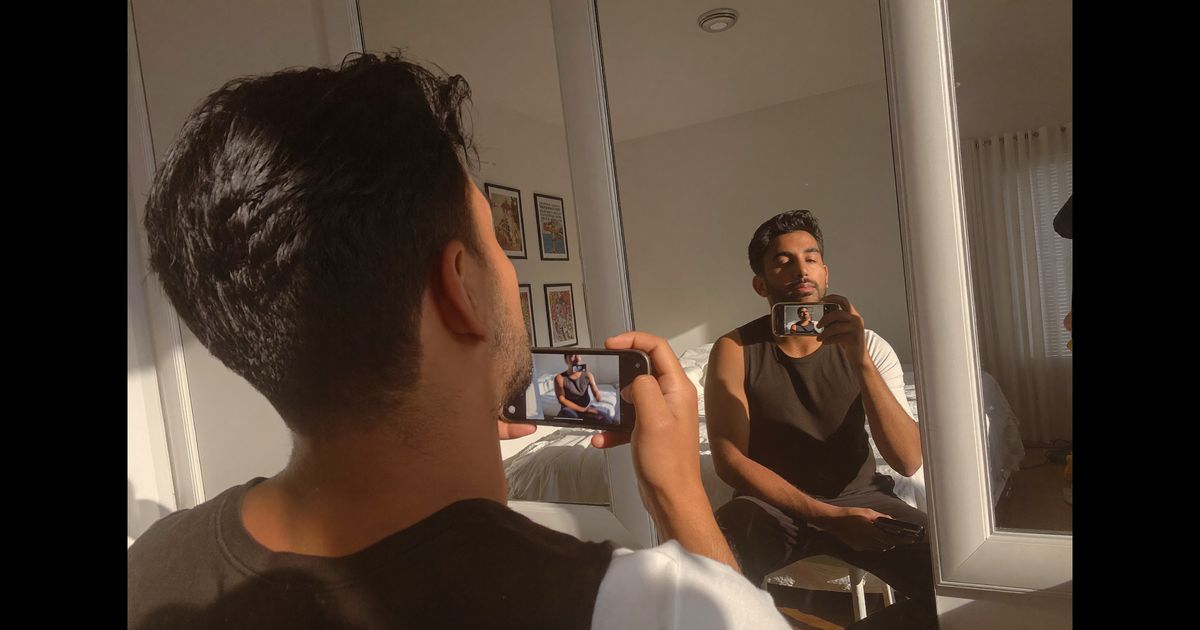
Review-style UGC works because it looks like something a real person made. That does not mean poor quality, it means deliberate authenticity. Here is the setup that works for FinTech:
- Background: A home desk or a café table in Chennai, Pune, or any tier-1 or tier-2 city reads as real. Avoid green-screen "office" backgrounds, they signal ad immediately.
- Lighting: A single ring light or a north-facing window. Natural light is fine. Avoid anything that looks like a studio shoot.
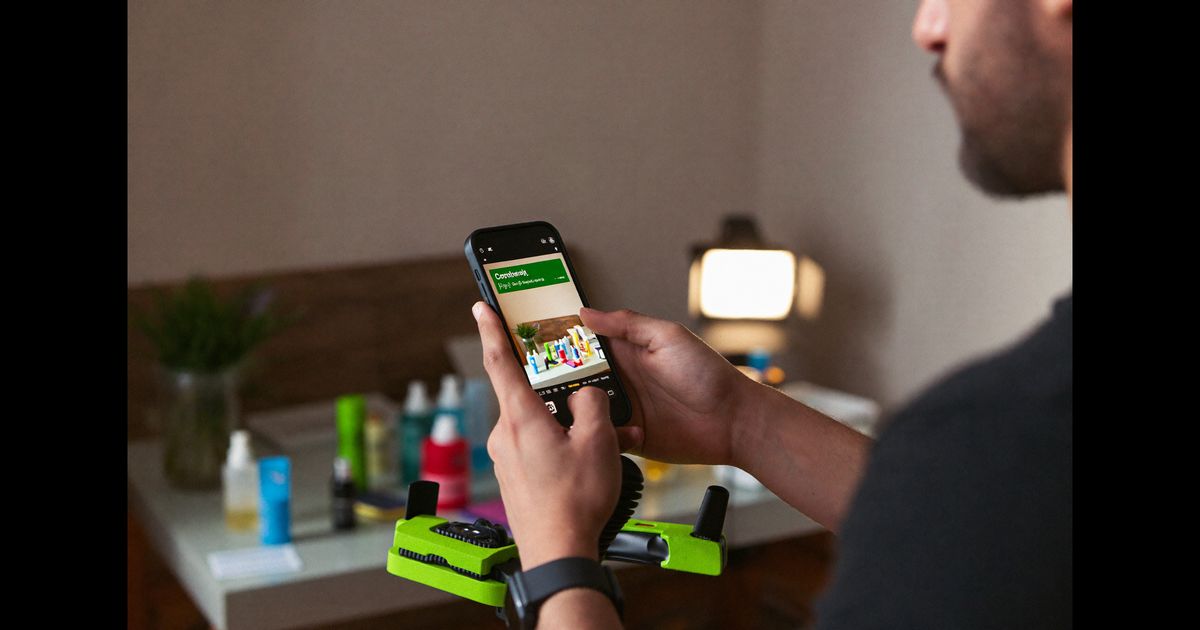
- Phone or laptop in frame: For FinTech, showing the actual app UI on screen while you narrate builds trust more than any talking-head shot alone. Use screen recording software (DU Recorder or built-in iOS/Android screen capture) and overlay it with your face in a corner pip, or cut between face-cam and screen walkthrough.
- Audio: A Rs.1,500–2,500 lapel mic (Boya BY-M1 is the standard on most UGC shoots) eliminates room noise. For FinTech where the creator is often explaining numbers, clear audio is non-negotiable.
Shoot in landscape for YouTube and OTT pre-roll; shoot in 9:16 for Instagram Reels, YouTube Shorts, and Meta in-feed placements. FinTech brands tend to run heavier on YouTube because the consideration cycle is longer, a 90-second landscape review outperforms a 30-second Reel for loan or investment products.
Structure the Script: The 4-Part Review Framework
Keep the script conversational but structured. This four-part framework fits within 60–120 seconds and covers every question a skeptical viewer needs answered:
- The problem hook (0–10 seconds): Start with the friction, not the product. "I was paying Rs.200 in forex charges every time I used my debit card abroad, so I switched to X card" is more compelling than "Today I'm reviewing X card."
- The onboarding walkthrough (10–40 seconds): Show the actual sign-up flow. KYC approval time, whether PAN linking was smooth, whether the app crashed, real details. A creator in Bengaluru mentioning that HDFC bank integration worked instantly but Kotak took two days is exactly the kind of specific that earns trust.
- The honest assessment (40–80 seconds): One or two things you genuinely like, and at least one limitation. "The cashback is real but the minimum spend threshold of Rs.3,000 per month means it's most useful if you already spend heavily on the card." Criticism increases credibility.
- The CTA + disclosure (80–120 seconds): Referral link or promo code if the brand has one, the ASCI-compliant disclosure, and the investment disclaimer if applicable. Keep this natural: "If you want to try it, the link is in the description, and yes, this is a paid review, I'll get a small commission if you sign up."
The single biggest mistake in FinTech UGC is scripting away all the hesitation. Real users hesitate. A creator who says "I was a bit nervous about linking my bank account at first, but here's what made me comfortable" converts far better than one who sounds like a brand ambassador from frame one.
Languages and Regional Targeting
Hindi-language review UGC dominates paid FinTech campaigns on Meta and YouTube in north India, but the category has significant opportunity in regional languages. A Tamil-language review of a credit-line app running in Chennai will outperform a Hindi-dubbed version on both click-through rate and cost per lead, language signals that the creator is actually in the same market as the viewer.
For a pan-India FinTech brand, we recommend producing the same review script in at least three language variants: Hindi, Tamil or Telugu, and one of Bengali or Marathi depending on the product's geographic focus. The marginal production cost is low, the same creator can record in their native language, but the performance delta is significant, especially at the ad set level where you can match language to audience location.
Creators who mix English and their regional language (Hinglish, Tanglish) often outperform pure-language versions because it mirrors how urban Indian users actually speak about financial products in daily life.
Formats That Work on Each Platform
Not every review format fits every distribution channel. Here is what performs across the platforms where FinTech brands actually run UGC:
- Instagram Reels (15–45 sec): Best for top-of-funnel awareness. Use the problem hook only, end with a "full review in bio link" prompt. Focus on one specific feature, a zero-forex card, a 5-minute loan disbursal, a cashback offer.
- YouTube Shorts and long-form: Long-form reviews (3–8 minutes) perform well for investment apps (Zerodha, Groww, INDmoney competitors) where the decision cycle is longer. Shorts work for remittance and UPI-adjacent apps.
- Meta Feed and In-Stream Ads: 30–60 second versions with the first 3 seconds showing the problem. No intros. The brand can run these as dark posts, creator-style creative served as an ad without appearing on the creator's profile, which is common for FinTech brands that need compliance approval on every post before it goes live.
- WhatsApp Status repurposing: Some FinTech brands (particularly BNPL and P2P lending apps) distribute short creator clips via WhatsApp Business broadcast lists to their existing user base. Keep these under 30 seconds with subtitles on since most Status views are silent.
What Brands Should Provide to Creators
The quality of a FinTech UGC review is directly tied to how well the brand briefs the creator. A bare-bones "here's the app, film a review" brief produces generic, untrustworthy content. A good brief includes:
- A test account or funded account with real transactions visible (with written permission to show it on camera)
- A one-page fact sheet: current interest rates, fee structure, RBI/SEBI registration number, active offers
- The approved disclaimer text for investment products
- A list of claims the creator must not make (guaranteed returns, comparisons with named competitors, specific future projections)
- The turnaround time for compliance review before the creator can publish
FinTech compliance reviews can take 3–7 business days. Build this into your production timeline, a creator who films on Day 1 should not expect to publish before Day 8 at the earliest. Missing this step and publishing without approval is the fastest way to get both the creator and the brand flagged by ASCI.
If your brand is planning a FinTech UGC campaign and needs creators who are already briefed on compliance requirements and ASCI disclosure rules, book a consultation with The UGC Agency, we manage the brief, the shoot, and the compliance review so your team does not have to rebuild that process from scratch every time.