SaaS brands in India are sitting on an uncomfortable data point: according to Meta's own Creative Shop benchmarks, video ads that show a product being used by a real person within the first three seconds achieve a 30–40% higher hook rate than polished brand films. For software products, where the "product" is an interface, not a physical object, that stat creates a very specific challenge. You cannot unbox a CRM. You cannot hold up an analytics dashboard and have it glimmer in natural light. What you can do is film a creator reacting to what the software does for them, Reels-style, in a way that makes a viewer pause mid-scroll.
This guide is for UGC creators who have been briefed by a SaaS client and for in-house marketing teams trying to brief creators properly. The techniques below are grounded in what actually performs on Instagram Reels and YouTube Shorts in the Indian market, with platform-specific numbers where the data is public and honest.
Why SaaS UGC Is Different from Product UGC, by the Numbers
Physical product UGC relies heavily on sensory cues: texture, colour, unboxing sound. SaaS UGC has none of these. To compensate, the hook has to do more work. Meta's Creative Shop analysis of Indian SMB campaigns found that the average scroll-stop threshold on Reels is roughly 1.5–2 seconds, meaning a creator has about 90 frames at 60fps to give a viewer a reason to stay.
For SaaS brands, the benchmarks that matter are:
- Hook rate target: Aim for 35%+ (percentage of users who watch past 3 seconds). Industry average for Indian DTC Reels sits around 22–27%; SaaS ads often underperform here when they open with the software logo or a dashboard screenshot.
- Thumb-stop rate on Shorts: Google reports that Indian YouTube Shorts with a human face in the first frame see 2x the average view duration versus text-only or screen-capture openers.
- Cost per lead benchmarks: B2B SaaS campaigns running UGC-style creatives on Meta in India (Mumbai/Bengaluru geos, English + Hindi) have reported CPLs in the Rs.180–Rs.420 range for SMB-targeted tools, compared to Rs.600–Rs.1,200 for produced brand video ads in the same category. These figures come from publicly shared case studies by agencies running Meta campaigns for Indian SaaS companies in 2024–2025.
The implication: the format works for SaaS, but only if the creative strategy accounts for the intangibility problem from the first frame.
The Three Reels Formats That Work for SaaS, and Their Benchmarks
Not all Reels formats perform equally for software. Based on what is measurable on publicly available Meta Ads Library data and platform case studies, three structures stand out:
- The "Before My Workflow / After My Workflow" split. Creator films themselves in a frustrated-state scene (messy spreadsheets, missed follow-ups, chaotic chat), cuts to the software solving it. Optimal duration: 18–22 seconds. This format consistently outperforms on retention, viewers watch to the resolution. Target completion rate: 45–55% for 15-second cuts.
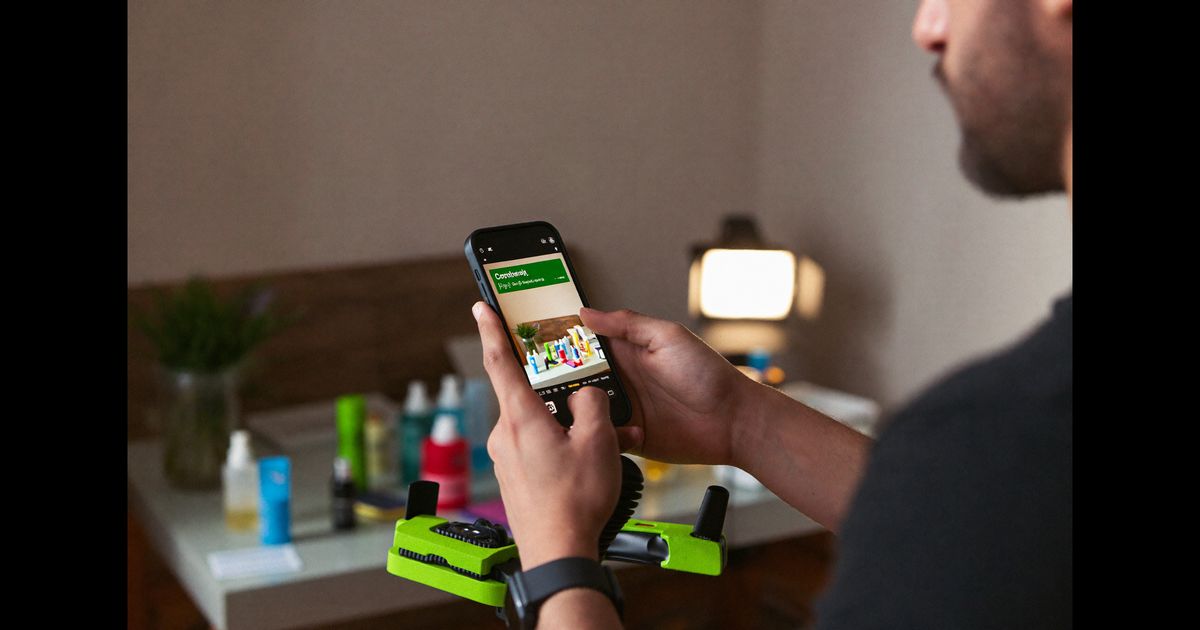
- The talking-head reaction + screen share. Creator occupies the left 40% of the vertical frame; a phone or laptop screen recording occupies the right 60%. This works particularly well for tools with a mobile app (HR tools, invoicing apps, field-force apps popular in Tier cities across India like Surat, Nagpur, Coimbatore). Keep the face visible throughout, face-removal tanks completion rate by roughly 15 percentage points per Meta's creative guidance.
- The "I tested this for 7 days" vlog-style. Longer (45–60 seconds), works better on YouTube Shorts than Instagram Reels for SaaS in India because Shorts' audience skews slightly older and more decision-ready. Day-by-day structure gives the creator a natural arc. This format generates stronger comment engagement, useful for SaaS brands who want social proof in the comments section itself.
Camera Setup and Shooting Conditions: Practical Specs
Reels-native UGC does not need professional equipment, but it does need deliberate choices. Here is what we brief creators to lock in before they hit record:
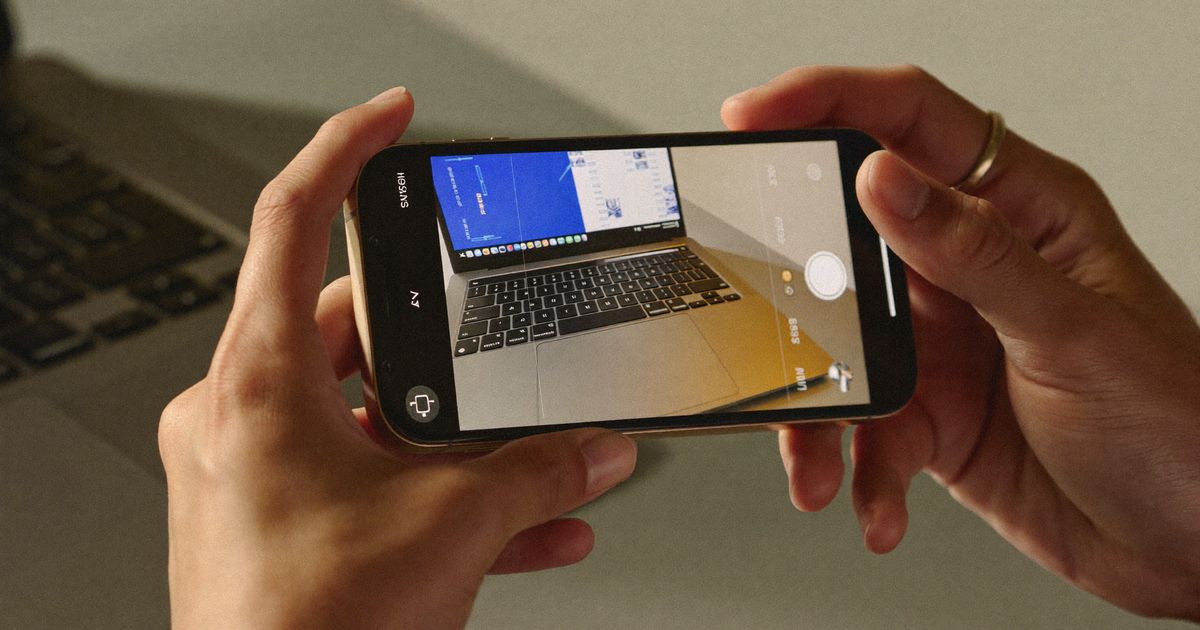
- Aspect ratio: 9:16 is non-negotiable. Shoot vertically. If a screen recording is involved, plan for it during filming, do not try to crop a landscape screen into a vertical frame in post.
- Resolution: 1080 × 1920 minimum. Most current-generation Android flagships (OnePlus, Samsung Galaxy A-series, Pixel) and iPhones can shoot at this natively. Avoid shooting at 4K if the final file needs to be under 4GB for Meta upload, compress before export, not after.
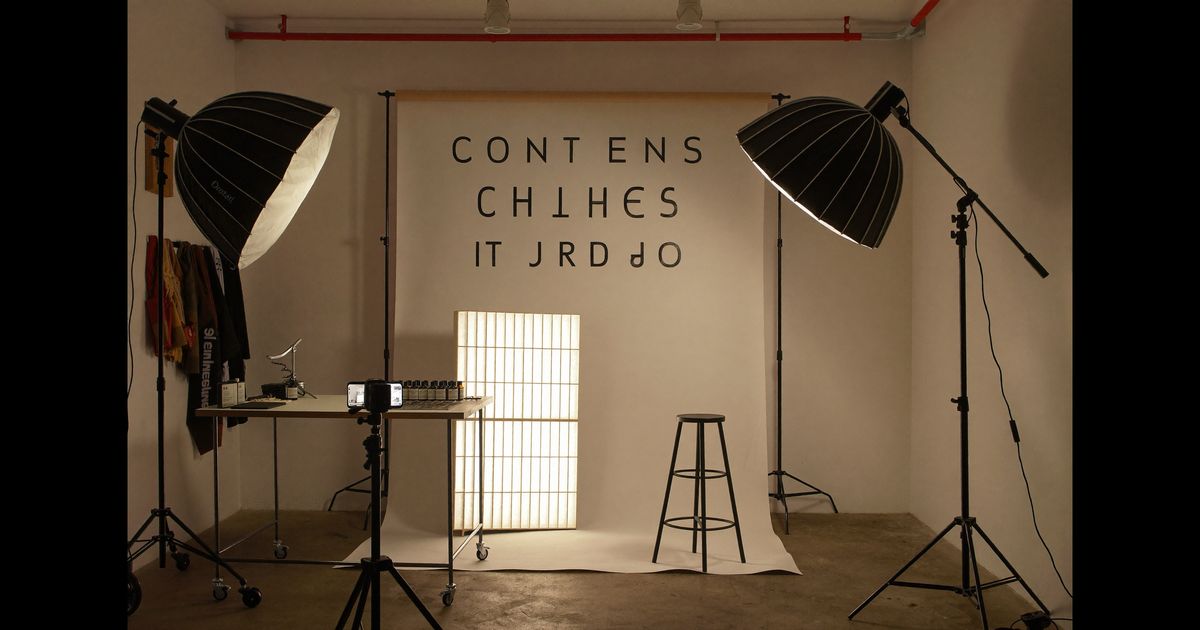
- Lighting: A single Rs.1,800–Rs.2,500 ring light (widely available on Flipkart and Amazon India) placed at eye level eliminates the main technical rejection point for SaaS creative: the creator looking underlit against a bright laptop screen. If the brief includes a screen demonstration, turn the ring light slightly away from the screen to reduce glare.
- Audio: A lapel mic (Rs.800–Rs.2,000 for a 3.5mm clip-on; Rs.3,500+ for a wireless like the Maono WM820) makes the single biggest quality difference in talking-head formats. Software ads depend on the creator's voice credibility, tinny phone-speaker audio kills conversion even when the visual is clean.
- Background: A neutral home-office or co-working setup reads as authentic for SaaS. Cafes work if ambient noise is controlled. Avoid busy, unrelated backgrounds (market stalls, outdoor chaos), they create cognitive dissonance for a software brand's audience.
Scripting the Hook for a Software Product
This is where most SaaS UGC fails at the brief stage. Creators trained on physical-product hooks ("look what just arrived") do not have an automatic equivalent for software. We use a four-part hook framework specifically for SaaS briefs:
- Name the pain, not the product. Open with: "I was spending three hours every Monday just reconciling invoices", not "I found this amazing accounting app." The pain is relatable; the product name is not (yet).
- Put a number on the pain. "Three hours" is better than "so much time." "My CAC was Rs.1,400 and I had no idea why" is better than "I had no visibility into my ad performance." Specificity signals authenticity, and for SaaS audiences, who tend to be analytically minded, it earns credibility faster.
- Cut to the software doing one thing. Not a feature tour. One thing. A creator showing a single dashboard view that solved their problem outperforms a walkthrough of five features in every A/B test we have seen for Indian SaaS clients.
- Use Hindi, Hinglish, or regional language where it matches the ICP. A brief for an HR tool targeting Tier 2 city business owners should specify at least one Hinglish variant. "Yaar, mera attendance tracking ek dum bakwaas tha" opens better than the English equivalent for that audience, and Meta's delivery algorithm rewards higher engagement signals by distributing the creative more broadly.
ASCI Compliance for SaaS UGC on Indian Platforms
ASCI's Guidelines for Influencer Advertising in Digital Media (updated 2023) apply directly to sponsored UGC, including creator content for SaaS brands. Key obligations for creators and the brands briefing them:
- Disclosure is mandatory. The label "Paid Partnership," "Ad," or "Sponsored" must appear prominently at the beginning of the video, not buried in the caption or shown only at the end. For Reels, Instagram's native "Paid Partnership" tag satisfies this when enabled by the brand. For YouTube Shorts, the creator must verbally disclose or use an on-screen label within the first few seconds.
- Performance claims must be substantiated. If a creator says "this tool saved me Rs.50,000 a month," the brand must be able to back that up. For SaaS, this means briefing creators with real, verifiable outcomes from actual users, not fabricated numbers. ASCI has issued enforcement notices in the fintech and edtech SaaS space specifically for unsubstantiated ROI claims.
- No misleading feature demonstrations. A creator cannot demonstrate a feature that is only available in a higher-tier plan without disclosing that. This is particularly relevant for freemium SaaS tools where the advertised capability sits behind a paid upgrade.
The safest brief language: "Show a genuine outcome you experienced using [Tool]. If you mention a specific number, flag it to us so we can verify it before posting. Use Instagram's Paid Partnership tag, we will approve it from our end."
Measuring What Actually Matters After the Reel Goes Live
SaaS brands frequently optimise for the wrong metric on UGC Reels. Likes and shares matter less than these:
- Hook rate (3-second video views ÷ impressions): Pull this from Meta Ads Manager under video metrics. Below 25% means the opening needs a rework, regardless of how good the rest of the creative is.
- Click-through rate to trial/demo page: Industry median for Indian SaaS UGC ads on Meta sits around 1.2–1.8% CTR. Anything above 2% is a strong creative. Anything below 0.8% means the call-to-action or the audience targeting needs to change, not necessarily the creative format.
- Cost per trial signup (not just CPL): Many SaaS brands track form fills as the conversion event, but the quality gap between a form fill and an actual trial activation is large. Wherever possible, pass trial-activation events back to Meta via the Conversions API so the algorithm optimises for users who actually start using the product, not just those who click.
- Organic reach ratio: If you are also posting the UGC organically (whitelisted or creator-posted), compare organic reach to paid reach. A ratio above 1:3 (organic:paid) on a SaaS Reel usually indicates the content resonates beyond the targeted audience, a signal to increase the paid budget on that creative.
If your SaaS brand is ready to move from brand-produced video to creator-led Reels content, with briefs that are built around real performance benchmarks, not guesswork, book a consultation with The UGC Agency. We work with SaaS and B2B tech brands across India to build UGC pipelines that are ASCI-compliant, platform-native, and optimised from hook to CTA.