Pick up your phone, open Instagram Reels, and scroll for sixty seconds. Count how many clips feel like someone genuinely showing you a product versus someone clearly reading from a script. The genuine ones, shot in a kitchen in Chennai, a bedroom in Pune, or a terrace in Gurugram, are the ones that stop the thumb. That stop-the-scroll quality is exactly what e-commerce brands are paying for, and it is entirely learnable.
Filming Reels-style UGC is not just about pointing a camera at a product and hoping for the best. There is a repeatable craft behind it: lighting choices, framing decisions, sound discipline, a hook written before you press record. This guide walks through each step in sequence so you can deliver content that performs from the first upload.
Step 1, Plan the Hook Before You Touch the Camera
The first one to two seconds of a Reel determines whether a viewer stays or swipes. On Instagram and YouTube Shorts, the two dominant short-video platforms for Indian e-commerce right now, the algorithm amplifies videos with high watch-through rates, which means your hook is your most important production decision, not your backdrop or your b-roll.
We brief creators to lock in the hook as a sentence before setting up any shot. Strong hooks for e-commerce UGC fall into a few reliable patterns:
- Problem declaration: "My skin was breaking out every monsoon until I found this." (works well for skincare, personal care)
- Contrast reveal: Open on the "before" state, clutter, discomfort, dullness, then cut to the product moment.
- Curiosity gap: "I ordered this from a Bengaluru brand and it changed my morning routine completely." (The "what is it?" creates the pull.)
- Direct address in local context: Starting in Hindi, Tamil, or Bengali before switching to English signals authenticity to regional audiences and increases saves among them.
Write the hook line down. Read it aloud. If it takes more than three seconds to deliver, trim it. Only after the hook is locked do you move to setup.
Step 2, Set Up Light the Right Way (No Studio Required)
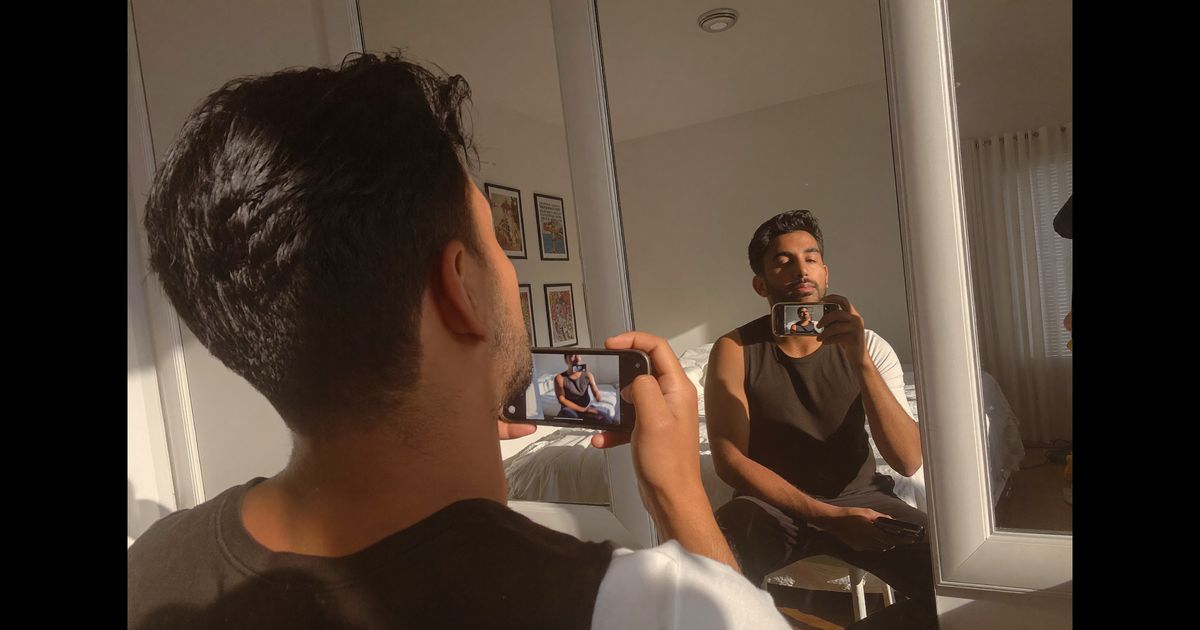
Natural light is your best and cheapest tool. In most Indian cities, direct sunlight between 10 AM and 2 PM creates harsh shadows that flatten faces and make products look cheap. The ideal window is the hour after sunrise or ninety minutes before sunset, soft, directional, warm. If you are shooting mid-day indoors, position yourself facing a large window and let the light fall on the product and your face at roughly a 45-degree angle.
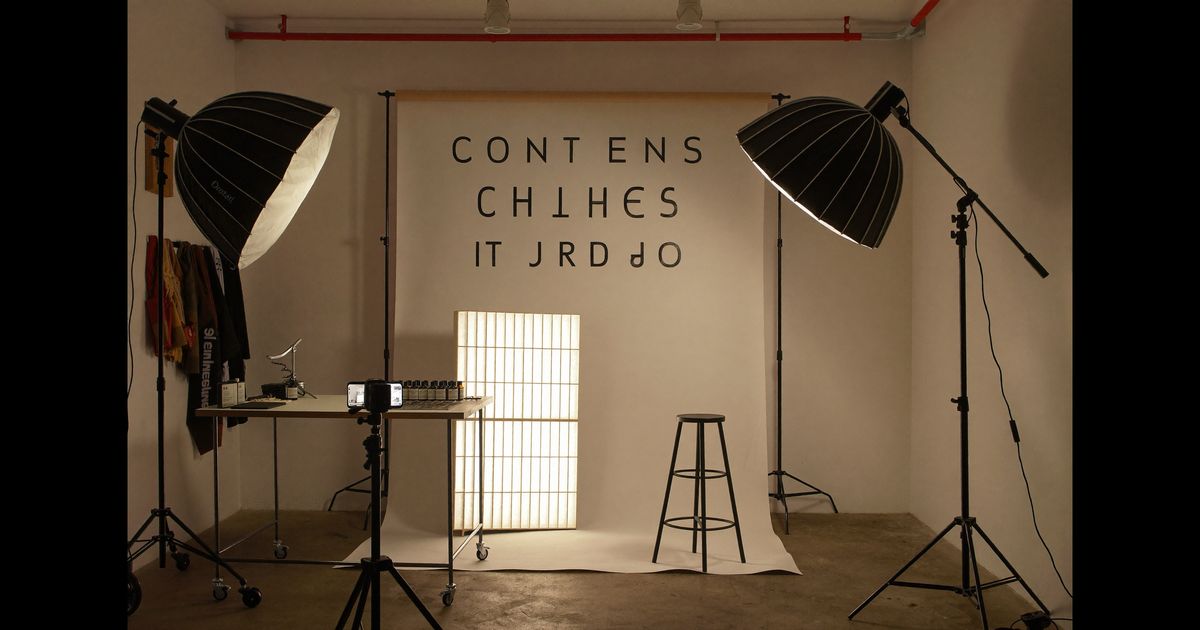
For creators shooting consistently across multiple briefs, a Rs. 1,500–2,500 ring light from Amazon or Flipkart handles evening and indoor sessions. It is not glamorous, but it is stable. Avoid overhead tube lights, they cast downward shadows that make products look dull and faces look tired.
A few specific situations worth knowing:
- Food and beverage brands: Shoot on a clean, neutral surface (white marble contact paper costs under Rs. 400) near a window. The steam from a hot drink disappears fast, have the product poured and ready before you start recording.
- Apparel: A plain wall in a well-lit room outperforms a cluttered bedroom. If your background is busy, step farther from it, at 1–1.5 metres, most phone cameras will naturally blur it.
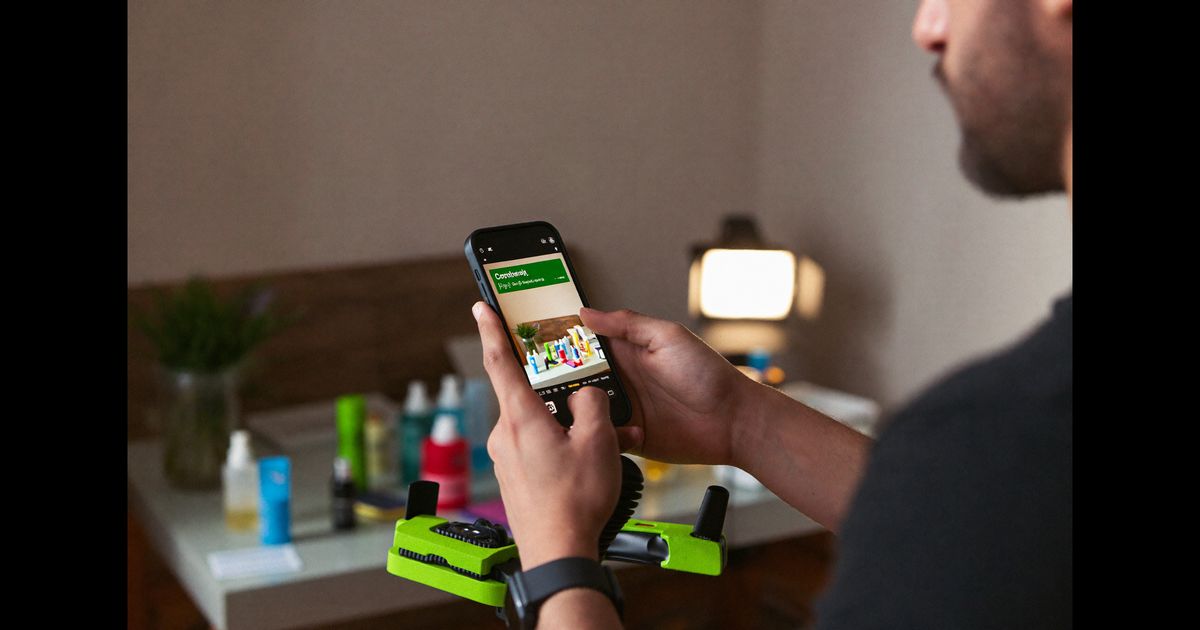
- Skincare and cosmetics: Shoot with the product in your hand at chest height or slightly above eye level. This mimics how a friend shows you something, not how a pharmacist displays stock.
Step 3, Frame and Move Like the Platform Expects
Instagram Reels and YouTube Shorts are 9:16 (vertical) by default. Shoot vertically. This sounds obvious until you see how many brands receive horizontal or square footage from creators who filmed casually and cropped later. Lock your phone to vertical from the start.
For framing:
- Your face or the product should occupy the upper two-thirds of the frame. Captions and the like/comment bar sit at the bottom, anything important placed there gets buried.
- Keep a small amount of headroom above your head, one finger-width of space feels natural; more than that looks like the creator was unsure where to stand.
- If you are showing a product in use, bring it close to the camera during the key moment. Indian phone cameras (even mid-range Redmi or Realme devices) focus well at 20–30 cm; anything further can look flat when the product is small.
For movement, deliberate beats work better than restless jiggling. A slow tilt downward to reveal a label, a quick zoom-in cut at the product moment, or a simple turn to face the camera after demonstrating, each of these is a planned move, not nervous energy. Set the phone on a stand, a stack of books, or a Rs. 800 mini tripod for stationary shots. Handheld is fine for walking reveals or "I just received this" unboxing energy, but keep arm movement controlled.
Step 4, Record Audio That Actually Works
More Reels are ruined by bad audio than bad video. Indian street noise, ceiling fans, and AC units are the three most common audio killers. Before recording, do a ten-second test and listen back with earphones. If you can hear the fan distinctly, turn it off or move to a different room.
Voiceover is often cleaner than on-camera speech for e-commerce UGC. Record the visuals first, then record your voiceover separately in a quiet spot (a wardrobe with clothes hanging acts as a decent acoustic dampener), and overlay it in CapCut or InShot, both free, both widely used by Indian creators. This workflow lets you get the product shots perfect without worrying about wind or traffic simultaneously.
For creators who prefer speaking directly to camera, a Rs. 600–900 clip-on lavalier mic that plugs into the phone's USB-C or headphone jack dramatically improves audio. The Boya BY-M1 is a reliable entry-level option available at most electronics stores in metro cities.
One discipline we enforce with all our creators: never rely on platform auto-captions as your only accessibility layer. Record clean audio AND add manual captions during editing. A large share of Indian Reels consumption happens with the phone on mute, in shared spaces, commutes, offices. If your video only works with sound, it is working at half capacity.
Step 5, Edit for Retention, Not for Beauty
The editing goal for Reels-style UGC is not a polished brand film. It is maximum retention in a fifteen-to-thirty second window. Every cut should exist because removing it would lose a viewer, not because it adds visual variety.
A practical structure that works consistently for e-commerce UGC:
- 0–2 seconds: Hook delivery, spoken or visual, no intro music, no logo animation.
- 2–10 seconds: Problem or context, show the "before" or establish the use case briefly.
- 10–22 seconds: Product demonstration, use, application, or result. This is the longest section because it is where the viewer decides whether to trust the claim.
- 22–30 seconds: Clear outcome or CTA, "linked in bio", "available on Nykaa", "DM the brand for 15% off". Keep this short and unambiguous.
In CapCut, use the auto-cut-to-beat feature sparingly, it tends to over-cut, which creates fatigue. Manual cuts timed to natural speech pauses usually hold better. Add text overlays for key product claims (name, price if competitive, key ingredient or feature) in a readable sans-serif at 60–70% of frame width. Avoid neon colours on white backgrounds, they vibrate visually and feel low-effort.
Step 6, Stay on the Right Side of ASCI Guidelines
The Advertising Standards Council of India's influencer guidelines (updated in 2023) require that paid partnerships and gifted products be disclosed. For Reels-style UGC that a brand will boost as an ad or repost on their own channels, the creator must include a clear disclosure, "Paid partnership", "Ad", or "Gifted", visible within the first few seconds of the video or in the caption. This applies whether you are a nano-creator in Kochi or a mid-tier creator in Mumbai.
Practically, this means:
- Use Instagram's built-in "Paid partnership" tag when the brand has access to your account for boosting. It auto-displays at the top.
- If you are providing raw footage for the brand to use on their own page (a common workflow in agency-managed UGC), the brand takes responsibility for adding the disclosure when posting, confirm this in your brief or contract before handing over files.
- Avoid superlative claims, "best moisturiser in India", "100% results guaranteed", unless the brand can substantiate them. ASCI has been actively flagging these, and the creator shares liability under the guidelines.
Step 7, Deliver Files That Brands Can Actually Use
A finished Reel is not just the edited video. Professional UGC delivery for e-commerce brands typically includes: the main edited video (1080×1920, MP4, under 50 MB for easy uploading), a clean version without captions or music (for brands who want to re-edit or add their own audio), and a static thumbnail frame exported as a JPEG. If you are working with an agency, ask for a delivery checklist on your first brief so you do not have to redo exports.
Turnaround expectations in the Indian market: most D2C brand managers expect a first cut within five to seven working days of brief receipt. If you are handling multiple briefs simultaneously, which is standard for anyone doing UGC as a primary income source, batch your shooting days and edit sequentially to avoid deadline collisions. A typical mid-level Indian UGC creator handling four to six monthly briefs earns between Rs. 15,000 and Rs. 40,000 per month from this format alone, scaling with niche authority and quality consistency.
If you are a brand looking to build a roster of creators who can deliver Reels-style UGC at this standard consistently, our work page shows the kind of output we manage across D2C categories, and our team can handle everything from creator briefing to final file delivery.