A dermatologist in Chennai goes live on Instagram to walk patients through a new sunscreen launch. Within twenty minutes, the brand's DMs flood with questions, and the clip gets clipped into four reusable Reels. That is the power of live-stream-style UGC, content that feels unscripted, unrehearsed, and therefore trusted in a category where trust is everything.
Healthcare advertising in India sits under some of the tightest guardrails in the industry. The Drugs and Magic Remedies Act, ASCI's healthcare guidelines, and platform-level restrictions on medical claims mean a creator cannot simply say "this supplement cured me." But the live-stream format, the slightly imperfect lighting, the viewer Q&A flow, the casual walk-through, can be produced without making a single prohibited claim. This guide breaks down how to do it properly, step by step.
Understand What "Live-Stream Style" Actually Means
True live streams on Instagram Live, YouTube Live, or ShareChat Live are ephemeral and hard to repurpose. What most healthcare brands actually use is simulated live-stream UGC: pre-recorded, edited to feel live, and designed to trigger the same psychological trust signals a genuine broadcast would, visible chat bubbles, a "LIVE" badge overlay, spontaneous-sounding speech, ambient background noise.
- Format A, Replay clip: A 60–90 second vertical video that opens mid-thought, as though the viewer has joined a stream already in progress. No formal intro. Creator is already speaking.
- Format B, Q&A pull-out: One specific viewer question appears on screen; creator answers it directly. Feels like a real broadcast moment even when filmed solo.
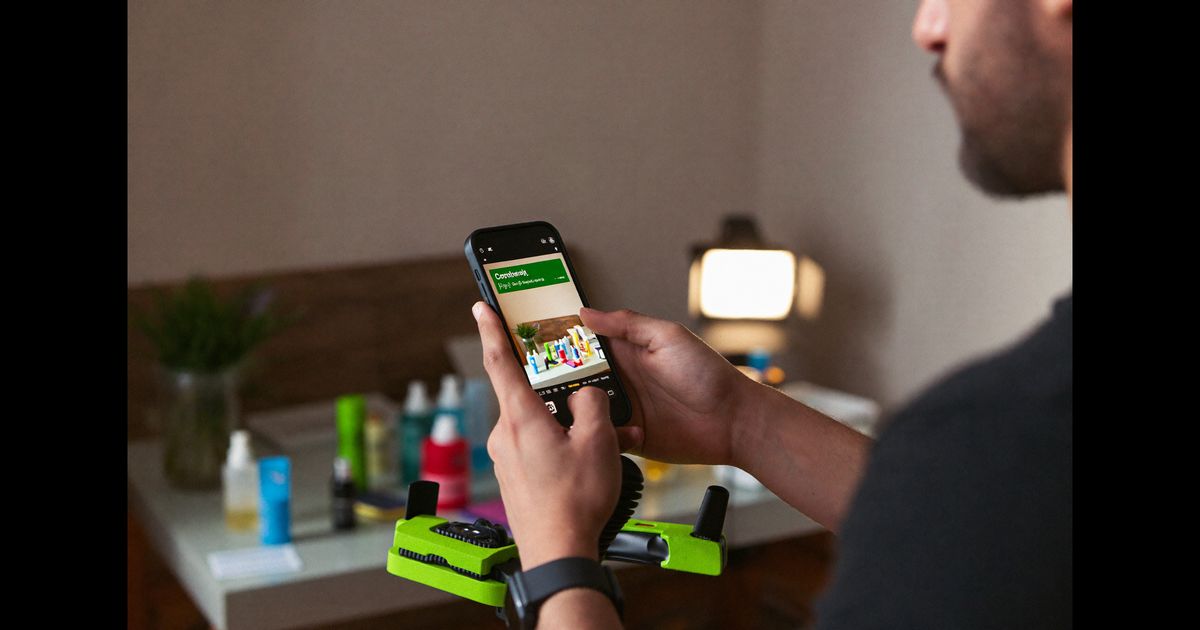
- Format C, Product walk-through with chat overlay: Creator opens, uses, and explains a product while simulated chat reactions scroll on-screen. Works exceptionally well for nutraceuticals, skincare, and femtech.
On Meta placements and YouTube Shorts, Format A and B consistently outperform polished studio ads in CTR for healthcare clients we run campaigns for, not because they look better, but because they do not look like ads.
Cast the Right Creator for a Regulated Category
Healthcare UGC demands a different casting filter than, say, fashion or food. The creator does not need a massive following, a Bengaluru-based fitness nutritionist with 18,000 followers who speaks fluent Kannada and English will outperform a 500K lifestyle influencer who has never discussed health seriously.
- Relevant lived experience: A mother of young children for a paediatric probiotic; a working professional for a stress-relief supplement; a runner for a joint-health product. Authenticity in healthcare is biographical, not performed.
- Communication clarity: Live-stream format requires the creator to explain, not just show. Brief for spoken sentences of 10–15 words. Creators who speak in long complex sentences lose viewers in the first eight seconds.
- No prior prohibited claims on their channel: Before briefing, audit the creator's last 60 posts. If they have previously claimed a product "cured" or "treated" a condition without a disclaimer, that is a compliance liability for the brand.
- Language match: For a Hindi-belt OTC brand, a creator who code-switches between Hindi and English (Hinglish) converts better than a purely English speaker. For Kerala or Tamil Nadu pharma clients, regional language authenticity is non-negotiable.
Build a Compliant Brief That Still Sounds Human
This is where most healthcare UGC fails. The legal team locks down every sentence and the creator delivers a robotic reading. The live-stream format collapses the moment it sounds scripted.
We brief creators using a three-column structure:
- Column 1, Approved claims: Exact language cleared by the brand's legal/medical team. Example: "supports digestion" (approved) vs. "cures IBS" (prohibited under DCGI and ASCI guidelines).
- Column 2, Personal story prompts: Open-ended questions the creator answers in their own words. "What did your routine look like before you started using this?" No answer is pre-written, only the topic is set.
- Column 3, Hard stops: Things the creator must never say, regardless of personal belief, specific disease names as outcomes, comparisons with prescription drugs, testimonials about serious medical conditions without a disclaimer.
ASCI's Misleading Advertisements guidelines (updated 2023) require that health claims be backed by evidence and clearly qualified. Any testimonial implying cure or treatment of a named medical condition needs either a disclaimer or substantiation. Brief your creators on this before filming, not after.
A good brief for a live-stream UGC shoot is one page, not ten. The creator reads it in five minutes, internalises the guardrails, and then speaks freely within them.
Set Up the Shot for Maximum Authenticity
The visual grammar of a live stream is very specific. Get it wrong and the "live" illusion breaks immediately.
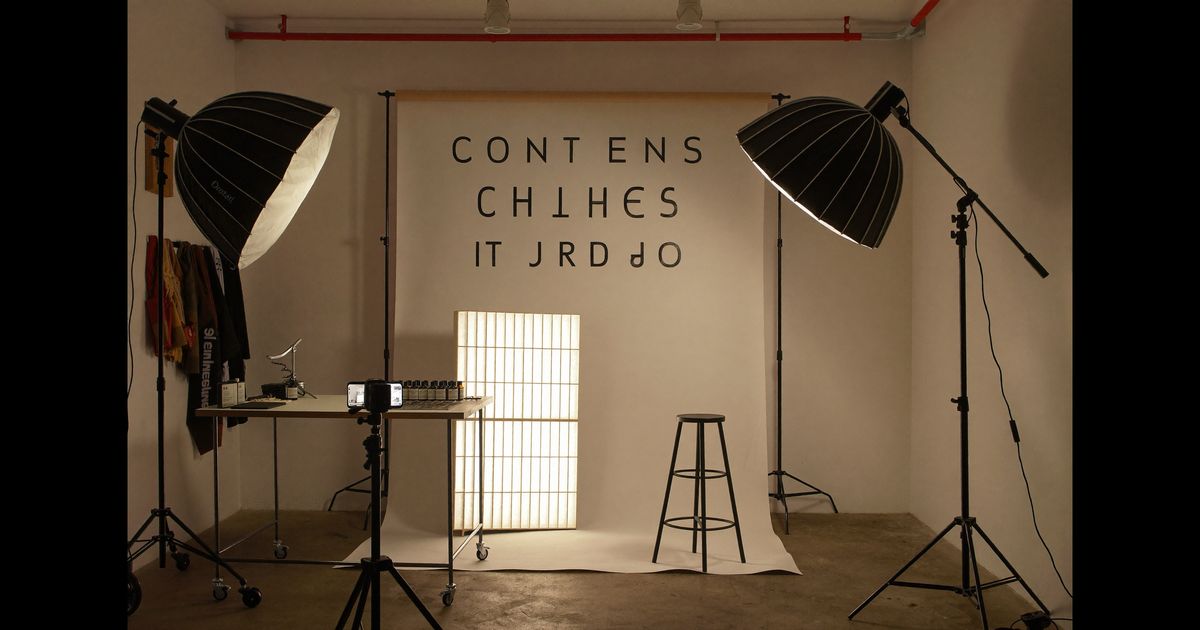
- Location: Not a white studio. Use a home office, a kitchen counter, a gym changing room, a pharmacy (with permission), any environment the target consumer recognises as real. For a Mumbai audience, a compact flat background works. For a Tier-2 audience, a mid-range home setting reads as more relatable.
- Camera angle: Eye-level or slightly above. The creator looks directly at the lens as though reading chat, not into the distance, not at a teleprompter.
- Lighting: Ring light is fine but slightly soften it or angle it off-centre. Perfectly lit content triggers "ad" recognition. A slightly warmer, imperfect light source (a window, a desk lamp) reads as live.
- Audio: A lapel mic or a good directional mic is essential, poor audio is the fastest credibility killer in healthcare content, where creators are discussing the body. Budget Rs. 2,500–5,000 for a decent lapel mic if the creator does not already own one.
- Live overlay assets: Add "LIVE" badge, view counter (can show a realistic number like 847), and scrolling chat comments in post-production. Keep chat comments relevant and human, questions like "does this work for PCOS?" or "can I take this while breastfeeding?" reinforce the Q&A feel without the creator needing to address every one of them.
Film in Multiple Takes, Edit to One Continuous Flow
A real live stream has no cuts, but the pre-recorded version can be assembled from multiple takes without looking edited. Here is the production approach we use for healthcare clients:
- Record the entire piece in 2–3 long takes, not in short scripted sections. The creator should start over from a natural pause, not from a formal beginning each time.
- Select the best continuous 60–90 seconds from across the takes. The join points should be at natural breath pauses or mid-sentence continuations, not at topic boundaries, which always look cut.
- Add 2–3 seconds of "hesitation texture", a moment where the creator glances at a phone as though reading a chat question, pauses, then responds. This is the single most effective live-stream authenticity cue.
- Do not add background music. Live streams do not have soundtracks. A subtle ambient room tone is fine.
- For subtitles, use auto-captions styled in plain white text. Avoid animated, heavily designed subtitles, they destroy the live aesthetic instantly.
Distribute Across the Right Channels for Healthcare
Not every platform handles healthcare UGC the same way, and some have category-specific restrictions worth knowing.
- Instagram Reels and Meta Feed: The primary distribution channel for most healthcare D2C brands in India. Meta's ad policies prohibit "before and after" imagery and claims of guaranteed outcomes, but live-stream style content that focuses on education or routine (rather than dramatic transformation) generally clears review. Run as dark posts to test multiple creators without cluttering the organic feed.
- YouTube Shorts: Strong for nutraceutical and wellness brands targeting 25–40 year-olds. YouTube's healthcare advertiser verification (required for some categories) takes 2–4 weeks, factor this into launch timelines.
- ShareChat and Moj: Underused by healthcare brands but highly effective in Tier-2 and Tier-3 markets (Patna, Coimbatore, Nagpur) where Hindi/regional language content on health topics gets organic traction. Production specs are forgiving, 720p is sufficient.
- WhatsApp Status (via broadcast lists): Not a public platform, but healthcare brands with an existing patient or customer base use creator-produced live-stream clips via WhatsApp broadcast lists with strong conversion results, particularly for OTC supplements and femtech products where the purchase decision is private.
One important note: TikTok is banned in India, so any platform-specific advice you have read citing TikTok healthcare formats does not apply here. The format principles transfer, but the execution is entirely on Instagram, YouTube, and regional platforms.
Measure What Matters for Healthcare UGC
View count is a vanity metric for this category. The numbers that actually indicate content effectiveness are:
- Watch-through rate beyond 15 seconds: Healthcare audiences who stay past the 15-second mark have cleared their "is this an ad?" filter. Anything above 40% on a 60-second clip is strong performance.
- DM and comment volume on product questions: In healthcare, a viewer who DMs to ask "is this safe during pregnancy?" is expressing purchase intent. Track these manually or via a social listening tool.
- Link-in-bio or swipe-up conversion rate: For paid distribution, this is the primary KPI. A live-stream style healthcare ad should be targeting Rs. 80–150 cost-per-click on Meta in competitive categories (protein supplements, skincare, women's health), lower in regional languages.
- Frequency cap adherence: Healthcare ads that repeat too often trigger distrust in a way that fashion ads do not. Cap frequency at 3–4 impressions per user per week for this category.
If you are building a healthcare brand in India and want to produce live-stream-style UGC that converts without tripping compliance wires, the casting, brief structure, and post-production decisions described above are where the work actually happens, not in a single polished shoot day. The UGC Agency works with healthcare and wellness brands across India on exactly this kind of production. See how we structure engagements on our pricing page, or browse case work to see results from regulated-category campaigns.