Live commerce has exploded across Meesho, Flipkart Live, and Instagram Live in India, and somewhere along the way, brands realised that the aesthetic of a live stream, even in a pre-recorded short-form ad, converts better than a polished studio cut. Viewers have been trained by hours of Myntra Live hauls and Nykaa beauty demos to trust the raw, real-time feel. The question our team gets from D2C brands is almost always the same: "Can we make our UGC look like a live stream without actually going live?"
The answer is yes, but it requires deliberate production choices, not just bad lighting and a shaky hand. Here is how we approach it internally, from brief to final cut.
Why the Live Stream Aesthetic Works for E-commerce
Live commerce in India is not a niche experiment. Platforms like Flipkart Live and Meesho Live regularly run sales events where hosts sell thousands of units in under an hour. The visual grammar of those streams, slightly overexposed frontal lighting, visible notifications popping on screen, creators talking directly at the camera mid-sentence, products being held up and rotated, has become a trust signal for buyers. When a scripted UGC ad mirrors that grammar, it borrows that trust.
- Unscripted speech patterns, filler words, mid-thought corrections, regional code-switching (Hindi + English, Tamil + English) all signal authenticity.
- Screen overlays and comment simulations, a looping "viewers asking about the price" overlay makes a static ad feel participatory.
- Real-time product handling, picking up, opening, pouring, applying; actions that would be cut in a brand TVC are left in here.
The format maps especially well to categories where tactile proof matters: skincare, food/nutrition supplements, home appliances, and apparel. For SaaS or fintech, it works best as a screen-recording walkthrough with a talking-head overlay, the same format used by finance influencers on YouTube who "walk you through" an app live.
The Production Brief We Actually Use
When we onboard a creator for live stream-style UGC, the brief looks different from a standard testimonial brief. We send a one-page PDF with three sections:
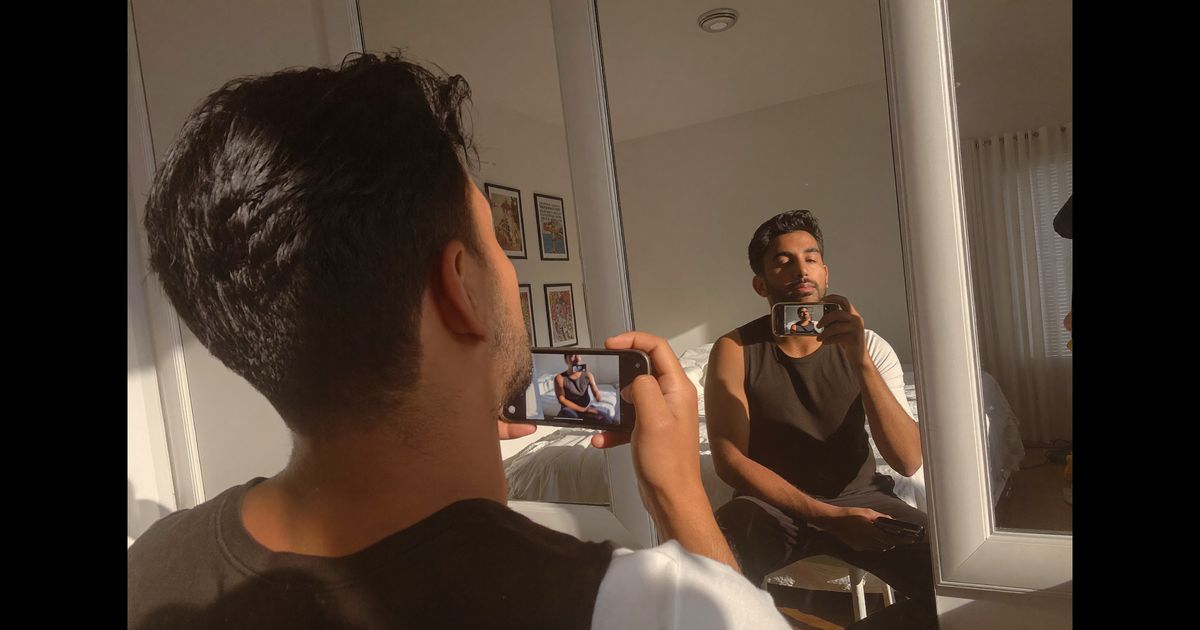
- Setup requirements: No ring light. Use a window or an LED panel at 45 degrees to create a slight falloff. Keep the background lived-in, a bookshelf, a kitchen counter, a desk with visible clutter. We specifically ask creators in cities like Pune, Hyderabad, and Bengaluru not to re-arrange their space.
- Recording behaviour: Record in a single, unbroken take of 3–5 minutes. Do not stop when you stumble. Speak at the speed you'd use to explain something to a friend on a call, not to a camera. We will cut the good 45–60 seconds out of the middle.
- Product interaction sequence: Show the sealed product first, then open it on camera. If it is a food or supplement item, read one ingredient label aloud, this detail consistently increases trust and is something we brief specifically for FMCG brands worried about ASCI compliance on health claims (more on that below).
We discovered that asking creators to "talk to the product" rather than "talk about the product" changed the energy entirely. Holding it up, turning it over, smelling it, that physical engagement is what sells the live-stream feel.
Technical Setup: What Actually Gets Used on Set
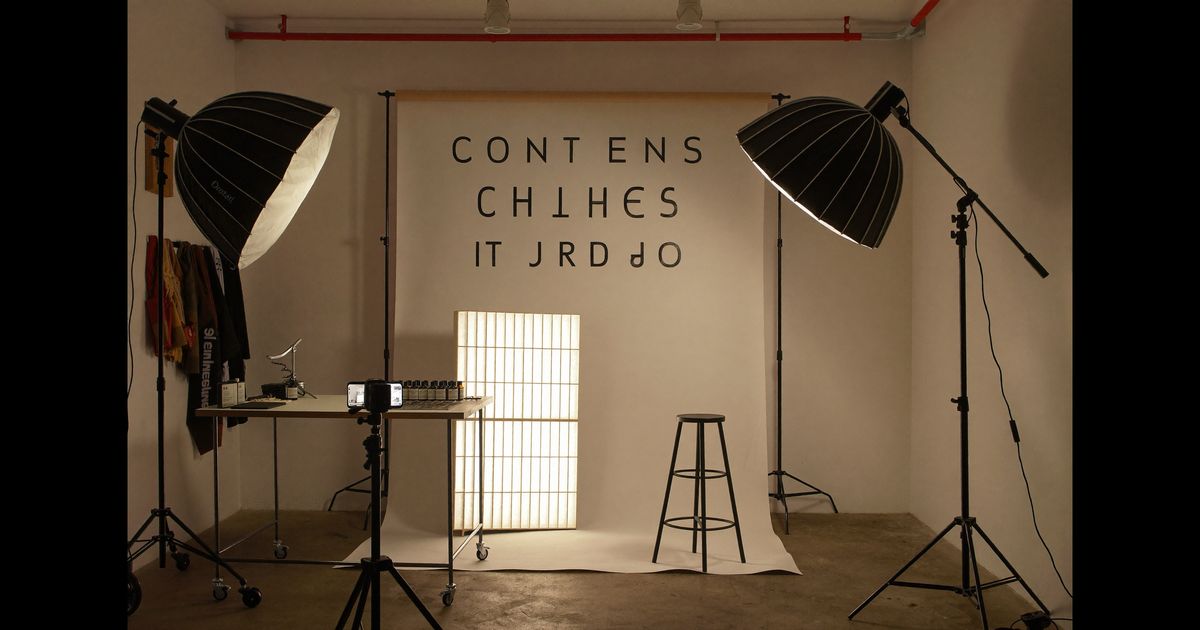
Live stream-style UGC is deliberately lo-fi, but "lo-fi" still has a floor. Here is the gear stack we recommend to creators (or supply from our Kolkata production kit for shoots we manage directly):
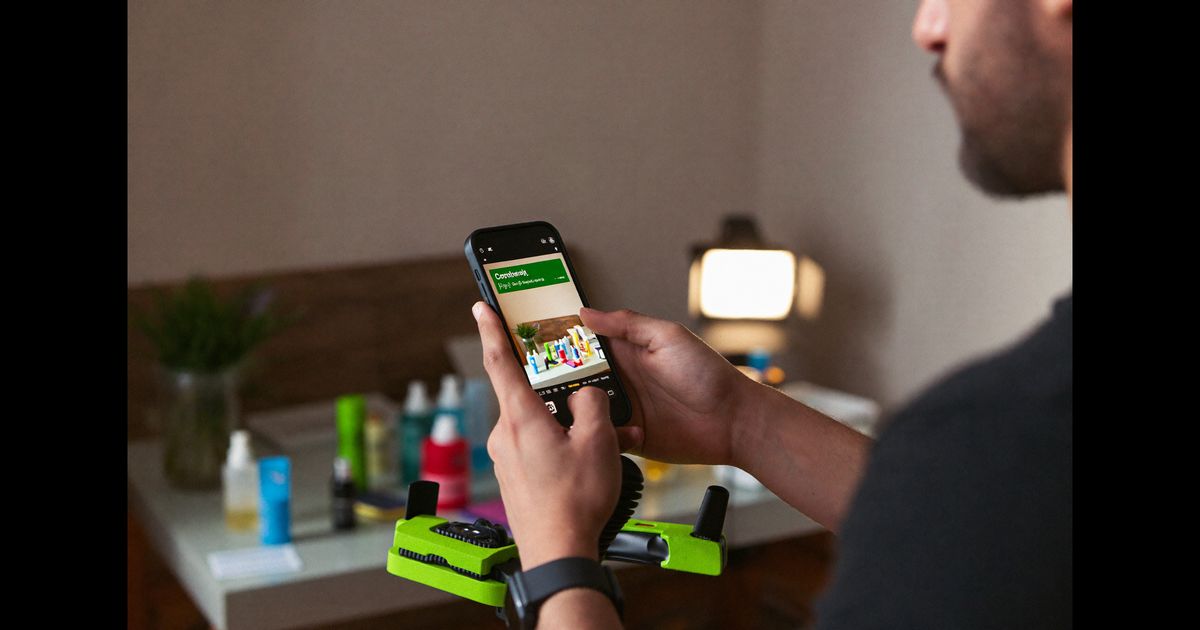
- Camera: Rear camera of any mid-range Android (Redmi Note 12 Pro, Samsung M-series) or iPhone, shot at 1080p, not 4K. The slight compression of 1080p actually looks more "stream-like."
- Microphone: A clip-on lav mic (Boya BY-M1 at around Rs. 800–1,200) is the single biggest upgrade. Live streams have variable audio quality; we aim for "clear enough to not distract" rather than studio-clean.
- Frame: Landscape 16:9 for YouTube and Flipkart Live repurposing; portrait 9:16 for Instagram Reels and Meta ads. We shoot portrait-first and crop a 16:9 cut from the centre if needed.
- Stabilisation: Handheld with slight movement is fine. Avoid a tripod-locked shot, it loses the live feel. A basic gorillapod propped on a surface works well.
For brands that want to add live stream UI elements in post, viewer counts, comment overlays, platform chrome, we use CapCut or Adobe Premiere with template overlays. We never use real platform branding (Meesho, Flipkart logos) without explicit brand permission, and we never imply the content was actually broadcast live if it was not. That distinction matters both ethically and under ASCI guidelines, which prohibit misleading representations of how, when, or where content was originally created.
ASCI Compliance in Live-Style UGC Ads
This is the part most D2C teams overlook until a complaint lands. The Advertising Standards Council of India's influencer guidelines (updated in 2023) apply even to pre-recorded UGC used as paid ads. Key rules that bite live-style content specifically:
- Disclosure of material connection: If the creator was paid or received the product free, the ad must carry a clear "Paid Partnership" or "#Ad" disclosure. In a live stream-style format where the creator sounds organic, this disclosure must still be on-screen, typically as a persistent text overlay for the first 3 seconds and in the caption.
- Health and performance claims: For supplements, foods, and skincare, claims must be substantiated. "I lost 4 kg in two weeks" or "my acne cleared in 3 days" are non-compliant without clinical backing. We brief creators to say what they personally experienced in observable terms, "my skin felt less oily by day 5", and avoid comparative or curative language.
- Fabricating social proof: Fake comment overlays (e.g., "50,000 viewers" or simulated comments saying "just bought it!") that could mislead a reasonable viewer are a grey area. We use clearly stylised overlays that look like design elements rather than real platform chrome, and we avoid numerical social proof we cannot verify.
We include an ASCI checklist slide in every creator brief so these are front-loaded, not a post-production scramble.
Editing the Raw Footage into a Paid Ad
The edit is where the "live stream feel" either survives or gets killed. Most brand teams instinctively want to cut out hesitations, clean up audio, and colour-grade, all of which signal "produced." Our post-production rules for this format:
- Keep one stumble or correction in the final cut. A "wait, let me show you this again" moment, left intact, does more for credibility than any testimonial script.
- Colour grade lightly or not at all. Slightly warm, slightly high-contrast, no cinema-grade looks. Matching the natural colour temperature of a room lit by a window is the goal.
- Add captions in the language the creator spoke. For a Tamil-speaking creator in Chennai, captions in Tamil + a simultaneous Hindi subtitle strip works well for national campaigns. For Hindi-belt audiences, Hinglish captions (Hindi script with English product names) test well.
- Use jump cuts freely. Cutting mid-sentence is a live-stream convention, streamers cut dead air. A jump cut in the middle of a sentence, where the creator continues the same thought, reads as authentic rather than choppy to an audience conditioned on live content.
- Keep the ad between 30–45 seconds for Meta placements, 45–60 seconds for YouTube pre-roll. The longer live-stream feel works if the first 5 seconds show the product being physically handled or opened.
Scaling This Format Across Campaigns
One thing we have learned running multi-creator batches for brands in the fashion and wellness categories: the live stream-style UGC format degrades quickly if every creator uses the identical product interaction sequence. Viewers in the same audience pool will see the same "opening the box" beat three times in a week and the format will start to read as scripted template content.
Our approach is to produce at least three distinct "entry moments" per campaign:
- The unboxing entry: Creator receives the product and opens it on camera, reacting to packaging and first impressions.
- The in-use entry: Creator films mid-use, applying skincare, cooking with the product, wearing the garment, no opening sequence at all.
- The "answering a question" entry: Creator addresses a common objection directly ("someone asked me if this is worth Rs. 1,299, here is my honest answer") mimicking the Q&A format of live streams.
Rotating these entry types across a four-to-six creator batch keeps the format fresh across a 30–45 day ad run without rebuilding the creative from scratch.
Where This Format Performs Best (and Where It Does Not)
Live stream-style UGC converts strongly on Meta (Instagram Reels, Facebook Feed), Flipkart Ads, and Meesho advertising placements, anywhere the audience already watches live commerce content. It also works on YouTube Shorts as pre-roll when the product category matches what the channel typically covers.
It performs poorly on LinkedIn (the professional context reads the format as low-quality) and on premium brand awareness campaigns where the brief requires aspirational production values. For those use cases, the live-stream aesthetic actively undermines the brand positioning. The format is also harder to execute for B2B SaaS with complex technical workflows, though the "screen walkthrough with talking head" variant described earlier bridges that gap reasonably well.
If you are building a UGC content strategy for an e-commerce brand and want to test this format with a structured creator batch, our team at The UGC Agency can scope the right brief, creator mix, and compliance checklist for your category. See our pricing page for current packages, or get in touch directly to discuss your brand's needs.