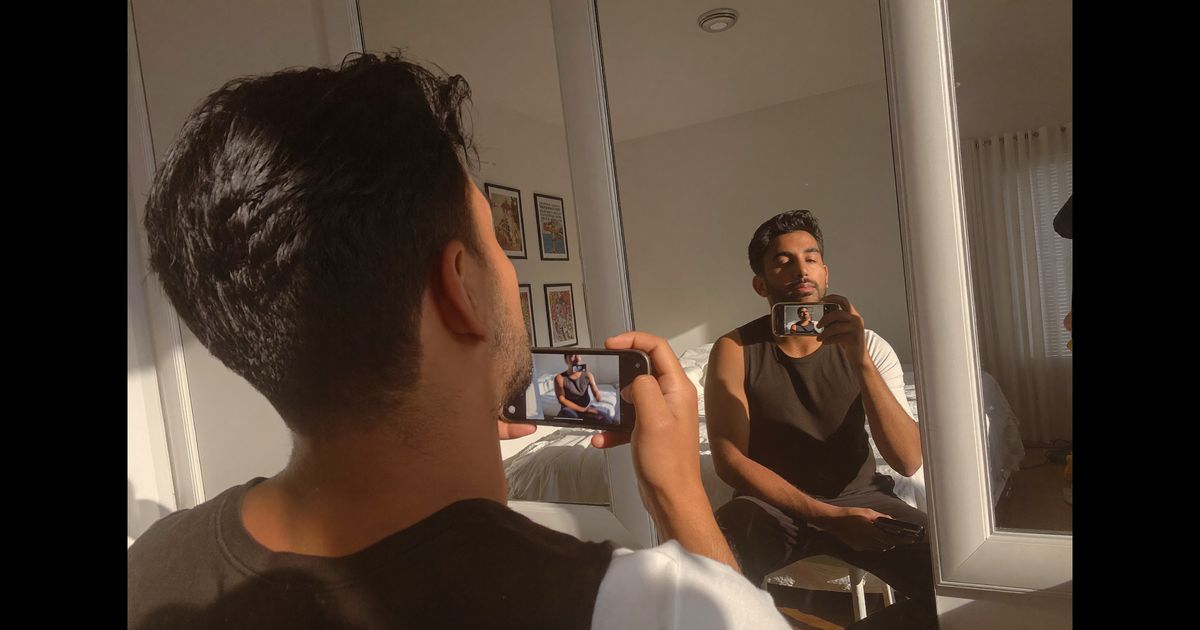
A lipstick swatch filmed under a ring light in a Bengaluru apartment gets 40,000 views. The same product shot in a studio with a professional videographer gets 4,000. We see this pattern repeat itself constantly across the beauty briefs we work on, and the reason almost always comes down to format. Live stream-style UGC, with its deliberate rawness and conversational pacing, has become one of the most reliable-performing formats for beauty brands on Instagram Reels and YouTube Shorts in India right now.
This article is a behind-the-scenes look at how we actually produce this format: the pre-production decisions, the on-camera direction we give creators, the compliance guardrails we build in for ASCI, and the edits that make a "live" feel survive the post-production process.
What "Live Stream-Style" Actually Means in This Context
True live streams, Instagram Live, YouTube Live, are valuable but ephemeral and hard to repurpose for paid media. What brands actually need is content that mimics the energy of a live stream while being a controlled, editable video file. Think of it as "performed spontaneity": the creator is fully on camera, talking directly to the viewer without a script, reacting to the product in real time, occasionally stumbling on words, showing the mess of their vanity table in the background.
On Instagram in particular, this format benefits from the platform's own algorithm behaviour. Reels that look natively shot, handheld, natural light, no branded lower thirds, are treated differently from polished ads. That matters enormously when a beauty brand is running these as paid dark posts or boosting organic content.
A few formats we brief under this umbrella:
- The "unboxing reaction" stream: Creator receives a courier box on camera, opens it live, reads the product card, tries the product within the same take.
- The "get ready with me" (GRWM) integration: Creator does their actual morning or evening routine; the brand product appears naturally at the right step, not as a scripted insert.
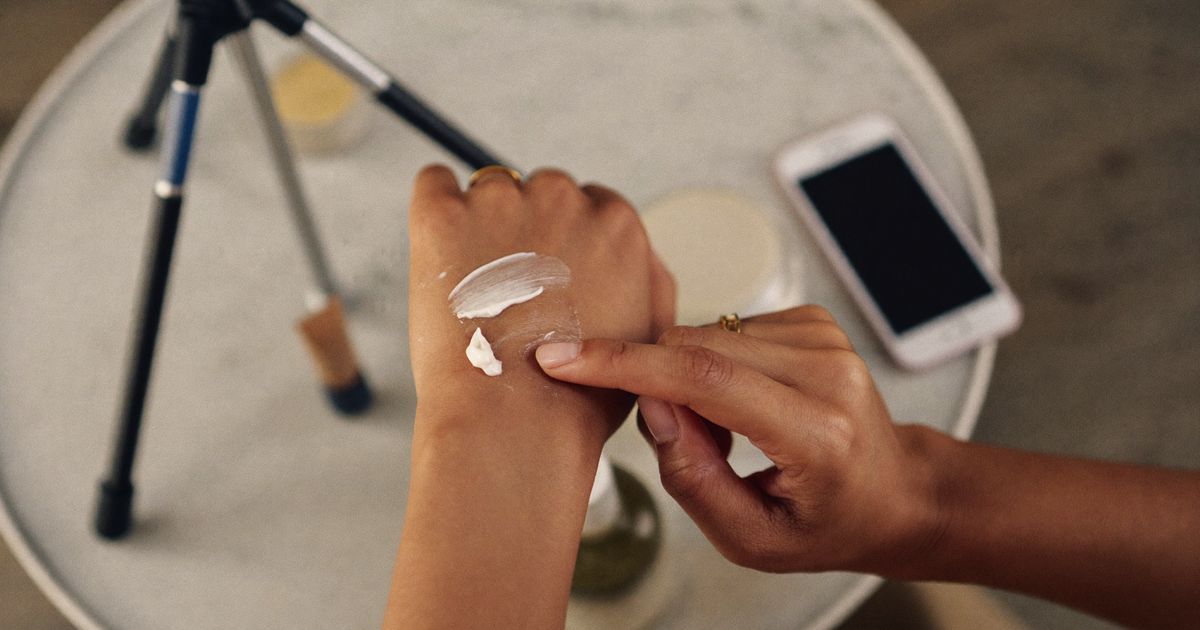
- The "try-and-react" loop: Creator applies the product, waits the stated duration (sunscreen absorption, serum settling), then comes back on camera with a genuine reaction. Both clips cut together with a jump cut.
- The "live review" format: Creator talks through ingredients, texture, and personal experience exactly as they would in a live, with no pre-written script, just a talking-points card off-screen.
Pre-Production: The Brief That Makes or Breaks the "Live" Feel
The biggest mistake brands make is writing a script and calling it a brief. For live stream-style content, the brief should define boundaries, not lines. We structure our creator briefs for this format around three columns:
- Must say (mandatory ASCI claims): If the brand wants to mention SPF, pigmentation reduction, or dermatologist-testing, these need to appear verbatim or with approved equivalent language. Under ASCI guidelines, beauty claims that are measurable, "reduces dark spots by 30%", need substantiation, and the creator cannot improvise around them.
- Can say (talking points): Texture, scent, how it feels on their specific skin type, price-to-value from their own perspective. These are genuine opinions, not scripted lines.
- Cannot say (hard guardrails): Disease treatment claims, comparison to competing products by name, claims about the product changing skin tone in ways the brand hasn't clinically validated.
We also send every creator a one-page reference sheet with the correct pronunciation of the brand name, the product's hero ingredient (and a one-line plain-language explanation of what it does), and the discount code or CTA they need to include. Everything else is up to them.
For a D2C skincare brand based in Mumbai that we worked with on a niacinamide serum launch, this brief framework resulted in 9 creator videos where every single one felt genuinely different, different accents (Hindi, Bengali, Kannada), different skin concerns, different environments, while all remaining compliant with the brand's claim substantiation file.
Camera Setup: Getting the Right Kind of "Wrong"
There is a specific visual grammar to live stream-style UGC that creators and brands both need to understand. The goal is not bad production, it is intentionally imperfect production. The difference matters because a randomly shaky, poorly lit video will not perform, but a video that looks like someone is genuinely streaming their morning routine will.
Here is what we actually spec out in our production direction notes:
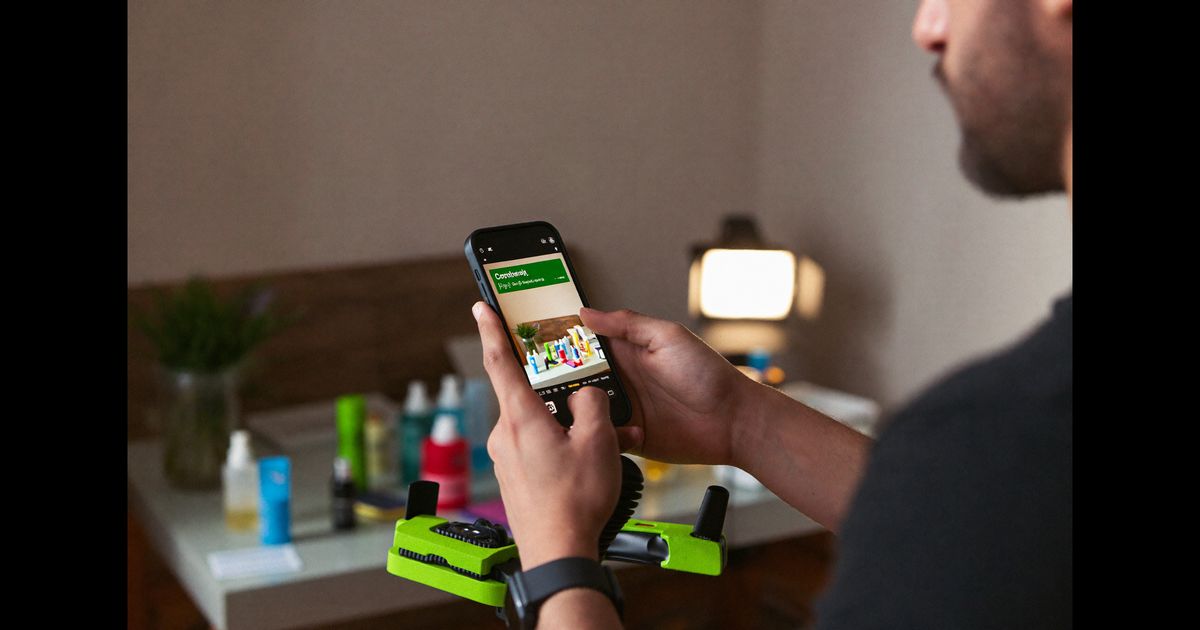
- Camera position: Phone propped at eye level or held in hand, not mounted on a tripod at 45 degrees. If it needs a stand, a simple Rs. 500 phone clamp on a bookshelf works better than a tripod with a ball head, it looks like a natural set-up, not a shoot.
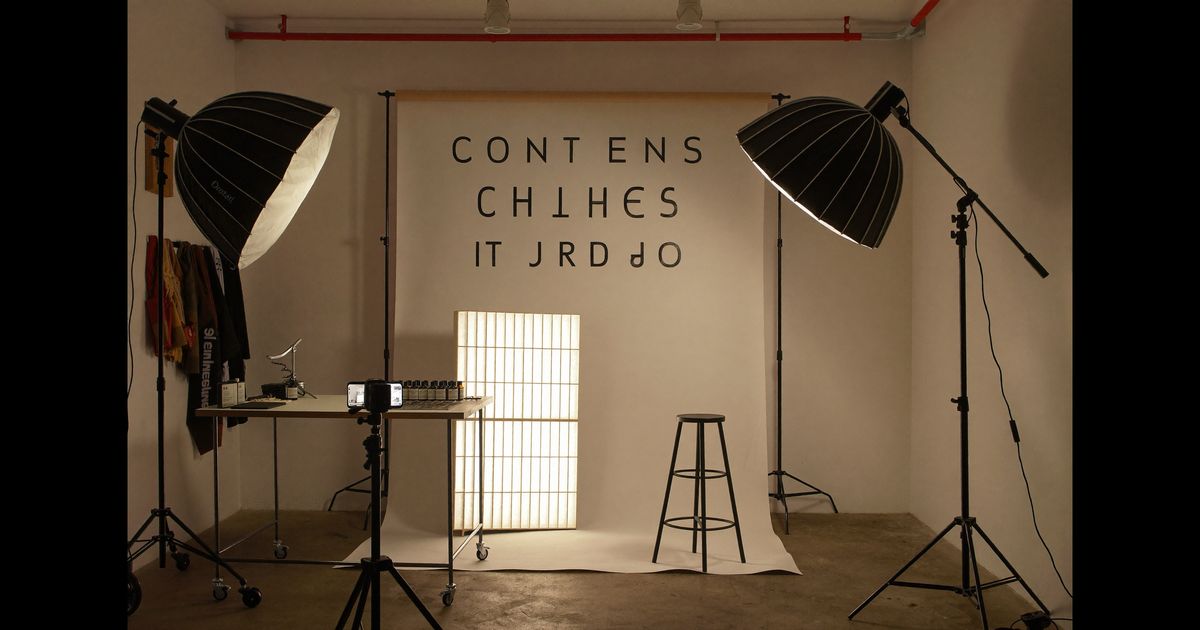
- Lighting: Natural window light is preferred over ring lights for skincare and foundation content. Ring lights create a flat, studio look that signals "ad". For lip and eye products where colour accuracy matters, a small LED panel at 45 degrees diffused with a tissue is fine.
- Background: Real spaces, the creator's actual bathroom shelf, their vanity, their bedroom, not a clean white wall. One well-known D2C brand founder told us that their blank-wall creator content got half the watch time of content shot in messy, real environments.
- Audio: Phone mic is usually fine for this format. If a creator is in a noisy environment (Mumbai traffic, Kolkata street sounds), a Rs. 1,200 BOYA clip mic changes everything without signalling professional production.
- Takes: We brief creators to record in long single takes of 3-5 minutes and not to stop and restart when they stumble. The stumble is part of the format. We then edit down to 60-90 seconds, keeping one or two natural pauses or "umm" moments to preserve the stream feel.
On-Camera Direction: The Conversation Technique
Getting a creator to actually behave naturally on camera is harder than it sounds. Most people, when told they are recording, shift into a broadcast register, flatter delivery, less genuine reaction. Our creative directors use a specific technique we call the conversation prompt method.
Instead of saying "start recording and review the product," we ask the creator to imagine they are mid-conversation with their closest friend who just asked "wait, what are you using on your face?" The answer to that imaginary question is the video. This framing produces a completely different vocal energy, more direct, more casual, more interruptible.
We also ask creators to handle the product on camera before they start talking about it. Pick it up, look at the back, open the cap, smell it if it's relevant. This physical engagement with the product is what gives live stream UGC its believability, the viewer can see that the creator is encountering the product as they speak, not reciting things they memorised earlier.
"The best beauty UGC we have edited came from a creator in Jaipur who just talked to the camera like she was doing a voice note for her sister. No script, no teleprompter, one long take in her bathroom. We cut it to 75 seconds and the brand ran it as a paid Reel for three months."
Post-Production: Preserving the Live Energy Through Edits
Editing live stream-style UGC is a discipline of restraint. The instinct in post-production is to clean everything up, remove pauses, cut filler words, stabilise the handheld footage. For this format, that instinct will kill the content.
Our editing guidelines for this format:
- Jump cuts only: No transitions, no dissolves, no B-roll cutaways unless the brand has specifically requested a product close-up shot. Jump cuts signal live editing, not post-production polish.
- Keep some filler: One or two "you know" or "like" per minute reads as authentic. Zero filler reads as scripted.
- Captions styled as live chat subtitles: For Reels, we add captions using a bold, slightly bouncy font that references the aesthetic of live stream chat overlay, not the clean corporate subtitle style.
- No brand logo intro: Starting with a 2-second logo card will tank watch time. The brand gets mentioned by the creator within the first 10 seconds of actual speech.
- Sound design: Keep ambient audio. The clink of a product cap, the sound of product being dispensed, the background hum of a fan, these are not mistakes to be removed in post. They are texture.
For paid media usage, we deliver two cuts: a 60-second version for Reels/Shorts and a 15-second version that captures the strongest 15 seconds of genuine reaction for Stories and display placements. The 15-second cut is almost always the moment the creator first touches the product to their skin and reacts.
ASCI Compliance for Beauty Claims in This Format
Live stream-style content creates a specific compliance challenge: the casual, conversational format can lead creators to make claims that sound like personal opinion but cross into regulated territory under ASCI's 2023 influencer guidelines and the Drugs and Cosmetics Act.
The practical rules we enforce across all beauty UGC productions:
- Any claim about product efficacy, even phrased as personal experience ("my hyperpigmentation is gone"), needs to either be hedged ("I feel like my skin looks brighter") or backed by the brand's claim substantiation document.
- The #Ad or #Sponsored disclosure is mandatory and must appear in the first line of the caption, not buried after three hashtags. ASCI's enforcement team has been actively reviewing influencer content since 2022.
- Creators should not mention competitor products by name, even positively. This creates comparative advertising liability that sits with the brand.
- For Ayurvedic or herbal beauty products, claims about treating conditions (acne, eczema, dandruff) require specific regulatory positioning, the product either has Drug Licence backing or the claim must be kept cosmetic ("cleanses", "soothes", not "treats").
We include a 15-minute compliance orientation call with every new creator we onboard for beauty briefs. In our experience, this single step eliminates 90% of the reshoots that would otherwise happen due to claim violations discovered in review.
What Beauty Brands Should Expect From This Format
Live stream-style UGC is not a magic format, it works when the product genuinely delivers something the creator can react to on camera. Serums with visible texture changes, foundations with a distinctive finish, lip products with strong pigment payoff: these all film well in this format because the camera captures the product working.
Products where the benefit is long-term (anti-ageing, hair growth) need a different framing, usually a progress update format rather than a live reaction. We have seen brands push these into a live stream format expecting the same results and being disappointed. The format has to match what the product can show.
Budget-wise, a 4-creator live stream-style UGC package for a beauty brand, covering brief development, creator sourcing, production direction, editing, and compliance review, typically runs between Rs. 40,000 and Rs. 75,000 depending on creator tier and number of deliverable cuts. That is the full production budget, not per creator.
If you are building a beauty brand and want to see what this format looks like in practice for your product category, our work portfolio has recent examples across skincare, hair care, and colour cosmetics, or reach out for a consultation to talk through whether this format fits your current campaign goals.