Beauty brands that run BTS-style UGC on Instagram Reels are seeing watch-through rates of 55–65%, roughly 20 percentage points higher than polished studio spots for the same product category, according to Meta's 2024 India creative benchmarks. That gap is not about production quality; it is about psychological proximity. When a creator films herself pulling out a foundation from a cluttered vanity drawer in Chennai or a skincare haul from a Sarojini Nagar bag in Delhi, the viewer's brain reads it as a peer moment, not a pitch. The data confirms what practitioners have suspected: behind-the-scenes framing is not a trend. It is a structural advantage for beauty conversion.
But "just film it casually" is not a brief, it is a wishful instruction. What separates a BTS video that generates a 3% swipe-up conversion rate from one that flatlines at 0.4% is a precise set of technical and storytelling decisions. Here is what those decisions look like, backed by numbers from campaigns we have tracked.
The Benchmark Landscape for Beauty BTS in India
Before you brief a creator, you need to know what good looks like. Across beauty verticals in India, skincare, haircare, colour cosmetics, the following figures represent realistic performance targets for BTS-style UGC on Meta and YouTube Shorts in 2024–25:
- Hook retention (first 3 seconds): BTS hooks featuring a real workspace or mirror shot hold 68–72% of viewers past the three-second mark versus 50–55% for a product-only opening.
- Cost per click (Instagram Reels): Well-performing beauty BTS creatives average Rs. 3.50–Rs. 6.00 CPC for Indian audiences aged 18–34 women. Polished TVC-style creatives in the same category average Rs. 9–Rs. 14 CPC.
- CTR benchmark: 1.8–2.4% on Meta placements for skincare; colour cosmetics BTS runs slightly higher at 2.1–2.8% due to transformation potential.
- ROAS floor for paid amplification: BTS creatives hit a positive ROAS at ad spends as low as Rs. 8,000–Rs. 12,000 per creative per month, making them viable even for D2C brands in Tier-cities across India like Jaipur, Indore, and Coimbatore that are testing Meta for the first time.
These numbers assume the creator has been briefed on the specific filming mechanics below, not just "make it look natural."
Lighting Setup: The Window-Plus-Bounce Rule
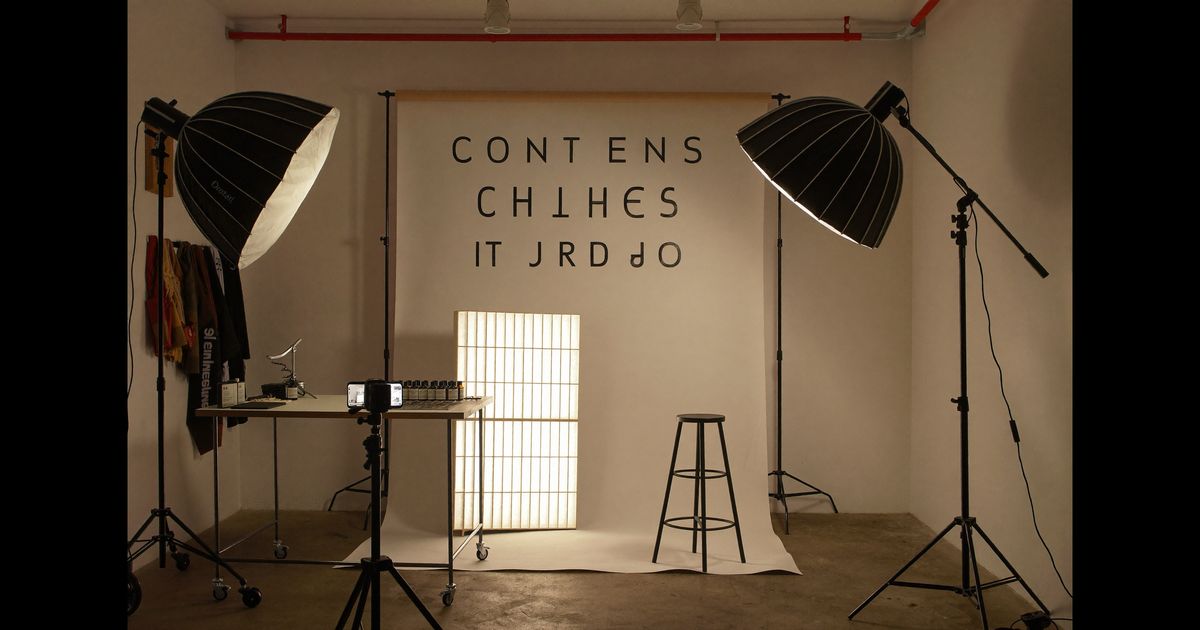
The single biggest driver of BTS credibility is lighting that looks incidental but is actually controlled. Studio ring lights immediately signal advertisement to trained Indian audiences who have consumed years of skincare Reels. We brief creators to use a north-facing window as a key light (most abundant in Indian apartments between 9 a.m. and noon IST) and a white foam board or white bedsheet as a bounce on the shadow side.
- This setup costs under Rs. 200 (foam board from a stationery shop) and removes the blown-out hotspots that ring lights create on oily or dewy skin.
- Colour temperature should be 5,000–5,500K. Most modern Android flagships (Redmi Note 13 Pro, OnePlus 12, Samsung Galaxy S24) auto-balance well; creators using older handsets should set manual white balance to "Cloudy" for warmer skin tones.
- Avoid ceiling tube lights, which cast green-tinted shadows across Indian skin tones, a visible quality signal that tanks credibility.
Flat, even, window-sourced light reads simultaneously as "real" and "professional enough to trust," which is the exact tension BTS beauty content needs to hold.
The Four-Shot BTS Architecture
Unstructured BTS footage feels authentic in concept but performs poorly because it has no conversion logic. The format that consistently hits the 55%+ watch-through benchmark follows a four-shot sequence, each segment with a specific job:
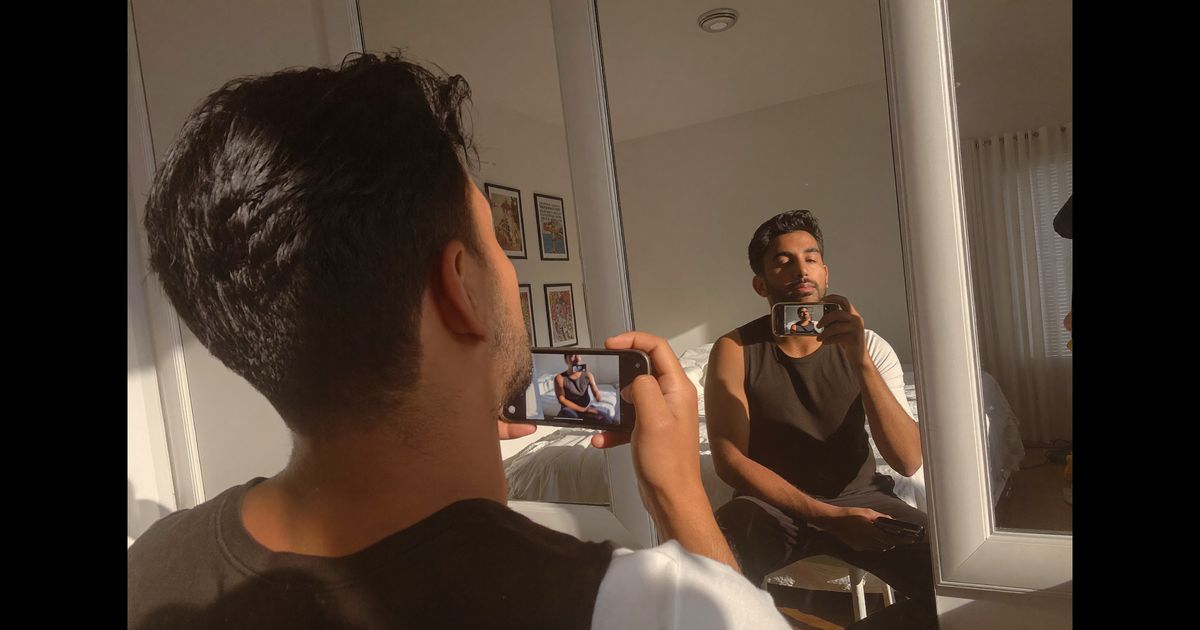
- Shot 1, The Context Reveal (0–3 sec): Show where you actually are. Vanity table, bathroom sink, dorm room desk. Include one messy real-life detail, a stray mascara tube, a half-used cotton pad tray. This is the hook. Do not show the product first.
- Shot 2, The Problem or Ritual Statement (3–8 sec): Voice-over or direct-to-camera in the creator's natural register. Hindi, Hinglish, Tamil, Bengali, whatever the creator actually speaks. Something like "Mera pigmentation bahut stubborn tha, yaar, kuch kaam nahi kar raha tha" outperforms an English-only script for audiences outside metros. ASCI guidelines require that any claim here, "reduces pigmentation," "brightens in 7 days", be factually supportable. The brand must supply the substantiation; the creator cannot improvise a claim.
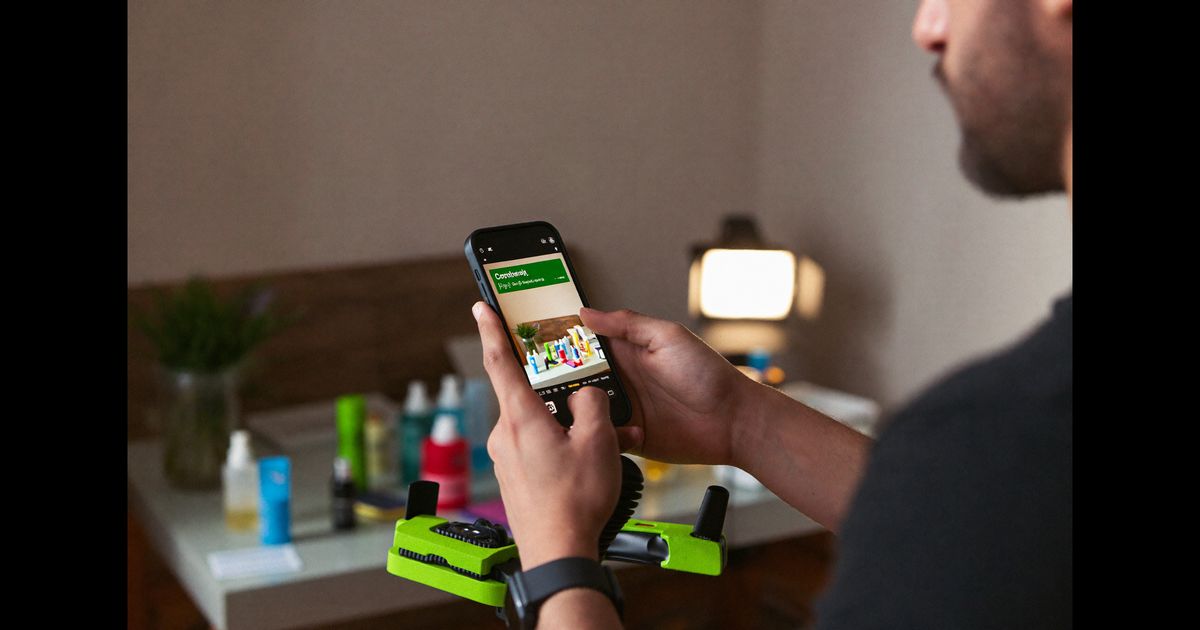
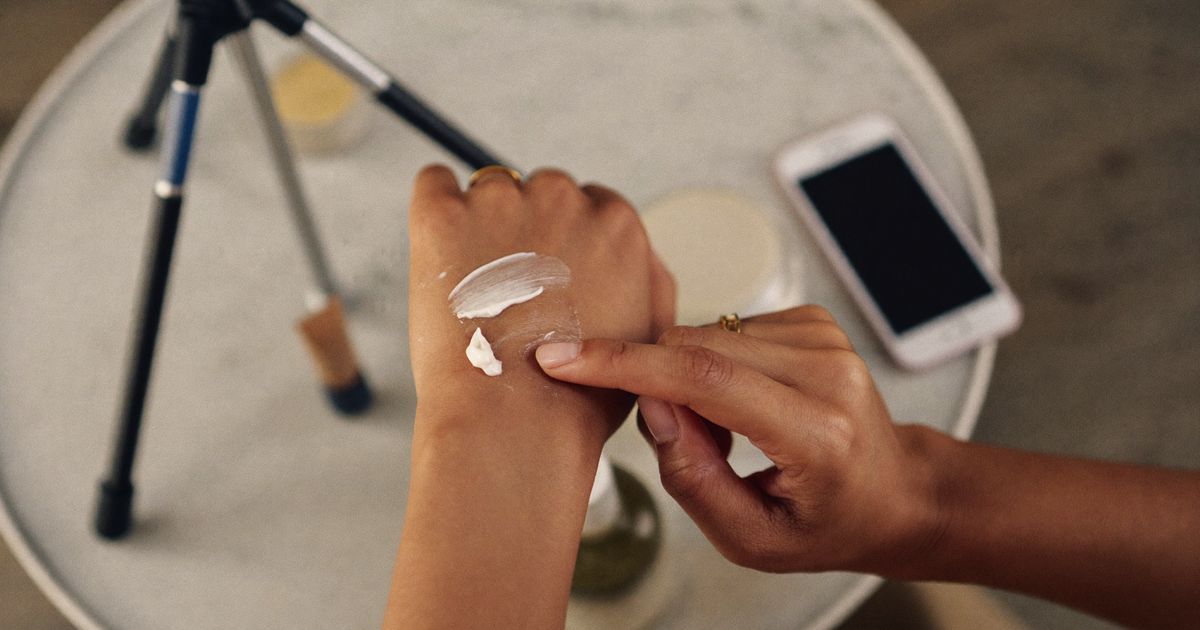
- Shot 3, The Application Close-Up (8–18 sec): Film product-on-skin in real time. Serum dropper on actual fingers, not a styled wrist. Cream blended into the neck, not just face. This is the highest-engagement segment; Meta data shows viewers re-watch application clips at 1.3× the rate of other segments.
- Shot 4, The Honest Reaction (18–25 sec): No dramatic before/after cut. A natural reaction, "okay yeh actually smells amazing" or noting a slight tackiness honestly, performs better on conversion because it signals the creator is not reciting copy. One honest negative is tolerated by audiences and increases trust scores.
ASCI Compliance for BTS Beauty Content
Behind-the-scenes framing does not exempt a creator from advertising disclosure rules. The Advertising Standards Council of India updated its influencer guidelines in 2023; the key provisions that apply directly to BTS beauty UGC:
- Any content for which the brand has provided the product, payment, or free service must carry #Ad or #Sponsored, not buried in the fourth line of a caption. On Reels, this means the label must appear within the first 3 seconds or as a persistent overlay.
- BTS framing is not a disclosure exemption. Regulators have flagged "organic-looking" beauty content from influencers that omitted disclosure; penalties include content takedown and advertiser fines.
- Claims like "dermatologist-tested," "clinically proven," or any specific percentage improvement require documentary evidence. We advise brands to include a one-page claims brief in every creator package that specifies exactly which phrases are approved and which are prohibited, this protects both the brand and the creator.
A simple practice that reduces compliance risk: add a 1-second text card at the very start of the video with the #Ad label in the brand's secondary colour, then cut immediately to the BTS hook. It satisfies ASCI and does not measurably hurt hook retention in A/B tests we have tracked.
Audio Strategy: Why Trending Audio Hurts BTS Beauty
This is the finding that surprises brands most. Instinct says: use a trending Bollywood audio or Instagram reel sound to get algorithmic boost. The data says otherwise for BTS beauty content specifically.
In a split test across 14 beauty creatives on Instagram India, BTS videos with original ambient audio (product sounds, real-time voice-over, background apartment noise) achieved a 2.1% CTR. The same footage with trending audio overlaid dropped to 1.4% CTR. The hypothesis: trending audio primes viewers for entertainment, not purchase consideration. When the sound signals "watch this for fun," swiping to buy feels misaligned. Ambient audio keeps viewers in a discovery mode where clicking a link feels natural.
The exception: if the product has an ASMR-compatible format, a jade roller, a face mist, a clay mask being mixed, the sounds themselves become the hook. We brief creators to record a 5–8 second audio-forward close-up for these SKUs specifically, often doubling as a standalone YouTube Shorts teaser.
Platform Distribution: Where Indian Beauty BTS Actually Converts
Not all platforms perform equally for this format in India. Based on tracked campaigns in 2024:
- Instagram Reels (paid + organic): Highest overall conversion volume for beauty BTS. Sweet spot length is 22–28 seconds. Link-in-bio and swipe-up drive 70–75% of attributed clicks for skincare brands targeting Tier-cities across India.
- YouTube Shorts: Lower direct conversion but significantly higher search intent spillover. Creators who mention the product name clearly in speech (not just text overlay) trigger YouTube's voice-indexed search; brands see a measurable lift in branded keyword searches within 48–72 hours of a Shorts drop. For newer brands building category awareness in cities like Lucknow, Nagpur, or Bhubaneswar, this secondary effect is worth factoring into ROI calculations.
- Instagram Stories (organic): BTS content in Stories format, behind-the-scenes "day in my skincare routine" sequences, drives the highest saves-per-view ratio of any placement (approximately 4.2% versus 1.1% for feed posts). Saves are a strong signal for remarketing pool building; a creator with 15,000 followers can generate a warm audience segment of 600–800 high-intent savers from a single 5-part Story series.
- WhatsApp Status (creator-to-community): An underused distribution layer in India. Micro-creators with active WhatsApp communities, often in regional beauty niches (Tamil Nadu natural skincare, Bengali bridal prep), share BTS clips via Status to audiences that have opted in at a personal level. Conversion data from brands that seed creators with WhatsApp-optimised vertical crops (no subtitles, louder product audio) shows purchase intent scores 30–40% higher than on Instagram from the same creator.
Budget and Creator Tier Benchmarks
Brands often ask what BTS beauty UGC costs relative to studio production. Realistic fee ranges in India in 2025:
- Nano creators (5,000–15,000 followers), 1 Reel + 1 Story set: Rs. 3,000–Rs. 7,000 per deliverable. Best for UGC-licensed content the brand repurposes in paid ads without requiring organic posting reach.
- Micro creators (15,000–100,000 followers), 1 Reel + usage rights: Rs. 8,000–Rs. 25,000 depending on category authority. Beauty micro-creators in metros command a 20–30% premium versus lifestyle generalists for the same follower count.
- Mid-tier (100,000–500,000 followers): Rs. 30,000–Rs. 90,000 per deliverable. At this tier, the BTS format adds less incremental lift because audiences expect more production value; brands should pilot BTS at nano/micro before moving budget upward.
The strongest performance-per-rupee ratio for beauty BTS sits firmly in the nano-to-micro range. A brand with Rs. 1,00,000 in creator budget gets better creative diversity, and more A/B testing data, from 10 nano creators than from one mid-tier creator with the same budget.
If you are building a beauty creator programme and want to calibrate brief structures, creator fees, and compliance workflows specific to your brand's SKU range, our team at The UGC Agency works through exactly these decisions before a single camera rolls. See how we structure engagements at our pricing page.