A brand sends a skincare kit to a creator in Bengaluru. The creator tears open the box over two minutes of shaky footage, mumbles "oh wow" seven times, reads the product name off the box because they didn't look it up beforehand, and ends with "yeah so this is it, hope you liked it." The video gets four thousand views. The brand never reaches out for a licence. That is almost every unboxing brief that lands badly, and the reasons are entirely avoidable.
YouTube unboxing content sits at an interesting intersection for Indian D2C brands: it is long enough to show product quality in real depth, it indexes well on search, and when the footage is good, brands can cut it into paid ads, retailer decks, and product pages. The problem is that most creators and brands both make the same cluster of mistakes that kill licensing potential before the video even goes live.
Mistake 1: Treating the Unbox as the Story Instead of the Setup
The physical act of opening packaging is not a narrative. It is a set piece. The story is what the product does for the person holding it. Creators who film themselves opening a box and then pivot immediately to "I'll link everything below" have given brands nothing usable. There is no moment of product-in-use, no emotional payoff, no before-and-after arc, nothing a media buyer can cut into a thirty-second ad.
What works: use the unbox as Act One. The packaging reveal creates curiosity; Act Two is first use or application; Act Three is the reaction, ideally specific enough to be credible. A creator in Pune unboxing a protein supplement should show the powder texture, mix it on camera, comment on taste and mixability, that's three licensable moments in one video. Brands are buying footage of outcomes, not footage of cardboard.
Mistake 2: Skipping the Brief Research, Then Improvising Wrong Claims
This is also where ASCI compliance becomes a real issue. Under the ASCI Code (updated 2023), testimonials and endorsements on social platforms, including YouTube, must be based on the endorser's genuine experience, and superlatives like "the best moisturiser in India" or "guaranteed results" require substantiation the creator almost certainly doesn't have. We brief creators to avoid comparative claims entirely unless the brand has cleared specific language with their legal team. A licensed video that triggers an ASCI complaint becomes a liability for the brand, not an asset, and brands know this, which is why they quietly skip licensing content that sounds legally risky.
The fix is simple: ask for a two-page brief before shooting. Product key claims (what the brand is legally allowed to say), ingredients or features to highlight, claims to avoid. A creator who can say "the dermatologist-tested formulation" correctly rather than "this cleared my skin in three days" is instantly more valuable to a compliance-conscious brand.
Mistake 3: Audio and Framing That Looks Authentic but Isn't Usable
There is a widespread belief that rough, handheld footage signals authenticity and therefore performs better. This is partly true for Instagram Reels. It is much less true for YouTube unboxings that brands want to license for paid media, where the footage gets cropped, colour-graded, and placed alongside professional assets. Usable footage needs:
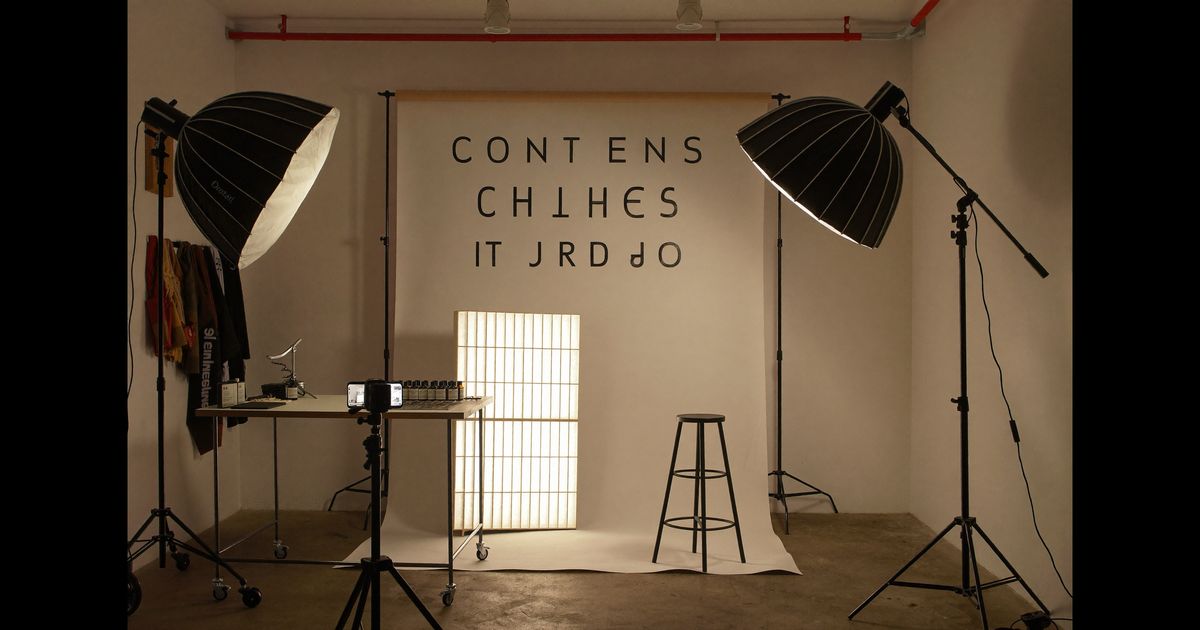
- Clean audio: A Rs. 2,500–4,000 clip-on lavalier mic (Boya BY-M1 is ubiquitous among Indian creators for exactly this reason) eliminates room echo. Brands reject clips where the creator's voice competes with a ceiling fan or traffic from a Kolkata street below.
- Stable product shots: At least three seconds of the product sitting flat, label facing camera, in natural or softbox light. This is the cutaway a brand's editor needs.
- Consistent framing across takes: If the creator films the unbox wide and then switches to a close-up with different exposure, the clips don't cut together. Film all wide shots first, then go back and film inserts, don't mix them in real time.
- Neutral or white background for hero shots: A foam board from Daiso or any stationery shop costs Rs. 50. A hero product shot on a cluttered desk cannot be dropped into a brand's paid creative.
We've seen brands pay 2–3x the standard licensing rate for footage that arrives colour-consistent and with a clean audio track. The production lift is minimal; the licensing premium is not.
Mistake 4: Not Disclosing the Brand Relationship, Then Losing the Licence Anyway
ASCI and the Advertising Standards Council's influencer guidelines (which YouTube creators must follow if they received the product free or were compensated) require a clear "#Ad" or "#Sponsored" label in the video description and, for longer content, verbally at the start. Many creators either skip this or bury it at the bottom of a 300-word description.
Brands that want to licence the content for paid media are now specifically checking for this. A video that lacks proper disclosure is a legal exposure for the brand the moment they amplify it. It doesn't matter how good the footage is. In 2024, ASCI actioned over 800 non-compliant influencer posts, brands are aware of this enforcement climate. Disclosure is not optional; it is table stakes for licensing.
The creator who adds "#Ad | Product gifted by [Brand]" in the first line of the description and says "this was sent to me by [Brand] for review" in the first fifteen seconds is immediately more licensable than the creator who hides it or doesn't bother.
Mistake 5: Sending One Video Instead of a Content Package
Brands do not buy a single unboxing clip. They buy footage that can serve multiple placements: a 15-second YouTube pre-roll, a 30-second awareness video, a 6-second bumper, a product page loop, a retailer kit. A single ten-minute unboxing video, however well-shot, may not contain enough distinct moments to satisfy all these formats.
The creators who get repeat licensing deals deliver what amounts to a raw footage package:
- The full unboxing video (published on their channel)
- A separate 60–90 second edited highlight reel in 16:9
- Three to five vertical clips in 9:16 (suitable for YouTube Shorts, Instagram Reels)
- Five to eight product-only still frames exported from the footage
- The raw .mp4 files, not a compressed YouTube export
Pricing this as a package, rather than a single video fee, is also how Indian UGC creators move from one-time gigs at Rs. 5,000–8,000 per video into retainer arrangements at Rs. 25,000–40,000 per month per brand. The package signals professionalism; the raw files signal that the creator understands post-production needs.
Mistake 6: Optimising for Views Instead of for the Brand's Use Case
YouTube's algorithm rewards watch time and engagement. Brand licensing teams reward usable moments. These are not the same objective, and optimising exclusively for one often destroys the other.
A common creator mistake is front-loading the video with a long "subscribe and comment below" segment or a two-minute lifestyle intro before the product appears. This might help retention metrics. It makes the video nearly unusable for a brand that needs the product on screen in the first ten seconds for a paid ad. Equally, creators who game the title ("I TRIED INDIA'S MOST EXPENSIVE SKINCARE, was it worth Rs. 5,000?") often write commentary that's sceptical or comparative in ways that make a brand uncomfortable licensing it for their own channels.
The fix is structural: shoot a version of the opening that works for both audiences. Start with the product in hand, state what it is and why you're testing it (five to ten seconds, clean and direct), then do whatever intro or hook the algorithm rewards. The brand gets a clean product-first open; the audience gets the personality and energy they subscribed for. This is not complicated, it is just not the default habit most creators have developed.
What Brands Are Actually Looking For
Licensing decisions, in our experience briefing both brands and creators, come down to four questions a brand's marketing team asks when they watch the footage:
- Does it show the product working, not just existing?
- Is the creator credible and specific, not vague and performatively excited?
- Is the footage technically clean enough to survive a crop and colour grade?
- Is it legally clean, disclosed, no unsubstantiated claims, no background music that would trigger a Content ID claim on the brand's own channel?
Background music is worth flagging specifically: a creator who uses a Bollywood track or a popular English song as underscore has just made the raw file unusable for any brand that doesn't own that music licence. Use royalty-free tracks from Pixabay, Uppbeat, or YouTube Audio Library. This is a small habit change that removes a recurring licensing blocker.
If you are building a YouTube unboxing channel and want your content to attract licensing deals rather than waiting for one-off gifting arrangements, the checklist above is where to start. Brands that licence creator content consistently, Mamaearth, Sugar Cosmetics, Boat, WOW Skin Science, are paying for footage that works in post-production, not footage that merely looks enthusiastic on a phone screen.
If you are a brand trying to figure out which creators to brief and how to structure a licensing-ready unboxing campaign, our team at The UGC Agency builds exactly these creator-to-brand pipelines. See how we work at /work, or book a consultation to talk through what a licensable UGC content programme looks like for your category.