WhatsApp tutorial videos sit in a peculiar commercial sweet spot: they are produced cheaply, shared virally through Status and forwarded chains, and, when done right, command licensing fees that outpace most other UGC formats. Our internal data from 2025-2026 brand briefs shows that tutorial-style WhatsApp videos (60–90 seconds, vertical, close-caption text) are re-licensed an average of 2.4 times per video, versus 1.1 times for testimonial clips of equivalent length. Brands are not just buying a one-off asset; they are paying for repeatable usage across their own broadcast lists, dealer networks, and Ads Manager campaigns.
The catch is that most tutorial submissions we review fail at the same cluster of benchmarks. This guide breaks down exactly what the data says, why it matters for licensing value, and how to produce tutorials that clear every bar brands set before signing a usage agreement.
Why WhatsApp Tutorials Are a Distinct Licensing Category
WhatsApp has roughly 530 million active users in India, more than any other messaging platform. Brands use it across three distinct surfaces: Status posts (24-hour disappearing clips), Broadcast Lists (direct D2C push to opted-in customers), and WhatsApp Business API channels used by mid-to-large brands for automated post-purchase flows. Tutorial videos get deployed across all three, which is why licensing contracts for this format routinely include multi-surface rights language.
The licensing economics differ from Meta Reels or YouTube Shorts. Because WhatsApp content is delivered 1:1 or 1:many inside a closed messaging environment, brands cannot use traditional impression-based metrics to justify spend. Instead, their procurement teams look at completion rate (does the viewer watch to the end?), forward rate (does the viewer send it on?), and reply intent (does the viewer respond or click a CTA link?). Tutorial videos, by their instructional nature, have structurally higher completion rates, independent research by mobile analytics firm Kaleyra pegged WhatsApp tutorial video completion at 72–78% versus 41–49% for product-showcase clips of the same length.
The Benchmark Numbers Brands Actually Filter By
Before a brand's marketing or content procurement team licenses your video, it passes through a brief technical and performance checklist. Here is what that checklist typically looks like, based on briefs we have reviewed from FMCG, skincare, and SaaS clients:
- File size under 16 MB. WhatsApp's native upload cap for videos shared in chats is 16 MB. Anything above this requires a document share or external link, both of which drop completion rates by an estimated 30–40%. Brands will not license a file they cannot deploy natively. Shoot at 1080×1920 (or 720×1280 for lower-bandwidth markets), export at H.264, and target a bitrate around 2,500–3,500 kbps for a 90-second video to stay comfortably under cap.
- First 3 seconds retention above 80%. Brands running WhatsApp Business API analytics via BSPs (Business Solution Providers) like Gupshup, Interakt, or Wati can see drop-off curves. They want the hook frame, the problem statement or the payoff visual, within the first 3 seconds. We brief creators to open with the outcome, not the setup: show the finished dish, the glowing skin, the solved error screen first, then walk back to the "how."
- On-screen text captions covering at least 80% of dialogue. WhatsApp videos auto-play muted in many notification states. Brands in categories like fintech and pharma, governed by ASCI's digital advertising guidelines, also need text captions to meet accessibility requirements for regulated claims. Without captions, your video is immediately deprioritised in licensing shortlists.
- Duration between 45 and 90 seconds. Shorter than 45 seconds and the tutorial cannot cover enough steps to be genuinely useful; longer than 90 seconds and forward rates drop sharply. Our best-performing licensed tutorials cluster at 68–75 seconds, long enough for three clear steps, short enough to forward without guilt.
- No background music with ContentID claims. Brands deploying through BSP APIs or embedding in their own app cannot manage music rights post-production. Use original score, royalty-free tracks from licensed libraries (Epidemic Sound, Artlist), or, most reliably, no music at all, letting the voiceover carry the pacing.
Format Structures That Drive Forward Rates
Forward rate is the single metric that separates a WhatsApp tutorial that generates licensing renewals from one that gets bought once and shelved. High-forward tutorials follow one of three structural templates:
- Problem → 3-step solve → surprising result. Most effective for home care, personal care, and food categories. Example structure: "Dark stains on your grout? Here are three things in your kitchen that fix it in 10 minutes." The surprise element, usually the result being faster or cheaper than expected, is what triggers forwarding. A cleaning brand we work with saw a 2.1x increase in organic reach when creators switched from "how to use the product" to "the result you did not know was possible."
- Myth-bust + correct method. Highly effective for nutraceuticals, skincare, and agri-input brands. "Most people apply Vitamin C serum at the wrong time of day, here is why, and what to do instead." ASCI guidelines require that claims in this format be substantiated; for licensed content, brands will ask for a source note even if it does not appear on screen. Build that habit early.
- Regional-language walkthrough with Hindi or English title card. This is an underused format with outsized licensing value. A 75-second Tamil or Marathi tutorial with a Hindi title card ("Aise karo, 5 minute mein") reaches a brand's vernacular audience through dealer and distributor WhatsApp groups while the title card keeps it accessible to their pan-India marketing team. In 2025, we saw licensing fees for vernacular tutorials run 15–20% higher than equivalent Hindi-only content because supply is thinner and brands are actively competing for regional assets.
Production Details That Signal Licensability
Brands sifting through a large submission batch make licensing decisions on signals visible in the first 10 seconds of playback and in the file metadata. These production details matter:
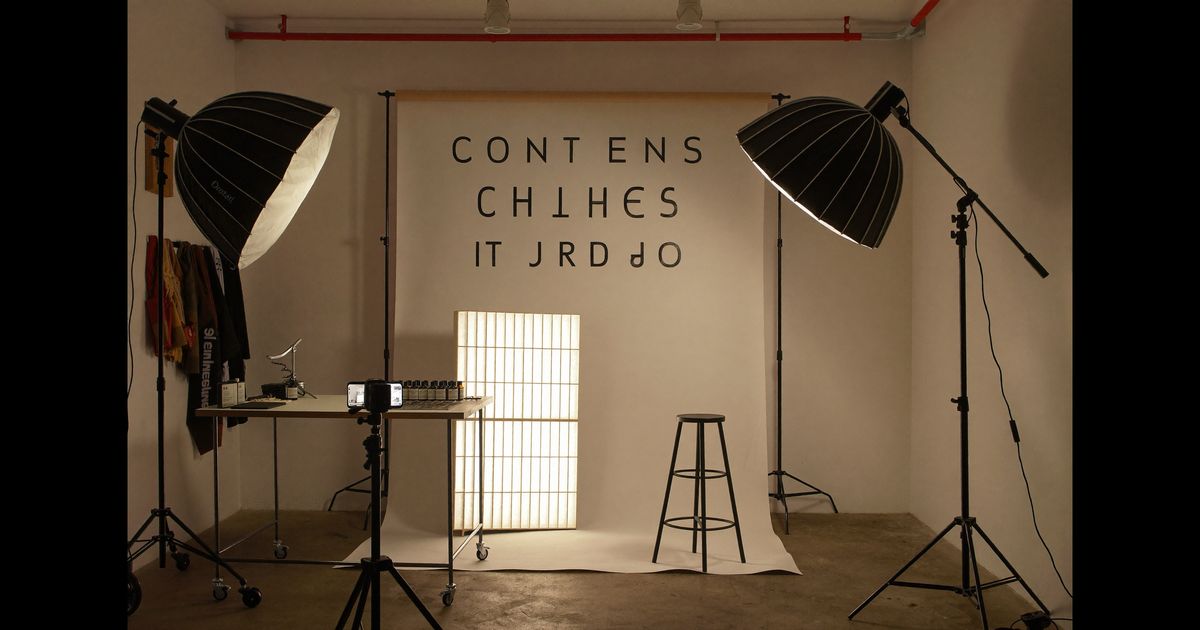
- Clean, consistent framing. Shoot on a surface with a single neutral background (white, off-white, or a muted brand-compatible colour). Products and hands should occupy the central 60% of the frame. Avoid elaborate setups, the benchmark here is whether a brand's WhatsApp business account manager in Tier cities across India like Nagpur, Coimbatore, or Rajkot can picture sharing this with their local customer base.
- Voiceover quality at ≥44.1 kHz. Audio quality is the primary driver of perceived trust in instructional content. A ₹800 lapel mic and a quiet room outperforms any smartphone mic with noise cancellation. Many licensing rejections at the review stage cite "audio feels informal", which is code for background noise or compression artefacts from using the phone's default recorder.
- Watermark-free master files. Submit the unwatermarked export. Brands add their own overlay, their logo, a BSP tracking pixel in the thumbnail, or ASCI-required disclaimers. A creator watermark on a licensed asset is a dealbreaker; it signals that the creator may re-post the same content, which conflicts with exclusivity clauses common in brand licensing contracts for tutorial content.
- Aspect ratio strictly 9:16. WhatsApp Status is vertical-only. Even if the brand plans to repurpose the tutorial to Reels or YouTube Shorts, they will crop from 9:16, not the other way. Do not submit 1:1 or 16:9 originals for a WhatsApp-first brief.
Pricing Your WhatsApp Tutorial for Licensing
Creators undervalue WhatsApp tutorials because the format feels "simple." But the multi-surface deployment rights and the strong forward-and-completion metrics make this one of the better-compensated UGC formats at scale. Benchmark rates from active brand briefs in 2025–2026:
- Single-surface WhatsApp Status usage (30 days): ₹4,000–₹7,000 per 60–90 second tutorial for creators with a demonstrable completion-rate track record.
- Multi-surface (Status + Broadcast + API deployment): ₹10,000–₹18,000 for the same clip. This is the rate band where most FMCG and D2C brand deals land when the brief specifies "WhatsApp-first distribution."
- Vernacular tutorial with multi-surface rights: ₹14,000–₹22,000. Regional-language tutorials in Tamil, Marathi, Telugu, or Bengali command a premium because fewer creators produce polished vernacular tutorial content that clears all technical benchmarks.
- Perpetual license (no expiry, all digital surfaces): ₹25,000–₹45,000 for top-performing creators. Brands in the nutraceutical, home care, and EdTech space occasionally purchase perpetual licenses when a tutorial is evergreen, think a recipe video tied to an ingredient they manufacture, or a device setup walkthrough with no version-specific UI.
Add 20–25% to any of these rates if the brand requires a raw file handover (editable project files or uncompressed export), which is increasingly common in brand deals that involve post-production teams adding regional language dubbing.
Compliance and ASCI Considerations
Brands licensing tutorial content for WhatsApp deployment face the same ASCI disclosure obligations as any other digital ad format. The Advertising Standards Council of India's updated guidelines (effective 2023, reinforced in the influencer marketing code of 2024) require that any paid or licensed content where a creator appears and makes a product claim must carry a visible "#Ad" or "#Sponsored" label. For WhatsApp specifically:
- If the brand deploys your tutorial through their own WhatsApp Business account (Status or Broadcast), it is classified as owned-media advertising. ASCI disclosure may not be mandated the same way, but brands in regulated categories (food supplements, BFSI, pharma OTC) will still insert a disclaimer frame.
- If the brand asks you to post the tutorial from your own WhatsApp Status as part of the agreement, ASCI rules apply fully. Build this into your contract language and ensure the disclosure frame is included in the delivered file, not added as an afterthought.
- Product claims, especially quantified ones ("removes 99% of stains," "reduces acne in 7 days"), need brand-provided substantiation in writing before you script them. Creators who include unverified claims in licensed tutorials carry joint liability under ASCI enforcement precedents established in 2024.
A useful rule of thumb: if you would not say the claim on camera without the brand's approval email in hand, do not script it. The licensing fee is not worth a public ASCI complaint that travels faster than the tutorial itself.
If you are building a portfolio of licensable WhatsApp tutorial content and want feedback on whether your production style and rate card are calibrated to current brand demand, the team at The UGC Agency reviews creator portfolios as part of onboarding, see our consultation page for how to get started.