A WhatsApp carousel message lands differently from a social media ad, there is no scroll-past, no competing post below it. The user opened the chat, which means attention is already higher than almost any other channel. Brands that know this are building their most conversion-focused creative specifically for the format. If you are a UGC creator who wants to move from one-off video shoots to recurring licensing deals, learning to produce carousel assets that work inside WhatsApp, both as Business API message templates and as Click-to-WhatsApp ad carousels, is one of the fastest ways to make yourself indispensable.
This guide walks through the full production workflow: from understanding what brands actually need, to shooting and editing each card, to delivering a licensable package that a brand's performance or CRM team can deploy without additional work. The formats here are based on what Indian D2C and FMCG brands are actively running in 2025–26 via the Meta WhatsApp Business Platform.
Understand the Two Carousel Contexts Brands Use
Before you pick up a camera, you need to know which type of carousel you are building. Conflating the two is the most common mistake creators make when pitching brands.
- Click-to-WhatsApp (CTWA) Ad Carousels: These are Meta Feed or Stories ads with multiple cards. Each card has an image or video, a headline, a description, and a CTA button that opens a WhatsApp conversation. The creative runs on Facebook/Instagram and drives users into WhatsApp. Indian beauty, fashion, and supplement brands use this heavily, a typical sequence might be: Card 1 (problem hook), Card 2 (product reveal), Card 3 (UGC testimonial still or short clip), Card 4 (offer/CTA). Aspect ratio is typically 1:1 or 4:5 per card.
- WhatsApp Business API Message Carousels: These are structured message templates sent directly inside WhatsApp to opted-in users, broadcast lists, re-engagement flows, or chatbot sequences. Each card holds a header image (800×400 px, JPEG/PNG under 5 MB), a body text block, and up to two buttons (quick reply or URL). Brands need the visual and copy for each card delivered in a ready-to-upload format.
When you pitch a brand, ask explicitly: "Is this for a paid ad carousel or a WhatsApp message template?" The production specs, the compliance requirements, and the licensing fee differ for each.
Plan Your Card Sequence Before You Shoot Anything
A carousel is a narrative, not a photo dump. Brands license sequences that have a clear arc because those drive swipes and replies. We brief creators to build a five-card structure that mirrors a compressed sales conversation:
- Card 1, Pattern interrupt: A tight close-up, an unexpected texture, or a relatable before-state. Text overlay: 5 words maximum. This card decides whether the user swipes right or closes.
- Card 2, Problem articulation: Show or describe the pain point in one sentence. For a skincare brand in Chennai, this might be "No sunscreen survives 3 pm in July." Keep visuals clean, busy backgrounds kill readability on a 6-inch screen.
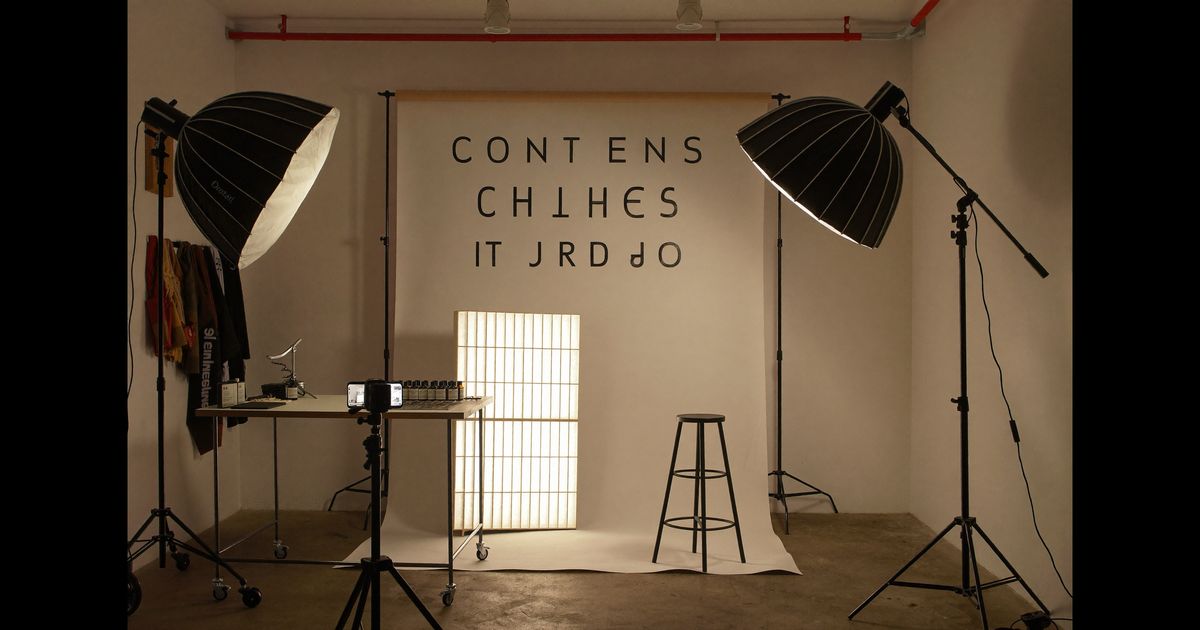
- Card 3, Product in action: Demonstration, application, or transformation. This is the workhorse card. For a food brand, this is the pour, the bite, the steam rising from the plate. Shoot in natural light or a single softbox; avoid ring-light reflections that look obviously produced.
- Card 4, Social proof or outcome: A result, a testimonial snippet (yours or a composite of real reviews), or a before/after. If you are quoting a user review, confirm with the brand that the claim is substantiated, ASCI's Digital Advertising Guidelines require that testimonials reflect genuine experience and that material connections are disclosed.
- Card 5, Offer + CTA: Discount code, free sample, limited stock message, or a simple "Reply YES to order." Keep the background visually distinct from cards 1–4 so users register the shift to action.
Write out this storyboard in a shared doc and get brand sign-off before shooting. This single step eliminates the most common revision cycle, reshooting because the brand's compliance team flagged a card after delivery.
Shooting Specs That Match the Platform's Constraints
WhatsApp API header images render at 800×400 px (2:1 landscape). CTWA ad cards are best shot at 1:1 (1080×1080 px) or 4:5 (1080×1350 px). Do not submit vertical 9:16 assets for carousels, they will be auto-cropped and your visual composition will break.
- Shoot everything at the highest resolution your phone supports (12 MP minimum), then export/resize for each use case. One shoot, two deliverables.
- Leave a 10% safe zone on all four edges, UI elements and button overlays will cover the frame borders on some devices.
- For video cards in CTWA carousels, keep clips under 15 seconds. Meta's ad system accepts MP4 up to 4 GB, but a 5–8 second loopable clip outperforms longer cuts in carousel slots because users swipe before the video ends anyway.
- File naming matters for licensing: deliver assets as brand-name_card01_1x1.jpg, brand-name_card01_4x5.jpg, etc. Brands with large marketing teams move faster when they can sort your files without renaming them.
Copy, Compliance, and the ASCI Rules You Cannot Ignore
WhatsApp message templates go through Meta's approval process, which checks for prohibited content, misleading claims, and deceptive framing. CTWA ads run through the same ad policy review as standard Meta ads. Both layers mean your copy needs to be clean before it even reaches the brand's compliance team.
- Health and efficacy claims: If you are producing for a nutraceutical, Ayurvedic, or personal care brand, do not write "cures", "treats", or "clinically proven" unless the brand provides the substantiation document. Write "supports", "helps", "formulated with" instead. This applies equally to creators and brands under ASCI's Health & Personal Care guidelines.
- Discount and pricing claims: "Up to 50% off" is fine if at least one SKU carries that discount. "Starting at Rs. 299" requires that product to be in stock. Brands that license your template and then find the claim lapsed will not renew the contract, protect your reputation by flagging perishable offers.
- Language mixing: Indian WhatsApp audiences respond strongly to Hinglish or regional-language overlays. A card with Hindi headline text and English body copy outperforms all-English for mass-market FMCG in UP, Bihar, and Rajasthan. If you are producing for a brand targeting Tier cities across India, offer a second language variant as a paid add-on, it doubles your per-project income with minimal extra effort.
- Disclosure for sponsored content: ASCI requires disclosure when a creator is paid to produce content. If the brand is licensing your creative for their own ads (not you posting it on your handle), the disclosure obligation shifts to the brand. Clarify this in writing in your licensing agreement.
Packaging Your Work for Licensing
The difference between a creator who gets a one-time payment and one who gets a six-month licensing fee is usually in how they deliver. Brands are paying for the right to use your face and creative across a channel they own, that is more valuable than a single-use content fee, and your delivery package should reflect it.
- Include a usage brief: A one-page PDF (or even a Notion page) that tells the brand exactly where each asset is designed to run, the recommended button text for each card, and the ideal message timing for re-engagement sequences (e.g., "Card sequence performs best 3–5 days post-purchase for upsell flows").
- Offer two licensing tiers: A base rate for 90-day use on WhatsApp only, and a higher rate for 180-day use across WhatsApp + Meta ads. In our production work, we see Indian D2C brands licensing WhatsApp carousel UGC in the Rs. 8,000–25,000 range per sequence for 90 days, with top-performing creators in beauty and wellness commanding Rs. 30,000–50,000 for multi-channel, six-month deals.
- Provide raw card assets separately from composited versions: The brand's design team may want to swap the text overlay or update a price point without reshooting. Deliver layered PSD or editable Canva files alongside the final exports.
- Retain your raw footage: Hard drives are cheap. A brand that comes back six months later for an updated carousel sequence will pay premium rates if you can deliver matching visuals from the original shoot.
What Makes a Sequence Get Licensed Again and Again
Renewals are where the real income is. Brands re-license carousel sequences that demonstrably drove WhatsApp opt-ins, replies, or conversions. You will not always see this data, but you can engineer for it.
- Keep your face consistent across cards, brand managers report that carousel sequences featuring the same creator throughout generate stronger recall and reply rates than sequences that mix visual styles per card.
- End on a frictionless CTA. "Reply YES to get 10% off your first order" converts better than "Visit our website." The entire point of a WhatsApp carousel is to start or continue a conversation inside the app.
- Ask for performance data. Some brands will share open rates or reply rates from their Business API sends. Even a one-line Slack message, "that sequence got a 28% reply rate on our Diwali broadcast", is a case study you can use in your next pitch deck.
- Build a small portfolio of WhatsApp-specific work. Screenshot the carousel as it appears on a real device (your own WhatsApp preview or a business account test send). Buyers respond far more strongly to a mock-up that looks like an actual WhatsApp conversation than to a flat image grid.
The brands we see return most consistently to the same creators are not always the ones with the best visuals, they are the ones who made deployment effortless. If the brand's team can go from your delivery folder to a live WhatsApp broadcast in under 30 minutes, you have solved a real operational problem and that is worth more than any single creative metric.
If you are building a creator business that goes beyond one-time shoots, WhatsApp carousel production is worth learning properly, it sits at the intersection of performance marketing and conversational commerce, and Indian brands are investing in both right now. If you want to see how brands brief creators for these formats or understand what a licensing agreement looks like in practice, the work we do with brands is a good starting point.