TikTok's ban in India since June 2020 means the platform itself is off the table, but the storytelling craft it popularised lives on, thriving across Instagram Reels, YouTube Shorts, and home-grown apps like Moj and Josh. More importantly, the licensing market for short-form creator videos has only grown: D2C brands, FMCG companies, and SaaS startups actively hunt for creator footage they can buy, whitelabel, or run as paid ads. If you want your content to sit inside that pipeline, earning a licensing fee on top of your organic reach, the skills you need are the same ones TikTok storytellers built. This guide shows you how to build them, step by step, for the Indian market.
One clarification upfront: throughout this article, "TikTok-style story" means a vertical, 15–60 second, single-idea narrative delivered directly to camera or through a tight visual sequence, the format, not the app. That format is what brands are licensing right now on Reels and Shorts.
Step 1, Understand What Brands Actually Pay to License
Before you film a single frame, you need to know what makes a video licensable versus merely watchable. In our production work briefing creators for Indian D2C clients, the ask almost always boils down to three criteria:
- Brand-safe authenticity: The video must feel unscripted but contain no claims the brand cannot legally stand behind. Under ASCI's Guidelines for Influencer Advertising in India, any material connection between a creator and a brand must be disclosed, this applies even to licensed content the brand later runs as a paid ad. Brands will not touch footage that could expose them to an ASCI complaint.
- No third-party IP: Background music, logos on clothing, and copyrighted artwork in the frame can void a licensing deal entirely. Shoot in clean environments or use royalty-free tracks from platforms like Artlist or Epidemic Sound. In practice, Indian creators often record in their own homes or rented studio flats in cities like Bengaluru, Pune, or Hyderabad for exactly this reason.
- Horizontal reusability: A video shot in Hindi with hard-burned subtitles cannot be re-versioned for a Tamil or Marathi audience. Brands pay a premium for clean audio and a separate subtitle file, because they can then dub or subtitle for multiple language markets without reshooting.
Licensing fees in India currently range from Rs. 3,000–8,000 per video for a one-time usage license on a single platform, to Rs. 15,000–40,000 for an unlimited digital license that lets the brand run the video as paid ads across Meta and Google. Knowing this range tells you which tier to aim for.
Step 2, Structure Your Story in Three Beats
The single biggest reason creator videos get passed over for licensing is structural: they meander. Brands need a video they can drop into an ad account and trust it to complete a micro-journey in under 45 seconds. Train yourself to write every story in exactly three beats.
- Beat 1, The Hook (0–3 seconds): A visual or spoken statement that creates instant tension or curiosity. Not "Hi guys, today I'm going to tell you about…", that opener loses 70% of viewers before the product appears. Instead: show the problem in action. A creator we brief for a skincare brand in Mumbai opens with a close-up of her face before moisturiser, saying "Three months ago I was cancelling plans because of this." The product appears at second 12.
- Beat 2, The Demonstration (4–35 seconds): Show the product or service solving the exact problem from Beat 1. Keep hands in frame if you're demonstrating physically. Cut B-roll tight, two seconds per shot maximum. If you're doing a SaaS walkthrough, record your screen with a face-cam overlay so the video stays personal, not just a screen recording.
- Beat 3, The Resolution (36–45 seconds): A real outcome, not a vague promise. Numbers work ("down from Rs. 1,200 to Rs. 400 per order"), emotions work ("I actually went to the wedding"), and before-and-after visuals work best of all. End on your face, not on the product, it feels more human and performs better in feed.
A three-beat structure is not a script, it is a container. The words inside it should feel like yours. Brands can spot a stiff read from a kilometre away, and they will not license it no matter how pretty the lighting is.
Step 3, Shoot for Brand Flexibility From the First Frame
Licensable footage is technically clean footage. Here is the production checklist we send every creator before a shoot:
- Resolution: Shoot at 1080p minimum, 4K if your phone supports it. Brands sometimes crop for different aspect ratios (1:1 for feed, 9:16 for Stories/Reels, 16:9 for YouTube pre-roll) and need room to reframe without pixelation.
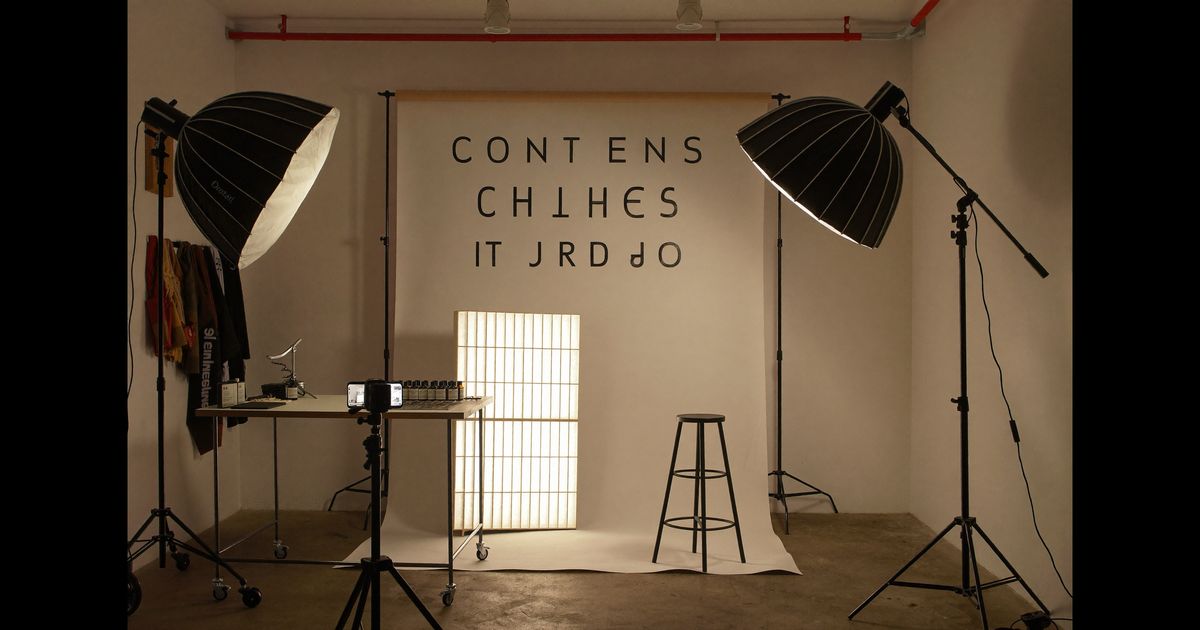
- Lighting: Natural light from a window works perfectly well in most Indian apartments between 7–10 AM and 3–6 PM. Avoid shooting under harsh overhead tube lights, the blue-green cast makes skin tones look unwell and is hard to correct in post. A Rs. 1,200–2,000 ring light from Amazon India or a local electronics market solves the problem for indoor shoots at any hour.
- Audio: Your phone's built-in mic is acceptable for outdoor natural sound, but for direct-to-camera speaking, a clip-on lavalier mic (Rs. 800–1,500 on Flipkart or Meesho) is non-negotiable. Brands frequently re-dub or add voice-over, and they need clean original audio as a reference track.
- Headroom and breathing room: Keep your face centred with 10–15% empty space above your head and on both sides. Text overlays and brand logos need somewhere to live in the final cut.
- Deliver raw + edited: Send the brand a lightly colour-corrected version and the raw clip. Some clients want to handle colour grading internally for brand consistency, especially FMCG companies with strict visual brand guidelines.
Step 4, Write a Hook Line That Works in Any Language
India's brand licensing market is multilingual. A video that hooks an audience in Bengali may need to be re-versioned for Kannada or Gujarati buyers. The way to make your Hindi or English hook translatable is to root it in a universal emotion rather than a culture-specific reference.
Compare these two openers for a budget meal-kit brand:
- Weak (culture-specific): "Maa ke haath ka khana toh sabko yaad aata hai…", this resonates deeply in Hindi but loses meaning when dubbed into Tamil.
- Strong (universal): "I made a full thali for Rs. 85. Let me show you exactly how.", this translates cleanly into any language because it leads with a concrete, verifiable fact.
When we brief creators for brands that operate across multiple Indian states, we specifically ask for hooks built around numbers, visible outcomes, or universally relatable physical sensations (hunger, discomfort, fatigue). These travel across language lines without losing their pull.
Step 5, Build a Portfolio That Brands Can Actually Evaluate
Most Indian D2C brands and their agency buyers do not license from creators they cannot assess quickly. Your portfolio should do three things in under two minutes of browsing:
- Show range: Include at least one video per category you want to work in, skincare, food and beverage, apparel, tech accessories, fintech. If you only have one niche, that's fine for now, but label it clearly. A fintech brand will not scroll past ten skincare videos to find the one relevant example.
- Prove licensing readiness: Add a one-line note on each video: "Clean audio delivered separately / no third-party music / full raw files available." This signals professionalism immediately.
- Host it sensibly: A Google Drive folder with a naming convention (CreatorName_Brand_Date_Platform) is more trusted than a personal Instagram grid. Brands want downloadable files, not public social posts.
Pricing your portfolio tier is worth stating plainly: start with a standard license at Rs. 5,000 per video for single-platform, 30-day use. Once you have three or four successful placements, move to Rs. 8,000–12,000. Unlimited digital ad rights justify Rs. 20,000 and above once you can demonstrate your content drives measurable results, screenshot the brand's ad creative in the wild, note the engagement or conversion data if the brand shares it, and use that as social proof in your next negotiation.
Step 6, Approach Brands and Agencies the Right Way
Cold outreach works in India if it is specific. A message that says "Hi, I make UGC videos, interested?" gets ignored. A message that says "I noticed your Reels aren't using direct-to-camera testimonials, I've made three similar videos for skincare brands in Bengaluru, and I can send you sample raw files this week" gets a reply.
- Target D2C brands on Shark Tank India seasons 1–4, they have public traction, real ad budgets, and are familiar with creator content. Many are headquartered in Mumbai, Delhi, and Bengaluru, but they ship nationally and need multi-city, multilingual creator voices.
- Reach out to performance marketing agencies directly. Agencies buying Meta and Google ad inventory are always looking for fresh creative because ad sets fatigue in two to four weeks. They are volume buyers, one agency relationship can mean five to ten videos per month.
- Use LinkedIn for the first contact, Instagram DMs for the follow-up. In our experience, decision-makers at Indian growth-stage brands check LinkedIn more carefully than email, especially for vendor relationships.
If you are ready to start producing licensable short-form content but want a framework that connects you directly with brand buyers, take a look at how The UGC Agency structures creator-brand partnerships, our process is designed to get your footage in front of the right people efficiently.