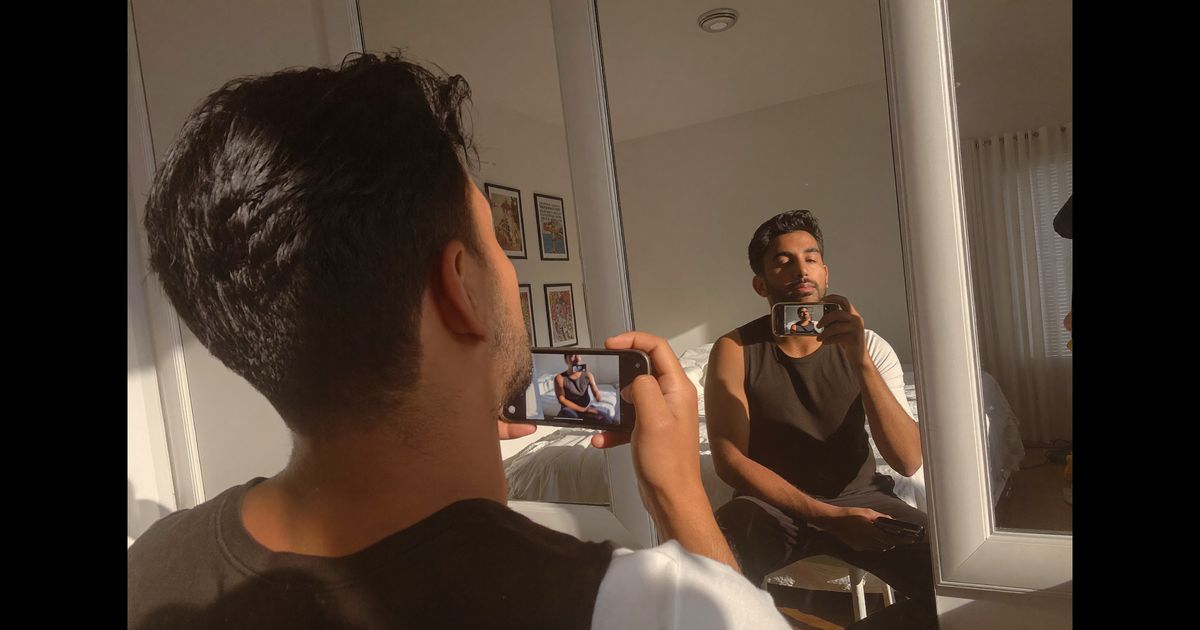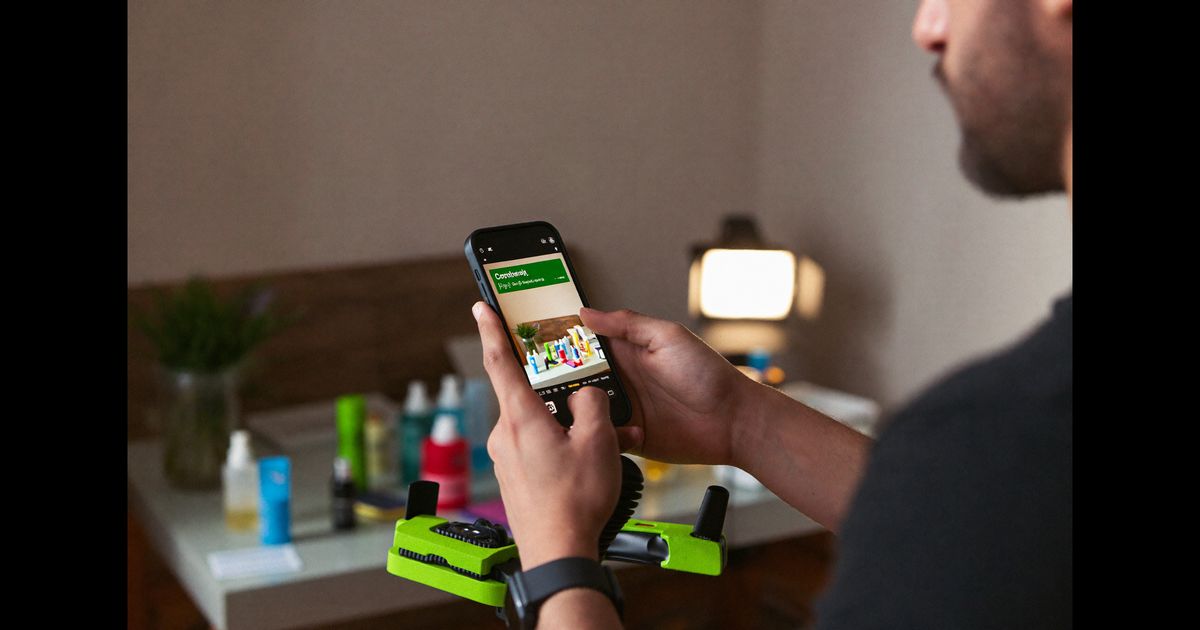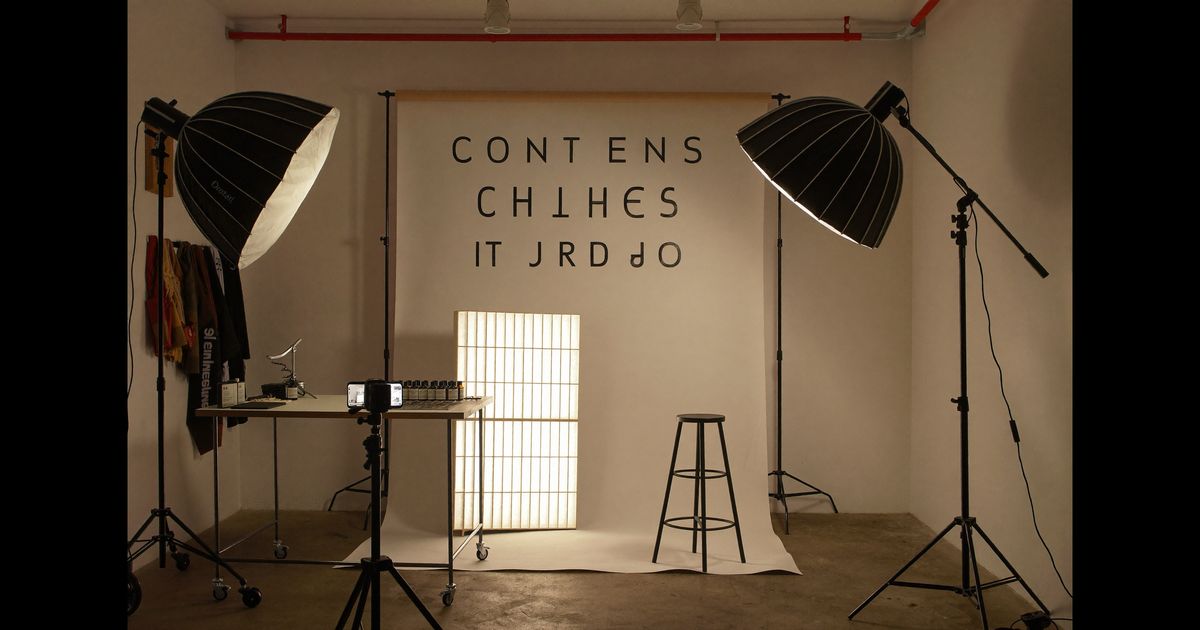
A quick reality check before we get into the playbook: TikTok has been banned in India since June 2020, so any strategy framed purely around that platform is moot for Indian brands. What is directly applicable, and where Indian brands are actively paying creators to license content, is the behind-the-scenes (BTS) short-form format that TikTok popularised. That format now lives on Instagram Reels, YouTube Shorts, and homegrown platforms like Moj and Josh. The production logic, the creative structure, and the licensing mechanics are virtually identical. This playbook uses that format for what it is: a transferable discipline, not a platform-specific trick.
If your brand is already running UGC at scale, you have a roster of creators, a content calendar, and a system for approvals, BTS content is the next layer of leverage you are probably underusing. Unlike polished product demos, authentic BTS clips carry a documentary credibility that brands struggle to manufacture in-house. The challenge is not making BTS content; creators shoot it all the time. The challenge is making BTS content that passes your brand safety bar and is structurally licensable for paid distribution.
Why BTS Content Commands Higher License Values
In our production work, we have seen brands pay meaningfully more for BTS clips than for standard UGC testimonials, not because BTS is inherently rare, but because most of it is unusable. Creators who understand what makes BTS licensable can price their work accordingly. Here is what brands are actually buying:
- Process credibility: Footage that shows the product being used in a real-world workflow, a Mumbai-based skincare creator doing her morning routine, a Bengaluru home baker using a specific flour brand mid-recipe, gives the brand a narrative anchor that a talking-head testimonial cannot replicate.
- Organic audio-visual texture: Slightly imperfect lighting, ambient kitchen sounds, a half-visible second person in the frame, these cues signal authenticity to algorithms and to audiences. Brands running this as paid media in Meta's Advantage+ placements have found that "lo-fi" BTS outperforms polished studio cuts in CPL comparisons, particularly in Tier 2 markets like Jaipur, Indore, and Coimbatore where over-produced creatives read as distant.
- Story arc in under 60 seconds: The best BTS clips have a mini-narrative: problem visible at the start, product enters the frame, outcome shown at the end. This arc makes them viable for both organic Reels and for paid pre-roll on YouTube Shorts without heavy editing.
The Brief Structure That Produces Licensable BTS
Generic BTS briefs produce generic BTS footage. We brief creators with a three-part structure that dramatically improves the yield of usable clips per shoot:
- The entry moment (0–3 seconds): Something is visibly in motion, hands unpacking, a product being poured, a screen being tapped. No cold opens with a creator speaking to camera. The brand's category intelligence should be established before a single word is spoken.
- The candid middle (3–45 seconds): The creator narrates as if talking to a friend, not to a camera. In Hinglish or the regional language that fits their natural register, a Tamil creator explaining why she switched hair oils in Tamil-English code-switching is far more convincing in markets like Chennai and Coimbatore than the same script in standard Hindi. We do not give word-for-word scripts for this section; we give outcome prompts ("tell us the one thing you noticed after the third use").
- The clean close (last 5–8 seconds): Product in frame, creator's face visible, no background music that will create copyright clearance issues. This section is shot separately so the brand can cut the video at the close if they need a shorter paid placement.
One non-negotiable we enforce at the brief stage: creators must disclose the commercial relationship. Under ASCI's updated influencer guidelines (effective 2021, enforced actively since 2023), any content made under a brand relationship requires a visible "AD" or "Paid Partnership" label in the post itself, not buried in hashtags. Brands licensing BTS content for paid distribution need the creator to have made the original organic post with this disclosure, otherwise the licensed version carries regulatory risk when boosted.
Shooting Formats That Survive the Edit
Most BTS footage is shot as a single continuous clip, which makes it nearly impossible for a brand's performance team to splice, trim, or repurpose. We ask creators to adopt a modular shooting approach:
- Vertical 9:16 throughout: Even if the creator suspects a horizontal cut might look better, everything is shot vertical-first. Instagram Reels and YouTube Shorts penalise cropped horizontals; the black bars signal "repurposed content" to platform recommendation engines.
- Three B-roll cutaways per session: Close-up of the product label, hands interacting with packaging, and the product in its "resting" context (on a shelf, a dressing table, a kitchen counter). These three shots alone allow a brand editor to build a 15-second paid creative without touching the creator's main footage.
- No copyrighted audio in the raw export: Creators should deliver a clean audio version (voice + ambient only) alongside any version with trending audio. When the brand runs the clip as paid media, trending audio from a platform's sticker library is stripped automatically, a clean audio version prevents the clip from sounding dead when that happens.
- Filename convention and resolution: Deliver at 1080x1920 minimum, 30fps. Filename format: BrandName_CreatorHandle_YYYYMMDD_v1.mp4. This sounds bureaucratic but it prevents the chaos of a brand team receiving fifteen clips named "VID_20260415.mp4" from different creators and losing track of usage rights for each.
Licensing Terms Brands Actually Accept
The biggest friction point between Indian creators and brand licensing desks is not creative quality, it is unclear rights. Brands running performance campaigns need clarity on three axes:
- Duration: Most mid-size D2C brands in India want a 6-month paid usage window as a minimum. If a creator sells 30-day rights, the brand's media buyer cannot plan a full quarter around it. Pricing BTS content with a 6-month or 12-month paid usage window upfront, rather than charging for extensions, removes the friction that kills deals.
- Platform scope: Specify "Meta (Facebook + Instagram paid placements), YouTube pre-roll, and brand-owned channels" explicitly. Do not write "digital rights", it means nothing to a legal team. A BTS clip licensed at Rs. 8,000–15,000 for organic use typically commands Rs. 25,000–50,000 for full paid media rights across Meta and YouTube, depending on the creator's following and the brand's category.
- Exclusivity window: Brands in competitive categories (personal care, edtech, food delivery) often request a 90-day exclusivity clause, meaning the creator does not produce BTS content for a direct competitor during that window. This is reasonable and worth charging for: a Rs. 5,000–10,000 exclusivity premium is standard in our agreements.
A creator who delivers a technically clean clip with a clear 6-month paid usage license is three steps ahead of a creator who delivers better footage with ambiguous rights. Brand procurement teams make the final call, not the creative director.
Scaling BTS Across a Creator Roster
For brands managing five or more creators simultaneously, ad hoc BTS shoots become a coordination problem quickly. The structure that works:
- One "anchor BTS" per campaign phase: Commission one longer-form BTS clip (60–90 seconds) that serves as the editorial backbone. From this, three to four shorter paid media cuts (15s, 30s) are derived by the brand's editor.
- Regional language variants as separate briefs: A Hindi BTS for north India and a Telugu or Kannada BTS for south India are not the same brief with a translated script, they require different creators, different cultural references, and often different product use-cases to land authentically. Brands that treat regional language BTS as a dubbing exercise consistently underperform against brands that brief regional creators natively.
- A/B rotation with consistent product messaging: When running multiple BTS clips as paid media, vary the creator and the context (kitchen vs. gym vs. office) but keep one product claim constant across all variants. This gives the performance team a clean signal on which context drives conversions, rather than conflating context and claim as variables simultaneously.
The Compliance Layer Brands Cannot Skip
BTS content sits in a regulatory grey zone that catches brands off guard. Because it looks organic, teams sometimes assume it does not need the same compliance pass as a scripted ad. It does:
- Any health or efficacy claim visible in a BTS clip, even a creator saying "my skin improved in two weeks", must be substantiated under ASCI guidelines and, for regulated categories like Ayurvedic products or supplements, reviewed under AYUSH/FSSAI advertising norms before the clip is boosted as paid media.
- If a creator mentions a price or offer in the BTS clip, that price must be current at the time of distribution. BTS content has a longer shelf life than promotional posts, so either keep pricing out of the spoken content, or flag the clip for archival once the promotion ends.
- For brands selling to audiences that include minors (toys, edtech, food), ASCI's guidelines on advertising directed at children apply to paid social regardless of the content format.
The brands that consistently build strong licensable BTS libraries treat compliance not as a blocker but as a brief input, the creator knows from day one what cannot be said or shown, so the footage arrives clean rather than requiring post-production redaction.
If your brand is ready to build a systematic BTS content pipeline, one that produces footage you can actually run in paid media, not just post organically, our team at The UGC Agency works with D2C and FMCG brands across India to design exactly that. See how we structure creator programs at our work page, or reach out directly through a free consultation.