Snapchat sits at an interesting edge of India's creator economy, its daily active user base here is smaller than Instagram or YouTube, but the brands licensing Snapchat-style unboxings are not primarily interested in Snapchat reach. They want the format: raw, first-person, fast-cut vertical video that feels genuinely surprised rather than staged. Unboxings shot with Snapchat's aesthetic, close crops, ambient sound, slightly shaky handheld movement, are consistently among the highest-performing creatives when repurposed to Instagram Stories, Reels B-roll, and performance ad sets. The licensing opportunity is real, and the gap is in knowing exactly how to produce these videos so a brand's media buyer can drop them straight into a campaign.
This guide walks through the entire production process: pre-shoot prep, the shoot itself, edit decisions, and the three things brands check before they license any unboxing clip. Follow these steps and you move from "creator who makes unboxings" to "creator whose unboxings are worth paying for."
Understanding What Brands Actually Want to License
Before picking up your phone, it helps to think like the brand-side buyer. A D2C skincare label in Bengaluru running Meta ads at Rs.80,000 per month does not need beautiful footage, they need footage that converts. What converts in a short-form unboxing ad is:
- A hook in the first two seconds, something physical happening (tape being pulled, a lid popping, tissue paper crinkling) rather than a talking head saying "okay so I got this package."
- Authentic sound design, the thud of a box on a table, the scratch of cardboard, the snap of a product seal. Brands have learned that clean audio of unboxing sounds in the mix dramatically increases watch-through on muted autoplay feeds.
- No watermarks, no brand overlays, no creator handle in frame, licensed content must be clean so the brand can add its own end card, compliance disclaimers, or retargeting copy.
- ASCI-compliant framing, under India's ASCI guidelines, any content where a creator receives a product for review or is compensated must carry a disclosure. When producing for licensing specifically, you as the creator and the brand both need to agree upfront on where the #Ad or #Sponsored tag appears and whether it lives in the caption or is burned into the video. Brands that intend to run licensed clips as paid ads carry that disclosure responsibility themselves, but creators should confirm this in writing before signing any licence agreement.
Pre-Shoot Checklist: Set Yourself Up to Deliver a Clean Master
The most common reason an unboxing does not get licensed is that the creator shot it for their own channel without thinking about the downstream buyer. Fix this before you start recording.
- Clear your background. A courier box arriving in a cluttered Delhi apartment with laundry visible behind you will not be usable in a premium D2C ad. A clean floor, a plain bedsheet backdrop, or a wooden table surface all work. Brands from the FMCG and wellness category particularly prefer neutral warm tones.
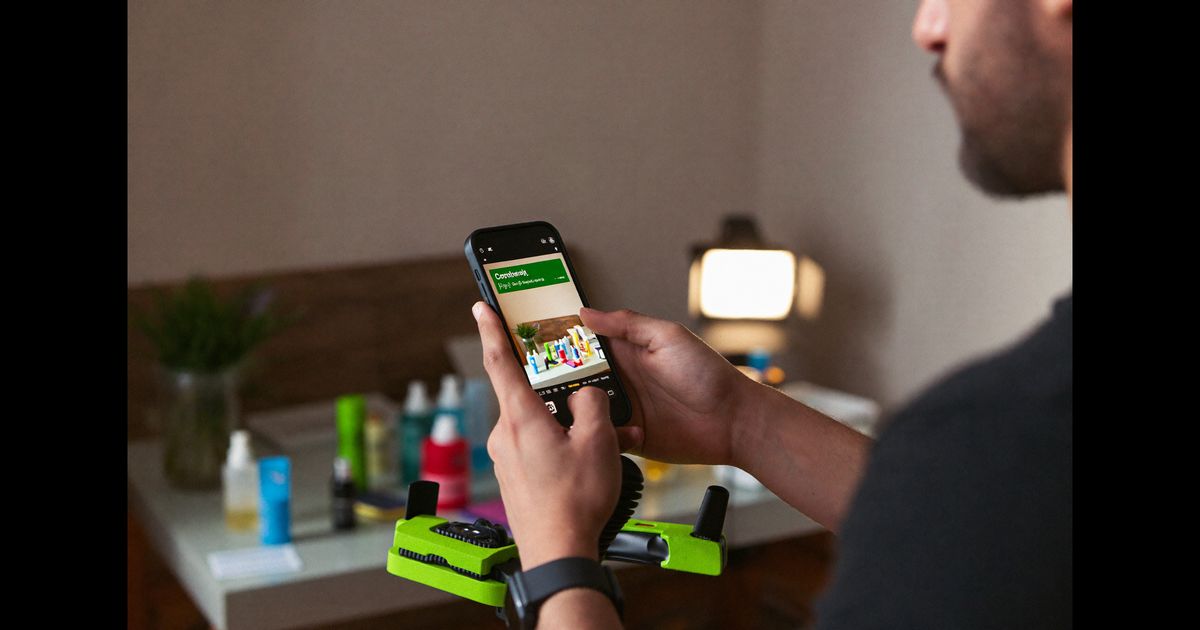
- Shoot in 1080p or higher, in 9:16. Snapchat's native format is vertical, which is exactly what Instagram Stories and Meta ad placements need. Lock your phone to 1080p 30fps minimum, 4K if your device allows, since it gives the brand latitude to crop for 1:1 or 4:5.
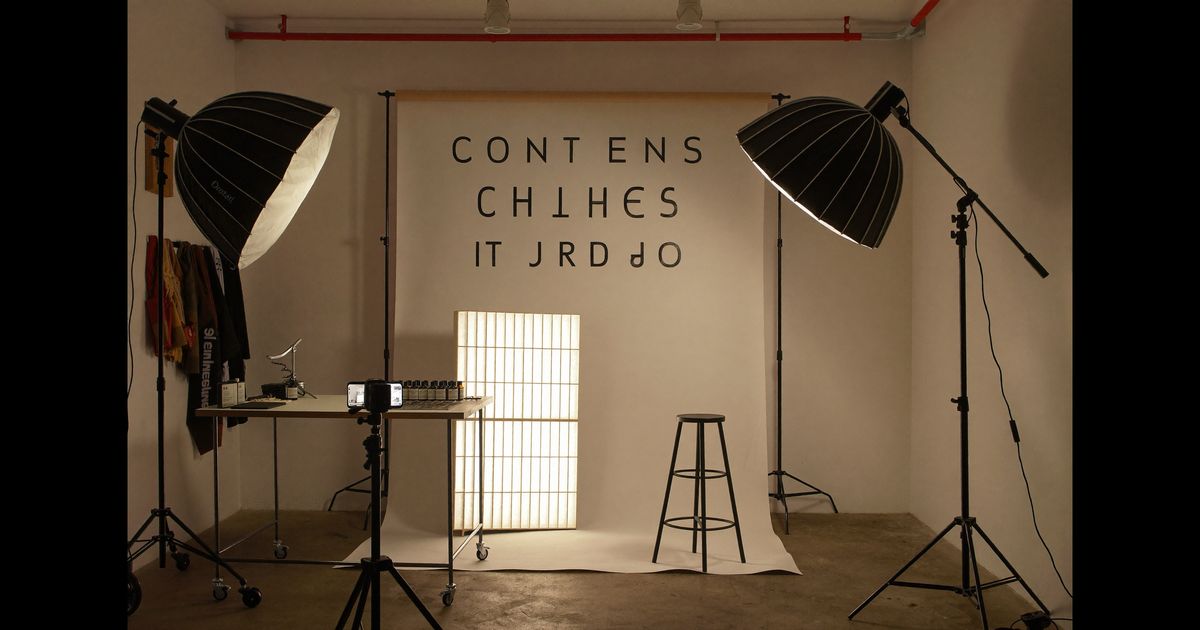
- Silence your environment. Mumbai traffic outside a window, a TV on in the background, a ceiling fan, all of these destroy the usability of the audio track. Use a clip-on lavalier mic (budget option: the Boya BY-M1, available on Amazon India for around Rs.1,200) or at minimum close windows and doors.
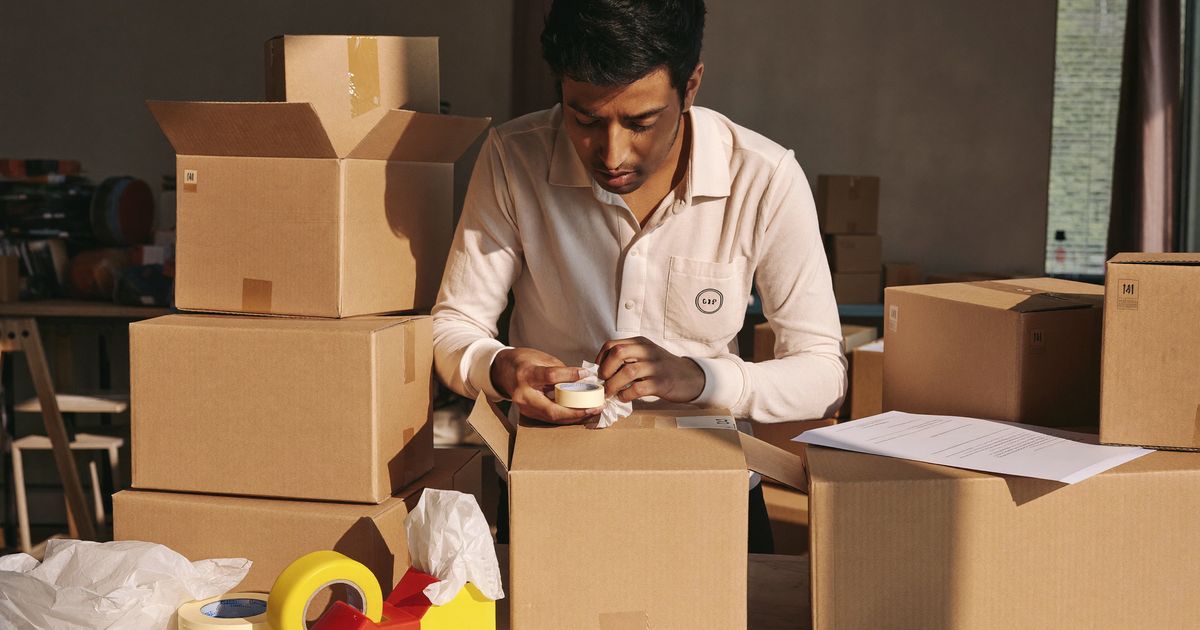
- Do a dry run. Open a similar-sized box once before you shoot the real thing. This sounds obvious but most creators skip it, leading to fumbled tape-cutting, awkward pauses, and a 15-minute shoot that yields nothing usable in the first 10 seconds.
- Confirm product receipt details with the brand. We brief creators to confirm: is this the final packaging the brand is shipping to customers, or a sample version? Licensing an unboxing of prototype packaging that changes before launch wastes everyone's time.
The Shoot: Snapchat's Aesthetic Is a Production Choice, Not an Accident
Snapchat-style video looks casual because it is shot at arm's length, slightly overhead, with small intentional movements. It does not look casual because the creator did not care. Here is how to hit that aesthetic deliberately:
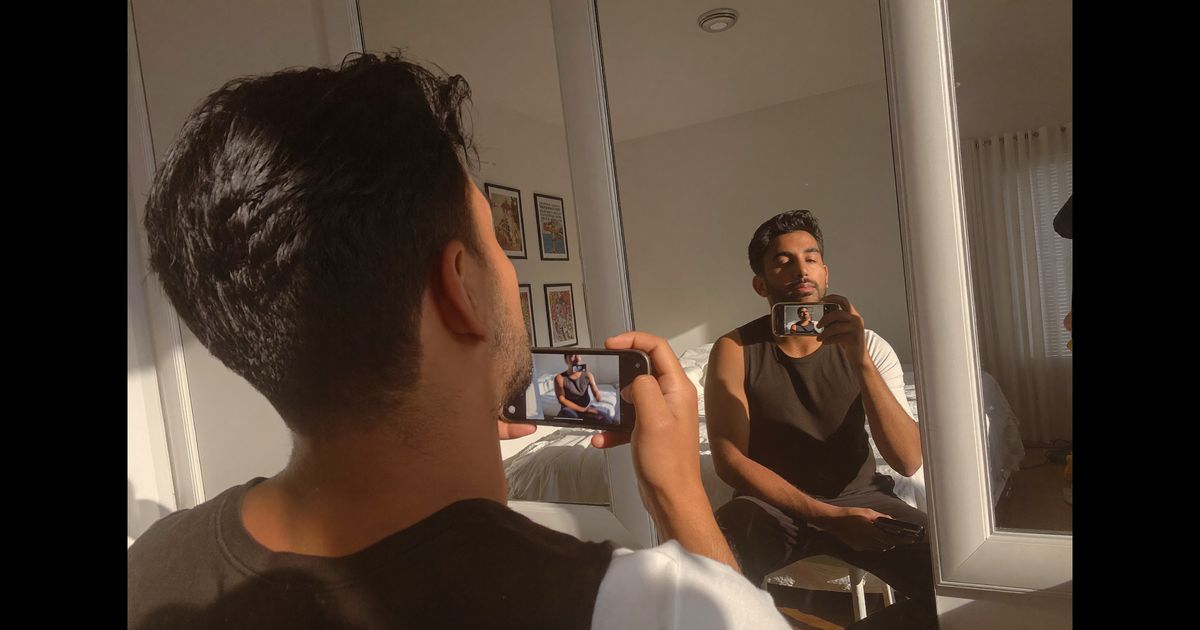
- Frame at a 45-degree angle, overhead. Hold your phone above the box and tilt down. This puts the product and your hands both in frame, which is the natural unboxing perspective. Avoid straight-on face-to-camera framing for the entire video, that is a talking-head format, not an unboxing.
- Let the hands do the storytelling. Your hands are the protagonist. Slow pull on the tape. Lift the lid. Pause before revealing the product, two seconds of hesitation creates anticipation without needing any words.
- Use two clips, not one long take. Cut 1: the outside of the package arriving (even if it is just the box on a surface). Cut 2: the inside reveal. This two-beat structure is the native edit rhythm for short-form vertical video and gives the brand a natural splice point.
- React genuinely, briefly. A quick "oh this is nice" or holding the product up to camera for three seconds lands better than a scripted monologue. Brands licensing unboxings want authentic micro-reactions, not a product demo.
- Shoot in Hindi, English, or the regional language relevant to your audience, but keep spoken content minimal so the clip can be licensed into markets or demographics different from your own. A Tamil creator in Chennai shooting with minimal dialogue can have their unboxing licensed for a national campaign; heavy dialect-specific commentary limits usage.
One thing we consistently see: the clips that brands want to license are rarely the most polished ones. They are the ones where something small goes authentically right, the gasp when bubble wrap pops, the creator holding a perfume bottle up to the light. Produce with intention, but do not over-direct your own reaction.
Editing for Licensability: What to Keep and What to Cut
You have shot your footage. Now edit it with the brand buyer in mind, not your existing follower base.
- Deliver a 15-second master and a 30-second master. Meta ad placements, Snapchat Story ads, and YouTube bumpers all have different preferred lengths. A creator who delivers multiple cut-downs in the same licensing package can charge more and gets repeat commissions. Standard UGC licensing rates in India for a 15-second and 30-second cut-down pair run from Rs.3,000 to Rs.12,000 per video depending on creator tier and brand category.
- No music in the delivered master. Music on a licensed clip creates rights problems instantly. Deliver with only natural sound. If you want to add a track for your own Snapchat post, that is a separate file you keep for yourself, the brand's version must be music-free.
- Keep text overlays and stickers out of the licensed version. Snapchat's native stickers and emoji overlays look great on the platform but cannot be removed in post by the brand. A clean video with no burned-in text is always more licensable. If you want to post the stickered version on your own channel, do so, just make sure the brand receives the clean file.
- Export at full resolution, not compressed. WhatsApp and Snapchat both compress video aggressively on upload. When delivering to a brand, use Google Drive or WeTransfer and send the original file. Do not forward the clip through WhatsApp, you will halve the quality before the brand even sees it.
Packaging and Pricing Your Unboxing for Licensing
A single good unboxing clip is a deliverable. A packaged unboxing offer that a brand can drop into a media plan is a product. The difference matters when you are setting rates.
- Define your licence scope in writing. The two most common licence types in Indian UGC work are: (1) usage rights for six months on paid social, and (2) perpetual organic-only rights. Paid social usage rights command a premium, typically 1.5x to 2x the base creation fee. A brand running a Rs.50,000 monthly Meta campaign will pay Rs.5,000–8,000 for a clean licensed unboxing with paid social rights, versus Rs.2,000–3,500 for organic-only.
- Offer a "three-box bundle" to FMCG and D2C brands. A single unboxing has limited licensing life. Three variations of the same product, different creators, different backgrounds, different reactions, gives the brand an ad rotation set and dramatically reduces creative fatigue on their campaigns. We have seen D2C beauty brands in Mumbai place standing orders of three to six unboxings per product launch for exactly this reason.
- Include a brief usage report after 30 days. If you have access to any metrics from your own post (Snapchat Spotlight views, Instagram Story reach), sharing these with the brand builds trust and justifies repeat licensing. Even a screenshot showing organic reach is more useful to a brand than silence.
Common Mistakes That Kill the Deal
Experienced brands and their media agencies have a checklist when reviewing creator submissions. Here are the most common reasons an otherwise good unboxing gets rejected before licensing:
- Competitor brand visible in the background, a rival shampoo bottle on the shelf behind you, a competitor's packaging on the table. Brands will not license content where a competitor has visual presence, even accidentally.
- Overpromising claims about the product, phrases like "this cured my skin in three days" or "100% natural, no chemicals" create ASCI compliance risk. Stick to experience-based language: "my skin felt softer after using this for a week."
- Shooting in portrait but at less than full screen. A common mistake is shooting vertically but with black bars on the sides because the camera app was set to a non-9:16 aspect ratio. Check your aspect ratio before every shoot.
- Not confirming the brief before shooting. Arriving at the shoot without knowing the brand's priority message wastes time for everyone. A five-minute call or a WhatsApp message confirming "you want me to highlight the glass packaging and the smell" means your reactions during the shoot are naturally aligned with what the brand needs.
If you are building unboxing content as a recurring revenue stream and want a partner who handles brand introductions, licensing paperwork, and brief delivery, book a consultation with us, we place Indian creators with D2C and FMCG brands looking for exactly this format.