Snapchat's monthly active user base in India crossed 200 million in 2023, making it one of the platform's largest markets globally, yet most Indian D2C brands treat it as an afterthought after Instagram and YouTube. That gap is where licensing opportunity lives. Brands that do invest in Snapchat, especially in beauty, personal care, and snack FMCG, routinely license creator-produced tutorial content for Snap Ads because organic performance signals genuine audience pull before a rupee is spent on amplification.
The tutorial format is Snapchat's highest-performing UGC category in India by completion rate. Internal creator marketplace data cited in Snap Inc.'s 2023 India advertiser briefings showed tutorial-style Snaps achieving average story completion rates of 58–64%, compared to 38–42% for lifestyle or entertainment formats. That benchmark is the primary filter brands use when evaluating which creator content to license. Here is what the numbers require, and what creators must build to hit them.
The Completion Rate Benchmark That Matters Most to Licensing Buyers
When a brand's media team evaluates a Snapchat tutorial for licensing, they are not looking at follower count first. They are screening for story completion rate, the percentage of viewers who watch a multi-Snap story through to the last slide. A completion rate above 55% on an organic tutorial story is the informal threshold we have seen brands use when shortlisting content for paid amplification.
- 3-snap tutorials outperform longer formats: Data from Snap's India Creator Marketplace shows that 3-snap tutorial stories (setup, process, result) hit a median completion of 61%, while 6-snap formats drop to 44%. The practical implication: if you are creating a kajal tutorial or a protein powder mixing demo, brief it as three tight beats, not a comprehensive how-to.
- Swipe-up rate is the secondary metric: For tutorials that include a product link, a swipe-up rate of 4–7% is considered licensable by most Indian D2C brands in the beauty and personal care category. Below 3% and the content is seen as awareness-only; above 7% is exceptional and commands a higher licensing fee.
- Screenshot rate signals intent: Snapchat's screenshot metric, how often viewers screenshotted a frame of the tutorial, is a proxy for "recipe-style" content value. A makeup tutorial where viewers are screenshotting the shade combination or step layout tells the brand that the content is being saved for reference, which maps to purchase intent. Screenshot rates above 8% per story view are notable.
What Indian Brands Actually License Snapchat Tutorials For
Licensing Snapchat tutorial content in India typically falls into three use cases, each with different expectations on creative format and creator deliverables.
- Snap Ads (single-snap video units): The most common paid use. Brands extract one snap from a tutorial series, usually the "result" or "transformation" snap, and run it as a vertical video ad with a swipe-up to product page. For this to work, the result snap must stand alone without context. We brief creators to shoot a standalone 8–10 second "result reveal" snap even if it does not appear in the organic story; this is the licensable asset the brand actually needs.
- Story Ads: Brands with larger Snapchat budgets (typically FMCG or pan-India beauty brands like Mamaearth, mCaffeine, or Sugar Cosmetics running awareness campaigns) license the full tutorial story, usually 3–4 snaps, as a Story Ad unit. This format works best when the tutorial has a clear before/after structure and the product is the mechanism for the transformation.
- AR Lens launch support: Several Indian brands launch Snapchat AR lenses (for virtual try-on of lipstick, eyewear, or hair colour) and license creator tutorials showing how to use the lens. The tutorial becomes the lens's marketing material. For lens-support tutorials, the licensing fee is 20–35% higher than a standard product tutorial because the usage is tied to a paid Snap feature campaign.
INR Licensing Fee Benchmarks for Tutorial Content
These figures reflect 30–90 day paid amplification licenses on tutorial content from Indian Snapchat creators:
- Nano creators (10K–50K followers): Rs.3,000–Rs.8,000 per story. Brands typically commission 4–6 tutorials simultaneously to test creative variants, making the effective test batch budget Rs.15,000–Rs.45,000.
- Mid-tier creators (50K–200K followers): Rs.12,000–Rs.28,000 per story. At this level, audience city breakdown from Snapchat Insights factors into the negotiation, a creator with 70% Tier 1 city audience (Mumbai, Delhi, Bengaluru, Hyderabad) commands higher fees than an equivalent-sized creator with a predominantly Tier 3 audience.
- Macro creators (200K+ followers): Rs.40,000–Rs.1,20,000 per campaign, structured as a creation fee plus a separate usage fee (30–50% of creation fee on top). For AR lens-support tutorials, add 25% to the base usage fee.
One pattern we see in licensing negotiations: brands will accept a lower creation fee and pay more on the usage side if they believe the content has long-term creative utility. A tutorial that teaches a technique, not just shows a product, tends to have a longer licensed shelf life because the technique stays relevant even as SKUs update.
ASCI Compliance in Snapchat Tutorial Content
ASCI's Influencer Advertising Guidelines (2022) apply to Snapchat Stories and Spotlight. The ephemeral format creates a specific compliance risk: a disclosure on Snap 1 may not be seen by viewers who enter mid-story. ASCI requires the disclosure to appear on every snap where the brand endorsement occurs.
- Per-snap disclosure: For a 4-snap tutorial where the product appears on snaps 2 and 3, "Ad" or "Paid Partnership with [Brand]" must appear on snaps 2 and 3. Snap 1 only does not satisfy the guideline.
- Placement above the swipe-up bar: The bottom 15% of Snapchat's vertical canvas is obscured by the swipe-up bar and attribution UI. Place disclosure text in the upper third of the frame where it is always visible.
- No absolute efficacy claims: Tutorial scripts claiming "only product X gives this finish" or "nothing else works as fast" require substantiation under ASCI's Schedule I. We brief creators to say "this worked for me" rather than make absolute claims, the phrasing is simultaneously more compliant and more credible.
Production Variables That Predict Licensing Success
Several production decisions consistently separate tutorials that get licensed from those that do not:
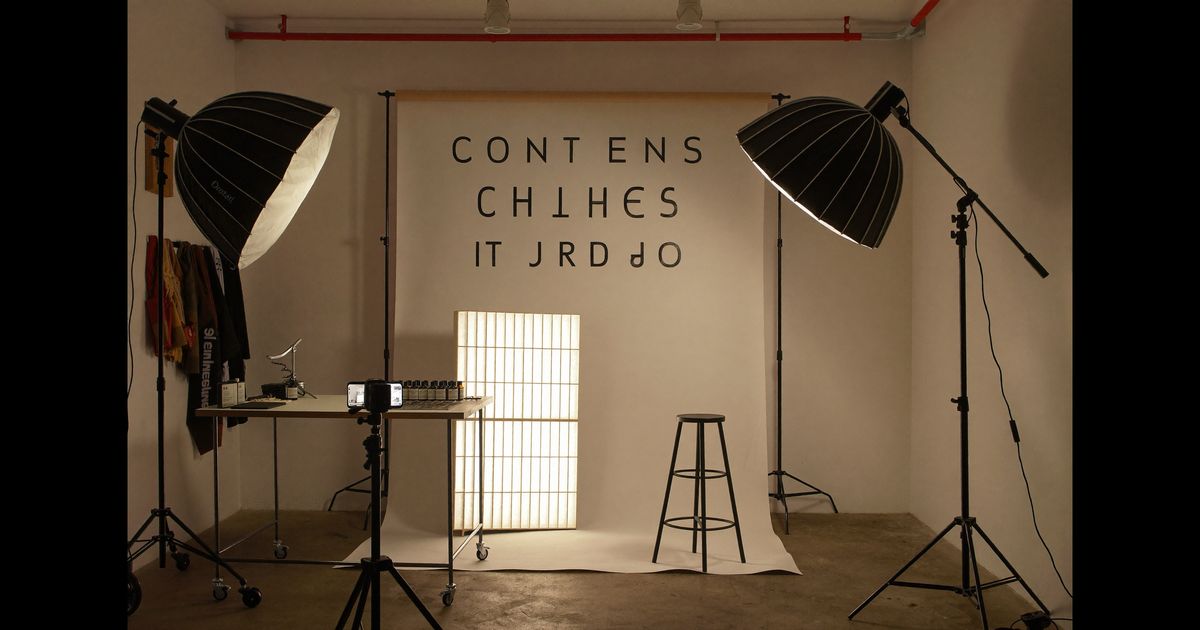
- Soft light, not overhead: Snapchat's compression degrades high-contrast footage more than soft-lit footage. Tutorials shot in natural window light or with a ring light at eye level compress better and render accurately in Snap Ads. Overhead lighting, popular in Instagram flat-lay tutorials, reads poorly on the vertical canvas.
- On-screen text for sound-off viewing: 64% of Snapchat stories in India are watched with sound off (Snap's 2023 India market data). Tutorial content that depends on voiceover to explain steps does not get licensed because brands cannot control playback conditions. Include on-screen text annotations for every step, sized readable at arm's length on a 6-inch screen.
- Product visible within the first 2 seconds: Snap's ad effectiveness research shows brand recall is 34% higher when the product appears in the first 2 seconds versus after the hook. The licensable result snap must open on the product, not on a creator intro or title card.
- Deliver originals, not social exports: Export at 1080x1920 minimum, H.264 codec, under 32MB per snap. Content re-compressed by the brand's ad ops team after a social-platform export loses quality at a rate that makes it unusable for paid Snap Ads.
Building a Portfolio That Attracts Repeat Licensing
Brands return to the same creator, without a broker, when the first tutorial's performance is predictable enough to replicate. If your first story hit 61% completion in a 3-snap Hindi structure, the brand's regional team will want a Kannada or Tamil version using the same format. The next deal comes from having a documented creative template, not from showcasing range.
- Document your analytics per story: Keep a simple record of story completion rate, screenshot rate, and swipe-up rate for every tutorial you publish organically. Three data points per story across ten tutorials gives a brand buyer more confidence than any follower milestone.
- Localize for South and West India: Brands running Snapchat campaigns frequently need Telugu, Tamil, Kannada, and Marathi variants for regional media plans. Creators who can re-shoot in two or three languages, not just translate captions, are inherently more licensable because they reduce the brand's production overhead for regional rollouts.
- Deliver a clean "brand-ready" file: Alongside the organic story, produce a version without disclosure text, without your handle watermark, and with a neutral ending. Brands adding their own overlay or swipe-up CTA need a clean file to work from. Offering this as a standard deliverable converts single deals into retainer relationships.
If you are building a creator roster for Snapchat tutorial campaigns, or you are a brand trying to commission and license tutorial content across Indian languages without managing individual creator negotiations, see how we structure this work at The UGC Agency's consultation process. We brief, produce, and manage licensing agreements for D2C and FMCG brands running Snapchat programs across Tier 1 and Tier 2 Indian markets.