Snapchat sits in an odd place in India's creator economy: everyone knows it exists, most brands ignore it, and a small group of creators quietly earns licensing fees from FMCG and D2C labels who want its vertical-video formats without the public scrutiny of Instagram. That gap is worth understanding, and exploiting.
Snapchat's Indian monthly active user base skews young (18–26), urban, and bilingual. Brands in beauty, fashion accessories, snacking, and EdTech are actively looking for raw, authentic Stories they can repurpose as paid Snap Ads, especially since Snapchat's own Commercials and Story Ads require vertical assets that feel native, not polished agency work. Here is how to produce Stories that land licensing deals, step by step.
Understand What Brands Actually License, and Why
Before you film a single frame, know what a brand is buying. When a company licenses your Snapchat Story, they are not paying for your follower count. They are paying for:
- A vertical 9:16 asset they can run as a Snap Ad without a reshoot
- Authentic voice, a real person speaking Hindi, Hinglish, or Tamil to a real camera, not a voiceover on a product flat-lay
- Platform-native behaviour, the sticker usage, the swipe-up moment, the raw background that signals organic content
- Usage rights that let them run the clip for 30–90 days in paid placements
Licensing fees in India for Snapchat Story content typically range from Rs. 3,000 to Rs. 15,000 per clip for a 30-day usage window, depending on exclusivity and whether the brand wants raw footage or a finished Story with text overlays. That is separate from any creator fee. Understanding this framing changes how you structure your content.
Step 1, Build Your Brief Before You Shoot
Licensable content rarely happens by accident. Treat every Story shoot as if a brand will want to pull three clips from it. Map out the following before opening Snapchat:
- Hook frame (0–2 seconds): A tight face or product shot that works without sound. Snapchat users watch with sound on far more than Instagram, but brands still require silence-friendly hooks.
- Problem or tension moment (2–8 seconds): Show the before. For a skincare product, this might be a close-up of dry skin in Delhi winter lighting. For a snack, it is the 4 PM hunger look that every college student in Pune recognises.
- Product interaction (8–18 seconds): Natural usage, not a demo. You opening a packet of Farmley Trail Mix on a hostel desk reads very differently from a studio unboxing, and it is the former that brands want to license.
- Reaction and verbal CTA (18–28 seconds): One genuine sentence about the result, followed by a swipe-up gesture or link-sticker tap. Keep this unscripted-sounding even if you have rehearsed it.
We brief creators on this four-part arc specifically when producing assets for brands running Snap Ads, the structure maps directly onto Snapchat's own recommended Story Ad format.
Step 2, Shoot for Platform-Native Quality
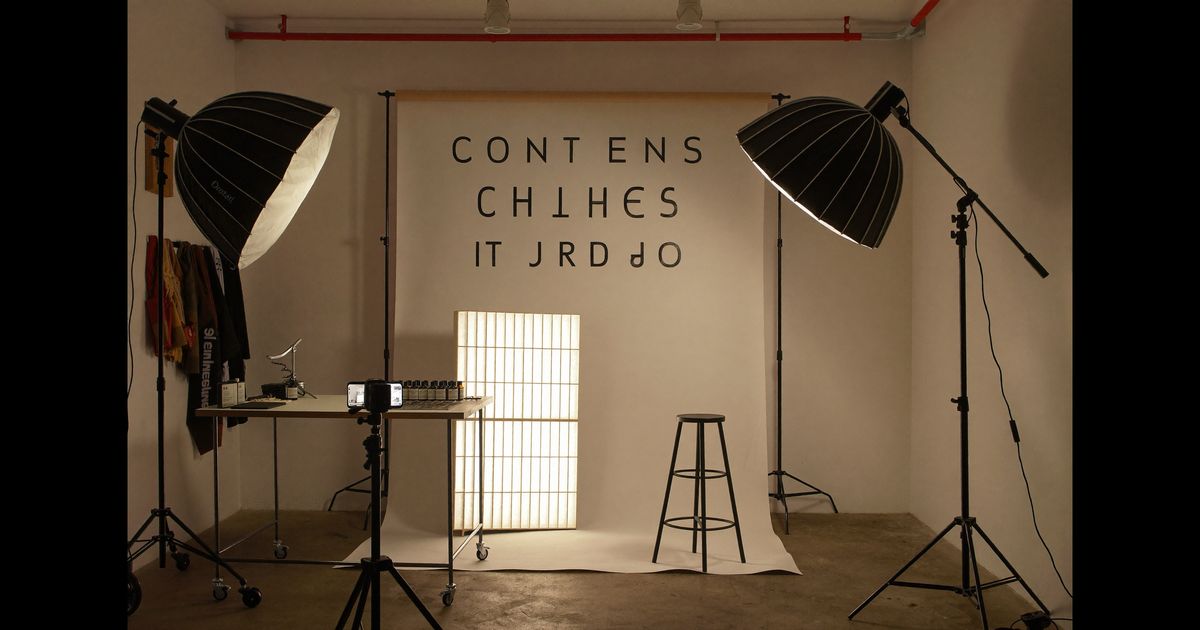
There is a lighting-and-framing sweet spot that makes Snapchat content feel real without looking sloppy. Brands get burned by content that is either too produced (loses authenticity) or too dark and shaky (unusable in paid placements).
- Light source: A single north-facing window or a ring light placed at arm's length gives even skin tones. Avoid harsh overhead fluorescents, they flatten faces and read as low-effort.
- Framing: Leave 15–20% headroom and keep the lower third clear for Snapchat's native text stickers (brands often add their own overlays before running ads). Tight crops make post-production harder.
- Background: Lived-in spaces perform better than blank walls. A Chennai apartment shelf with actual books, a Mumbai kitchen counter with real utensils, these contextual backgrounds validate that the content is genuine. Remove only obvious clutter (other brand packaging, political symbols).
- Audio: Record in a small room with soft furnishings. Bathroom echo and street noise are the two most common reasons we reject clips during quality review. A Rs. 800 lapel mic from a local electronics shop in SP Road, Bengaluru or Chandni Chowk, Delhi solves 80% of audio issues.
Step 3, Compliance First: ASCI Rules Apply Even on Snapchat
A question creators frequently ask is whether the Advertising Standards Council of India's influencer disclosure guidelines apply to licensed Snapchat content. They do, and brands will ask you to comply before finalising a licensing agreement.
Under ASCI's Guidelines for Influencer Advertising in Digital Media (updated 2021, enforced actively from 2022), any content that is or will be used as paid advertising must carry a visible disclosure. For Snapchat Stories used in Snap Ads, the disclosure label, #Ad or #Sponsored, must appear in the first frame, not buried at the end. Brands running licensed content through their own Snapchat Business accounts are technically the advertiser, but your original post (if it goes live on your channel simultaneously) still needs the disclosure tag.
Practical tip: shoot a clean version without any text overlays AND a second take where you verbally say "this is in partnership with [Brand]" in the first three seconds. Give the brand both. They will choose based on their legal team's preference, and having two options makes you look professional.
Step 4, Tag, Organise, and Pitch Systematically
Brands and their media agencies do not have time to scroll through your Snap profile hoping to find something useful. Licensable creators build a simple portfolio of their best clips and pitch proactively. Here is how to do it efficiently:
- Export and label everything. Save your best Stories to your camera roll immediately after posting (Snapchat's auto-delete works against you here). Name files descriptively: skincare-morning-routine-mumbai-hinglish-28sec.mp4 tells a buyer exactly what they are getting.
- Build a Google Drive folder sorted by category (beauty, food, tech, lifestyle) and share the link in your creator pitch email. Keep file sizes under 200 MB, brands want to preview quickly, not wait for downloads.
- Write a one-paragraph pitch email. Mention the product category you have content for, the clip duration, language (Hindi/English/regional), and your ask per clip. Rs. 5,000–8,000 for a first licensing deal with a mid-size D2C brand is a realistic starting range.
- Target the right contacts. Social media managers at brands rarely control licensing budgets. Reach out to performance marketing leads or their UGC/influencer agencies directly, they have the budget line and the urgency.
Step 5, Negotiate and Protect Your Content Rights
Licensing without a written agreement is how creators lose money and control. Even a one-page WhatsApp agreement (screenshot + confirmation message) is better than nothing, but for deals above Rs. 5,000 you should insist on a simple contract covering:
- Usage duration: 30, 60, or 90 days. After that window, the brand must renew or remove the ad.
- Platform scope: Snapchat only, or can they also run it on Instagram Stories and YouTube Shorts? Each additional platform should cost more.
- Exclusivity clause: If the brand wants you not to post for a competing product during the usage period, charge a premium, typically 30–50% above the base rate.
- Approval loop: Specify that the brand cannot alter your likeness, voice, or words in a way that changes the meaning of your endorsement. This is both a legal protection and an ASCI compliance requirement.
Free contract templates in Hindi and English circulate in creator communities on Telegram, search for groups focused on Indian UGC and influencer marketing to find ones reviewed by media lawyers.
What Makes a Story Repeatedly Licensable
The creators who get recurring licensing deals, not just one-off sales, share a few habits that are worth building into your standard workflow:
- They shoot product-agnostic B-roll during every Story session: hands holding a phone, pouring a drink, opening packaging, reacting to a screen. These clips are swappable across categories and give brands flexibility.
- They maintain consistent visual identity across clips, same colour-grading tone, same framing style, so a media buyer can recognise their content instantly in a folder of 50 submissions.
- They follow up after a campaign runs. Asking a brand how the licensed clip performed (view-through rate, swipe-ups) gives you data to include in your next pitch and signals that you treat this as a business, not a side hustle.
- They stay current on Snapchat's ad product updates. Spotlight (Snapchat's discovery feed) and Dynamic Ads are growing in India; creators who understand these placements can pitch content specifically suited to them and charge accordingly.
Building a licensing pipeline from Snapchat Stories takes three to four months of consistent output before deals start coming in reliably. The barrier to entry is low, most Indian creators have not thought about Snapchat as a licensing platform at all, which means the window for early movers is genuinely open right now.
If your brand needs ready-to-license Snapchat Story content produced by briefed creators across Mumbai, Delhi, Bengaluru, and Kolkata, see how we structure these productions at our work page, or book a free consultation to scope a campaign.