Pinterest is not where most Indian creators think to plant their flag, but that's precisely why brands are quietly sourcing video content there. Unlike Reels or YouTube Shorts, Pinterest's video format (called Idea Pins, now consolidated under Pinterest's short-form "Pins with video") has a search-led discovery engine. Someone looking for "minimalist skincare routine India" or "diwali home decor ideas" will land on your video three months after you posted it. That longevity is exactly what brand licensing teams value: evergreen, brand-safe content that keeps performing without a media budget behind it.
This guide is for creators who are starting from scratch, no prior Pinterest experience required. We'll cover the format basics, what makes a video licensable, how Indian brands typically structure licensing deals, and how to position your content so it gets noticed by the right people.
What Pinterest Short-Form Video Actually Is (and What It Isn't)
Pinterest supports video Pins up to 15 minutes long, but the content that brands license almost always falls in the 15–60 second range. These are typically tutorial-style, mood-setting, or transformation clips, think "how to style a dupatta three ways" or "making chai latte at home with this creamer." The key distinction from Instagram or YouTube Shorts is intent: Pinterest users are in planning mode, not entertainment mode. They are actively searching for solutions or inspiration, so your video needs to answer a question or fulfill a visual desire, not just entertain.
- Idea Pins (multi-page, story-like) have been retired as a separate format; all videos now publish as standard video Pins that are searchable and saveable.
- Pinterest recommends a vertical 9:16 ratio at 1080×1920px for short-form content, same as Reels, so you can repurpose shoots efficiently.
- Text overlays matter enormously here. Pinterest users often browse with the sound off, and the algorithm surfaces Pins with readable, keyword-rich title text.
- Unlike TikTok (which is banned in India) or Instagram, Pinterest's audience skews toward people researching purchases, home decor, beauty, fashion, food, making it a direct path to purchase-oriented brands.
The Anatomy of a Licensable Pinterest Video
When a D2C brand's marketing team, say, a Mumbai-based skincare brand or a Bengaluru furniture startup, looks for Pinterest video to license, they have a checklist running in the back of their minds. Here is what that checklist actually contains:
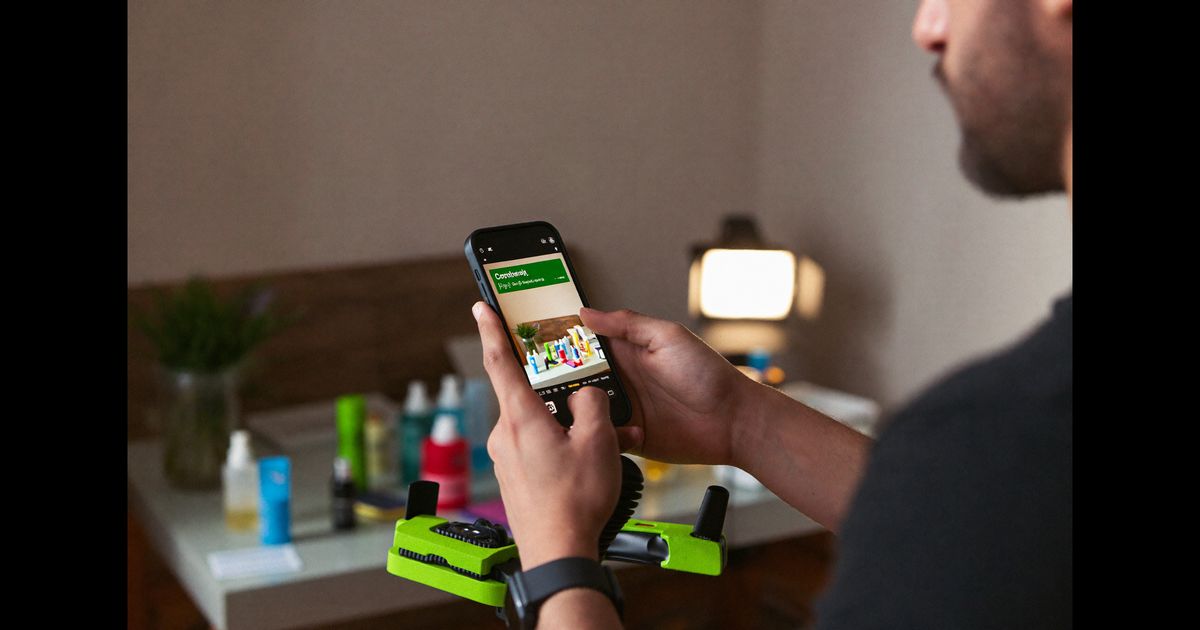
- Clean, brand-neutral background: A lifestyle setup shot in a well-lit room with a neutral or aesthetically cohesive background. Think white walls, warm wood surfaces, a tidy balcony, not a cluttered hostel room.
- No competing logos or products visible: If a Nykaa product is in frame and a brand from Purplle wants to license your video, they will pass. Keep surfaces clear of anything that has a competing brand's identity on it.
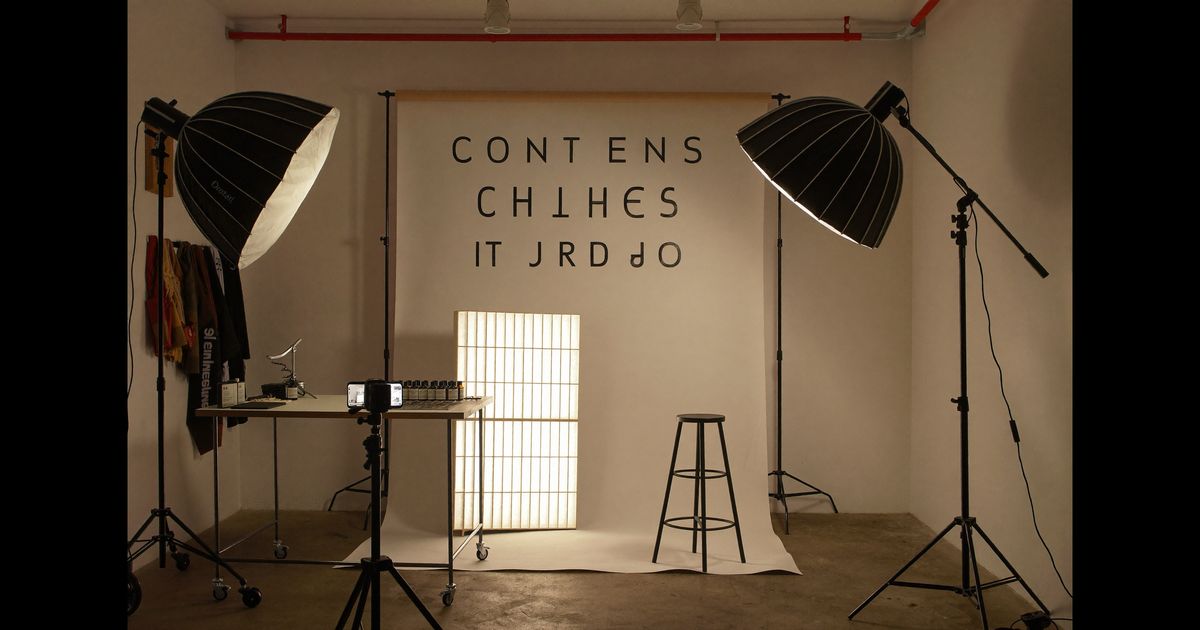
- Clear, natural lighting: Ring lights are fine; flat or greenish tube-light setups are not. If you're shooting in Chennai or Kolkata and natural light is your resource, shoot between 7–9am or after 4pm to avoid harsh overhead sun.
- Human presence without face-dependency: Hands, arms, and partial silhouettes often perform better for licensing than full-face close-ups, because they are easier to adapt into a brand's ad without the creator's face becoming the story.
- ASCI compliance from frame one: India's Advertising Standards Council of India (ASCI) guidelines require that any paid promotion be disclosed. If you are creating content with the explicit intent to sell or license to a brand, include a visible disclosure in the caption ("Partnered with [Brand]") once the brand is attached. Failure to do this can create legal headaches for both you and the brand when the licensed content runs in paid placements.
We brief creators working on Pinterest-targeted shoots to treat the camera like a window into someone's aspirational Indian home, not a vlog camera. The framing should feel like the content was always meant to live next to a "Save" button.
Choosing Topics That Brands Actually Search For
On Pinterest, topics are search queries. Your video's title and description are metadata, they determine whether a brand's social media manager finds your content when they type "skincare routine India" or "kitchen organisation ideas small flat." Here is how to choose topics strategically:
- Use Pinterest's own search bar: Type a broad keyword ("kurta styling", "home office setup India") and note the autocomplete suggestions. Those are real searches happening on the platform right now. Build your video around exact phrases people are already using.
- Match category to brand spend: Indian D2C brands with the largest licensing budgets currently are in beauty and personal care, home and kitchen, food and beverage (especially healthy/functional), and ethnic fashion. If your Pinterest content sits in one of these verticals, your pool of potential licensors is significantly larger.
- Seasonal and festival hooks: Pinterest has strong seasonal behaviour in India. Content around Diwali home decor (plan shoots in August–September), Holi food ideas (January), and wedding season fashion (October–November) tends to get saved heavily, and brands actively license content in the 4–6 weeks before a festival.
- Avoid hyper-local references: Content that leans too hard on a single city's slang or very regional aesthetics is harder for national brands to use. You can shoot in Jaipur, but make the content feel like it could be aspirational for someone in Hyderabad too.
How Licensing Actually Works: Money, Terms, and What to Expect
Most first-time creators have no idea how licensing is structured, which puts them at a disadvantage when brands reach out. Here is a plain-language breakdown for the Indian context:
- What you are licensing: You retain copyright of the video; the brand pays for a limited right to use it in their own marketing, typically their social accounts, ads, or website, for a defined period.
- Typical rates: For a single short-form video licensed for 3 months of social use, Indian D2C brands typically pay anywhere from Rs. 3,000 to Rs. 15,000 per video depending on the brand's size, the exclusivity asked for, and the usage (organic posts vs. paid ad placements). Paid ad usage, where the brand runs your video as a Facebook or Google ad, commands a premium, often 2–3x the organic rate.
- Exclusivity: Brands sometimes ask for category exclusivity (you cannot license the same content to a competitor for the license period). That should cost more, typically a 30–50% uplift on the base rate.
- Deliverables clarity: Always agree in writing on what you are handing over. Most brands want the original file (not a compressed export), sometimes with and without music, and occasionally a version with no text overlays so they can add their own.
- GST implications: If you are registered under GST (or once your income crosses the threshold), licensing fees are a taxable service. Issue a proper invoice with GST components and keep a paper trail. A simple written agreement via email is legally sufficient for most micro-deals under Rs. 50,000; for larger deals, a one-page contract is worth creating.
Building a Portfolio That Attracts Brand Outreach
Brands rarely license the first video they see. They look at your body of work to assess consistency. On Pinterest, your profile is your portfolio, and building it strategically matters even before you have a single licensing deal.
- Post at minimum 12–15 videos before outreach: A sparse board signals an inactive creator. Brands want to see a consistent aesthetic and production quality across multiple pieces.
- Organise boards by category: Create separate boards for "Home Decor Ideas," "Skincare Routines," "Food at Home", whatever your niches are. This makes it easy for a brand's licensing manager to immediately understand your range.
- Write keyword-rich Pin descriptions: Every video Pin should have a 100–200 word description that naturally includes the topic keywords. This is not stuffing, it is how Pinterest's algorithm categorises and surfaces your content.
- Link to a contact page or email in your bio: Brands that want to license content from a specific creator need an easy path to reach you. A simple mention, "For collaborations: [email protected]", converts passive brand interest into actual conversations.
- Watermark selectively: A light watermark (your handle in a corner, not a giant logo) makes your content recognisable when it circulates but does not interfere with a brand's ability to use it. Avoid heavy watermarks on pieces you intend to license, brands will ask you to remove it anyway and that can complicate the negotiation.
Common Mistakes That Kill Licensing Deals
Most creators lose deals not because their content is bad but because of avoidable missteps. These are the ones we see most often:
- Using copyrighted music: If your Pinterest video has a Bollywood track or a popular English song in the background, a brand cannot legally use it in their ads without clearing the music rights separately. Shoot for music-free versions or use tracks from royalty-free libraries like Pixabay or Artlist. Mention in your caption that the audio is royalty-free, it signals professionalism to brands.
- Shooting only with a specific product in frame: Content created around one brand's product is already "spoken for" in a licensing sense. Build your hero pieces around a category, not a product, "morning skincare routine" rather than "Minimalist Vitamin C Serum review." The former can be licensed by any skincare brand.
- Ignoring vertical composition: Even experienced creators sometimes shoot a wide horizontal frame and try to crop to 9:16. The result looks off-centre and amateurish. Plan your composition for vertical from before you press record.
- Not noting usage rights upfront: When you post a video, you agree to Pinterest's terms. Those terms do not prevent you from licensing your content separately, but if a brand asks whether they can use your content commercially, you should be clear: "Yes, I retain full rights and can license this." Knowing your own rights avoids confusion during negotiation.
If you are producing short-form content and want to understand how brands structure licensing briefs, how to pitch your portfolio to D2C clients, or what a production-ready creator brief looks like from the agency side, the team at The UGC Agency works with creators across India on exactly this. You can see how we approach creator partnerships on our work page or reach out directly to talk through your content goals.