Pinterest is not where most Indian creators think to build their review portfolio, but that gap is exactly the opportunity. Brands licensing UGC for performance ads increasingly pull from Pinterest because the content ages well, fits both static and video placements, and carries a discovery-first intent that Instagram's algorithm no longer reliably provides. If you can produce reviews that sit naturally inside Pinterest's search ecosystem, you become the kind of creator that agencies brief on retainer, not just one-offs.
This guide walks through every practical step: how to shoot and structure your review, what metadata signals brands actually look for, how to stay on the right side of ASCI guidelines, and what licensing terms look like at current Indian market rates.
Understand Why Brands License Pinterest Content Specifically
Before you produce a single frame, know what the buyer wants. When brands or agencies license a Pinterest review, they are typically looking for content that can:
- Run as a Promoted Pin in the discovery feed alongside organic results
- Be repurposed in email campaigns and D2C landing pages where tall-format (2:3) images and short video clips perform well
- Anchor a brand's own Pinterest board for long-tail SEO, pins have a search shelf-life of months, not hours
The practical implication: your review must work as both a standalone visual (someone scrolling past it at speed) and as content with depth for someone who clicks through. A 60-second Instagram Reel that only lands in context is not licensable for Pinterest without re-editing. Build for the format from the start.
Step 1, Choose the Right Product Category and Shot Format
Pinterest India's top-performing review categories are beauty and skincare, home décor, sustainable fashion, and packaged food (especially healthy snacks and regional specialties). These are not accidents, Pinterest's user base in India over-indexes on aspirational lifestyle content in tier-1 and tier-cities across India like Pune, Ahmedabad, and Lucknow.
For video reviews, shoot in 9:16 vertical or 2:3 tall portrait. For static image reviews (yes, these are licensed too), the 2:3 ratio with a clean background, white, cream, or a contextual lifestyle setting, wins consistently. Avoid 1:1 square; it under-crops in Pinterest's grid.
Frame your opening shot to show the product in context within the first 2 seconds. Brands briefing us consistently flag this: a hand placing a serum on a marble surface, a bite of a millet cookie with crumbs visible, a kurta being held up against natural window light. The visual must communicate the category before the viewer reads a word.
Step 2, Script a Review That Passes the ASCI Honesty Test
The Advertising Standards Council of India (ASCI) guidelines for influencer and UGC content require clear disclosure when material connection exists, honest claims, and no fabricated results. These rules apply whether your pin is organic or promoted. When brands license your content for paid Promoted Pins, they inherit your disclosure obligations, which means they will reject content that could expose them to a complaint.
Practical rules for your script:
- Disclose upfront: If the product was gifted or paid for by the brand, say so in the first 3 seconds of video or in the first line of the pin description. "Gifted by [Brand]" or "#Ad" in the caption suffices; burying it at the end is non-compliant under ASCI's 2023 update.
- Avoid quantified claims you cannot verify: "Reduced my dark spots by 40% in 2 weeks" requires evidence. "I noticed my skin looked brighter" is an honest personal observation and is fine.
- No before/after that misrepresents conditions: Different lighting, filters, or poses between before and after frames violate ASCI guidelines and are a hard veto from most brand legal teams.
We brief creators on this at the start of every production. A single ASCI complaint can get a campaign pulled and land both the creator and the brand in the Council's public database, not a risk any brand wants to take with licensed content they plan to run for months.
Step 3, Build the Pin Description for Search, Not Just Aesthetics
Pinterest is a visual search engine. The pin description feeds its algorithm the way alt-text and meta descriptions feed Google. Most creators write captions the way they would on Instagram, a feeling, a vibe, a few hashtags. That is not what brands need for licensable content.
Write a description that:
- Opens with the primary keyword phrase a buyer would type: "sunscreen review for oily skin India", "best cotton bedsheet under Rs.2000", "millet snack honest review"
- Includes the product name, brand name, and one specific benefit claim (that you can back up)
- Uses 2-3 hashtags maximum, Pinterest's own guidance confirms more than 5 hurts distribution
- Ends with a soft call-to-action: "Linked in bio" or "Full review in the comments", this signals depth to both the algorithm and to potential brand buyers reviewing your profile
When we evaluate creator portfolios for agency assignments, a well-written pin description is one of the fastest signals that a creator understands platform mechanics. It takes five minutes and doubles discoverability.
Step 4, Produce at the Technical Minimum Brands Require
Licensing contracts almost always include a technical spec clause. Here is the baseline we work with in our production briefs for Pinterest-native content:
- Video: Minimum 1080 x 1920 px (9:16) or 1000 x 1500 px (2:3), MP4 or MOV, under 2 GB, 15–60 seconds. No visible watermarks, no TikTok or Instagram Reels branding in the corner.
- Static image: Minimum 1000 x 1500 px, JPEG or PNG, no platform-native stickers or filters baked in.
- Audio: No background music with unclear licensing. Use royalty-free tracks from Pixabay, Mixkit, or tracks you can prove are cleared. Brands will ask for music clearance documentation if they plan to run the pin as a Promoted Pin nationally.
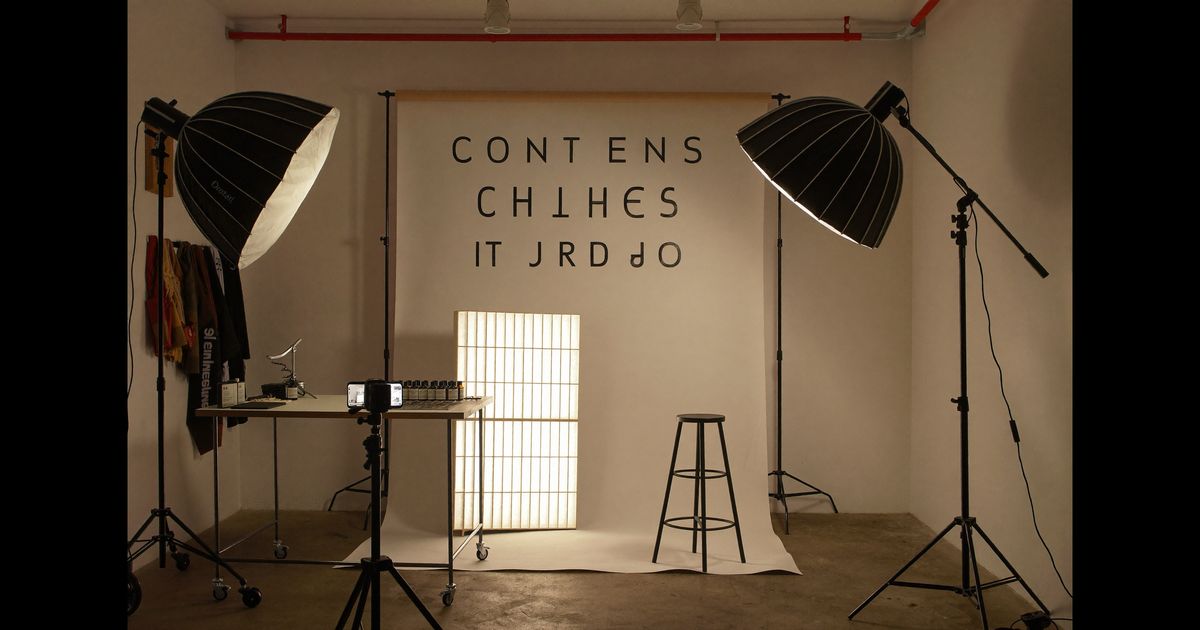
- Lighting: Natural or soft-box diffused light only. Harsh ring-light reflections read as low-budget and get flagged in brand quality reviews.
Shooting on an iPhone 13 or newer, or a mid-range Android like the Samsung Galaxy A55 (widely available at Rs.25,000–30,000), is sufficient for all these specs. You do not need cinema gear; you need consistent execution.
Step 5, Price and Package Your Content for Licensing
Most Indian creators undercharge for Pinterest content because they treat it like a one-platform deliverable. Licensable content should be priced on usage rights, not production effort.
A realistic pricing framework at current Indian market rates:
- One-time use (30 days, brand's own Pinterest + website): Rs.3,000–6,000 per pin or video review for a creator with 1,000–10,000 monthly Pinterest views
- Extended use (90 days, including Promoted Pins): Rs.8,000–15,000 per asset
- Full buyout (perpetual, all platforms): Rs.20,000–40,000 per asset, this is what performance-focused brands and D2C labels typically want, and it is worth negotiating for upfront rather than chasing renewals
When a brand or agency approaches you for existing content you have already published, the licensing fee should reflect that they are acquiring an asset with a proven organic performance history. A pin that has driven 10,000 impressions organically is more valuable than an unproven one, price it accordingly. Include a simple license agreement specifying the usage period, permitted platforms, whether the brand can edit the content, and whether your creator credit must remain visible.
One clause we always recommend creators include: the brand may not alter the content to make claims you did not make. If your review says "good for sensitive skin," the brand cannot edit a voiceover to say "dermatologist-tested." Your name is attached to the content; protect what it says.
Step 6, Build a Portfolio That Brands Can Actually Browse
A brand licensing manager or agency buyer will look at your Pinterest profile for less than 90 seconds before deciding whether to reach out. Your profile needs to do work without a pitch deck.
- Organise boards by category: "Skincare Reviews", "Home Products", "Food and Snacks", not by month or mood
- Pin your strongest review assets to the top of each board using the "section" feature so they are immediately visible
- Write a profile bio that states your content niche and that you create licensable UGC, this one word signals commercial readiness to buyers who know what they are looking for
- Include a contact link or a link to a one-page rate card (a Google Drive PDF works fine)
If you produce reviews in Hindi, Tamil, Kannada, or Bengali alongside English, call that out explicitly. Regional-language Pinterest content is significantly undersupplied relative to demand, especially from FMCG brands expanding into tier-2 markets. A bilingual review portfolio is a genuine competitive advantage right now.
If you are building a Pinterest review portfolio with licensing in mind and want briefs from brands already looking for this format, take a look at the kind of campaigns we run, or book a consultation to talk through how your existing content could be positioned for agency buyers.