Pinterest is the one platform where a photo of someone's cluttered craft table in Pune can sit alongside a polished lookbook from a Mumbai brand, and both get saved to the same board. That friction-free mix of raw and refined is exactly why behind-the-scenes content performs so well there, and why an increasing number of D2C brands across India are now actively searching Pinterest for footage they can license rather than shoot themselves.
If you have never thought of your process videos or workspace photos as sellable assets, this guide will change that. You do not need a studio, an expensive camera, or prior brand partnerships. What you do need is an understanding of what brands are actually looking for, and a deliberate way of shooting and organising content so licensing becomes straightforward.
Why Brands License Pinterest Behind-the-Scenes Content
A brand running a paid campaign on Meta or Google needs variety. Their studio-shot hero images handle the polished end, but they also need content that feels like it came from a real person, a creator mixing a skincare product in their kitchen, a home baker decorating a cake with a brand's vanilla extract, a tailor pinning fabric on a mannequin near a sunny Chennai window. This kind of footage humanises the brand and works well in feed carousels, Pinterest ads, and email newsletters.
Licensing this content from a creator is far cheaper for a brand than commissioning a full production. A single-use digital license for an India-only campaign typically ranges from Rs. 5,000 to Rs. 25,000 per asset, depending on the creator's follower count, the asset quality, and the campaign duration. For a creator who already made the content for their own Pinterest audience, this is near-pure margin.
Pinterest specifically suits this transaction because the platform's search and save mechanic means branded content has a long shelf life. A pin from 14 months ago can still surface in search, which means brands can evaluate your older work at full context, not just what's trending this week.
What "Behind-the-Scenes" Actually Means on Pinterest
Pinterest behind-the-scenes is not a blurry phone grab of your desk. Brands define it more precisely than that. In our production work at The UGC Agency, when we brief creators for licensable Pinterest content, we describe three sub-categories:
- Process documentation, step-by-step shots of making, assembling, or preparing something. A candle maker pouring wax, a skincare creator layering a morning routine, a Bengaluru food entrepreneur portioning snack packs. The sequence matters: it should tell a story with a beginning, middle, and finish.
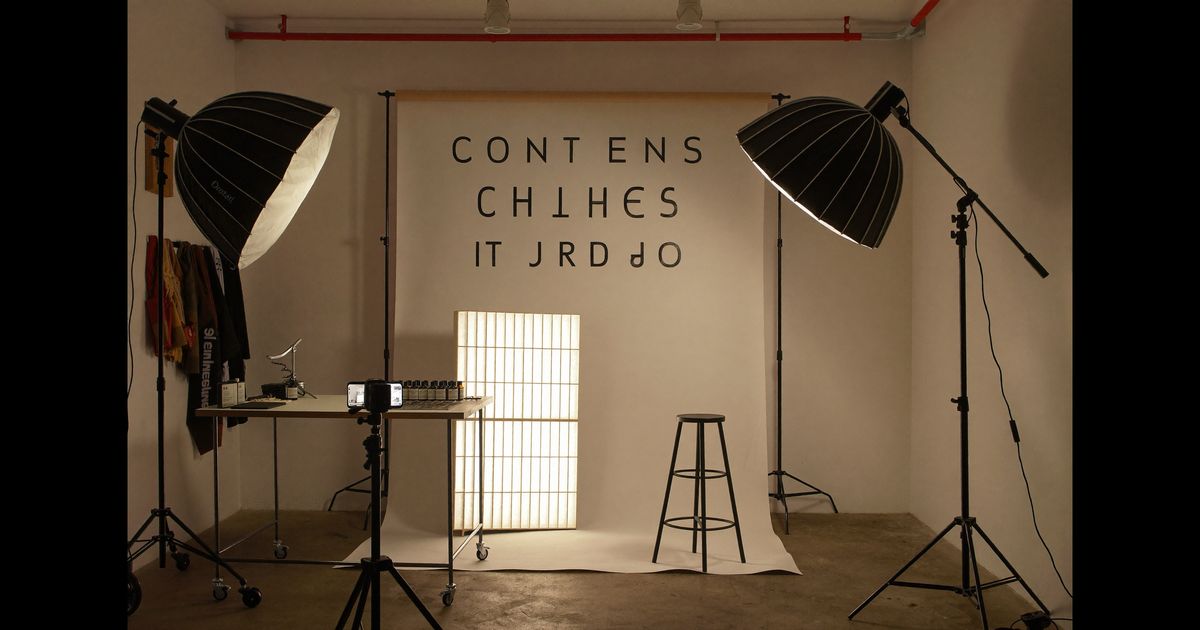
- Workspace or studio setups, aesthetic overhead or wide-angle shots of where work happens. A flat-lay of tools, a neatly styled workbench, a mood board on the wall. These get saved to "studio inspiration" and "home office" boards constantly.
- Blooper-adjacent honesty, small relatable moments: a spilled ingredient, a wrong measurement corrected, a re-do in progress. These perform because they feel true. Brands targeting younger audiences (Gen Z, millennials) particularly look for this tone.
What brands do not want: dark, noisy, shaky footage; content with visible competing brand logos; anything that looks staged specifically to sell (that reads as ad, not behind-the-scenes); and anything that would violate ASCI guidelines if it makes implied health or efficacy claims without a disclaimer.
How to Shoot It: Equipment and Setup for Beginners
A mid-range Android phone, a Redmi Note or a Samsung Galaxy A-series device, both common in Indian households, is entirely sufficient. The fundamentals matter more than the camera.
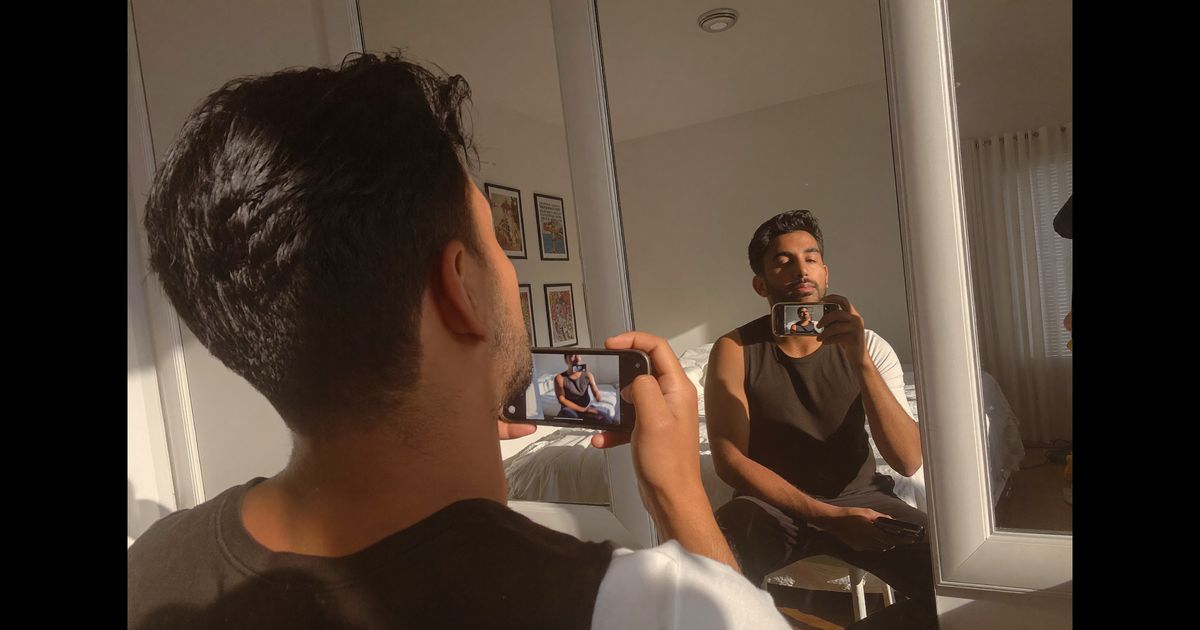
- Natural light near a window is your biggest asset. North-facing windows give soft, consistent light throughout the day. If your window faces south (common in Mumbai high-rises), shoot in the first two hours after sunrise before direct sun creates harsh shadows.
- A Rs. 800–1,200 ring light from Flipkart fills shadows for evening shoots. Get the 10-inch version, compact and enough for close-up process shots.
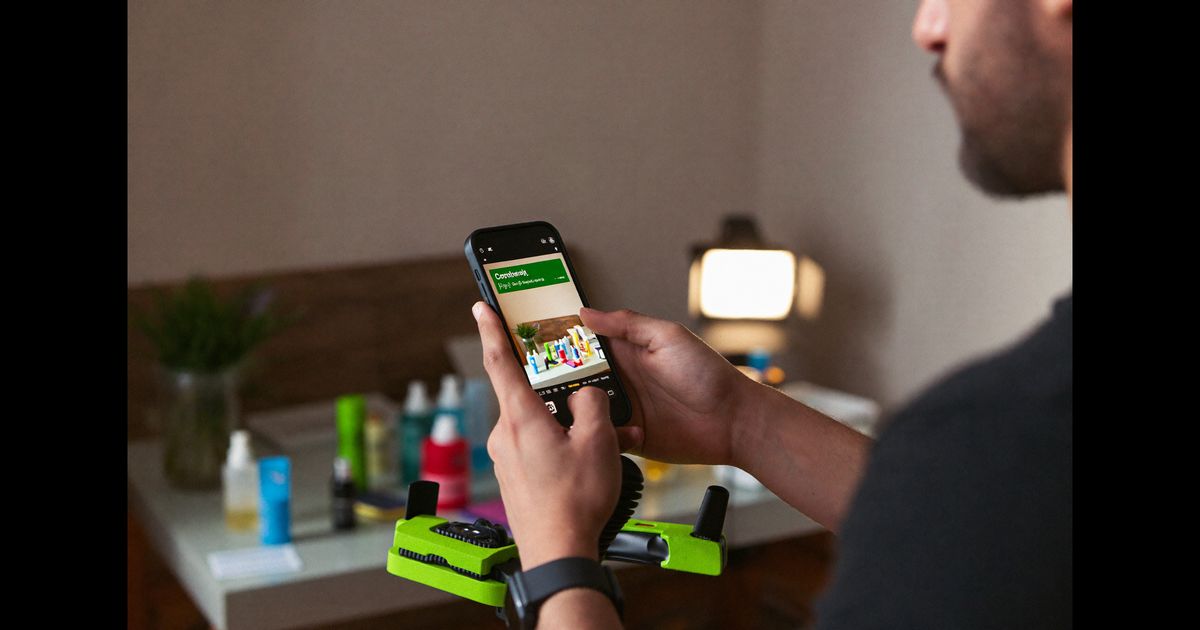
- A small tripod or a stack of books frees your hands so you can actually work while the camera records. Overhead shots (top-down) are particularly popular on Pinterest for cooking, crafting, and packaging categories.
- Shoot in 4:5 ratio (portrait, not full 9:16). Pinterest displays pins in a 2:3 ratio natively, but 4:5 also works and this dimension travels cleanly to Instagram Reels repurposing.
- Keep your background intentional. A plain white wall, a wooden table, or a simple jute mat creates a neutral base that brands can drop into any campaign. Cluttered, distracting backgrounds cut licensing value significantly.
The Metadata Layer: How Brands Find Your Content
Creating great content and then leaving the pin untitled is one of the most common beginner mistakes. Pinterest functions as a visual search engine, meaning brands (and their sourcing teams, often junior marketers or agency coordinators in Delhi or Hyderabad) are running keyword searches to find content to license.
Your pin title and description are the discovery levers. Write them thoughtfully:
- Lead with the category and activity: "Skincare morning routine prep, behind the scenes" or "Small batch chai masala packing, Kolkata home kitchen".
- Include the product or ingredient type by its common name: "kashmiri chilli," "argan oil," "terracotta clay", whatever is visible in the frame.
- Add your city or region if the visual locale is distinctive. Many brands running India-regional campaigns specifically want location-contextual content.
- Tag boards correctly. If your content fits both "home kitchen aesthetics" and "food process videos," save it to both. Pinterest's algorithm uses board context to rank pins in search.
Your Pinterest bio should also signal clearly that you create licensable content. A line like "UGC creator | process and behind-the-scenes content available for licensing, DMs open" removes ambiguity and shortens the brand's sourcing journey.
Organising Your Portfolio for Brand Outreach
Once you have 15–20 strong pins, you need a system that makes it easy to share your work with a brand's marketing team. A brand manager who receives a Pinterest profile link and has to scroll through 200 mixed personal and professional pins will lose interest.
Create a dedicated board, name it something direct like "Behind the Scenes | Available to License", and pin only your strongest licensable assets there. This board is what you share in cold outreach emails or in response to a brand's creator brief.
When a brand expresses interest, have a simple one-page rate card ready. It does not need to be a formal document, a Google Doc or a clean WhatsApp message works. Include:
- Usage type (digital only, India only, one year)
- Your base rate per asset (start at Rs. 5,000 for micro creators; Rs. 12,000–25,000 once you have a track record)
- Turnaround if they need fresh content shot specifically for them
- Your UPI handle or bank transfer preference for payment
If a brand plans to run paid ads using your content, that is a "paid media" license, always charge more than a simple organic repost license. A rough starting multiplier is 1.5x to 2x the base rate. This is standard practice and brands expect it.
Compliance and Disclosure: ASCI Rules You Need to Know
India's Advertising Standards Council (ASCI) updated its influencer disclosure guidelines in 2021, and they apply to Pinterest just as they do to Instagram or YouTube. If a brand pays you, in cash, products, or any other consideration, to create or license content that they will then use in advertising, disclosure is required on your original pin.
The requirement is straightforward: use the hashtag #ad or #sponsored in the pin description. For behind-the-scenes content that a brand licenses after the fact (you made it independently, they buy the rights later), ASCI's position is that the original organic pin did not require disclosure, but any pin the brand reposts on their own Pinterest account or runs as a paid ad must carry the label on their end.
As a creator, be transparent in your DMs with brands: confirm in writing (even just via WhatsApp message) what the license covers, what it does not, and that you retain the right to keep the original pin live on your profile unless they request exclusivity (which costs more). Clear terms protect both sides.
Building a Body of Work Brands Will Return To
The most commercially valuable Pinterest BTS portfolios are consistent, not just occasionally excellent. Brands looking to license content on an ongoing basis, say, a Bengaluru-based D2C wellness brand refreshing their Pinterest ad creatives every quarter, want to know you will have new assets ready on a regular cadence.
A realistic weekly rhythm for a beginner: shoot one process video and two static flat-lays per week. At that pace, you build 12 strong assets per month. After three months, you have a portfolio that signals reliability to brand buyers, not just talent.
Focus early on a niche you genuinely work in, food, beauty, handmade goods, fashion, stationery, rather than trying to cover everything. A creator in Jaipur who exclusively documents block-printing processes will get found by textile brands far faster than a generalist creator who posts everything.
If you are ready to take this further and connect your Pinterest portfolio with brand briefs from D2C companies across India, book a free consultation with us, we regularly match creators with brands who need exactly this kind of licensable behind-the-scenes content.