Most brand managers in India receive dozens of creator testimonials every month. Almost all of them get watched once, saved to a folder, and never used in paid campaigns. The problem is rarely the creator's delivery, it is almost always a structural issue that makes the asset difficult to license without re-editing. At The UGC Agency, about 60% of our brief revisions for LinkedIn testimonial projects come down to three fixable mistakes: wrong aspect ratio for the placement, missing B-roll coverage over spoken claims, and language that triggers ASCI compliance flags.
LinkedIn testimonials occupy a specific niche in the B2B and D2C marketing stack. A founder in Pune uses them for LinkedIn ads targeted at procurement managers. A SaaS company in Bengaluru drops them into InMail sequences to overcome late-funnel objections. An edtech brand from Delhi uses them as organic posts that double as dark-ad creative. Each use case has different technical and legal requirements, and creators who understand those requirements get re-hired and relicensed. Here is how we actually brief, shoot, and deliver testimonials that brands want to pay for repeatedly.
Why LinkedIn Is Different From Instagram or YouTube for Testimonials
LinkedIn's ad formats behave differently from Meta placements. The dominant LinkedIn ad type for testimonial content is the Single Image Ad with a video thumbnail, the Video Ad (up to 30 minutes, but 30–90 seconds is the performance sweet spot), and the Document Ad, but for testimonials, video dominates. Unlike Instagram Reels where vertical 9:16 is default, LinkedIn's feed renders 1:1 square and 16:9 horizontal almost equally well on desktop, where a large portion of its Indian audience browses during work hours.
- Primary safe aspect ratio for LinkedIn testimonials: 1:1 (1080×1080 px), works across feed, mobile, and desktop without black bars.
- Secondary format: 16:9 (1920×1080 px) for brands that want a broadcast-quality feel in sponsored content.
- Avoid 9:16 vertical as the master file, it is not natively supported in LinkedIn video ads and will be letterboxed or cropped, cutting off the creator's face.
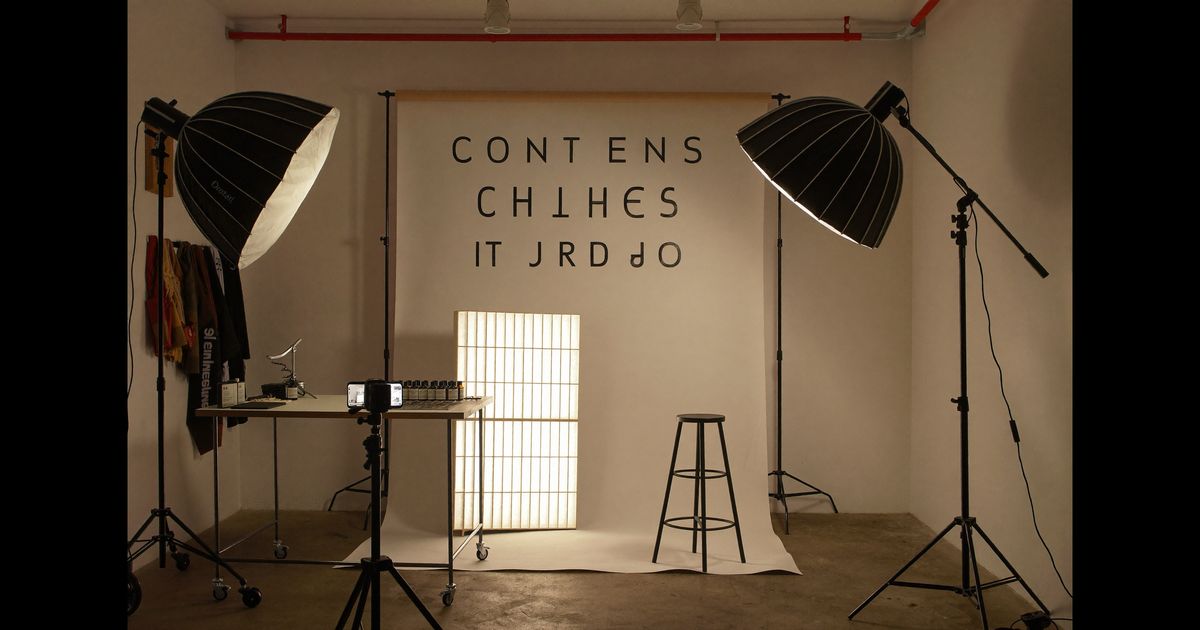
We brief creators to shoot on a clean, professional-looking background, not necessarily a corporate office, but intentionally composed. A well-lit home office shelf in Hyderabad reads as credible on LinkedIn in a way that a Ring Light + bedroom setup (perfectly fine for Instagram) does not. The platform's audience skews toward professionals who are applying unconscious credibility filters while scrolling.
The Brief Structure We Actually Send Creators
Our standard LinkedIn testimonial brief has five mandatory components that are non-negotiable for licensing:
- Hook (first 3 seconds): The creator must state a specific outcome or problem, not a generic compliment. "We closed 40% faster after using [Brand]'s CRM" works. "I love this product, it's really amazing" does not, it will get flagged by ASCI as an unsubstantiated claim and is also too weak to stop the scroll.
- Credibility identifier (seconds 4–7): Creator states their role and city, "I run a 12-person ops team in Chennai", giving the viewer a peer-identification anchor. This is especially important for B2B products.
- The specific before/after (8–40 seconds): Measurable change. If the brand cannot provide the creator with real verified figures, we use directional language: "cut our approval cycles significantly" rather than "cut approval cycles by 40%." ASCI's Influencer Guidelines (updated 2021) require that any performance claim be substantiated by the brand before publishing as a paid promotion.
- B-roll window (seconds 15–30): Creator pauses speaking or speaks over a described visual, we need 10–15 seconds of usable B-roll of the product, screen, or workspace. This is what allows the brand's editor to cut away from the talking head and add motion graphics or subtitles without losing the voiceover.
- Clean close (last 5 seconds): A direct CTA delivery, no hand gestures that break frame. "Link in the post, worth a look" is enough. This section is often replaced by the brand's own CTA overlay, so keeping it clean is critical.
Technical Specs That Get Assets Approved Without Revisions
File format issues are the single biggest reason testimonial deliveries get rejected by brand media buyers. We send creators a one-page spec sheet on every LinkedIn-specific project. The key items:
- File format: MP4, H.264 codec. LinkedIn's ad manager accepts MOV but rejects certain codec variants, H.264 MP4 is universally safe.
- File size: Under 200 MB for the final cut. Raw footage can be larger, but the edit must compress cleanly.
- Audio: -14 LUFS or louder at the master. LinkedIn auto-plays videos muted; captions need to be burned-in or supplied as SRT. We burn-in captions at 85% opacity white text with a dark drop shadow, readable on both light and dark backgrounds.
- Silence at start and end: Half a second of silent frames before first words and after last words. This prevents abrupt cuts when the brand editor trims the file.
- Disclosure: ASCI mandates #ad or #sponsored disclosure for paid testimonials. The creator adds it as a spoken line ("this is a paid collaboration with [Brand]") or it appears as a text overlay in the first three seconds. LinkedIn's own policy also requires "Paid partnership" tags for sponsored content. We include a checklist in every brief.
A brand's media buyer in Mumbai should be able to drop your file into LinkedIn Campaign Manager, add copy, and launch the ad within 15 minutes of receiving it. That is the standard we hold deliveries to.
Licensing Language Creators Need to Understand
Most Indian UGC creators operate without a formal agreement and lose licensing leverage as a result. For LinkedIn testimonials, the licensing conversation is different from Instagram UGC. Brands are often looking for a 12-month or perpetual license for paid LinkedIn ads (Sponsored Content and InMail placements), organic reposts across their company page, use in investor decks and pitch materials, and embedding on landing pages linked from LinkedIn campaigns.
Our standard creator agreement for LinkedIn testimonials separates the creation fee from the usage fee:
- Creation fee: Rs. 3,000–8,000 per video depending on creator tier, production complexity, and whether B-roll is included. This covers the shoot and one round of revisions.
- Usage fee (LinkedIn paid ads, 6 months): Rs. 4,000–12,000 depending on the brand's ad spend tier. A brand spending Rs. 1,00,000/month on LinkedIn ads pays more for the same asset than a bootstrap SaaS spending Rs. 10,000/month.
- Perpetual + multi-platform license: Priced at 2–3× the 6-month rate. Brands that want to use the testimonial on YouTube pre-rolls, email campaigns, and offline presentations pay a bundled rate we negotiate upfront.
Creators who separate these fees, and communicate that separation clearly, get better long-term client relationships. Brands in Bengaluru's SaaS ecosystem understand licensing; brands in tier-cities across India sometimes need a one-paragraph education on why the creation fee does not cover unlimited use. We include a plain-language licensing explainer in every onboarding kit we send to new brand partners.
What Makes a Testimonial "Brand-Licensable" vs. Just "Good"
There is a meaningful difference between a testimonial that performs well organically on a creator's own feed and one that a brand can deploy confidently across paid campaigns. In our production work, the licensable version has three characteristics the merely good version often lacks:
- No creator branding in the frame. Visible creator watermarks, their own logo on a mug, or a background product unrelated to the brand being promoted creates production conflicts. The asset needs to be a clean canvas for the brand's overlay elements.
- Claim-clean language. Words like "guaranteed," "best in India," "scientifically proven," or superlatives without qualification are ASCI red flags and will require a re-shoot. We train creators to use relative and experiential language: "for me, it worked faster than anything I had tried before" instead of "the fastest solution available."
- Consistent light across the cut. If the creator shot at 8 AM and then again at 4 PM in natural light, the colour temperature shifts by 800–1,200 Kelvin. Brands with consistent visual identities, especially in fintech and SaaS, will reject assets where the skin tones and background colour shift noticeably mid-video. Brief creators to finish the full shoot in a single session.
Formats and Structures That Perform in Indian B2B LinkedIn Campaigns
Based on what our brand partners report back from their LinkedIn Campaign Manager data, three testimonial formats consistently outperform a straight talking-head monologue:
- The problem-first 60-second cut: Creator opens with the pain point ("Our sales team was spending three hours a day on manual follow-ups"), then transitions to the solution and result. Works well for SaaS and HR tech brands targeting decision-makers in tier-cities across India.
- The peer-to-peer endorsement format: Creator addresses the viewer directly as a peer, "If you're running a 20-person sales team in India and dealing with this, here is what changed for us." The direct peer address increases message relevance for LinkedIn's professional audience more than product-feature narration does.
- The split-screen or text-card hybrid: A 30-second talking head with a branded text card at the 15-second mark that restates the core claim in text. This format works for muted autoplay, viewers who do not turn on audio still receive the message. Creators deliver the clean 30-second video; the brand adds the text card in post. This requires B-roll or a deliberate pause in the creator's delivery to accommodate the overlay.
Hindi-medium testimonials perform well on LinkedIn for brands targeting tier-2 and tier-3 markets, but most B2B brands still default to English or Hinglish for LinkedIn specifically, the platform's professional context shifts language expectations compared to Instagram or YouTube Shorts. A creator comfortable delivering in both languages can pitch their versatility as a reason to pay a premium usage rate.
Delivering the Asset Package
A testimonial that is technically excellent but delivered as a single MP4 in a WhatsApp chat is difficult for a brand's marketing team to work with at scale. We standardise our delivery packages to include:
- Master MP4 (full cut, clean audio, no overlays) at 1:1 and 16:9
- SRT subtitle file matching the master cut's timecodes
- 5–8 B-roll clips as separate MP4 files, each 5–15 seconds, labelled by subject
- A one-page usage rights summary (PDF) noting the licensed platforms, duration, and any exclusivity terms
- A signed model release (for creators who are not the brand's existing ambassador) permitting use in paid advertising
Delivering this package consistently is what moves a creator from "one-off vendor" to "preferred production partner" in a brand's system. Brands in India's D2C space, particularly those running LinkedIn alongside Meta ads, increasingly standardise their asset libraries, and creators who match that workflow get recurring briefs without the brand needing to re-negotiate terms each time.
If your brand is planning a LinkedIn campaign and needs testimonials built to run as Sponsored Content from day one, book a consultation, we scope the project, handle creator casting and briefing, and deliver assets ready for Campaign Manager.