LinkedIn's short-form video feed, rolled out globally through 2024 and now one of the platform's fastest-growing content surfaces, is becoming a real licensing opportunity for Indian creators who know how to play it right. Brands are paying between Rs. 8,000 and Rs. 35,000 per clip for polished, on-brief LinkedIn videos they can boost as Thought Leader Ads or reshare on their own company pages. But the format has its own rules, and most creators are either ignoring it entirely or approaching it like Instagram Reels with a LinkedIn logo slapped on.
This guide walks you through exactly how to produce LinkedIn short-form videos that brand procurement and marketing teams will actually want to license, from the brief and the hook to the edit, the caption, and the handoff.
Understand What LinkedIn's Algorithm Actually Rewards Right Now
LinkedIn's short-video feed prioritises content that generates dwell time and comments, not pure saves or shares like Instagram. The platform's internal signals weight meaningful engagement, someone pausing to read a caption, leaving a multi-word comment, or clicking through to a profile. For creators, this means:
- Retention hooks must work in the first 2 seconds. The scroll speed on LinkedIn's video tab is slower than Reels, but the competition is thinner. A bold visual contrast or a spoken provocation ("Most founders in India are pricing their SaaS product wrong") outperforms text-card openers.
- Watch-through rate on 45–60 second videos outperforms 90-second cuts. LinkedIn's own creator data (shared in their 2024 Creator Accelerator newsletters) consistently shows this range performing best for non-documentary content.
- Captions matter more than on other platforms. A significant share of LinkedIn video is watched in silent mode during commutes or in open-plan offices in Bengaluru, Delhi NCR, and Mumbai. Burnt-in captions are non-negotiable.
Brands licensing your video for Thought Leader Ads or paid promotion cannot change your edit, so they are buying the entire package, performance-ready means licensable.
Define a "Brand-Safe" Visual Language for LinkedIn
The aesthetic gap between a licensor-ready LinkedIn video and a generic Reels repurpose is significant. LinkedIn's audience skews professional: founders, senior marketers, HR leads, D2C brand managers. The production style that earns licensing fees reflects this.
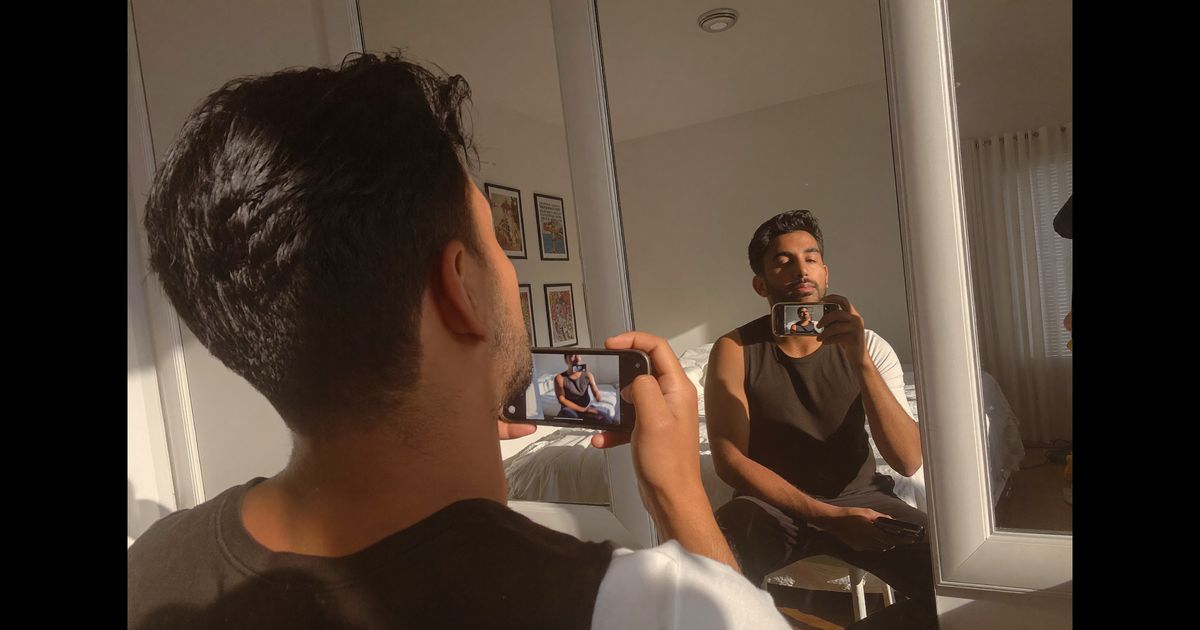
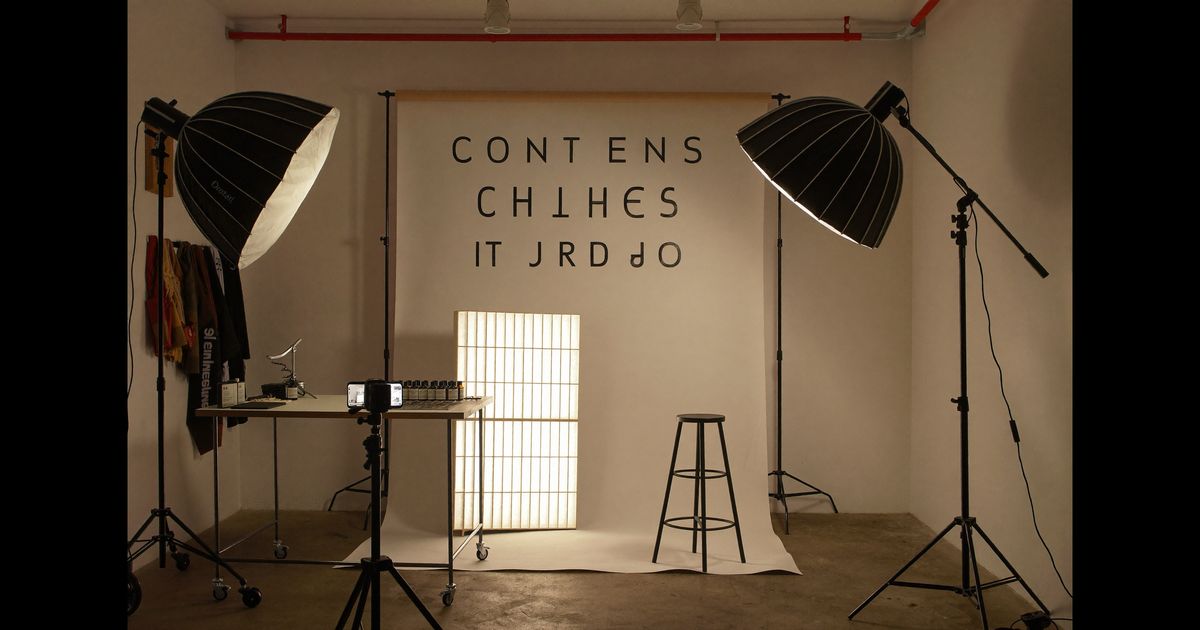
- Frame yourself or your subject at eye-level, indoors, with soft natural light or a simple key light. Ring-light-direct-to-face reads as amateur on LinkedIn even if it performs on Instagram. In our production work we brief creators to set up near a window between 9 AM and 12 PM for natural diffused light, or to use a small LED panel at 45 degrees.
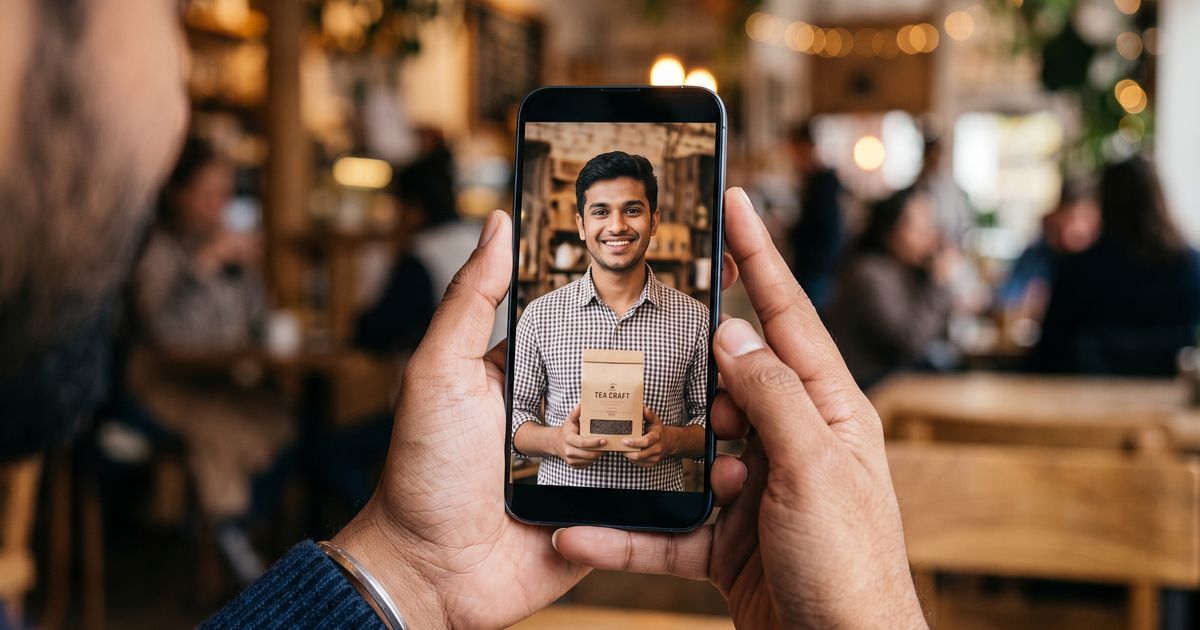
- Background matters more than on Instagram. A clean home-office setup, a café in Bandra or Koramangala with visible activity behind glass, or a plain textured wall all work. Bedroom with unmade bed or a noisy street shot does not, even if the content is gold.
- Dress codes shift the CPM brands will pay. Business-casual to smart-casual reads well. Creators in Tier-cities across India like Jaipur or Indore often shoot in more traditional kurta styles, which work equally well provided the setting is clean and the audio is clear.
- Audio quality is the single most common reason we reject clips at submission stage. A lapel mic (even a Rs. 900 wired lav from Amazon) eliminates 80% of room noise problems. No brand wants to license a clip where traffic from Outer Ring Road is audible.
Structuring the Video: The 4-Part Framework That Sells
After reviewing clips that have successfully been licensed for LinkedIn Thought Leader Ads campaigns, including B2B SaaS, edtech, and D2C brands running campaigns targeting urban professionals, a consistent structure emerges:
- The Provocation (0–3 sec): A spoken or on-screen statement that creates productive tension. "Every D2C brand in India is wasting their LinkedIn presence" or "We hired 12 creators last quarter. Here's what most of them got wrong."
- The Credential Proof (3–12 sec): A single, specific proof point that earns the next 30 seconds. This is not a bio, it is a fact, result, or observation. "Our last LinkedIn campaign for a ₹200-crore FMCG brand generated 40 inbound leads in 6 days."
- The Meat (12–50 sec): The actual advice, framework, or story. Three tight points delivered at a natural talking pace. Avoid reading from notes, LinkedIn audiences detect scripted delivery faster than Instagram audiences do.
- The Soft Close (50–60 sec): A directional statement, not a hard CTA. "If you're building a creator strategy for your brand, the comment section is open." This type of close invites comments, which signals LinkedIn's algorithm to distribute further.
"Brands do not license a video because it went viral. They license it because it sounds like their customer's voice and looks like their brand's world.", briefing note we share with all onboarded LinkedIn creators.
Caption Writing for LinkedIn: The Part Most Creators Underinvest In
LinkedIn video captions (the post text, not burnt-in subtitles) are read by a large share of viewers before they decide to press play. Unlike Instagram where the first line of a caption supports an already-watched video, on LinkedIn the caption often precedes the watch decision. This flips the writing priority.
- First line is an extension of your hook. It should create the same provocation as your video's opening 2 seconds, but in text form. Two versions of the same idea reinforce the message and catch different audience segments.
- Hashtag discipline: 3–5 specific hashtags (e.g. #D2CIndia, #LinkedInMarketing, #CreatorEconomy) outperform 15 generic ones. LinkedIn's algorithm does not function like Instagram's tag discovery.
- Tag the brand if it is a spec piece. If you are producing a speculative video for a brand you want to pitch, tag their LinkedIn Company Page in the caption. This increases the chance their social team sees the organic post.
- Do not dump the full transcript into the caption. LinkedIn captions longer than 200 words on video posts show a drop in click-through to the video based on pattern data from our creator network. Keep it to 80–150 words.
ASCI Compliance and Disclosure When Licensing
Under ASCI's updated 2021 influencer guidelines (which apply equally to LinkedIn content), when a creator's video is licensed and run as a paid advertisement by a brand, the disclosure obligation shifts. Here is what you need to know as the original creator:
- If the brand runs your video as a Thought Leader Ad under your personal LinkedIn profile, the ad will carry the "Promoted" label automatically. Your original organic post does not require an additional #ad tag unless you received direct payment to post it organically first.
- If you are paid to produce the video AND post it organically before it is licensed, ASCI requires a disclosure label, "Paid Partnership", "Sponsored", or #Ad, visible in the first 3 seconds of the video or in the first line of the caption. LinkedIn's native Paid Partnership label covers this when enabled.
- Include a licensing clause in your creator agreement that specifies territory (India-only vs. global), duration (we recommend 6-month renewable terms for LinkedIn content), and whether the brand can modify captions or add overlays after licensing. Modification rights are a separate negotiation.
- Invoice the brand with GST if your annual creator income exceeds ₹20 lakh (GST registration threshold for service providers). Many brand procurement teams in India now require a proper GST invoice to process creator licensing fees, not having one stalls payment.
Pitching Your LinkedIn Videos to Brands: The Practical Workflow
The best LinkedIn video in the world does not license itself. Here is the workflow that actually moves deals forward with Indian brand teams:
- Build a 3–5 video spec portfolio before outreach. Record demonstration videos in your niche, D2C, B2B SaaS, fintech, health, without brand involvement. These show brands what they would be buying, without requiring a paid brief upfront.
- Use LinkedIn DMs, not email, for initial outreach to social media managers. A brief DM with a link to one relevant spec video and a one-line pitch converts better than a cold email with an attached media kit. Keep the message under 60 words.
- Pricing benchmarks for Indian market licensing (as of mid-2026):
- Organic-only license (brand reshares your post): Rs. 5,000–12,000 per video
- Thought Leader Ad license (brand runs paid ads using your LinkedIn identity): Rs. 15,000–35,000 per video per month
- Full buyout (brand owns all rights, platforms, duration): Rs. 40,000–80,depending on creator follower count and niche
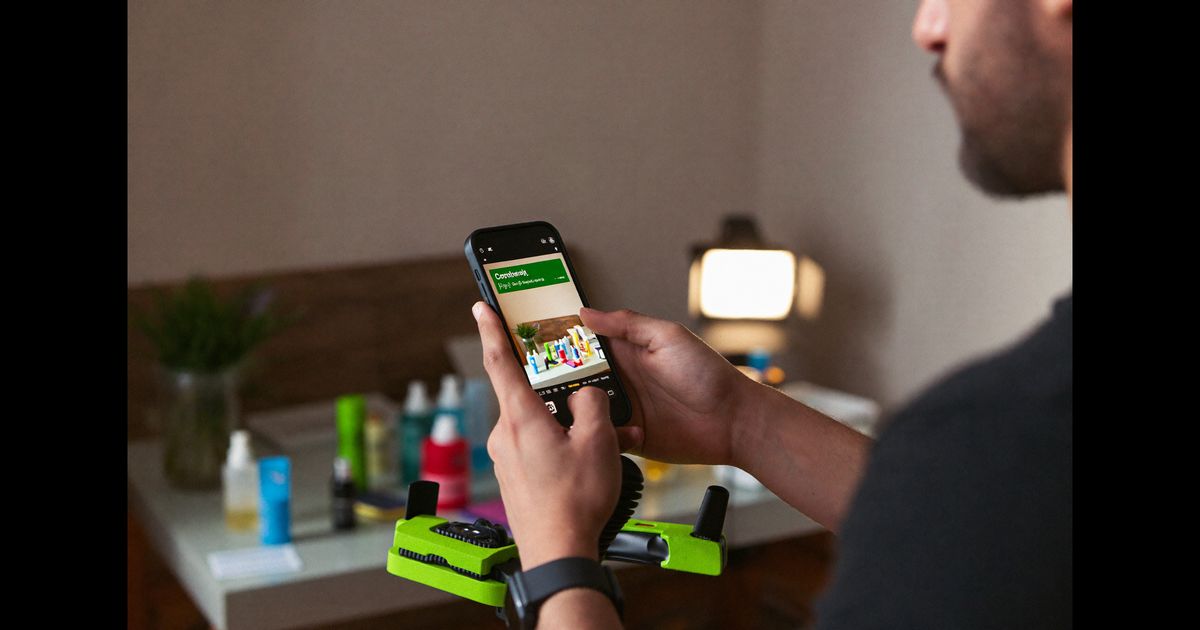
- Deliver a production-ready package: MP4 at 1080×1920, .SRT subtitle file, raw caption text, and a one-page usage brief. Brands that receive a clean, ready-to-deploy package approve faster and come back for repeat work.
- Follow up with performance data. If the brand ran the video as a Thought Leader Ad, ask for headline metrics (impressions, CTR) after 2 weeks. This data strengthens your next pitch and builds a results-based relationship rather than a transactional one.
LinkedIn short-form video is genuinely underutilised by Indian creators right now, the creator-to-audience ratio is far more favourable than Instagram or YouTube Shorts, and the brands that are spending on LinkedIn content are paying licensing fees that reflect that scarcity. If you are a creator who can deliver professional video content grounded in a professional niche, this is one of the higher-value formats available in the Indian market today. The UGC Agency's work portfolio includes LinkedIn content campaigns for both B2B and D2C brands, take a look to understand the production standard brands are benchmarking against when they license creator content.