LinkedIn Live has a licensing problem, not a legal one, but a practical one. Brands want to repurpose creator-hosted live streams as paid ads, website testimonials, and sales enablement content, but most LinkedIn Live broadcasts are unwatchable in a clip format: shaky screen shares, ten-minute pre-roll small talk, and audio that drops every time the presenter unmutes themselves. In our production work briefing B2B and SaaS-adjacent creators for Indian brands, we have seen promising live content become unusable simply because the creator did not think like a licensor before pressing "Go Live."
This guide covers exactly what changes when you approach LinkedIn Live with licensing in mind, the structural decisions, the equipment minimums, the on-stream habits, and the post-stream packaging that make a brand's legal and creative teams say yes instead of asking for a reshoot.
Why Indian Brands License LinkedIn Live Clips at All
LinkedIn's creator community in India, concentrated in Bengaluru, Mumbai, Delhi NCR, and Pune but growing fast in Tier-cities across India like Ahmedabad and Hyderabad, has built genuinely influential professional audiences. When a founder-creator with 40,000 followers goes live on a topic like "scaling D2C supply chains" or "what CFOs actually want from fintech tools," the audience is more decision-maker-dense than almost any other social platform in the country.
Brands license these clips for three specific use cases:
- LinkedIn Sponsored Content: A 30–90 second clip pulled from a live conversation, repurposed as a native ad targeting CTOs or procurement heads. Cost-per-lead on LinkedIn in India runs Rs.800–Rs.2,500 depending on audience seniority, brands are willing to pay Rs.15,000–Rs.60,000 for a clip that converts at that rate.
- Sales enablement sequences: A 2–4 minute segment used in cold outreach or nurture emails as social proof from a credible voice, not a brand talking head.
- Website and landing page testimonials: Especially for SaaS, edtech, and B2B services targeting enterprise accounts, a live-format clip feels unscripted and therefore more credible than a polished studio testimonial.
The critical point: ASCI's Influencer Advertising Guidelines (updated 2023) require that any paid licensed content include a disclosure, "Paid Partnership" or similar, even if the original broadcast was organic. We brief creators on this from the first conversation, because brands that skip the disclosure step face ASCI complaints, and the creator gets named alongside the advertiser.
The Pre-Live Structural Brief We Use
When we prepare a creator for a licensable LinkedIn Live, the most important document is not a script, it is a segment map. A segment map breaks the stream into labeled chapters with approximate timestamps, so the post-production team knows exactly where to cut without watching two hours of footage.
A typical 45-minute B2B live we have produced for a Pune-based SaaS brand looked like this:
- 0:00–3:00, Hard open: problem statement (no small talk, no "can everyone hear me?")
- 3:00–12:00, Context segment: industry background, licensable as standalone awareness clip
- 12:00–28:00, Deep-dive segment: tactical content, the core of the stream
- 28:00–38:00, Case study or live demo: highest licensing value, brand-specific use
- 38:00–45:00, Closing Q&A: 2–3 curated questions, not open floor
The segment map is shared with the brand before the stream. They pre-approve which segments they want rights to, what disclosure language will appear in repurposed posts, and whether they want a raw export or an edited clip package. This pre-approval step is what separates a licensed stream from an after-the-fact negotiation that usually falls apart.
Technical Minimums That Actually Matter
LinkedIn Live supports streaming via third-party encoders (Streamyard, Restream, OBS) or direct mobile broadcast. For licensable content, the standard we enforce with every creator:
- Video: 1080p minimum, 720p absolute floor. Most Indian home setups with a mid-range webcam (Logitech C920 or equivalent, Rs.7,000–Rs.12,000) deliver this on a 25 Mbps upload connection.
- Audio: A dedicated condenser or dynamic microphone, not the laptop mic. A Maono AU-A04 (Rs.2,800) or Blue Snowball iCE (Rs.6,500) is enough. Brands have rejected otherwise strong content because background inverter hum made the clip unusable in an ad.
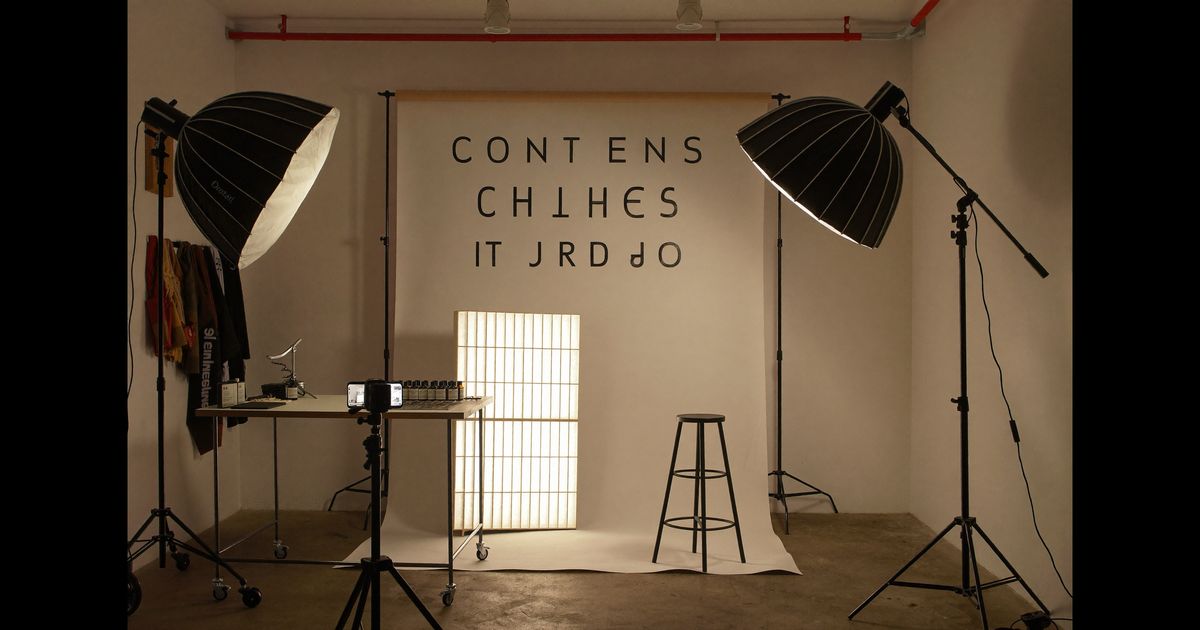
- Background: Either a physical branded backdrop or a clean, uncluttered real environment. Virtual backgrounds compress poorly on LinkedIn and look unconvincing in sponsored formats. We have a standard checklist we send creators: no ceiling fans in-frame, no windows directly behind the subject, no family members passing through.
- Encoder: Streamyard at Rs.2,400/month (billed in USD, approximately) gives multi-guest layouts, lower-third tickers, and a cloud recording that exports cleanly. This is our recommended default for any creator who wants to pitch licensable content to brands.
One thing we learned the hard way: LinkedIn's native recording export (the VOD it creates automatically after a live stream) is compressed and occasionally glitchy. Always record a local backup via OBS simultaneously, because brands doing paid licensing need the highest-quality source file, not LinkedIn's transcoded copy.
On-Stream Habits That Create Clip-Worthy Moments
The technical setup gets you in the door. What actually produces clips brands want to pay for is on-stream discipline. We train creators on four specific habits:
- Signpost your best lines: When you are about to say something quotable, a stat, a strong opinion, a counter-intuitive insight, pause for one second, sit slightly forward, and deliver it as a standalone sentence. This "clip breathing room" makes the editor's job obvious.
- Hard-open every segment: After each chapter break (context, deep-dive, case study), restate the core point in one sentence as if a viewer just tuned in. LinkedIn Live replays are watched non-linearly; a clip pulled from the middle of your stream needs to make sense without the setup.
- Name the brand or product naturally, once per segment: If you are doing a sponsored stream, a single organic mention per chapter ("I saw this when working with a Mumbai logistics startup…") is more valuable to a brand than four logo flashes. ASCI guidelines require the disclosure at the post level, not necessarily in every spoken reference, but over-mentioning triggers viewer scepticism that undermines the clip's conversion performance.
- Control the Q&A queue: Open floor Q&A produces unusable footage, long silences, off-topic tangents, technical questions that make no sense out of context. We advise creators to pre-seed 3–5 questions with co-hosts or moderate the public queue and answer only the strongest 2–3. The Q&A segment, when tightly managed, often produces the most human and relatable clip of the entire stream.
Post-Stream Packaging: What Brands Are Actually Buying
A LinkedIn Live ends and you have a two-hour recording. What you deliver to a licensing brand is not that recording, it is a curated package that removes the friction from their creative and legal teams. In our standard workflow, this package includes:
- 3–5 pre-cut clips at 30s, 60s, and 90s lengths, exported as MP4 at 1080p with no burned-in captions (brands add their own to match their style guide)
- A transcript excerpt for each clip so their copy team can write the accompanying post without watching the footage
- A licensing brief noting the disclosure language agreed upon, the approved usage windows (90 days is standard in India; some brands pay a premium for 12 months), and any restrictions (e.g., cannot be used in competitor comparison ads)
- Thumbnail still frames at 1200×627px for LinkedIn's sponsored content preview format
The fastest way to get a second licensing deal with a brand is to make the first one require zero back-and-forth. When a brand's media buyer gets a clean folder with everything labelled correctly, you become their default creator for the next campaign.
Pricing in the Indian market for a single LinkedIn Live licensing package (one stream, 3–5 clips, 90-day usage) currently ranges from Rs.18,000 for a mid-tier creator (25,000–75,000 followers, B2B niche) to Rs.80,000+ for established thought leaders in finance, HR tech, or enterprise software. This is distinct from the speaking or production fee, licensing is a separate line item that many creators in India still leave on the table because they have not structured the conversation correctly.
Common Mistakes That Kill Licensing Deals
In reviewing streams from creators who approached us after a failed brand pitch, these are the patterns that come up repeatedly:
- Starting late and chatting while waiting for viewers: The first three minutes of a live stream are often the most clipped. Starting with "we'll wait for a few more people to join" wastes that window.
- Mentioning competitors by name: Even a passing reference to a competitor in a clip that a brand wants to license can trigger a legal review that kills the deal. Train yourself to refer to "other platforms" or "earlier tools" generically.
- Not retaining the source file: LinkedIn's VOD expires or degrades. Without the local OBS recording, you have nothing to license. We have seen creators approach brands six weeks after a great stream with nothing usable to deliver.
- Skipping the rights agreement: A verbal "yes, you can use this" is not a license. Even a simple one-page agreement covering usage scope, duration, geographic rights (India-only vs. global), and the ASCI disclosure requirement protects both parties. We use a standard template we share with all creators we work with.
If you are building a LinkedIn Live practice with licensing as a revenue stream, and for B2B-focused creators in India, it is one of the most underutilised opportunities right now, the structural and technical decisions above are the difference between content that brands want to pay for and content they politely decline. At The UGC Agency, we work with both sides of this equation: briefing creators on production standards and helping brands identify and license the right content for their campaigns. If you want to understand what a licensing-ready content programme looks like for your brand or your creator business, start with a consultation and we can map out a format that fits your audience and your objectives.