A brand scout at a skincare label in Mumbai once told us she opens Instagram Reels every Monday morning and bookmarks unboxing videos she wants to license before she even checks her email. The problem: out of every thirty she saves, maybe three actually clear their licensing checklist. The rest are too dark, too cluttered with irrelevant text overlays, or feature a creator ranting about unrelated grievances midway through. If you want brands to pay for the right to reuse your unboxing content in their paid ads, you have to stop filming for views alone and start filming for the ad-manager.
This guide breaks down exactly how to do that, from your shoot setup to the metadata you attach when you pitch, with specific reference to what Indian brands and their agency buyers are actually looking for right now.
Understand What "Licensable" Actually Means
Licensing means a brand pays you a flat fee (or sometimes a royalty) to run your video as a paid advertisement on Meta or Google platforms, often under their own handle. The video stops being creator content and becomes ad creative. That distinction changes everything about how you should shoot.
- ASCI compliance is non-negotiable. Under the ASCI Guidelines for Influencer Advertising in India, any content that a brand uses commercially must clearly disclose the material connection. When a brand licenses and runs your video as an ad from their own account, the disclosure shifts to their side, but if you originally posted it on your feed with a gifted or paid tag, keep that in the original caption. Brands need a clean paper trail so they are not caught in an ASCI complaint.
- No third-party IP in the frame. That means no copyrighted music playing in the background, no competitor logos visible on other products on the shelf, no posters on your wall. Indian FMCG buyers are particularly strict about this because their compliance teams flag even a blurred brand name.
- Clean rights chain. You need to own the footage outright, no borrowed ring lights from a friend who co-filmed, no stock footage spliced in. If you used a videographer, get a written work-for-hire agreement before you pitch.
Set Up Your Shoot for the Ad Manager, Not the Feed
The aesthetic difference between an organic unboxing and a licensable one is smaller than most creators think, but the technical gap is significant.
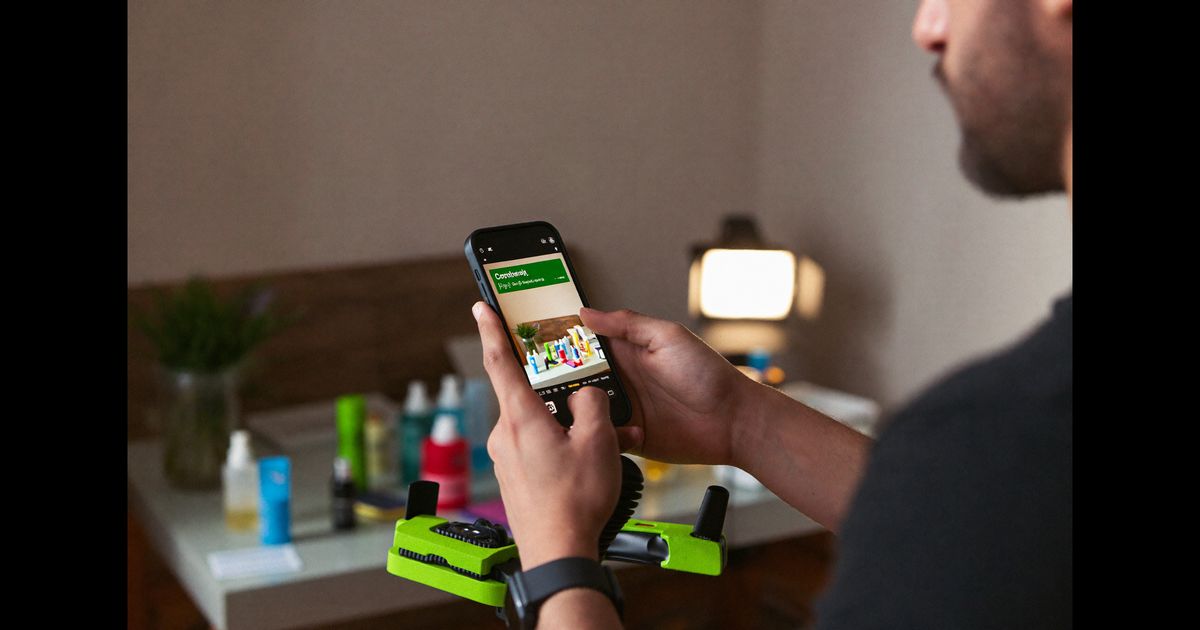
- Shoot vertical, 9:16, at 1080p minimum. Brands running Meta Reels ads or Instagram Stories ads need 9:16 natively. Cropped horizontal footage looks amateur in the ad manager and gets rejected by stricter brand guidelines.
- Safe zones matter. Keep your face, the product, and any key action within the central 80% of the frame. Meta's ad placements place UI overlays at the top and bottom. A product reveal half-hidden behind a like button is useless to a media buyer.
- Neutral or branded-neutral backgrounds. A clean off-white wall, a wooden table, or a simple fabric backdrop works across categories. Avoid busy backgrounds, a pile of laundry behind you or a kitchen counter crowded with other branded items forces the brand's creative team to crop, which degrades quality.
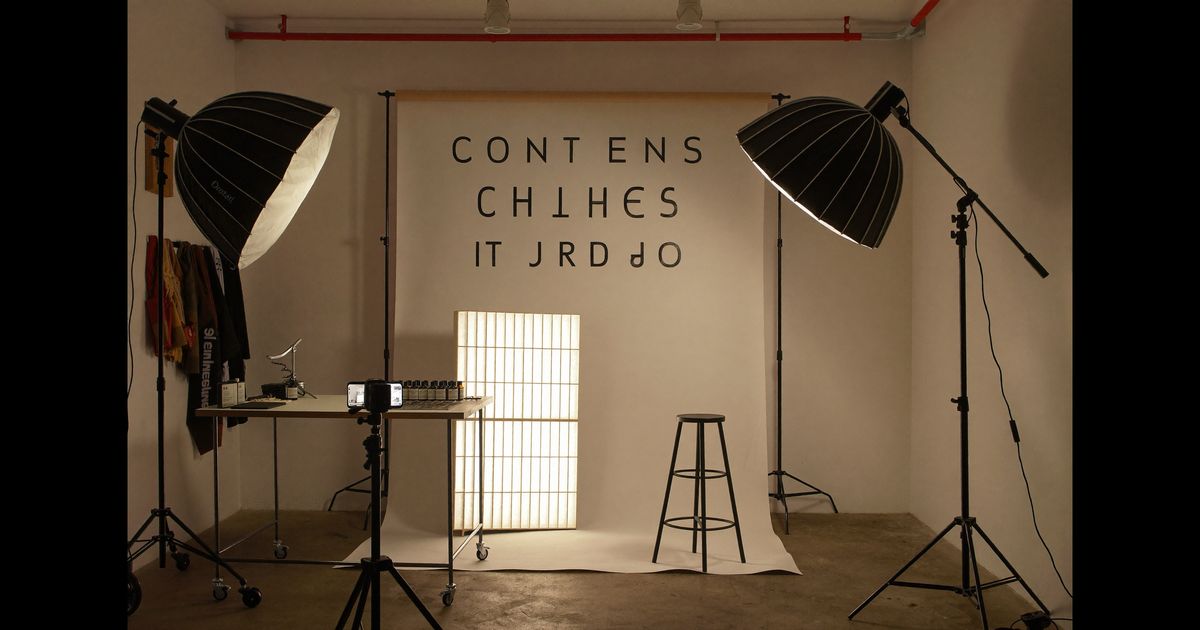
- Natural light plus one diffused key light. Window light from the left or right (not directly behind you) combined with a small LED panel or ring light at 45 degrees gives you the warm, realistic look that converts in feed ads. Harsh overhead lighting flattens the product and makes it look cheap, which no brand wants in their paid creative.
- Record audio at room level, skip the background music entirely. Brands will add licensed music or voiceover on their end. Your raw, clean audio (your genuine reaction, the crinkle of packaging, the pop of a seal) is actually the asset they want.
Structure the Unboxing for a 30-Second Ad Cut
Most licensable Instagram unboxings that brands actually use run between 28 and 45 seconds as ads. Even if you post a 90-second version on your feed, shoot with the idea that someone will clip a 30-second version.
The structure we brief creators on for licensable content looks like this:
- 0–3 seconds: Hook on product. Hold the sealed box or mailer close to camera. No talking yet. Let the packaging do the work. This is the thumb-stop moment.
- 3–12 seconds: Open and reveal. Narrate what you see. Be specific, material, texture, smell if relevant. Say the brand name and product name once, naturally. Avoid superlatives like "amazing" or "superb" in the first breath; they feel scripted and ad-aware audiences distrust them.
- 12–22 seconds: First use or close inspection. Apply the serum, wear the jewellery, plug in the device. Show a real reaction. In our production work, this is the segment brands clip most often because it captures authentic sensory response.
- 22–30 seconds: One specific claim + soft close. Land on one concrete benefit ("the moisturiser soaked in without any white cast") and then a natural close. No forced CTA like "link in bio", the brand will add their own CTA text overlay.
Shoot each segment with a deliberate pause at the beginning and end (two seconds of stillness). This gives the brand's editor clean in and out points without having to cut through your movement.
Pitch-Ready Metadata: What Indian Brands Actually Ask For
When you approach a brand or respond to a licensing inquiry, you are not just sending a Google Drive link. You are submitting a creative asset. Come prepared with:
- Resolution and aspect ratio confirmation (e.g., 1080×1920, 9:16, 30fps).
- A usage rights declaration stating that you own all footage, no third-party music was used, and you grant the brand a non-exclusive licence to run the video as a paid advertisement on Meta platforms for a defined period (typically 6 or 12 months). A simple two-paragraph email or WhatsApp message covering these points is enough for smaller brands; larger agencies will send their own agreement for you to countersign.
- Your original posting metrics if you posted it organically. Brands licensing for ads want to know if the organic version already proved some watch-time. A Reel that clocked 60% average watch-time before they license it is more attractive than an unposted clip, even if unposted gives them a "fresh" feel.
- Pricing in INR. Current market rates for a 30-day exclusive licence on a single unboxing Reel in India range from Rs. 3,000–8,000 for nano/micro creators (under 50K followers) up to Rs. 15,000–35,000 for mid-tier creators (100K–500K). For a 6-month non-exclusive licence suitable for ongoing ad use, expect 1.5–2x the 30-day rate. Do not underprice just to land a deal, brands that licence content cheaply often cycle through creators quickly and do not build long-term relationships.
Platform-Specific Details for Instagram in India
Instagram Reels currently dominate unboxing discovery in India, particularly in categories like beauty, personal care, electronics accessories, and D2C food products. A few platform behaviours worth building your shoot around:
- Captions travel with licensed posts differently. When a brand reposts your content under their handle as an ad, your original caption does not carry over. Your video must therefore be self-explanatory without on-screen text, brands may add their own text overlays, but they should not be required to explain what the product is.
- Reels vs. Stories placement. Brands running your footage as a Stories ad will likely add a swipe-up or link sticker. Shoot with the lower 20% of frame intentionally free of critical action. For Reels ads, the bottom CTA appears as a button, same logic, keep the product reveal central.
- Hindi, English, or regional language? In our experience placing unboxing content with brands targeting pan-India audiences, English-accented Hindi or neutral Hindi converts better in ads than heavily accented regional dialects, simply because it clears compliance faster across their regional teams. That said, if a brand is targeting Tamil Nadu or Bengal specifically, a creator who opens naturally in Tamil or Bangla is far more valuable to them than a forced Hindi version. Know your language market and pitch accordingly.
Common Mistakes That Get Your Content Rejected
The single most common rejection reason we see is not a technical flaw, it is an unboxing that turns into a haul or a review halfway through, so the brand cannot use the clip without it reading as a competitor endorsement.
- Mentioning other brands by name. Even a passing "this reminds me of the Mamaearth version" makes the footage unusable for a competing brand.
- Visible personal notifications. Screen recordings, unboxing tech products where your phone mirrors to a laptop, these often accidentally show notification banners. Brands cannot run that without editing, and most will just reject.
- Overusing jump cuts. Heavy jump-cut edits that remove natural pauses leave the brand's editor no room to work. Deliver a full clean take alongside your edited version.
- Filming in portrait but holding the phone in landscape habit. This sounds obvious but it happens, a creator films with the phone rotated slightly so there are faint black bars on either side of the vertical frame. Check your footage on a desktop before pitching.
- No product name spoken on camera. A beautiful unboxing where you never say the product name out loud forces the brand to add a title card. Sometimes they will; often they will find a creator who did say it.
If you want to turn your unboxing content into a reliable licensing revenue stream, the work starts before you press record. The creators we see getting repeat licensing deals, sometimes three or four from the same brand in a quarter, are the ones who think like a media buyer and a creator simultaneously. If you are building a portfolio of licensable UGC and want to get in front of brands actively commissioning this format, book a free consultation with our team to understand how the briefing and licensing process works at the agency level.