A brand manager at a Bengaluru-based D2C skincare label recently told us she rejected four BTS reels in a row, not because the content was bad, but because none of it was "usable." The lighting was inconsistent, the creator's workspace looked chaotic in a distracting way, and there was no natural brand integration. She eventually licensed one clip from a creator who had clearly thought about what a brand actually needs from a behind-the-scenes video. That distinction, between BTS that feels authentic and BTS that is also licensable, is exactly what this guide covers.
Behind-the-scenes content on Instagram sits in a sweet spot: audiences trust it because it feels unpolished, but brands will only pay to license it if it meets certain production and legal standards. The following steps walk you through building BTS content that crosses both thresholds.
Understand What "Licensable" Actually Means
When a brand licenses your BTS clip, they are buying the right to use it in paid ads, organic posts, or email campaigns, sometimes all three. That means the content must be legally clean and creatively flexible.
- No third-party music: A reel with a trending Bollywood track cannot be licensed for brand ads. Use royalty-free audio from platforms like Epidemic Sound, Artlist, or Instagram's Commercial Music Library. In our production work, we always brief creators to record a silent version and a music version of each BTS clip.
- No visible third-party logos: If your laptop has a sticker from another brand, blur it or face it away. Bags, clothing, and accessories with prominent logos create clearance problems for brands.
- Model releases for anyone in frame: If a friend, roommate, or assistant appears even briefly, they must sign a simple model release. A one-page PDF agreement is enough; we use one that specifies perpetual, worldwide usage rights.
- ASCI compliance: If your BTS shows you using a product and making implicit or explicit claims (e.g., "this serum cleared my skin in a week"), those claims fall under ASCI's influencer guidelines. Any claim must be verifiable by the brand before they can use it in ads. Keep BTS observational, show the process, not the outcome claim.
Plan Your "Story Arc" Before You Press Record
The mistake most creators make is treating BTS as leftover footage, whatever they happen to capture while doing something else. Brands do not license accidental content. They license content that tells a clear, short story about craft, process, or product interaction.
For a 30-60 second BTS reel, plan three beats:
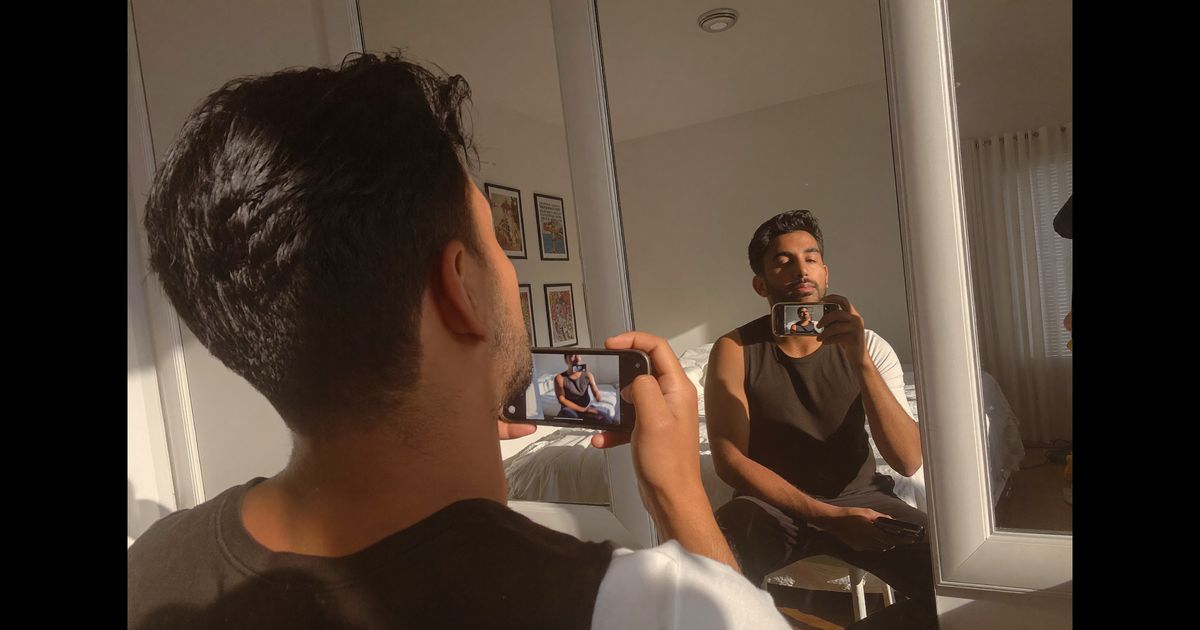
- The setup: Show your workspace or kit, neatly arranged, not staged to look fake. A Mumbai flat with good natural light from a north-facing window reads as authentic. A ring light on a clean desk in Chennai also works. The point is intentionality.
- The process: This is the licensable gold. Show how you open the product, how you arrange a flat lay, how you mix a shade, how you brief yourself from a script card. Process footage is what brands cut into their own product storytelling.
- The reaction or result: A brief, genuine reaction, not an over-acted testimonial. A small smile, a nod, a close-up of the finished shot. Brands use this as a payoff clip in ad sequences.
Write these three beats down before you shoot. Thirty seconds of structured BTS is worth more than three minutes of wandering footage.
Shoot for Adaptability, Not Just Aesthetics
A brand might want to use your BTS clip vertically for Reels, horizontally for a YouTube pre-roll, or cropped square for a feed post. Shoot with this in mind.
- Leave headroom: Keep your subject in the centre third of the frame so editors can crop for any ratio without cutting off faces or key product moments.
- Shoot multiple angles: A wide establishing shot, a medium shot of hands working, and a close-up of the product. Brands will often use only one of these, but having options makes your package far more attractive at licensing discussions.
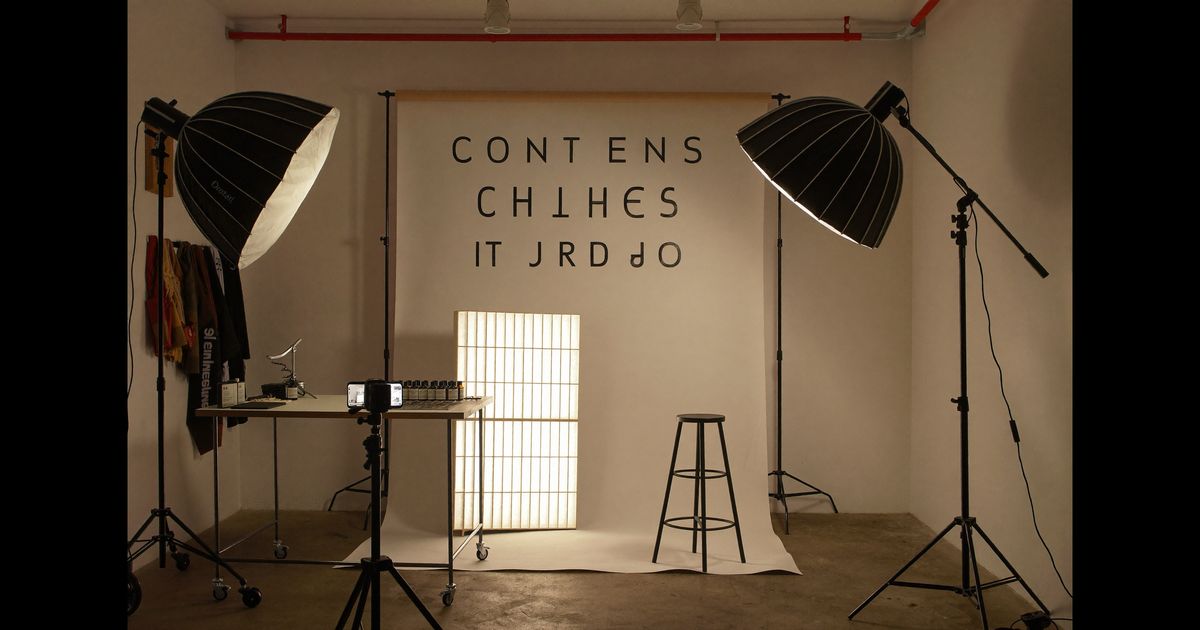
- Lighting consistency: Indian afternoons create harsh shadows. If you shoot near a window in Kolkata or Hyderabad, diffuse the light with a white bedsheet or a Rs.800 diffusion panel. Inconsistent lighting between clips makes it impossible for a brand editor to cut them together.
- Stabilise everything: Even "casual" BTS should be shot on a mini tripod or gorilla pod. Shaky footage reads as amateur, not authentic. Rs.1,500-2,500 tripods from Amazon.in are adequate for phone setups.
Integrate the Brand Organically, Without Making It an Ad
The paradox of licensable BTS is that the brand presence must be visible but not promotional. Think of it as product placement in a documentary, not a commercial.
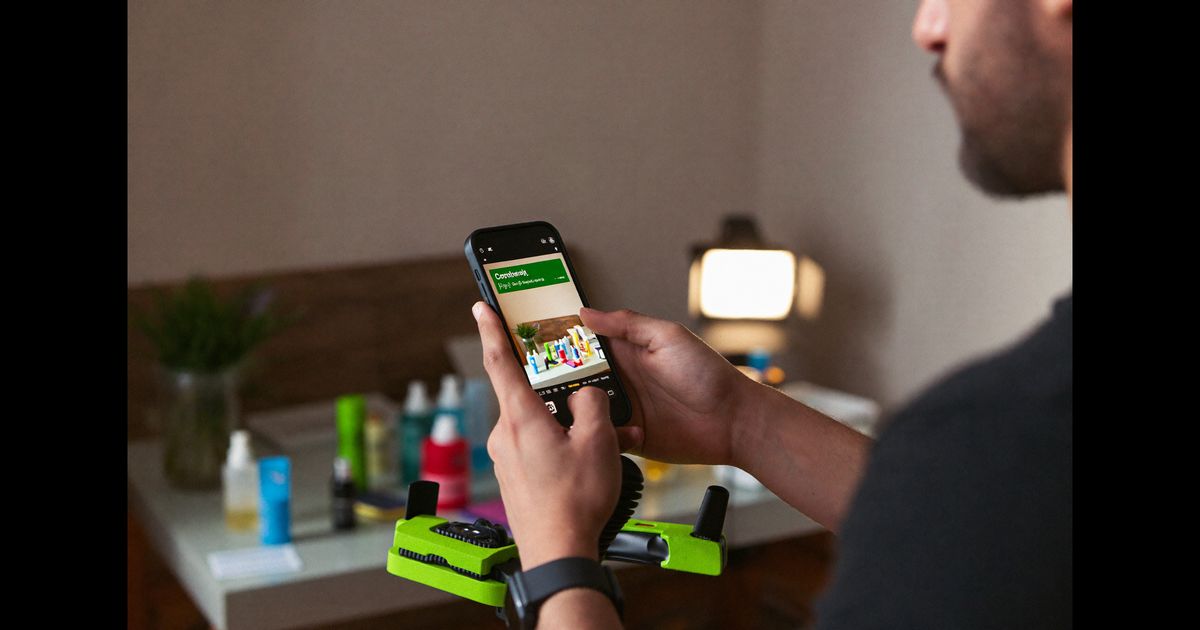
- Place the product in your natural workspace, on your desk alongside your notebook, near your ring light setup, or in your hand while you review a brief on your phone.
- Interact with the product as part of your process: applying it before a shoot, using it as a prop in a flat lay, or referring to its packaging while adjusting your camera angle.
- Speak to it obliquely in any voiceover: "I'm testing this new hydrating formula today before the shoot" is natural. "This hydrating formula is incredible and you should buy it" is an ad and undermines the BTS premise.
The best BTS content makes a brand feel like a natural part of the creator's world, not a sponsored interruption. That authenticity is precisely why brands pay to license it, it is the one thing they cannot manufacture in-house.
Build a Licensing-Ready Deliverable Package
When you pitch BTS content to a brand for licensing, whether through an agency like ours or directly, you are not handing over a single reel. You are delivering a package. Here is what that typically includes:
- Raw clips (unedited): Export each angle as a separate MP4 at 1080p or 4K if your phone supports it. File names should be descriptive: BTS_product-name_wide_01.mp4, not IMG_4823.mp4.
- An edited cut: Your 30-60 second assembled reel, colour-graded and with royalty-free audio. Include a version without music (music-off track) for brands who want to add their own.
- Caption and hashtag suggestions: Write 2-3 caption options in both English and Hindi (or the relevant regional language, Tamil for Chennai-based brands, Kannada or Telugu for Bengaluru/Hyderabad). Brands often use the creator's caption with minor edits.
- A signed usage rights document: Specify what the brand can do with the content: paid ads, organic posts, website embeds, email, OOH. Specify the duration, typically 12-24 months for a standard BTS license. INR 8,000-25,000 per clip is a reasonable range for a first license, depending on the brand's ad spend and usage scope.
- Model and location releases: If you shot at a rented studio in Mumbai or a café in Delhi, get a location release signed. Most cafés will sign one for a small fee or a complimentary credit tag.
Pitch and Repurpose Strategically
Licensing BTS is not a passive income stream, it requires active pitching. The most effective approach for Indian creators is to build a small BTS portfolio of 5-8 clips across different product categories (skincare, food, fashion, SaaS), then approach brands or their agencies directly.
- Tag the brand in your BTS reel organically when you post it. Many Indian D2C brands, Plum, Mamaearth, Pilgrim, mCaffeine, have dedicated social teams who actively DM creators whose content they want to license.
- List your BTS inventory on your media kit. A simple Google Drive link with thumbnails, clip durations, and usage terms is enough.
- Repost BTS clips to Instagram Stories using the "Add Yours" sticker linked to a content-creation theme. This extends organic reach and signals to brand managers that the content has engagement potential.
- Keep a versioned archive. A clip that one brand passes on in January might be exactly what a different brand in the same category needs in March. BTS does not expire the way trend-driven content does.
If you want to understand what brands are actually briefing for and how licensing conversations work from the agency side, our team at The UGC Agency works with creators across India to build production-ready BTS portfolios that brands actively seek out. A conversation costs nothing, and it usually saves creators months of trial and error.