A brand marketing manager in Mumbai does not license a Facebook unboxing video because it looks pretty. They license it because it does a specific job, lowering the cost of their paid traffic. Understanding that one fact changes everything about how you shoot, structure, and pitch your unboxing content as a creator.
This guide starts from zero. You do not need a studio, a ring light, or a hundred thousand followers. What you need is a methodical approach to a very particular format that Facebook's algorithm and Indian D2C brand teams have both learned to trust. Here is how that format works.
Why Facebook Specifically, and What "Licensing" Actually Means
Facebook Reels and the standard feed video format remain the primary paid-social channels for Indian D2C brands in categories like skincare, health supplements, kitchen appliances, and fashion, particularly in tier-2 and tier-cities across India where Instagram penetration is lower. Brands running Meta ads in Hindi, Tamil, Telugu, or Bengali consistently find that Facebook delivers reach at lower CPMs than Instagram for those audiences.
When a brand licenses your unboxing video, it means they pay you a flat fee (or a usage-rights fee on top of your production rate) for the right to run your video as a paid ad, often for six to twelve months. Your face, your voice, your genuine reaction become the creative for their ₹5 lakh to ₹50 lakh monthly ad spend. That is fundamentally different from a brand simply reposting your organic content. A licensed video needs to survive hundreds of thousands of impressions without feeling like an ad. That is the bar you are shooting for.
The Five-Part Structure Brands Actually Brief Creators On
We brief creators to follow a sequence that mirrors how a first-time buyer thinks, not how a marketer speaks. Here is that sequence, with approximate time allocations for a 60-to-90-second Facebook video:
- The hook (0–3 seconds): Show the sealed box or mailer bag, say one specific thing that makes you curious. "I spent ₹2,800 on this face wash and I have no idea if that was stupid." This is not hype. It is honest anticipation.
- The unboxing moment (3–20 seconds): Slow down here. Show the packaging detail, tissue paper, a handwritten note, the insert card. Indian D2C brands like Minimalist, Plum, and Bombay Shaving Company invest heavily in packaging because it signals quality. Your job is to let the viewer see that investment.
- The first impression (20–40 seconds): Pick up the hero product. Read the label out loud if it has a claim. Smell it, feel the texture, open it. React naturally. A pause is fine. Silence while you read is fine. Do not narrate everything, let the product fill the frame.
- The one specific detail (40–60 seconds): Find the single thing that surprised you. A pump dispenser when you expected a screw cap. A QR code that links to a usage guide. The weight of the product. One specific detail does more to build trust than five general compliments.
- The soft close (60–90 seconds): Tell the viewer what you plan to do with it and where they can find it. "I am going to try this for two weeks, the link is in the comments." This keeps the video honest and gives the brand a clear CTA hook to work with in their ad copy.
Equipment, Location, and Language, Realistic Starting Point
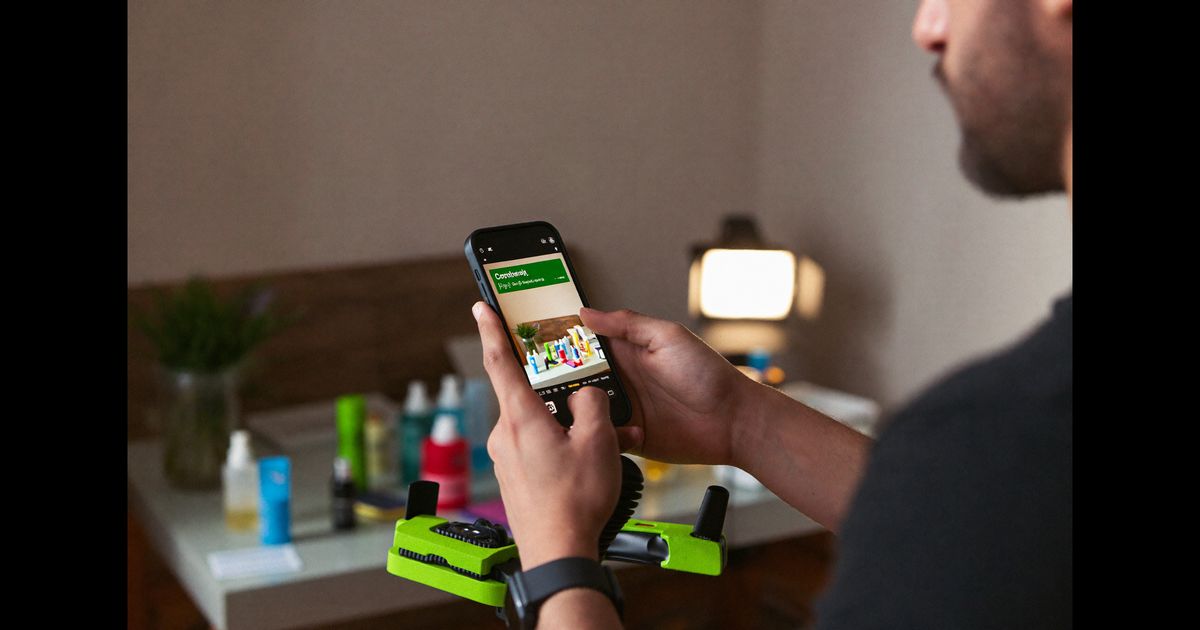
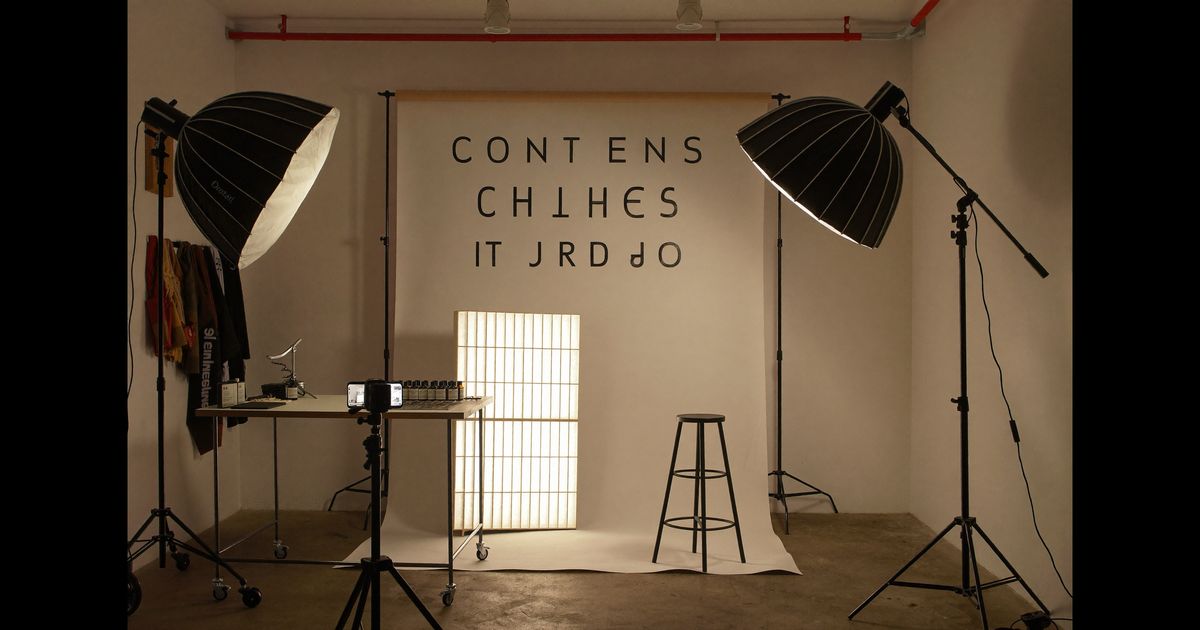
You can shoot a licensable unboxing on a mid-range Android phone. A Redmi Note 13 Pro or a Samsung Galaxy F series on a steady surface, near a window, in daylight will produce acceptable footage. The single biggest upgrade you can make for under ₹2,000 is a small LED fill light, even a ₹700 ring clip from Amazon India eliminates the flat shadow that makes budget production look budget.
Location matters more than people admit. A wooden table, a plain cotton bedsheet as a backdrop, or a kitchen counter with neutral tiles, all of these read as "real home" to a viewer scrolling Facebook. Avoid branded coffee mugs, visible wires, and messy backgrounds. The product should be the most visually interesting object in the frame.
Language is a genuine variable. Hindi-language unboxings perform differently from English ones on Facebook India, and regional-language content, Tamil for a Chennai skincare audience, Marathi for a Pune home-goods brand, can command a premium from brands who struggle to source that content. If you are comfortable in more than one language, offer both cuts. A brand buying rights to a Tamil unboxing might pay ₹8,000 to ₹15,000 for content they genuinely cannot find elsewhere.
ASCI Rules You Must Not Ignore
The Advertising Standards Council of India (ASCI) guidelines on influencer advertising apply to your content the moment a brand pays you, whether that payment is cash, free product, or a licensing fee. The core requirements are:
- Disclose the commercial relationship clearly and prominently. On Facebook, the standard label is #Ad or #Sponsored placed at the beginning of the caption, not buried after three lines of text.
- If the brand is running your video as a paid ad through their own account (dark post or allowlisted), the disclosure is handled on their end, but you should confirm this in your agreement rather than assuming.
- You cannot claim a product cures a disease, guarantees a result, or is clinically proven unless the brand can substantiate that claim in writing. For health and beauty products, ask the brand for a claims sheet before you script anything.
- Testimonials must reflect your genuine experience. If you shot the video before using the product, say so, "first impressions" framing is honest and legally safer than a results claim.
Brands licensing content for paid media take compliance seriously because a flagged ad damages their account. Demonstrating that you understand ASCI basics makes you easier to work with and worth more to a brand's legal team.
How to Make Your Video Easy for a Brand to License
There is a gap between a video a brand enjoys watching and a video a brand can actually run as an ad. Close that gap by delivering these things without being asked:
- Clean audio takes: Record in a quiet room. Air conditioners, ceiling fans, and street noise all cause problems in post. If your building is noisy, an early morning shoot before traffic starts is not overcautious, it is professional.
- No competitor brand names or logos in frame: If you have a Himalaya bottle on your shelf and you are unboxing a Wow Skin Science product, move the Himalaya bottle before you press record. Brands cannot run ads with competitor products visible.
- A horizontal AND a vertical cut: Facebook feed prefers landscape or square; Reels requires vertical. If you shoot vertically, make sure your composition leaves enough headroom to crop to 1:1 without cutting off the product. Some creators shoot one take in 9:16 and one in 16:9; others shoot wide enough to reframe in editing. Either works, the point is to deliver both.
- B-roll of the product alone: Five seconds of the product rotating on a surface, a close-up of the label, a shot of the open lid, these give a brand's editor options to cut to. Hand these over as separate clips, not buried in a long timeline.
- A version without your face (hands-only): Some brands want to run your content but swap in their own voiceover or text overlay. A hands-only cut, just your hands handling the product, is a high-value deliverable that many creators do not think to offer.
Pitching Your Unboxing to Brands, and What to Charge
Brands do not browse Facebook looking for content to license. You need to bring the content to them. The practical approach for a new creator is to shoot two or three speculative unboxings of products you already own and use, something from Mamaearth, a supplement from Oziva, a kitchen gadget from Prestige. Keep the video unlisted on Facebook (set audience to "Only me") and share the link directly to the brand's marketing team via email or LinkedIn.
Licensing rates in India for a single Facebook unboxing with six-month usage rights currently range from roughly ₹5,000 to ₹25,000 depending on the brand's category, your engagement rate, and whether they are asking for exclusivity. Exclusivity, meaning you cannot work with a competitor category for the license period, should carry a 30–50% premium. Get this in writing, even if it is just a WhatsApp confirmation followed by an email. Disputes over usage period and exclusivity are the two most common friction points between creators and brand teams.
A brand's media buyer does not care how many followers you have. They care whether your video can hold a thumb-stop long enough to complete a view. That is a craft problem, not a distribution problem.
If you want help connecting your unboxing content with Indian D2C brands that are actively buying creator content for paid media, see how we work with creators at The UGC Agency. We match creators to active briefs and handle the licensing paperwork so both sides can focus on making content that actually converts.