A two-minute Facebook video showing how to apply a face serum, filmed in a Bengaluru apartment with natural window light, can earn a creator anywhere from ₹8,000 to ₹25,000 in licensing fees, if the brand decides to run it as a paid ad. That word "if" is the entire game. Tutorials are one of the highest-licensed content formats on Facebook because they do something most brand-produced videos cannot: they look real, they teach something, and they hold attention past the three-second mark. But there is a gap between a tutorial that sits quietly on your feed and one that a brand's media buyer actually wants to spend money amplifying. This article closes that gap.
Facebook is still the dominant paid-distribution platform for most Indian D2C brands, skincare, kitchenware, supplements, edtech tools, regional food labels, and tutorial-format ads consistently outperform pure lifestyle clips in conversion-focused campaigns. As a creator, understanding exactly what makes a tutorial licensable is not just a nice-to-have; it is the difference between a one-time fee and a recurring content relationship.
What "Licensable" Actually Means in Practice
When a brand licenses your video, they are not buying your content for their organic page. They are running it as a paid Facebook ad, sometimes using their own ad account, sometimes through a whitelisting arrangement that keeps your name on it. Either way, the video is going into Ads Manager with a daily budget behind it, targeting specific audiences across India or a particular state.
For that to happen, three things must be true:
- The brand must own or have rights to every element in the video. If you used a trending Bollywood audio track from Reels, that music cannot travel into a paid ad without a separate licence. Always record with royalty-free music or shoot your tutorial in ambient silence and let the brand layer in licensed audio later.
- The content must comply with ASCI guidelines. India's Advertising Standards Council of India requires that testimonial-style claims be truthful and verifiable. If your tutorial says "I got results in three days," the brand's legal team will ask for substantiation or cut the claim entirely. Stick to demonstrating the product rather than making quantified health or performance claims unless the brand explicitly clears the language.
- The video must be technically clean for Ads Manager specs. Facebook's preferred ratio for feed ads is 1:1 or 4:5; for Reels-style placements it is 9:16. Shoot with this in mind so the brand does not have to crop your face out of frame.
The Anatomy of a Tutorial That Gets Picked Up
Most tutorials that brands skip share one flaw: they are structured for organic viewing, not for paid-ad performance. On organic, viewers forgive a slow start. On a paid ad, you have roughly two seconds before someone scrolls. The structure below is what we brief creators to follow when producing tutorial content intended for Facebook licensing.
- Hook (0–3 seconds): Start mid-action, not with an intro. Show your hand already holding the product, or cut straight to the moment of application. A creator in Chennai filming a hair-oil tutorial should open on the oil being massaged into the scalp, not on themselves saying "Hi, today I'm going to show you…"
- Problem statement (3–8 seconds): Name the exact problem the viewer has, in one plain sentence. In Hindi: "Mere baal bohot dry rehte the, koi bhi oil kaam nahi karta tha." In English: "Every serum I tried sat on top of my skin rather than absorbing." This is the moment the viewer decides whether to keep watching.
- Step-by-step demonstration (8–60 seconds): Show each step with a brief on-screen text overlay, this matters because most Facebook users watch with sound off, especially on mobile. Keep steps to three or four maximum; more than that and the tutorial loses its tight, snackable feel.
- Result + soft proof (60–90 seconds): Show the before/after, the texture, the smell reaction, the packaging, something tangible. Avoid saying "this cured my skin" (ASCI flag). Say instead "this is what my skin looks like the next morning."
- Closing tag (last 3–5 seconds): A natural verbal or text call-to-action. Something like "link in bio" or "find it on their website", the brand will often replace this with their own overlay, but having a natural close prevents an abrupt cut.
Choosing the Right Product Category and Format
Not all tutorials are equally license-worthy. Facebook ads in India are dominated by a handful of high-spend categories, and aligning your content to those categories increases your chances of being approached, or of your pitch landing when you reach out proactively.
- Skincare and haircare: The highest-volume category. Brands from Bombay Shaving Company to small-batch Ayurvedic labels in Kerala consistently licence tutorial content because the demonstration IS the pitch. A three-step morning routine showing a moisturiser, eye serum, and SPF, all from one brand, is a dream ad for a media buyer.
- Kitchen and home appliances: Recipe-style tutorials showing a mixer-grinder, air fryer, or induction cooktop in action are extremely licensable. The challenge is keeping it personal, not like an infomercial. Film in your actual kitchen in Pune or Hyderabad; use your actual family's dishes in the background.
- Supplements and nutrition: High demand, but also high ASCI scrutiny. Stick to usage tutorials ("how I add this protein powder to my morning smoothie") rather than efficacy claims. Let the visual do the work.
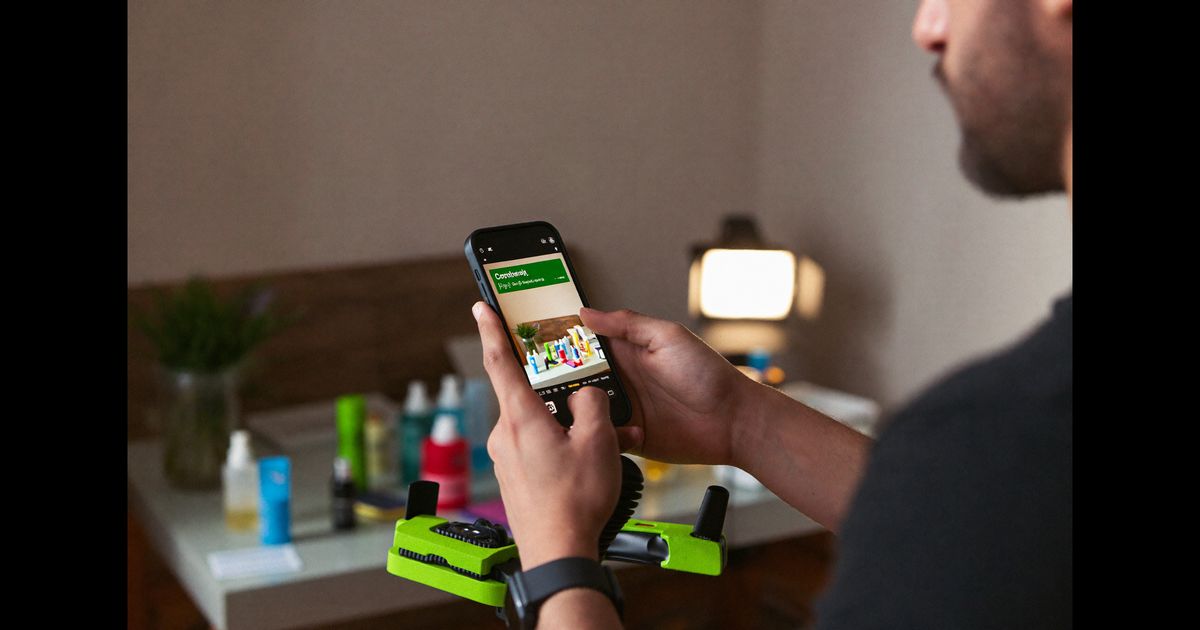
- Software and apps (SaaS/edtech): Screen-recording-based tutorials showing how to use a tool, a HRMS dashboard, a learning app, a fintech product, are increasingly licensed for Facebook and Instagram. These require a different format: record your screen with a face-cam overlay (picture-in-picture style) and narrate clearly.
The tutorials we see licensed most quickly are the ones where the creator has clearly used the product before filming. Hesitation with packaging, reading instructions mid-video, or mispronouncing the brand name are instant disqualifiers for a brand's review team.
Language, Region, and Targeting Fit
Indian Facebook users are not a monolithic audience, and neither are Indian brands' ad strategies. A D2C brand running Facebook campaigns in Tamil Nadu needs Tamil-language creative. A pan-India brand running a Diwali campaign needs Hindi and regional variants. This is an opportunity most creators miss.
If you are a creator based in Kolkata who shoots in Bengali, you are not competing with a Hindi-language creator in Delhi, you are filling a gap that most national brands desperately need to fill but struggle to source. When you pitch your tutorial content, lead with your language and region, not just the video itself. Mention that the content is natively produced in Bengali, that your diction is natural and not dubbed, and that the visual environment (homes, streets, kitchens) will resonate with a Bengali-speaking audience. This specificity is what gets a brand to respond.
Practical notes on language for tutorials:
- Shoot the tutorial with your natural accent and pace. Brands can add subtitles; they cannot add authenticity.
- If you speak Hinglish naturally, lean into it, it mirrors how most urban Indian consumers in the 25-40 demographic actually talk and reads as genuine rather than scripted.
- Keep product names and brand claims in English even in regional-language videos. It prevents legal ambiguity around translated claims and aligns with how brands prefer their name to appear in ads.
Lighting, Sound, and Gear on a Beginner Budget
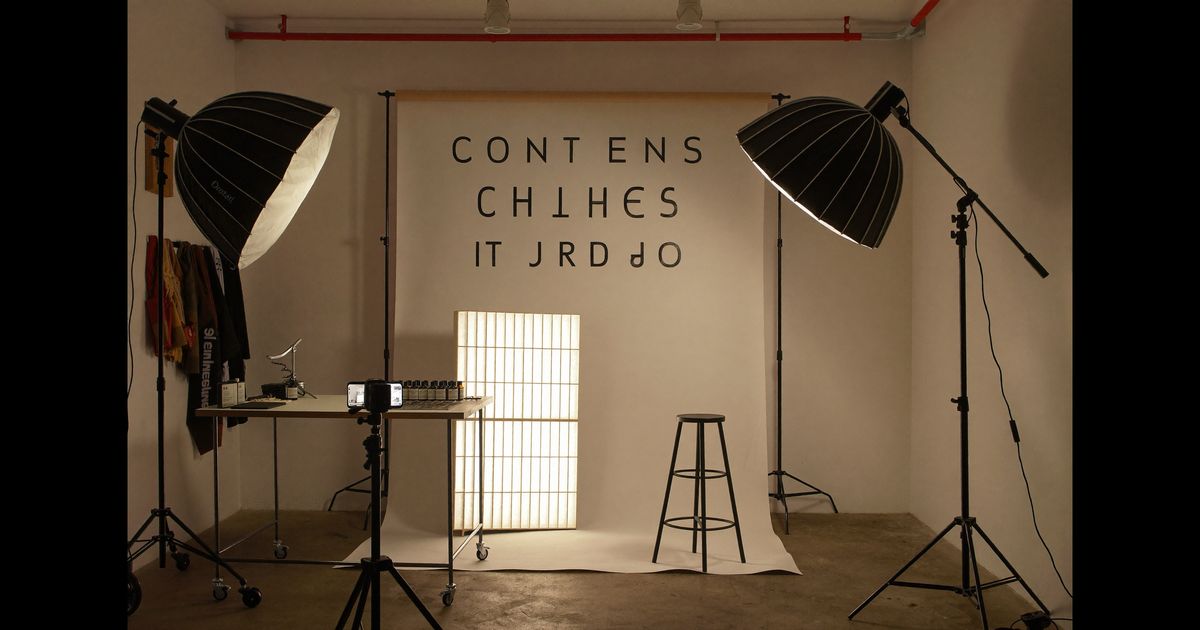
You do not need a studio. You need consistency. These are the non-negotiables for a licensable Facebook tutorial when you are starting out:
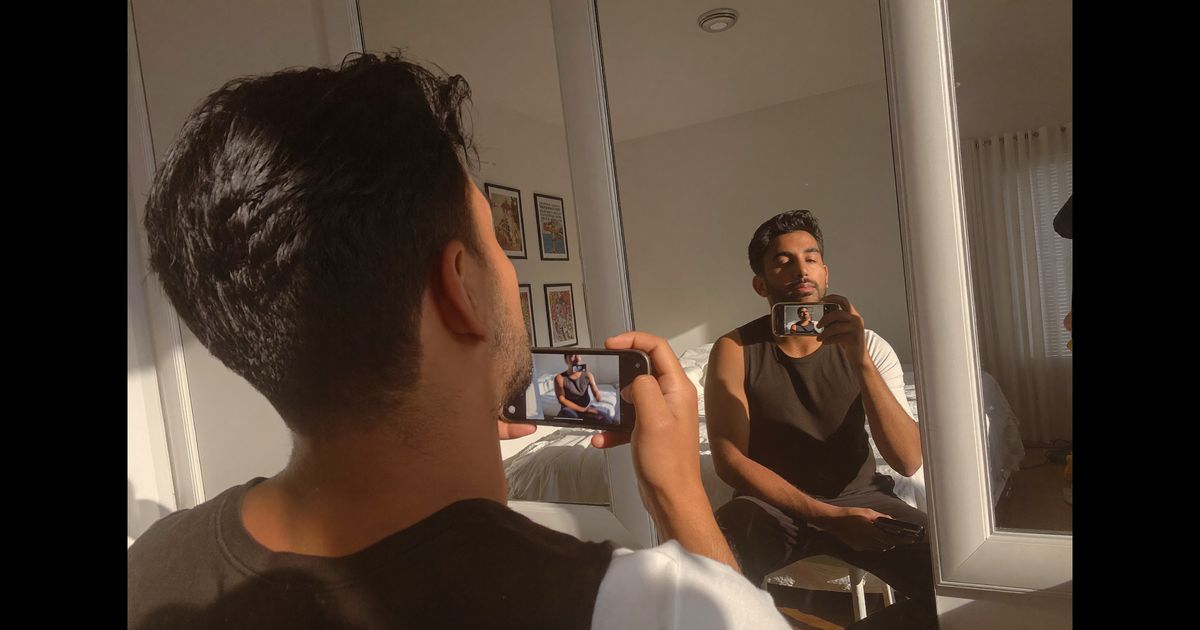
- Light: One large window or a ₹1,200–₹2,500 ring light from Amazon India (Digitek and Simpex are reliable brands at this price point). Flat, even light on your face means the brand does not have to reject the video for looking amateurish on a phone screen.
- Sound: A lapel mic plugged into your phone's 3.5mm jack or USB-C port costs ₹600–₹1,500 and eliminates echo. Brands care about clear audio even if viewers watch muted, the auto-generated subtitles on Facebook are generated from the audio track.
- Stabilisation: A tripod with a phone mount (₹400–₹800) is enough. Shaky handheld footage signals inexperience and is the first thing a brand's creative director flags.
- Resolution: Shoot in 1080p minimum. Most Android phones sold in India in the last three years support this. 4K is a bonus, not a requirement.
- Background: Clean, uncluttered, and contextually relevant. A kitchen counter for a food tutorial, a bathroom shelf for a skincare tutorial. Remove personal items, family photos, political calendars, unrelated products, from frame. Brands need to be able to use the video without legal review flagging third-party logos or trademarked materials in the background.
How to Package and Pitch Your Tutorial for Licensing
Creating the video is only half the work. Brands receive inbound content pitches constantly, and most get ignored because the creator sends a raw file link with no context. Here is what a proper pitch includes:
- A one-paragraph brief: What the tutorial covers, the target audience it speaks to (e.g., "urban women in the 25-35 age group with combination skin"), and the language/region it is native to.
- A Google Drive or WeTransfer link with the original file (not just a Reels or post link), brands need the raw or lightly-edited file for their ad production team to add captions, logos, and end cards.
- Your licensing terms upfront: Specify the duration (90 days is a reasonable starting offer), the platforms (Facebook and Instagram only, or broader), and whether you are open to whitelisting. A typical beginner rate for 90-day Facebook ad usage in India starts around ₹8,000–₹12,000 for a single piece of content; creators with demonstrable engagement history command ₹20,000–₹40,000 and above.
- A short list of content you do NOT have rights to: If you used a friend's kitchen or a piece of background music you're unsure about, say so. Brands appreciate the transparency and will factor it in rather than discover it post-purchase.
Building a portfolio of three to five well-produced tutorials across two or three product categories, each properly licensed and delivered, is enough to start a regular content supply relationship with a brand or agency. If you are ready to move from occasional briefs to consistent paid licensing work, take a look at how The UGC Agency structures creator partnerships, it is built around exactly this kind of repeatable, brand-ready tutorial production.