A brand's media buyer opens a Facebook Ads Manager account in Mumbai, scrolls through a library of creator submissions, and rejects nine out of ten testimonials before finding one worth licensing. The rejection reasons are almost always the same: no clear claim, shaky framing, background noise from a ceiling fan, or a creator who sounds like they're reading off a script. Getting into that tenth-spot requires understanding exactly what licensing teams look for, and then building that into how you shoot from the very first take.
This guide walks through the complete production process for a licensable Facebook testimonial: from scripting a claim that survives ASCI scrutiny, to framing and audio specs that pass a brand's quality gate, to the contracts and licensing language that make the whole thing worth your time.
Understand What "Licensable" Actually Means
When a brand licenses your testimonial, they are paying to run it as a paid Facebook ad, usually as a dark post or boosted creative, under their ad account. That distinction changes everything about what they need from you.
- Full usage rights, not just a tag: A brand collab post on your personal profile is not a license. Brands need explicit written permission to run your face and voice as a paid placement. Without a signed release, their legal team will block the asset.
- No platform-exclusive content: If your testimonial contains music licensed only for organic posts (Reels-only tracks, for example), it cannot be used in paid ads. This is a common kill reason in India, creators record against a trending Bollywood track without realising it strips the asset of any paid-ad value.
- ASCI compliance: The Advertising Standards Council of India requires that testimonials reflect genuine consumer experience. Superlative claims ("best skincare in India", "fastest delivery ever") need substantiation the brand may not be able to provide. Build your script around specific, experiential claims rather than absolutes.
The practical upshot: before you press record, confirm with the brand or the agency briefing you that the deliverable is a licensed paid-ad asset, not just an organic post. The brief, the shoot, and the contract are all different.
Script a Claim That Survives the Legal Review
The most common reason a testimonial gets rejected at the licensing stage is not production quality, it is an unsubstantiated claim buried in the script. Here is how to write around that problem.
- Anchor to your own experience, not universal promises: "Mere skin ka texture teen hafte mein genuinely smooth ho gaya" is defensible. "Yeh product sabse zyada effective hai market mein" is not, it is a comparative claim that requires proof.
- Name the specific product action: Instead of "it worked really well," say "the serum absorbed within 30 seconds without leaving any white cast, I could apply sunscreen straight after." Specific claims are both more credible and easier for compliance teams to verify against the product brief.
- Avoid before/after language without visuals to support it: Phrases like "I used to have terrible acne" require paired before imagery for the ASCI testimonials guideline to hold. If you are doing audio-only testimony with a product shot, stay in the present tense.
- Regional-language testimonials need the same rigour: Tamil, Bengali, or Marathi scripts are not exempt from ASCI guidelines just because they are not in English. We brief creators to run the regional-language version past the same claim-check as the Hindi/English master before shooting.
A good rule of thumb: if you would feel comfortable repeating the claim on a consumer court complaint form, it is licensable. If it sounds like it belongs in a print ad from 2005, rewrite it.
Frame and Light for the Facebook Feed
Facebook's feed and Reels placements both reward a vertical 9:16 frame, but licensed testimonials are also frequently cut into 1:1 for right-column placements and 16:9 for audience network. Shoot in 9:16 and frame with enough headroom and side margins that a 1:1 crop does not cut off your face.
- Keep your face in the top 60% of frame: The bottom 40% of a Facebook mobile ad is often occluded by the caption, CTA button, and page name. If your product is in hand, hold it at chest height, not below the waist.
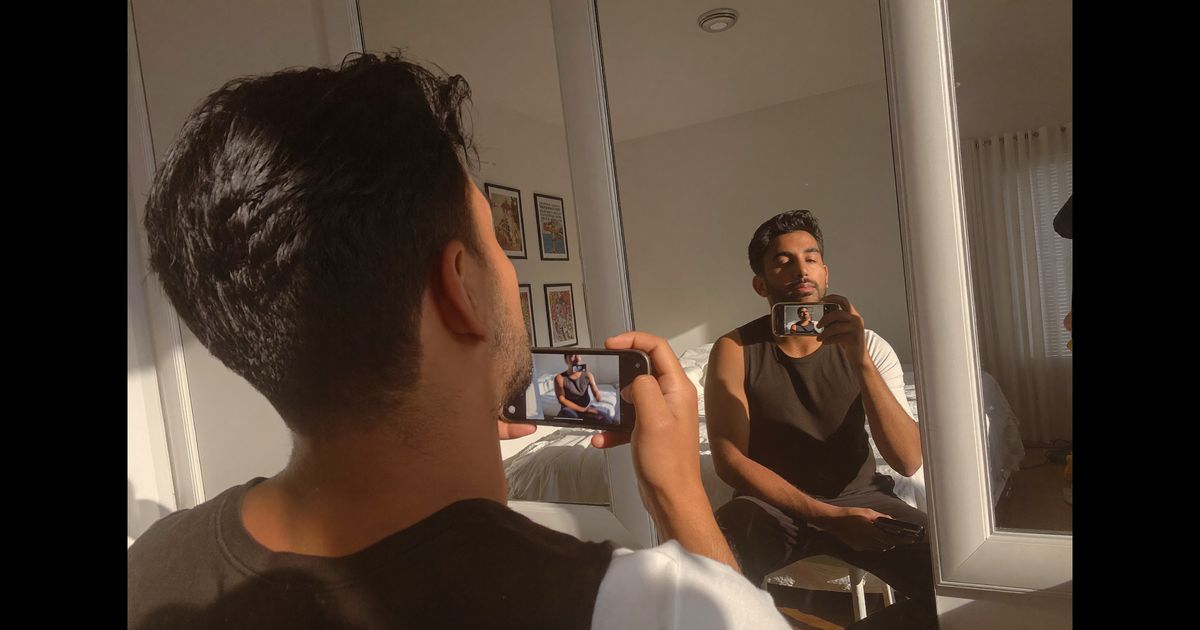
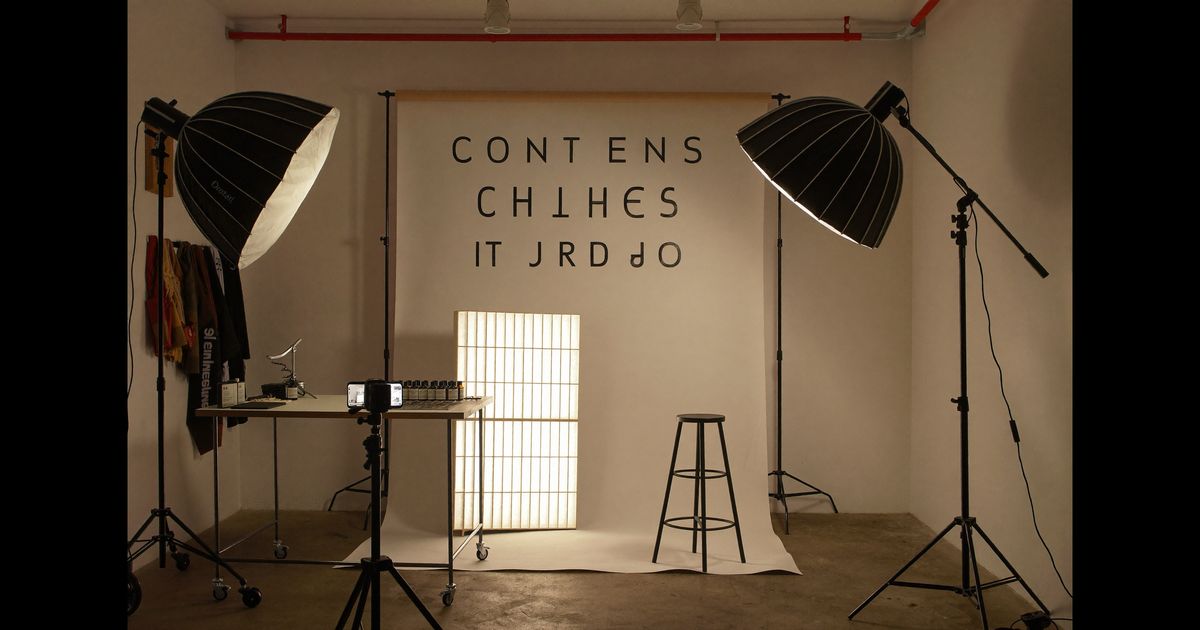
- Natural window light beats ring lights for testimonials: Ring lights produce a flat, studio look that signals "influencer ad" rather than "real person." Position yourself facing a north-facing window in Chennai, Pune, or Delhi between 9am–4pm for soft, even daylight. Overcast light is ideal, no harsh shadows from direct sun.
- Background matters more than you think: A clean, uncluttered background (a painted wall, a simple bookshelf, a kitchen counter with nothing branded) keeps rights clearance straightforward. Avoid backgrounds with other brand logos, posters, or artwork that require separate clearance.
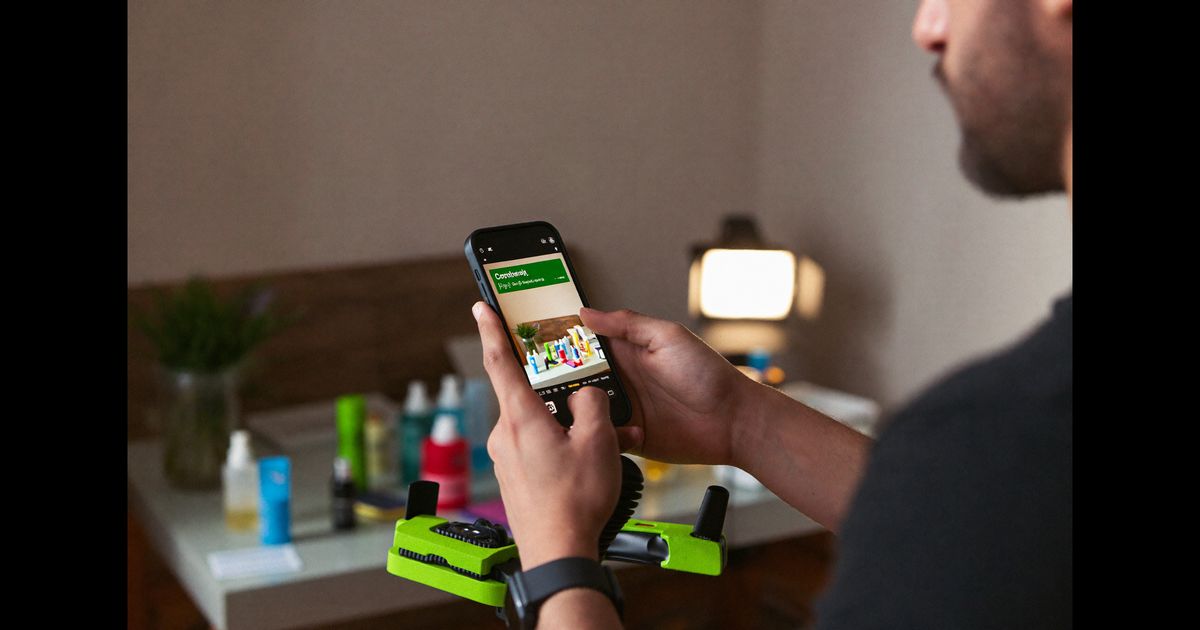
- Shoot at 1080p minimum, 4K if your phone supports it: Brands compress ad assets heavily. Starting with higher resolution gives editors headroom to crop and reframe without losing sharpness.
Audio Is the Silent Gatekeeper
In our production work with D2C brands running Facebook campaigns, the second most common rejection after unsubstantiated claims is unusable audio. A testimonial recorded on a balcony in Bengaluru during peak traffic hours, or in a kitchen with exhaust fans running, will fail the brand's audio QC even if everything else is perfect.
- Use a clip-on lavalier mic: Even a Rs.800–1,200 wired lavalier from Amazon (Boya BY-M1 is a reliable entry point) captures voice cleanly and rejects ambient noise far better than any phone's built-in microphone.
- Record in a soft-furnished room: A bedroom with curtains, a carpet, and soft furnishings absorbs echo. Hard-walled bathrooms and open kitchens add reverb that is nearly impossible to remove in post without artefacts.
- Silent ambience is not always silence: Switch off ceiling fans, air conditioners, and refrigerators before recording a take. In Indian homes, compressor hum from a fridge a room away can bleed through walls if the room is otherwise quiet.
- No background music during the shoot: Record your testimonial clean. If the brand wants a music bed, their editor will add it from a licensed track. Baking in any music, even an instrumental, creates licensing complications for paid ad use.
Structure the Testimonial for Ad Performance
Brands do not just need a usable asset, they need one that performs once it is in rotation. The structure of a high-performing Facebook testimonial follows a specific arc that media buyers have learned to recognise.
- Hook in the first two seconds: Facebook autoplays videos muted. Your opening visual needs to communicate the testimonial's core message without audio. Hold the product up, point to a visible result, or use an on-screen text overlay with your primary claim. Brands will often add their own supers in post, but starting with a strong visual hook makes the raw asset more attractive.
- Problem → solution → specific result: A 30–45 second testimonial works best in this sequence. Three or four sentences covering what the problem was, how the product addressed it, and one specific measurable or observable outcome. Anything longer risks losing the viewer before the CTA.
- End with a natural close, not a scripted sign-off: "You should definitely try this" is a hard sell that sounds scripted. "I genuinely did not expect results this quickly, I've already recommended it to my sister" is specific and believable. Brands can overlay a CTA button; they do not need you to be their sales closer.
- Deliver multiple takes with small variations: Shot the testimonial three ways, one longer (60 seconds), one tighter (30 seconds), one starting from a different opening line. Media buyers A/B test versions constantly, and giving them variation within a single licensing fee makes your asset far more attractive.
Get the Contract Right Before You Deliver
This is the step most creators in India skip entirely, and it is the one that determines whether licensing testimonials becomes a repeatable income stream or a one-off favour.
- Specify the platform and placement scope: "Facebook and Instagram paid ads" is not the same as "all Meta platforms including Audience Network and third-party placements." Define exactly where the content can run. If a brand wants to use your testimonial in an in-store screen in their Jaipur outlet or on a product packaging insert, that requires a separate agreement.
- Set a license duration: Standard licensing windows in the Indian D2C market typically run 6–12 months. After that, either the license auto-renews with a fresh fee, or the brand must stop running the asset. Most small brands in India will default to a perpetual license if you do not specify duration, do not let them.
- Agree on exclusivity clearly: Can you make a testimonial for a competing brand during the license period? "Category exclusivity" (you cannot endorse any other face wash brand for 6 months) commands a premium, typically 40–60% higher than a non-exclusive rate. Non-exclusive testimonials allow you to work with multiple brands simultaneously.
- Payment structure for licensed content: In India, licensed testimonial fees for micro-creators (10K–100K followers) typically run Rs.8,000–25,000 per asset for a 6-month non-exclusive Facebook-only license. Nano-creators doing quality work for D2C brands through agencies can expect Rs.3,500–8,000 per deliverable. These figures are separate from any organic post fees.
Deliver Like a Production Professional
The final step is the one that drives repeat licensing, how you hand off the asset. Brands and their agencies deal with dozens of creator submissions. Making your delivery frictionless converts a one-time license into a long-term working relationship.
- Deliver via Google Drive or WeTransfer, not WhatsApp: WhatsApp compresses video and strips metadata. Always share a full-resolution file via a proper file-transfer link.
- Include a short caption document: A one-paragraph plain-English summary of the claims made in the testimonial helps the brand's compliance team review the asset quickly. Name the product, the specific claims, and confirm the experience was genuine.
- Send the signed release with the first delivery: Do not wait for the brand to ask for it. Attach the usage rights release as a PDF alongside your video files. It signals professionalism and removes the single biggest delay in getting your asset into ad rotation.
- Follow up once after two weeks: Ask which version they ran, what results they saw, and whether they need variations. This data, even anecdotal feedback, makes your next testimonial pitch to any brand significantly more persuasive.
Brands that license testimonials repeatedly look for creators who understand paid-ad requirements as well as they understand storytelling. If you want help connecting with D2C brands that are actively briefing licensable testimonial projects, book a consultation with our team, we match vetted creators with brand briefs across skincare, food, apparel, and SaaS categories.