A fashion brand in Delhi scrolls through hours of Facebook Live footage from its last campaign launch, and picks exactly eleven minutes from one creator's stream to license for paid ads. That creator earned Rs.18,000 for a single broadcast. The others, who went live the same day, earned nothing. The difference was not luck or follower count. It was preparation.
Facebook Live is still a legitimate licensing pipeline for UGC creators in India, particularly in categories like beauty, apparel, food, and consumer electronics. Brands are actively looking for live-recorded content that feels spontaneous but is clean enough to repurpose. This guide explains, step by step, how to set up, run, and deliver a Facebook Live that a brand's media buyer will actually want to pay for.
Understand What "Licensable" Actually Means
Before going live, you need to think like the brand's legal and creative team, not just like a content creator. Licensable footage has specific qualities:
- No unlicensed audio in the background. If a Bollywood song plays on your speaker while you demo a face wash, the brand cannot legally use that clip. Use royalty-free background music or record in silence.
- No competitor branding in frame. A bottle of a rival moisturiser sitting on your table, even blurred, is a dealbreaker.
- Clean verbal claims. Under ASCI guidelines, you cannot make unsubstantiated efficacy claims on behalf of a brand. Saying "this serum removes dark spots in three days" without clinical backing can expose the brand to regulatory action. Stick to experience-based language: "I've been using this for two weeks and here's what I noticed."
- Identifiable product usage. The product label must be visible and legible for at least a few clear seconds. Brands need this for ad compliance.
We brief creators we work with to review any verbal scripts or talking points against these criteria before they go live, not after.
Technical Setup: Get This Right Before You Hit "Go Live"
Most Facebook Lives that fail the brand test fail on production basics, not content. Here is the minimum viable setup for licensable quality:
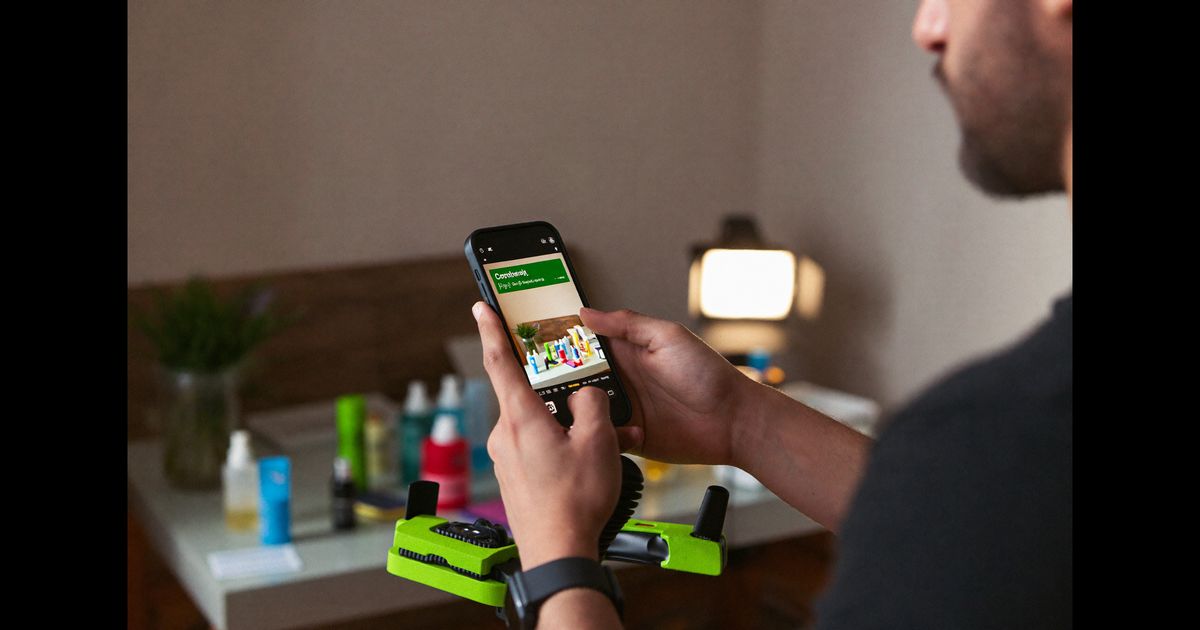
- Camera: Any recent Android flagship or iPhone shot in 1080p is sufficient. Lock your exposure manually so the image does not flicker when you move. Clean your lens.
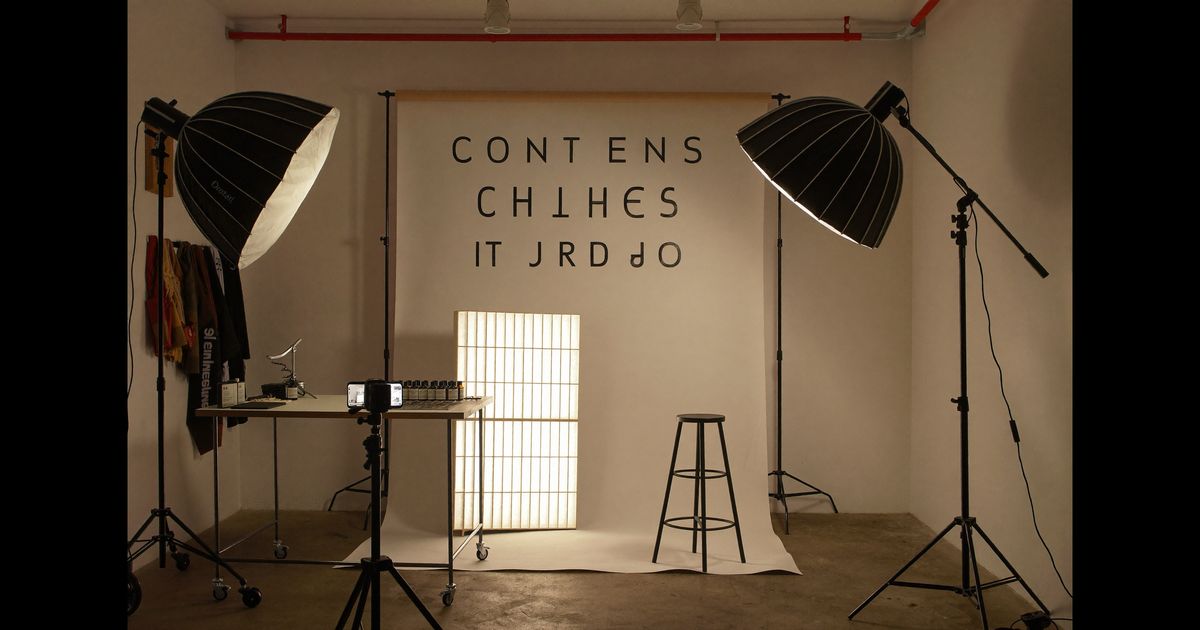
- Lighting: A single ring light (available for Rs.1,200–Rs.2,500 on Amazon India or Meesho) eliminates most ambient-lighting problems. Natural window light also works if you face it directly. Avoid ceiling tube lights as the primary source, they create unflattering shadows on the face and product.
- Stabilisation: A phone tripod or gorilla pod. Handheld shaky footage is almost never licensed. Budget Rs.400–Rs.800 for a decent mount.
- Audio: Facebook Live's in-app audio is passable only in a quiet room. A lapel mic (Rs.700–Rs.1,500 for a BOYA BY-M1 type) makes a measurable difference. Brands repurposing footage for Reels or YouTube Shorts need usable audio.
- Internet: Minimum 10 Mbps upload. Test your connection with Speedtest before you start. If you are in a city like Kolkata, Mumbai, or Bangalore with fibre, you are unlikely to have issues. In smaller towns, tethering on 5G often beats home broadband for stability.
Record your stream locally as a backup. Facebook saves Lives automatically, but the platform-compressed version loses quality. Use a tool like OBS Studio (free) on a laptop connected to the same hotspot to capture a local copy simultaneously, this is the file you'll deliver to the brand if they license it.
Structure Your Live Broadcast Like a Scripted Segment
The paradox of licensable live content is that it needs to feel natural but be tightly structured. Brands want authentic-feeling footage, not a 45-minute rambling session from which they can salvage thirty seconds.
A proven structure for a product-focused Facebook Live runs like this:
- Minutes 0–3: Hook and context. Greet viewers, introduce yourself, and establish the topic. Say the product name clearly and hold it up to the camera. This is the clip brands use for the first few seconds of an ad.
- Minutes 3–15: Demonstration. Show the product in real use. Talk through what you are doing. Pause to answer live comments, this interaction is part of what makes the footage feel genuine to a viewer watching it as a repurposed ad. Keep the product label facing the camera during demos.
- Minutes 15–20: Honest reaction and results. Share what you actually think, using first-person experience language. This is the most licensable segment, it reads as authentic endorsement without making regulatory claims.
- Minutes 20–22: Summary and CTA. Recap the product, mention where viewers can find it (brand's website or a specific retailer), and sign off cleanly. A clean sign-off gives editors a natural end point.
Keep your total broadcast under thirty minutes. Brands do not license forty-five-minute lives; they license segments from focused twenty-minute ones.
Language and Regional Considerations
One significant advantage Indian creators have in the licensable Live market is linguistic range. A brand selling a hair oil in Tamil Nadu wants Tamil-language content. A personal finance SaaS targeting small business owners in Gujarat wants Gujarati or Hindi. Monolingual English content from metro creators often does not serve these markets.
- If you are comfortable in a regional language, lead with it and add English for key product terms. This is called code-mixing and it performs exceptionally well in Indian digital ads.
- Clearly state, at the start of your live, which language(s) you are broadcasting in. This helps brands identify the right footage for the right market without having to watch the full stream.
- For pan-India brands, Hindi with occasional English product-name callouts is the broadest-reaching format. Mumbai and Delhi creators doing this consistently report higher licensing interest from FMCG brands.
When we place regional-language Lives for brands, we see licensing fees run 15–25% higher than equivalent Hindi content for the same product category, because genuinely good regional content is harder to find and directly addresses an underserved audience.
Packaging Your Live for Brand Outreach
Going live is only half the job. The other half is making your content easy for a brand to evaluate and acquire.
- Download your Live as an MP4 within 24 hours of the broadcast. Facebook's native download quality is decent but use your local OBS recording if you have it.
- Create a timestamped highlight sheet. A simple Google Docs or PDF listing: "00:02, product intro, label clearly visible; 00:14, demo segment; 00:19, reaction and honest review; 00:21, clean sign-off." This saves a brand's media buyer thirty minutes of scrubbing through footage.
- Export three clips (60 seconds, 30 seconds, 15 seconds) from the best segments. Use CapCut or InShot, both free on Android and iOS, to cut clean versions. These are not final ads; they are evaluation cuts that show the brand what they are licensing.
- State your licensing terms upfront. Typical rates for India-market Facebook Live licensing in 2025–26 run Rs.8,000–Rs.25,000 for a 90-day usage window, depending on follower count, category (beauty commands a premium), and usage scope (organic only vs. paid ads). Creators who put vague "contact me to discuss" on proposals lose deals to those who list clear rates.
- Clearance documentation: Sign a simple model release for yourself and get written confirmation from anyone else who appears on screen. Brands cannot use footage featuring uncleared third parties. A one-page template in both English and Hindi keeps this friction-free.
Building a Repeatable Pipeline, Not a One-Off
The creators who earn consistently from Facebook Live licensing do not treat each broadcast as a one-off experiment. They build a repeatable production cadence:
- Go live on the same day and time each week so your audience (and brand scouts monitoring your page) know when to tune in.
- Keep a running portfolio of past Lives with performance data: peak concurrent viewers, total watch time, comment volume. Brands use these numbers to estimate reach before they license.
- After each brand deal, ask for a usage report, where did they place the content, how did it perform? This data becomes a sales asset for your next pitch.
- Register your content commercially. If you are operating as an individual, a simple GST registration allows you to issue proper invoices for licensing fees above Rs.20 lakhs annually. Many brands' finance teams require a valid GST invoice before releasing payment.
If you want to turn Facebook Lives into a steady income stream, and get matched with brands actively seeking licensable content in your category and language, book a consultation with The UGC Agency. We work with creators across India to match production standards with brand requirements before a single rupee changes hands.