The useful part of a UGC engagement is rarely the headline number, it is the decision that produced it: which creator was cast, which segment they spoke to, and what the brief refused to allow. This article walks through three engagements the way they were actually briefed. Campaign metrics are shared under NDA during a consultation rather than published here.
Skincare: matching the creator to the skin concern
The Brand: A fast-growing Indian D2C skincare brand targeting urban women aged 22-40. Their performance had plateaued with studio-produced creative, and creative fatigue was setting in faster than their in-house team could produce new assets.
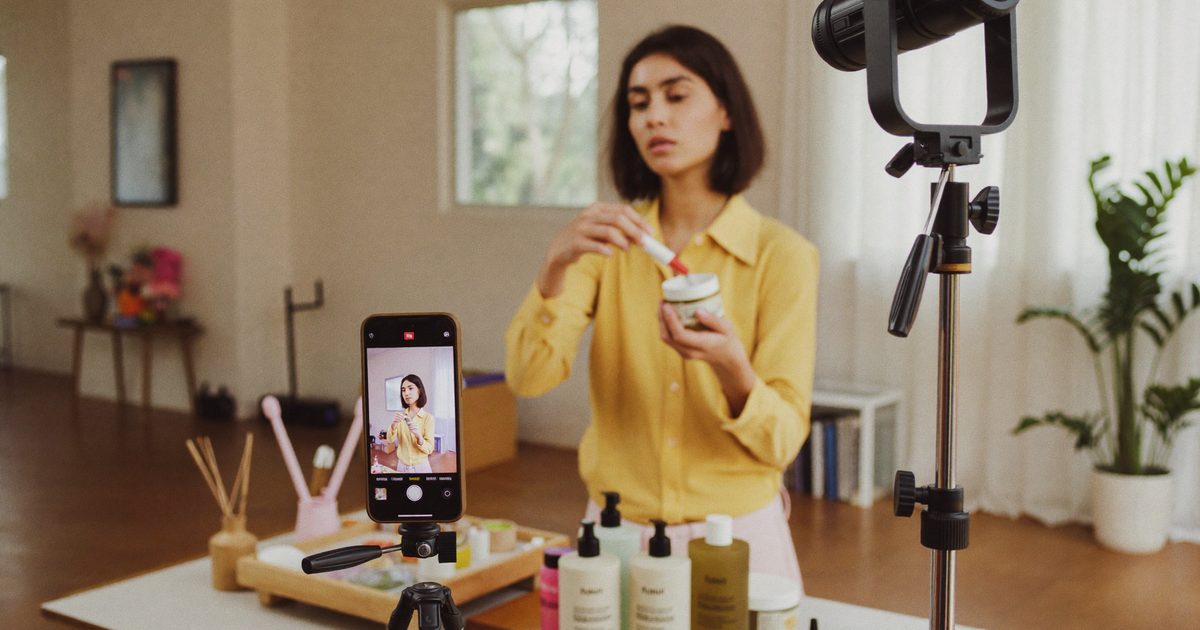
The Strategy: The UGC Agency designed a systematic program targeting three audience segments: acne-concerned Gen Z (18-25), anti-aging-focused millennials (26-35), and ingredient-conscious skincare enthusiasts (all ages). For each segment, we commissioned 10-15 pieces of UGC from creators who matched the demographic profile and skin concern of the target audience.
Critical to success was creator-audience demographic matching. When a 24-year-old creator demonstrated how the brand's acne serum fit into her hostel-room skincare routine, the authenticity resonated in a way no studio model could achieve. The content did not look like advertising, and that was precisely why it performed.

Outcome: Campaign results for this engagement are shared under NDA during a consultation rather than published here.
Home decor: casting real homes, not showflats
The Brand: An Indian home decor brand selling through their website and marketplaces. Revenue was heavily dependent on Google Shopping, where CPCs had risen 40% YoY, eroding margins.
The Strategy: We designed a "home transformation" UGC format, creators documenting how specific products changed their living spaces. Content included room makeover reveals, styling tip shorts, and "things in my home that just make sense" trend-format videos. Crucially, we matched creators to homes that reflected the target customer's living environment, not aspirational luxury apartments but relatable 2BHK and 3BHK Indian homes.
Outcome: Campaign results for this engagement are shared under NDA during a consultation rather than published here.
Fintech: vernacular creators and first-investment stories
The Brand: A SEBI-registered investment platform targeting first-time investors in Tier 2 and Tier cities across India.
The Challenge: App install campaigns were struggling with an install cost and a cost per funded account that were unsustainable for their unit economics. Traditional financial creative featuring charts, corporate imagery, and English-heavy messaging was not connecting with their target audience.
The Strategy: We created UGC featuring creators from Tier cities across India (Lucknow, Indore, Coimbatore, Nagpur) sharing their personal investment journeys. Content focused on emotional drivers, saving for life goals, overcoming fear of investing, starting small, rather than product features. Hindi and regional language versions were created alongside English content.
Outcome: Campaign results for this engagement are shared under NDA during a consultation rather than published here.
Common success patterns
Analysis across these cases reveals four consistent success factors:
- Demographic Matching: Content performs best when the creator shares the demographic, cultural, and economic context of the target audience. A 20-year-old's routine resonates with other 20-year-olds.
- Emotional > Informational: Top-performing UGC prioritizes emotional storytelling over product information. Features go in the caption; the video makes viewers feel something.
- Systematic Testing: Every successful case tested 8-12+ pieces to find the 2-3 that scaled. Brands testing 1-2 pieces and concluding "UGC doesn't work for us" are making a sample-size error.
- Full Rights Secured: Brands getting maximum UGC value secured comprehensive usage rights upfront, enabling repurposing across ads, website, email, and marketplaces without renegotiation.
For implementation guidance, see our authentic UGC creation guide. For channel-specific tactics, read scaling UGC across platforms.
Frequently Asked Questions About UGC ROAS
What ROAS improvement can brands realistically expect from UGC?
It depends on category, audience, creative testing rigour, and the quality of creator-audience matching. Rather than quote a range we cannot evidence publicly, we walk through comparable client campaigns during a consultation, under NDA.
How long until UGC starts improving advertising performance?
Most brands see initial performance signals within 2-3 weeks of deploying UGC in paid ads. The full impact typically materializes over 60-90 days as the creative testing process identifies winning creators and formats, and the UGC content library grows large enough to sustain ongoing optimization.
Does UGC work for luxury and premium brands?
Yes. Luxury UGC requires a different creator approach, polished but not corporate, aspirational but authentic. The key is working with creators whose lifestyle genuinely aligns with the brand's positioning. For more, see our emerging UGC trends covering premium segments.