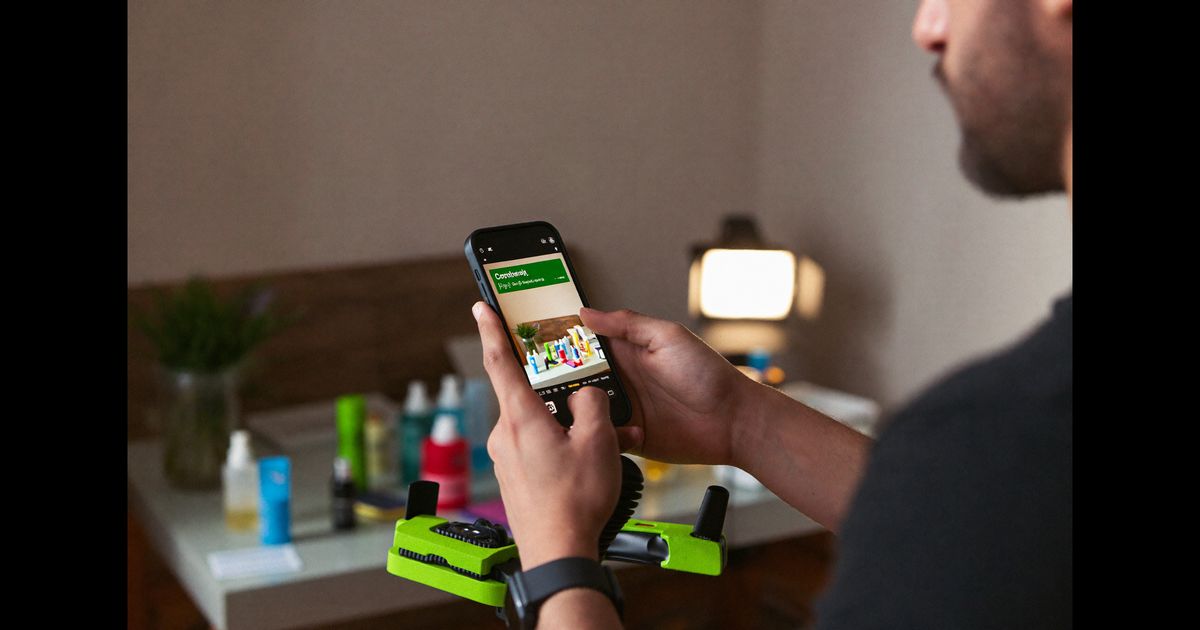
Brand authenticity used to be a tagline. In 2025–26, it is an infrastructure problem — and user-generated content is the most reliable solution Indian D2C brands have found. The shift happened gradually, then all at once: buyers started ignoring studio ads and trusting strangers on their feeds instead. Eight distinct trends explain both why that happened and where it goes next.
1. Raw Video Is Outperforming Polished Ads
The visual grammar of trust has changed. Shaky handheld footage, natural lighting, and audible ambient noise now signal honesty in a way that a colour-graded brand film cannot. Brands we work with consistently see higher click-through on unpolished creator clips than on agency-produced hero videos. The production budget gap has flipped from an advantage into a credibility liability for D2C brands that over-invest in polish.
This does not mean careless content. It means intentional rawness — good audio, a clear product moment, and a real person speaking without a script feels rehearsed.
2. Creator Diversity Is Becoming Non-Negotiable
A single creator voice, however trusted, represents one demographic and one use context. Brands are now building creator rosters that span age groups, skin tones, body types, cities, and language backgrounds. This matters especially in India, where a skincare product used by a 24-year-old in Bengaluru and a 42-year-old in Lucknow requires visibly different proof points to convert either audience.
Micro-creator diversity — working with ten creators across varied profiles rather than one creator with a large following — also distributes algorithmic risk. If one creator's account dips in reach, nine others carry the creative load.
3. Comment-Section Storytelling Is a Content Channel
The comment sections under UGC posts have become secondary conversion assets. Real buyers answering other buyers' questions, comparing experiences, debating product variants — this unscripted dialogue carries trust weight that no brand copy can replicate. Forward-thinking brands are screenshotting and repurposing high-signal comment threads as standalone creative, treating community responses as part of the content library rather than background noise.
4. Unboxing Authenticity Sets Expectations Accurately
Unboxing content performs because it sets accurate expectations. When a creator opens a package on camera and narrates what they see, feel, and smell, the viewer mentally rehearses the same experience. This reduces post-purchase cognitive dissonance — a major driver of returns and negative reviews for Indian D2C brands selling premium-priced products. Brands that make the unboxing moment worth filming (thoughtful packaging, a handwritten note, a product that looks exactly as advertised) get better UGC as a direct result.
5. Product-in-Use Footage Closes the Consideration Gap
Static product images answer what. Product-in-use UGC answers how and whether it actually works for someone like me. A 30-second clip of someone applying a serum in their bathroom routine, or assembling a piece of furniture in a real home, collapses the consideration gap that product pages alone cannot close. This format works particularly well on product detail pages, where a short UGC embed has been shown to lift conversion rates meaningfully by reducing the buyer's imagination burden.
6. Micro-Creator Trust Is Compounding
The trust dividend from micro-creators — typically those with audiences between 5,000 and 80,000 — has widened. Their audiences are more engaged, their endorsements feel less transactional, and their production style aligns with the raw-video trend above. For Indian D2C brands with limited budgets, a campaign built on eight to twelve micro-creators typically delivers more authentic reach than a single macro-influencer deal at the same spend level.
7. Cross-Platform Repurposing Extends Every Rupee
A single well-crafted UGC video should work across Instagram Reels, YouTube Shorts, Meta paid ads, WhatsApp marketing, email, and the product page. Brands that plan for repurposing from the brief stage — shooting in vertical, keeping logos out of corner zones, capturing multiple lengths — extract three to five times more value from every creator engagement. Cross-platform repurposing is not an afterthought; it is the business model that makes UGC economically superior to single-use ad production.
8. AI-Resistant Human Content Is a Strategic Moat
As AI-generated imagery and video flood digital feeds, human presence has become a scarcity signal. A real person's face, their specific regional accent, their genuine hesitation before describing a product benefit — none of this can be reliably replicated by generative tools yet. Brands investing in UGC now are building a content library that will become more valuable, not less, as AI content saturates the ecosystem. Human-made, human-starring content is the one format that algorithms and audiences alike continue to reward.
Takeaway
Authenticity in 2025–26 is not a brand value statement — it is a content strategy. The eight trends above are converging to make UGC the primary trust infrastructure for Indian D2C growth. The brands moving fastest are the ones treating creator content as a system, not a one-off campaign. Book a strategy call to map these trends to your specific product category and audience.