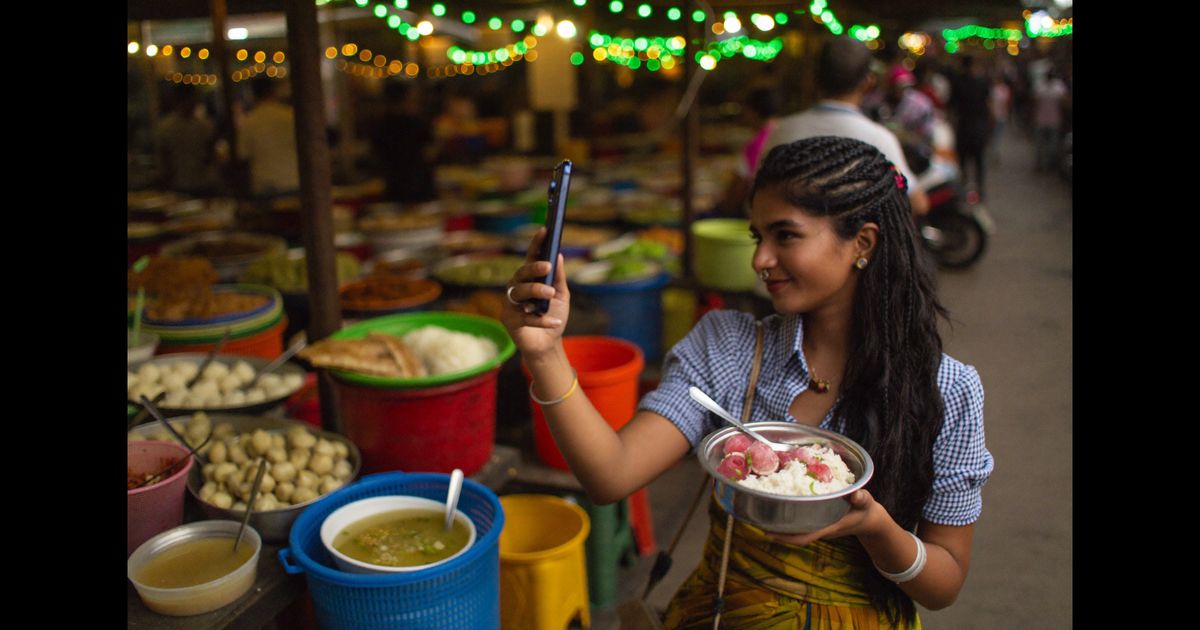
Indian D2C brands operate in a market that is genuinely unlike any other — a country of 20-plus languages, deep festival culture, enormous regional diversity in consumer behaviour, and a growing mass of price-conscious first-time online shoppers. Generic UGC playbooks developed for US or European markets land awkwardly here. The strategies that work for Indian D2C brands are those that treat this complexity as an advantage rather than a logistics problem.
1. Build a Vernacular Content Layer From Day One
The fastest-growing D2C markets in India right now are Tier 2 and Tier cities across India, where English-language content is not the primary mode of communication. A D2C brand running only English UGC is leaving the majority of its addressable market underserved. The fix is not to translate English scripts into regional languages — it is to brief regional creators to speak naturally about your product in their own language, with their own vocabulary and cultural references.
Hindi is not the only answer. Tamil, Telugu, Kannada, Marathi, Bengali, and Gujarati UGC reach distinct audiences with different purchase triggers. A protein supplement brand that produces UGC in five regional languages does not just unlock new geographies — it signals to each audience that the brand is speaking to them specifically, not broadcasting to a generic Indian consumer.
2. Design UGC Campaigns Around the Festival Calendar
India's festival calendar is the most powerful commercial trigger in the D2C market, and it runs almost year-round: Pongal, Holi, Eid, Navratri, Dussehra, Diwali, and Christmas each carry distinct purchase behaviours and gifting contexts. D2C brands that commission festival-specific UGC — creators talking about how they are gifting, preparing, celebrating, or shopping for a specific festival — capture purchase intent at its peak.
Festival UGC is most effective when it feels genuinely celebratory rather than promotional. A creator doing a Diwali gift unboxing of your product, filmed with their family, in their home, with the diyas in the background — this resonates in a way that a generic festival discount ad does not. The key is briefing ahead of time: most brands miss festival windows because they commission content too close to the date. A UGC agency running a disciplined production calendar can have festival content ready for paid amplification three to four weeks before each window opens.
3. Use Regional Creator Networks for Hyperlocal Relevance
India's creator ecosystem is significantly more distributed than global markets assume. There are micro-creators with 5,000 to 50,000 highly engaged followers in specific cities, communities, and interest groups — fitness creators in Pune, beauty creators in Jaipur, food creators in Lucknow — who produce content that feels native to their audience in a way that national creators cannot replicate.
For D2C brands selling products with regional relevance — regional food brands, vernacular-language education products, culturally specific fashion or jewellery — hyperlocal creator UGC is often more effective than national creator campaigns at a fraction of the cost. A UGC agency with a distributed creator network can coordinate multi-city shoots that produce hyperlocal content for each target market simultaneously.
4. Address Price-Conscious Messaging Directly in Your UGC
Indian consumers — even in premium D2C categories — are more value-conscious than their counterparts in Western markets. They want to know why your product justifies its price point relative to alternatives. UGC that addresses this directly — creators talking about cost-per-use, comparing value to cheaper alternatives they have tried, or explaining what tipped them over from consideration to purchase — performs better in the Indian market than aspirational content that ignores price entirely.
This does not mean making your UGC sound budget-focused or discount-driven. It means having creators speak to the value calculation that Indian consumers genuinely make: is this worth it for me, right now, for my family, at this price? Answering that question credibly in creator content removes one of the most common barriers to D2C purchase in India.
5. Leverage Social Proof From Real Customer Communities
India has a deep culture of community recommendation — WhatsApp groups, housing society chats, college alumni networks, and local community forums are all significant drivers of purchase decisions, especially for new D2C brands without established brand recognition. UGC that captures authentic community endorsement — creators who are genuinely embedded in a community talking to that community — amplifies this word-of-mouth dynamic through paid media.
For D2C health and wellness brands, this means creating UGC content that a consumer would genuinely want to share in their family WhatsApp group. For fashion D2C, it means content that feels like a friend's recommendation rather than a brand advertisement. The question to ask of every piece of UGC content: would a real consumer actually send this to someone they care about?
6. Create UGC That Handles the Delivery and Return Anxiety
One of the persistent barriers to D2C purchase for Indian consumers — particularly in non-metro markets and for first-time buyers — is anxiety about delivery timelines, return processes, and product quality matching the online representation. UGC that proactively addresses these concerns — creators talking about their unboxing experience, the packaging quality, the return they successfully made, the customer service interaction — reduces friction at the conversion stage in a way that product-benefit content alone cannot.
This is especially important for categories like skincare, footwear, and electronics accessories, where quality perception gaps between the online product image and the physical product are a common source of consumer hesitation. UGC that shows the real product, in the real packaging, arriving at a real home, closes this gap.
7. Build a Long-Form Content Strategy for Organic Discovery
Paid UGC is not the whole picture. Indian D2C brands that produce long-form UGC content — detailed product reviews on YouTube, shopping hauls, get-ready-with-me videos that feature the product naturally — build organic discovery channels that compound over time. A well-produced 8-to-10 minute YouTube review from a genuine creator can drive purchases months and years after it is filmed, at zero incremental media cost.
A UGC agency can structure production briefs that simultaneously produce short-form content for Meta ads and long-form content for YouTube organic — maximising the output from each creator engagement and building both paid and organic acquisition channels in parallel.
Takeaway
Indian D2C brands have an extraordinary opportunity in UGC precisely because the market's complexity — regional diversity, festival culture, price consciousness, community dynamics — creates so many distinct angles that generic brand content cannot address. The brands building systematic UGC content engines that span vernacular languages, regional creators, and festival calendars will have a compounding advantage in the Indian D2C market for years to come. Book a strategy call and we will help you design a UGC strategy built specifically for the Indian market and your D2C category.