Whitelisted UGC ads, ads served from a real creator's personal handle instead of the brand's, see CPMs drop by 22-35% in Indian Meta accounts in 2026. The mechanism is simple: Meta's algorithm treats personal accounts as more trustworthy than brand accounts, ranks the ad higher in feed, and serves it cheaper. The execution is harder: you need the right Business Manager setup, a creator contract that explicitly covers whitelisting rights, security guardrails on handle access, and clear payment terms that reflect the whitelisting premium. This guide covers the full setup, the cost-benefit math, and the four common ways brands get whitelisting wrong.
TL;DR
- Whitelisting = brand runs paid ads from the creator's personal Meta handle, not the brand handle.
- Typical CPM reduction in India 2026: 22-35%. Largest gains in beauty, fashion, fitness.
- Whitelisting fee adds 30-50% to per-video creator rate, typically paid once, covering 90-day usage.
- Required: brand's Meta Business Manager + creator's personal Instagram + 4-step "Partnership" handoff.
- Worth applying to top 20% of proven-winner UGC ads. Skip for test creatives.
- Biggest risk: creator handle gets restricted or banned mid-campaign → ad pauses. Always have a backup creator + brand-handle version of the same ad.
- Whitelisting is NOT the same as "branded content" or "Spark Ads" (TikTok). Each has different setup, pricing, and rights.
1. What whitelisting actually is
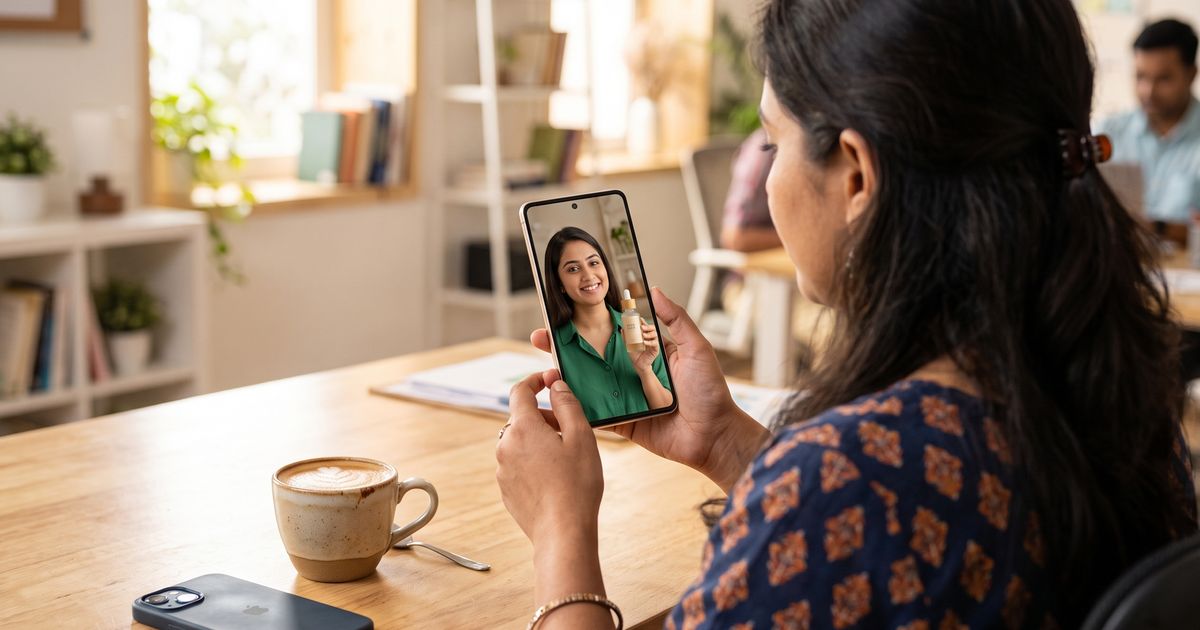
In Meta's 2026 ad ecosystem, whitelisting is a formal Business Manager workflow: the creator authorises a brand's Business Manager to run paid ads using the creator's Instagram/Facebook handle as the publisher. The ad appears in feeds as if posted by the creator. The brand controls the targeting, budget, and creative. The creator typically can't see the ad analytics unless the brand explicitly shares them.
Three Meta-side terms that sound similar but mean different things:
- Whitelisting (formal): brand's BM has paid-ad permission on creator's handle. Brand creates and serves ads from creator's handle.
- Branded Content tag: creator posts organic content tagged as "Paid partnership with [brand]." Brand can boost the post but doesn't create new ads.
- Dark posts: ads that don't appear on the publishing handle's feed; only seen by targeted users. Can be combined with whitelisting.
Most "whitelisted UGC" in India 2026 is technically whitelisting + dark post, the creator's handle publishes the ad, but the ad doesn't appear on the creator's organic feed.
2. Why whitelisting drops Meta CPMs
Three mechanisms:
1. Algorithm preference. Meta's ranking system in 2026 explicitly weights "is this content from a real person" as positive. Personal handles read more trustworthy than brand handles.
2. Native-content match. Users expect personal-handle posts to be casual, real, native to the platform. Ad from a personal handle visually matches that expectation. Lower scroll-past rate.
3. Followed-account boost. If any of the targeted audience already follows the creator, the ad gets a meaningful relevance boost in their feed. Stacks with normal ad targeting.
Combined effect: 22-35% lower CPMs, 15-22% higher click-through rates, 10-18% lower CPA on the same audience and creative.
3. The cost-benefit math
Scenario: a Mumbai D2C beauty brand spending ₹4,00,000/month on Meta UGC ads, with current CPA ₹450.
Without whitelisting:
- UGC video cost: 20 videos × ₹15,000 = ₹3,00,000
- Meta spend: ₹4,00,000
- Conversions at ₹450 CPA: ~889
- Total cost: ₹7,00,000
- Cost per conversion (all-in): ₹787
With whitelisting on top 4 winners (20%):
- UGC video cost: 16 videos × ₹15,000 + 4 whitelisted × ₹22,500 = ₹3,30,000
- Meta spend: ₹4,00,000 (same)
- Average CPA drops to ~₹385 (whitelisted ads pull the weighted average down)
- Conversions: ~1,038
- Total cost: ₹7,30,000
- Cost per conversion (all-in): ₹703 (down 11%)
Net effect: ₹30,000 more in production cost, 149 additional conversions, ₹84 lower all-in cost per conversion. Worth it.
4. The 8-step whitelisting setup
Step 1: Brand creates a Meta Business Manager (if you don't already have one) at business.facebook.com.
Step 2: Creator's Instagram is set to "Professional/Creator" account (not Personal). Required for the Partnership handoff.
Step 3: Brand sends Partnership request via Business Manager → Partners → Add Partner → Request Advertising Access to: [creator's Instagram handle].
Step 4: Creator approves the request in Instagram Settings → Business Tools → Partners. They grant "Run Ads" permission to the brand's BM.
Step 5: Brand creates the ad campaign in Ads Manager, with the Identity field set to the creator's handle (not the brand's). The ad creative is the UGC video.
Step 6: Brand selects "Don't show this post on [creator's] feed" if running as dark post. Default behavior.
Step 7: Set targeting, budget, schedule as normal. Brand owns the ad-set, not the creator.
Step 8: Brand pays the whitelisting premium to creator (typically 30-50% on top of base video rate). Creator's contract should explicitly note 90-day usage window.
Time investment: 45-90 minutes for the first setup. 10-15 minutes per subsequent creator.
5. Contract clauses to include in whitelisting briefs
Standard UGC contracts don't cover whitelisting by default. Add:
- Whitelisting period: typically 90 days. Renewable for additional fee.
- Handle access scope: "Run Ads" permission only. Brand cannot post organic content, edit profile, or DM users from creator's handle.
- Exclusivity during whitelisting: creator agrees not to whitelist a competing brand's ads during the same period. Standard 25-40% premium for category exclusivity.
- Termination rights: creator can revoke Partner access immediately if brand violates terms.
- Whitelisting fee schedule: typically flat fee added to base video rate. Don't link to ad-spend (causes friction).
- Ad copy approval: creator's right to review final ad copy before launch (prevents the brand putting words in the creator's "mouth").
- Disclosure compliance: ASCI #ad or "Paid Partnership" tag must remain. Brand carries primary liability.
6. The 4 ways brands get whitelisting wrong
- Whitelisting test creatives. 80% of UGC ads will be losers. Don't pay the 30-50% whitelisting premium on a creative that hasn't proven itself yet. Whitelist only after 7-14 days of in-market data confirms the creative is in the top 20%.
- Skipping the creator-side contract clarity. Creators get nervous when brands ask for ad-running access to their personal handle. Without clear contract terms, you get withdrawal mid-campaign. Always over-document permissions.
- Whitelisting from a creator with bot followers. If the creator's audience is mostly fake, the followed-account boost doesn't materialise, and you'll see CPMs drop only marginally. Verify creator's audience quality before paying the whitelisting premium.
- No backup plan if the creator's handle gets restricted. Meta sometimes restricts handles for unrelated reasons (community standards issues, account-quality flags). When this happens, your whitelisted ad pauses. Always have a brand-handle version of the same creative ready as fallback.
7. Whitelisting on TikTok (Spark Ads): how it differs
TikTok's equivalent is called Spark Ads. Key differences from Meta whitelisting:
- Setup: creator generates a "Spark Ads code" from their TikTok app and shares with the brand. Brand pastes the code into TikTok Ads Manager. Simpler than Meta's BM partnership flow.
- Permission scope: more granular. Creator can revoke at any time.
- Performance lift: Spark Ads typically see 20-30% higher CTR and 12-22% lower CPA than brand-handle TikTok ads. Less dramatic than Meta whitelisting but real.
- India context: TikTok isn't available in India (banned 2020), so most "Spark Ads" tactics in 2026 apply to Indian brands targeting international markets.
8. Frequently asked questions
Q: How much does whitelisting add to my UGC creator cost?
Typically 30-50% on top of the base video rate. A ₹15,000 base UGC video becomes ₹20,000-₹22,500 with 90-day whitelisting rights. Some top-tier creators charge as much as 60-80% premium.
Q: Can I whitelist ads from a creator who has only 2,000 followers?
Yes, whitelisting works at any follower count. The CPM reduction comes from the algorithm preferring personal handles, not from follower-driven reach. Small-follower whitelisting is often cost-effective because the creator's whitelisting premium is lower.
Q: Does whitelisting work for retargeting ads or only cold prospecting?
Both. Whitelisting is slightly more effective on prospecting (where the trust signal matters most) but still moves the needle on retargeting CPM by 10-18%.
Q: What if the creator deletes their Instagram account after I've set up whitelisting?
Your ads stop running immediately. Always keep a backup brand-handle version of the same creative. This is rare but does happen, particularly when creators face platform restrictions.
Q: Can multiple brands whitelist from the same creator simultaneously?
Yes, as long as no category-exclusivity contract is in place. Many established Indian UGC creators run whitelisted ads for 4-8 different brands at once across non-competing categories.
Q: Do I need to inform Meta that my ad is whitelisted?
The Partnership handoff in Business Manager handles the disclosure automatically, Meta tags the ad as "Paid partnership" by default when run from a creator's handle via BM partnership.
Q: What ASCI disclosure does a whitelisted ad need in India?
Same as any UGC ad: #ad or "Paid Partnership with [brand]" in the caption/on-screen text. The whitelisting status doesn't change the disclosure requirement. Skip the disclosure and the brand carries the violation, not the creator.
Q: When should I NOT whitelist?
Skip whitelisting on: (a) test creatives that haven't proven CPA viability yet, (b) creators whose audience quality is unverified, (c) categories with high regulatory scrutiny (pharma, fintech) where the personal-handle disclosure might trigger compliance review, (d) any creative where the brand needs full control over ad-side messaging adjustments.
Where to go next
For the broader UGC creative strategy whitelisting fits into, see the Meta UGC creative playbook. For pricing breakdown including whitelisting premiums, the UGC rate card. To talk through whitelisting setup for your specific brand, book a 20-min consultation.