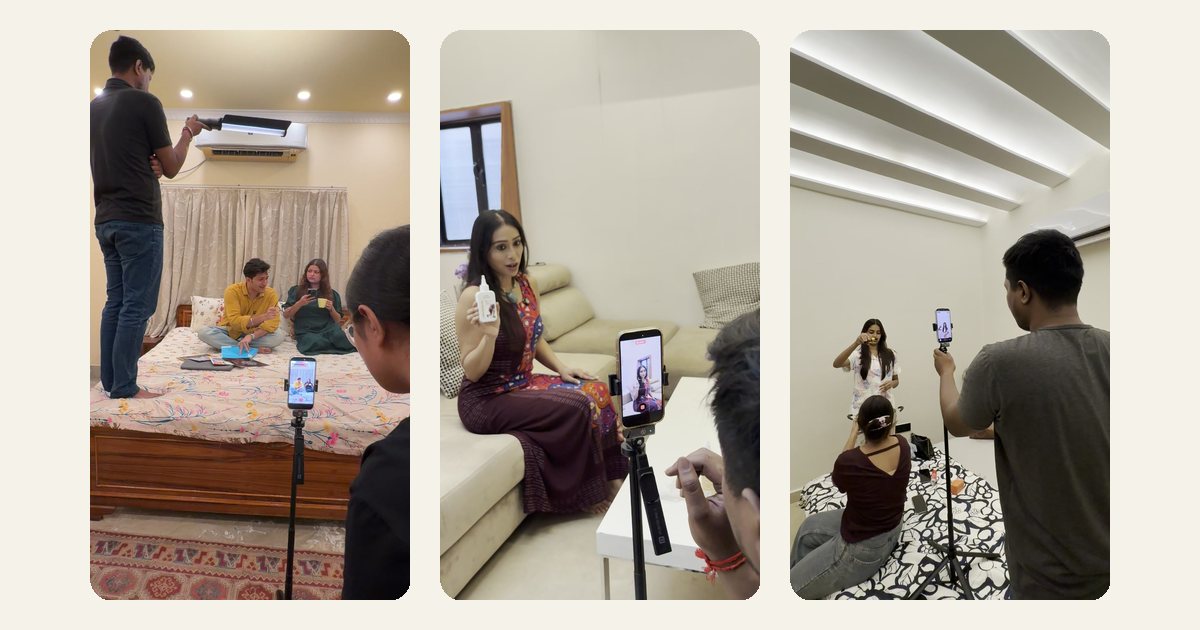
The best-performing UGC ads look spontaneous but they are quietly engineered. There is a structure underneath the authenticity, and once you can see it, you can brief for it and test against it. Here is the anatomy of a UGC ad that converts, broken down by the job each section does.
Seconds 0-3: the hook
This is the whole game. If the first three seconds do not earn attention, nothing else matters because no one sees it. Winning hooks usually do one of four things: call out the exact problem (My hair was falling out in clumps), promise a payoff (This cut my acne in two weeks), bust a myth (Stop wasting money on serums that do nothing), or open a loop (I almost returned this until day four). Film three hook variants per concept and let the data pick.
Seconds 3-8: the problem and stakes
Now you make the viewer feel seen. Name the frustration in their language. The viewer should think that is literally me. This is where relatability does the heavy lifting that polished studio ads cannot, because it sounds like a real person who had the same problem.
Seconds 8-15: the product as the answer
Introduce the product as the natural solution, shown in real use. Demonstrate, do not describe. Show the texture, the application, the before and after, the unboxing. Pair every claim with a visual that proves it. This is the section that turns interest into belief.
Seconds 15-20: proof and the CTA
Stack quick credibility, a result, a number, a testimonial line, then tell the viewer exactly what to do. Weak ads end on a vibe. Strong ads end with a clear, specific instruction: Tap below and try it, link in bio, use this code. Remove the guesswork.
The multipliers that separate good from great
- Native feel: it should look like content the viewer would watch anyway, not an ad.
- On-screen captions: most people watch on mute, burn in text.
- Pace: cut dead air; every second should advance the story.
- Multiple variants: one concept, several hooks and CTAs, so the account can optimise.
Treat every ad as a testable structure rather than a one-off creative gamble. Brief the hook, the problem, the proof and the CTA deliberately, produce variations, and let your media buying find the winners. That discipline is what turns UGC from a content cost into a performance engine.