Across Indian D2C brands we tracked between Jan-Apr 2026, the switch from studio ads to UGC dropped median Meta CPA within 14-21 days. But that's the average, not the universal rule. For category-launch creative, luxury verticals, and certain HealthTech sub-segments, studio still beats UGC on conversion. The full picture is more nuanced than "UGC always wins." This post breaks down the real performance data, the four contexts where studio still beats UGC, and the hybrid model that's become the 2026 default for ₹10Cr+ revenue D2C brands.
TL;DR
- UGC beats studio on Meta CPA for typical performance ads in India 2026.
- UGC also wins on ad-velocity: brands testing UGC variants/month outperform brands testing 10 studio variants/month by 2-3x on weekly CAC trajectory.
- UGC loses to studio on: category-launch hero creative, luxury brand-building, certain regulated HealthTech messages, and any visual that demands controlled lighting (product close-ups, cosmetics texture shots).
- Studio ad cost in India 2026: ₹80,000-₹4,00,000 per spot. UGC equivalent: ₹10,000-₹40,000 per spot. The cost gap funds the ad-velocity advantage.
- The 2026 default for serious D2C: 80% UGC for performance / 20% studio for hero. Pure-studio brands consistently underperform on Meta in 2026.
- Indian-specific factor: vernacular UGC commands a 22-38% additional CTR lift in Tier-2/3 audiences, a lift that's functionally impossible to replicate at scale in studio.
1. The CPA data: what actually happens when you switch
Median Meta CPA reduction when an Indian D2C brand replaces ≥60% of its studio ad creative with UGC, by category:
- Beauty & skincare: −38% to −55% CPA in 14-21 days
- Fashion: −42% to −60% (the largest gain, UGC mimics shopping behavior closest here)
- Food & FMCG: −35% to −48%
- Fitness & wellness: −40% to −55%
- EdTech: −45% to −60% (parent-trust signals from real parents outperform studio actors)
- Fintech: −30% to −42% (lower because of regulatory script constraints)
- HealthTech / wellness apps: −25% to −40%
- Jewelry / luxury: −10% to +15% (UGC sometimes loses here, see Section 5)
- Auto / real estate: −15% to −30% (smaller gain, high-consideration purchases need more trust signals)
Note: these are median values. Individual brand outcomes range wider. The brands at the top of the band typically: ran 30+ creative variants in the test window, used vernacular for Tier-2 targeting, and applied whitelisting on the top 20% of winners.
2. Why UGC wins on Meta in 2026: the four mechanisms
Mechanism 1: Algorithm preference for native-looking content. Meta's ranking system in 2026 weighs "this looks like organic content from a real user" as a positive signal, both for in-feed competitiveness and CPMs. Polished studio ads stand out as ads and get penalised.
Mechanism 2: Mobile-first format match. 9-15 second vertical Reels (the UGC default) are designed for the platform. Studio ads, even when re-cut for vertical, often retain horizontal-think framing that costs 15-25% of in-feed completion rate.
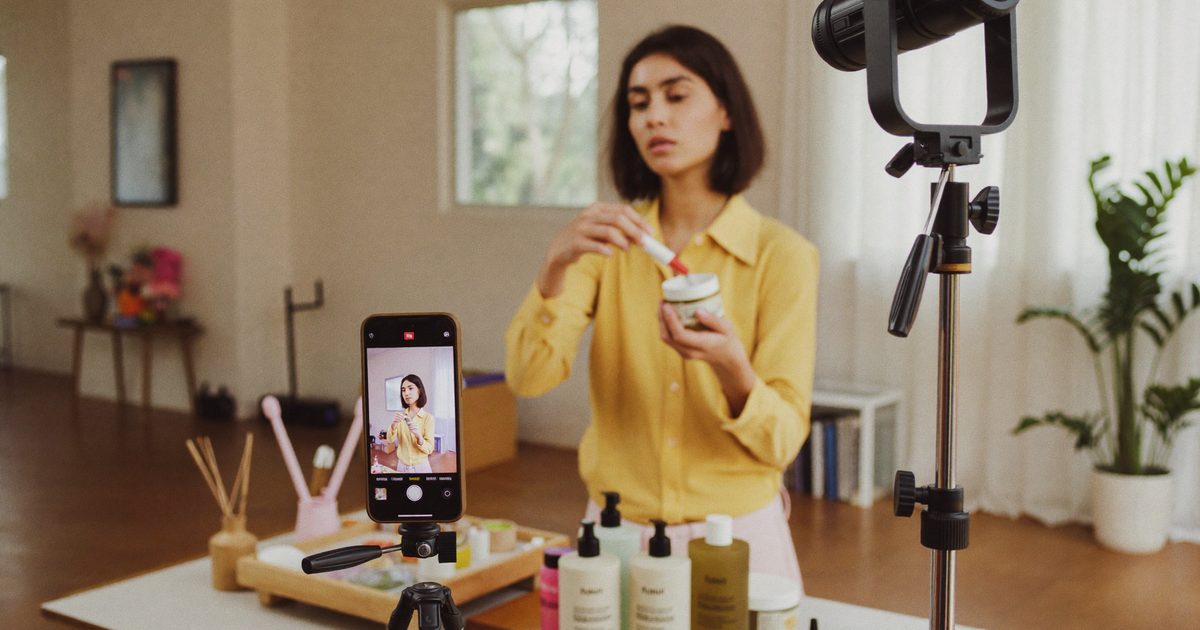
Mechanism 3: Trust-signal economics. A real face with average lighting reads as "person who tried the product" to the viewer. A studio model with three-point lighting reads as "actor paid to sell me something." For low-to-mid-AOV D2C, the trust signal moves the needle on conversion more than visual polish.
Mechanism 4: Vernacular capacity. India's Meta audience converts 22-38% better on creative in their first language. UGC pools include creators across Tamil, Telugu, Marathi, Bangla, Kannada, Malayalam, Gujarati, Punjabi. Scaling vernacular studio production to the same coverage costs roughly 8-12x.
3. Cost-per-spot comparison: where the per-asset money goes
Typical all-in cost for a single Indian D2C ad creative in 2026:
Studio ad (15-30 second polished spot)
- Concept + storyboard: ₹15,000-₹40,000
- Talent (actor/model): ₹15,000-₹80,000 per shoot day
- Studio rental + lighting + crew (DOP, gaffer, AD, makeup): ₹40,000-₹1,50,000 per day
- Editing + colour + sound: ₹15,000-₹40,000
- Music / VO: ₹5,000-₹25,000
- Total per spot: ₹80,000-₹4,00,000
- Turnaround: 10-21 days
UGC ad (9-15 second native-style spot)
- Brief + script: ₹0-₹3,000 (often bundled with creator)
- Creator fee: ₹10,000-₹25,000 per video
- Product seeding logistics: ₹200-₹800
- ASCI compliance + light editing: ₹500-₹2,000
- Total per spot: ₹10,000-₹30,000
- Turnaround: 3-7 days
The 5-15x cost gap is what funds the ad-velocity advantage. A brand spending ₹3L/month on production can buy ~10 UGC tests or ~1 studio test. Even if the UGC win-rate per ad is lower (it usually is), having 10x as many variants in market dominates the test-and-scale game.
4. Where UGC loses to studio: four specific contexts
Context 1: Category-launch hero creative. When you're launching a new category or product line, you need one definitive piece of brand-building creative, the one that goes on the homepage, the YouTube pre-roll, the deck. UGC is too rough for this. Budget ₹2-5L for a single hero studio spot, then use UGC for the 30-50 performance variants that follow.
Context 2: Luxury and high-AOV (₹15,000+). Jewelry, luxury fashion, premium beauty, high-end electronics, the buying audience expects polish. A scrappy phone-shot Reel undermines the perceived value of a ₹50,000 saree or a ₹2 lakh watch. Studio production signals "this is worth what you're paying."
Context 3: Visual texture and product close-ups. Some products are sold visually, cosmetics texture pull, jewelry shine, fabric drape, food cross-sections. These need controlled lighting that UGC creators can't replicate consistently on a phone. The fix: use UGC for the testimonial layer, splice in studio-shot B-roll for the product close-up.
Context 4: Regulated HealthTech / pharma messaging. When the script needs precise legal language, on-screen disclaimers, and pre-approved phrasing, UGC creators routinely deviate. The cost of one non-compliant ad pulled by ASCI or the FSSAI exceeds the savings from UGC across 30 videos. For regulated segments, scripted studio production is the safer default.
5. The 80/20 hybrid model: what serious D2C brands actually do in 2026
Across the 2026 sample, the ₹10Cr+ revenue D2C brands consistently use a split:
- 80% UGC for Meta and Google performance, 30-80 variants/month, multi-language, multi-format, whitelisted on the top 20%
- 20% studio for: hero brand ads, the YouTube pre-roll, the homepage video, the product detail page modules, and category launches
Brands stuck on >70% studio (often legacy media-agency hangovers) consistently underperform on Meta CAC vs the 80/20 split brands. Brands at 100% UGC also underperform, they lack the polished hero asset that the brand needs at top-of-funnel and for non-Meta channels.
6. When NOT to switch to UGC: the 3-question test
If you're considering moving budget from studio to UGC, run this 3-question check:
- Is your AOV above ₹15,000? If yes, keep more studio. UGC works best for mid-AOV D2C (₹500-₹8,000).
- Are you category-launching or running steady-state performance? Category launches need the hero studio asset. Performance always favours UGC.
- Does your messaging require regulatory precision? Regulated segments (pharma, fintech disclosures, kids' EdTech) need the script discipline studio production enforces.
If you answered "no" to all three: you should be running 80%+ UGC. If you answered "yes" to any one: build the hybrid.
7. Frequently asked questions
Q: How much CPA reduction should I expect when switching from studio to UGC in India?
Median 35-60% within 14-21 days, depending on category. Beauty, fashion, EdTech see the largest gains. Jewelry, regulated HealthTech see the smallest. The variance within each category is driven by how many UGC variants you run, 30+ variants/month consistently beats 10 variants/month.
Q: Will UGC work for my luxury / high-AOV brand?
Partially. Use UGC for testimonial-style creatives and educational content, keep studio for hero shots and the brand story. Pure UGC tends to flatten perceived value on luxury products.
Q: How fast can I switch from a studio-heavy mix to UGC?
14-21 days from green-light to first 10 UGC variants in market with an agency-managed flow. Faster if you already have a creator roster. The full transition (60-80% of creative being UGC) typically takes 6-10 weeks because you need to retire old studio assets gradually as new UGC winners emerge.
Q: Do studio ad agencies in India also make UGC?
Some are pivoting to it, but the typical studio-shop economics don't fit UGC (low per-asset margins, high volume management, creator-roster operations). The agencies that produce UGC well are usually specialist UGC agencies, not repurposed studio shops.
Q: Is UGC the same as influencer marketing?
No. UGC is paid creator content used by the brand for ads, the brand owns the distribution. Influencer marketing pays for the influencer's audience, with the influencer posting from their own handle. Two different budget lines, two different success metrics.
Q: How do I measure UGC vs studio ad performance fairly?
Run both formats in the same campaign with identical targeting and budget, separated only by ad-set. Measure CPA, ROAS, hook rate (3-sec video view-through), and 30-day repeat purchase. Don't compare across different campaigns, the variables aren't controlled.
Q: What's the ideal UGC:studio ratio for a ₹5Cr revenue D2C brand?
Around 75-80% UGC, 20-25% studio. At this revenue scale you need 20-30 creative variants/month, that's only fundable at UGC unit economics. Reserve studio for the brand-hero asset, the homepage video, and category-launch creative.
Q: Does UGC work for B2B SaaS in India?
Less than for D2C, but yes, particularly for SMB-targeted SaaS. Founder testimonials, customer use-case clips, and team-on-camera reels outperform polished studio explainers on LinkedIn and Meta B2B targeting. For enterprise SaaS targeting CXOs, studio still wins.
Q: Can I shoot studio-quality video on a phone and call it UGC?
This is the "studio-style UGC" hybrid, heavily lit, well-framed phone footage. It works for some categories (premium skincare, jewelry-adjacent fashion). But the algorithm and the viewer both detect the polish, and you typically lose the UGC trust signal. If you're going to light it like studio, just shoot studio.
Where to go next
To see what a UGC-first creative engine actually looks like in production, the work page shows real Indian brand case studies with the before/after CPA data. To compare costs against your current studio spend, the UGC budget calculator takes your monthly Meta spend and projects realistic UGC creative volume + cost. Or book a 20-min consultation and we'll model the switch against your specific brand and budget.