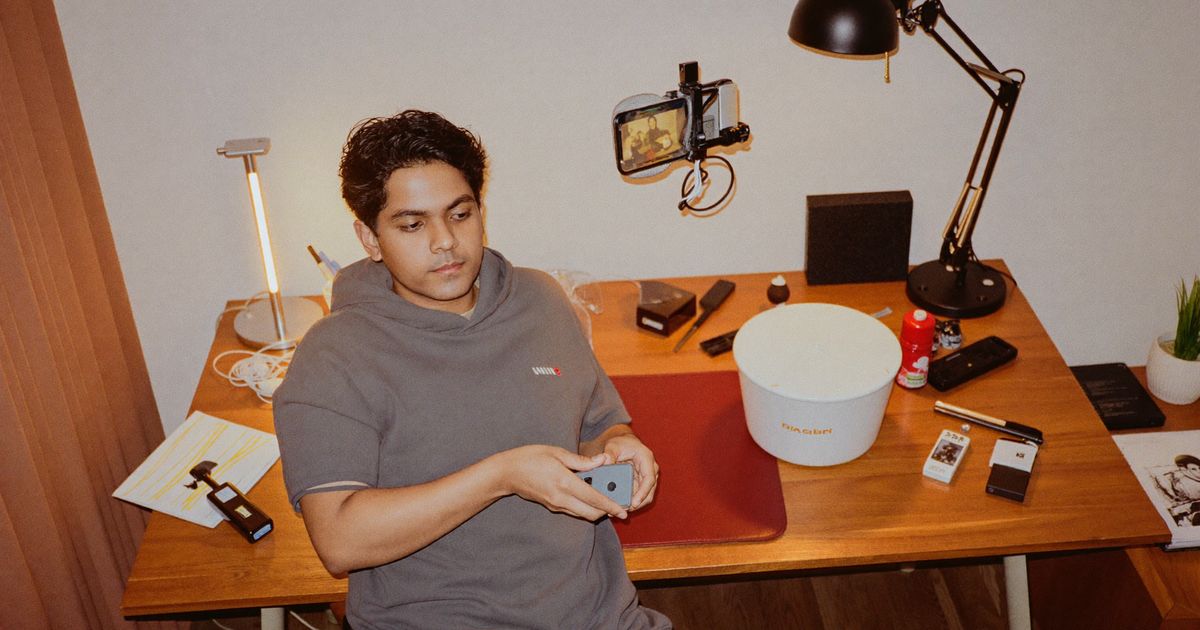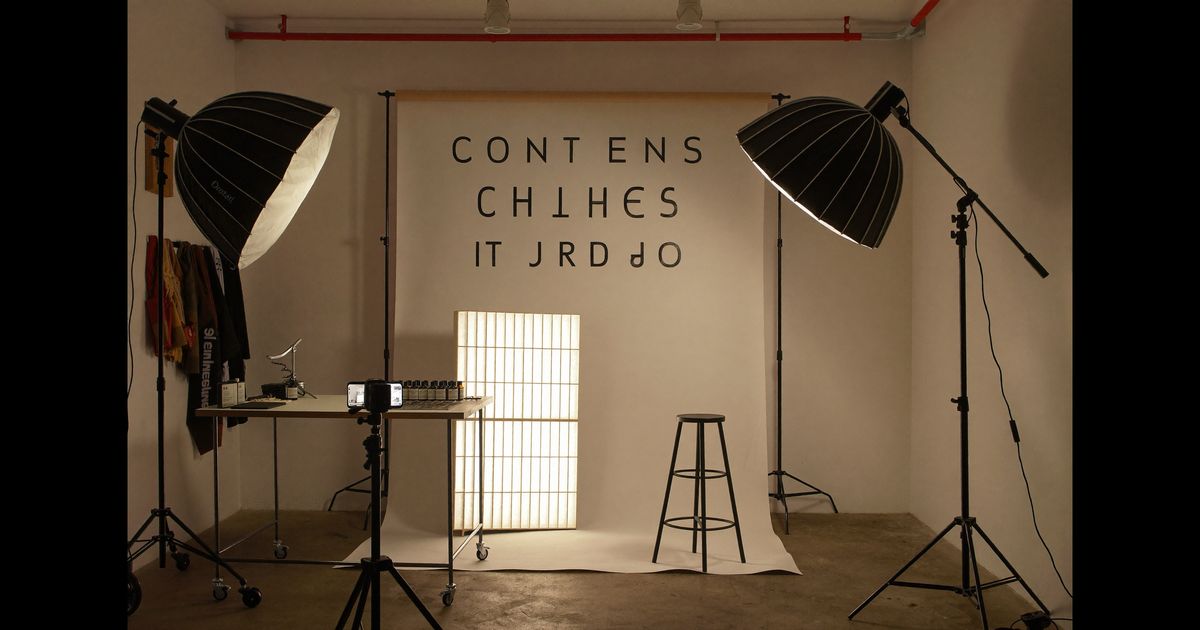
UGC that performs in paid advertising is not simply video of a person using a product. It is a carefully briefed, strategically constructed piece of creative that happens to look natural. The ‘natural’ quality is the goal; it does not mean the production is unplanned. Brands that consistently generate strong ROI from UGC have developed clear production disciplines—from how they brief creators to how they review deliverables to how they feed learning back into the next cycle. The following best practices are drawn from programmes that have proven themselves in real Indian D2C campaigns.
Start with a Brief That Is Specific, Not Prescriptive
The production brief is the single most important document in the UGC process. A weak brief produces generic content regardless of how talented the creator is. A strong brief gives the creator a clear customer insight (who watches this, what problem they have, what they already believe), one key outcome to communicate (not a list of features), the tone and language register appropriate to the platform, and two or three specific things NOT to do (common tropes that feel forced or misrepresent the brand). What a brief should not do is script the exact words. Word-for-word scripting removes the natural language that makes UGC authentic and produces content that sounds like it was written by someone other than the creator—because it was.
Creator Matching Is a Strategic Decision
Selecting the right creator for a brief is not about finding the most photogenic or articulate person. It is about matching lived experience to product use case. A creator who has genuinely dealt with the problem your product solves will bring a specificity and credibility to the content that a creator reading from a brief cannot replicate. When building a creator roster, prioritise relevance of experience over production skill—you can coach someone through a phone setup, but you cannot manufacture genuine familiarity with a problem.
For Indian brands specifically: also consider the regional and demographic match. A creator in Chennai speaking Tamil about a cooking product reaches a different audience with a different level of credibility than the same brand being reviewed in English from Mumbai.
Shoot Guidelines That Maximise Usability
Even the most authentic creator video becomes unusable if the technical execution is too poor for the intended placement. The practical minimum requirements for paid ad use:
- Vertical orientation (9:16) for Reels and Stories; horizontal (16:9) for YouTube.
- Good natural light—near a window, not a dim room. No need for ring lights, which signal ‘content creator’ more than ‘real person.’
- Clear audio—a quiet room, no background music (music introduces licensing issues and drowns the voice). Many ad placements run with audio off; captions become essential.
- Leave the first and last two seconds without on-screen text or graphic overlays so your team can add captions, CTAs, or brand elements cleanly in post.
- Raw file delivery: always request the raw or uncompressed file so your team can reformat for multiple placements.
The Review Process That Preserves Authenticity
Brand review of UGC is necessary but must be handled carefully. The most common mistake is revising UGC to sound more like brand copy—replacing the creator’s natural language with more formal, precise product descriptions. This improves factual accuracy at the cost of authenticity, producing content that converts worse than the original. Reserve revision requests for factual errors, compliance issues, and technical problems. Do not revise for style, language preference, or brand voice alignment—those are precisely the things that make the content authentic.
Building a Production Cadence, Not a Project
One-off UGC productions rarely generate strong ROI because they produce too little volume to test effectively and too little rotation to sustain a running paid campaign. The best-performing UGC programmes operate on a cadence: a defined monthly or bi-monthly production cycle that continuously adds new creative to the ad account. This cadence approach has several advantages: it allows learning from previous cycles to inform subsequent briefs, it prevents creative fatigue from degrading campaign performance, and it builds a library of assets that can be repurposed across email, product pages, and social alongside paid use.
Takeaway
High-ROI UGC is the product of disciplined production practices: specific briefs that do not over-script, creator matching based on relevant experience, technical shoot guidelines that maximise usability, a review process that preserves authenticity, and a cadence that builds learning over time. Each of these practices is implementable regardless of budget size.
Want to bring production discipline to your UGC programme? Book a strategy call and let’s review your current process and identify the highest-leverage improvements.