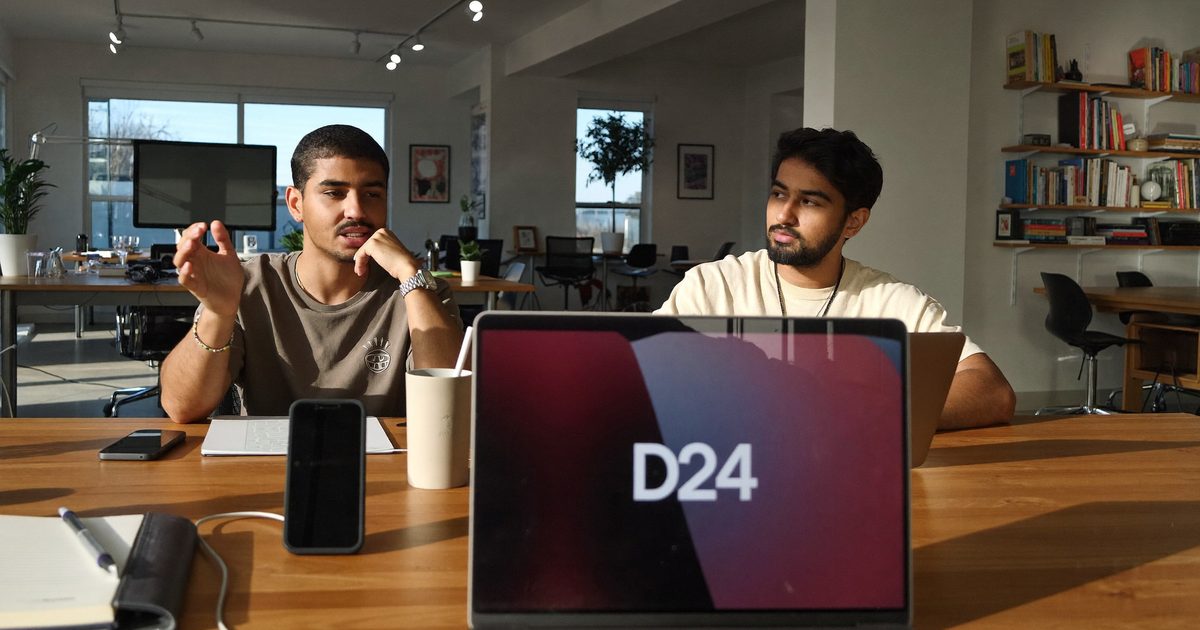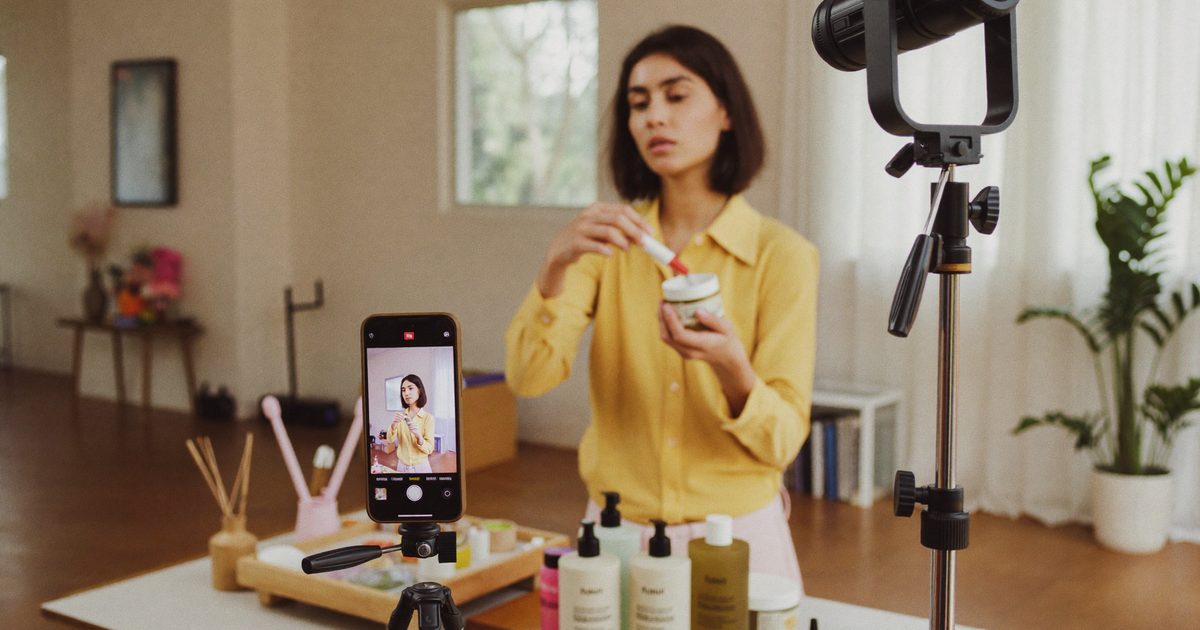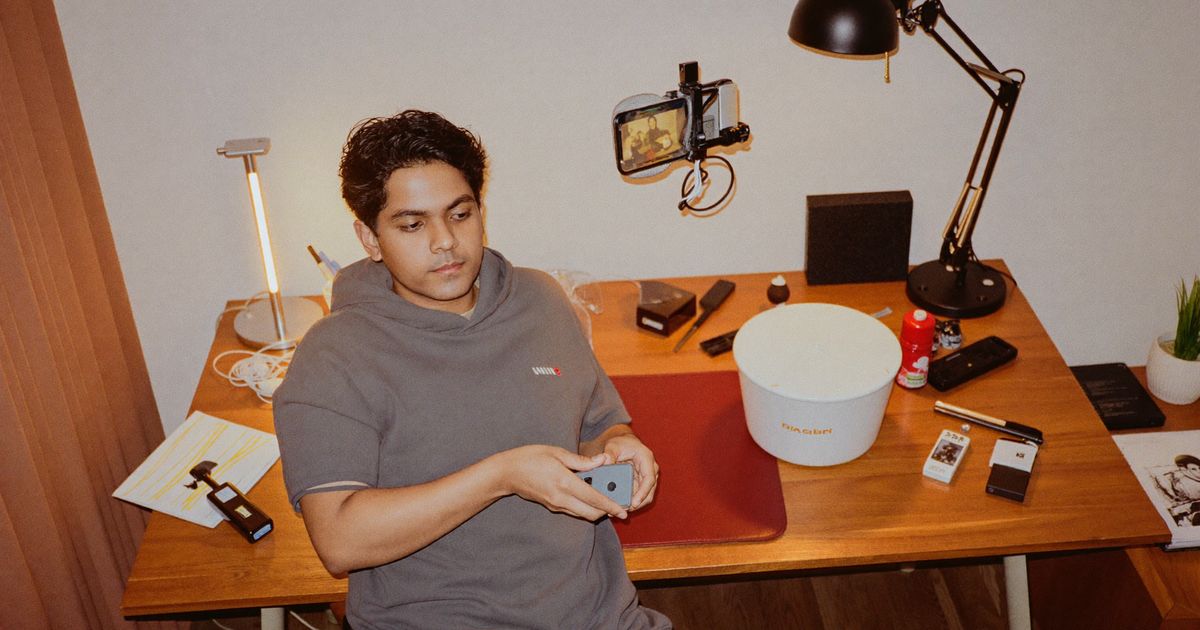
Across our 2026 sample, Bangalore-based B2B SaaS startups that added UGC to their LinkedIn and YouTube creative mix saw a 2.1-3.4x lift in qualified demo bookings within 90 days. This goes against the conventional B2B wisdom, UGC has been pigeonholed as a B2C/D2C play. The 2025-2026 reality: founder-led short-form, employee-on-camera explainers, and customer use-case Reels routinely beat polished SaaS explainer videos on every metric except brand-deck appearance. This guide covers what actually works for Bangalore SaaS founders, the creator pool that exists in the city for B2B work, and the typical 90-day engagement structure.
TL;DR
- UGC for SaaS works, but it's a different format than D2C UGC. Founder-led, employee explainers, and customer-voice clips outperform brand-actor scripts.
- LinkedIn organic UGC posts from founders get 4-12x the reach of brand-page posts. Paid LinkedIn UGC ads see 22-40% lower CPL than studio explainer ads.
- Bangalore has India's largest B2B-fluent UGC creator pool: ~1,200 active creators in 2026, vs ~480 in Mumbai, ~340 in Delhi-NCR.
- Typical SaaS UGC rate in Bangalore: ₹18,000-₹45,000 per video (B2B premium because of script complexity).
- The winning format mix for SaaS: 40% founder POV, 30% customer use-case, 20% employee-on-camera explainer, 10% product-demo cuts.
- Bangalore-specific advantage: many creators are ex-engineers or ex-product people, so they can actually understand and articulate technical SaaS positioning.
1. Why SaaS founders used to ignore UGC, and what changed
Through 2023-2024, the B2B SaaS playbook in India was: a 60-90 second polished explainer video, animated UI mockups, voiceover, and a CTA card. Studio-produced, ₹2-5 lakh per spot. Run on YouTube pre-roll, LinkedIn paid, and Google Display.
Two things broke that playbook in 2025-2026:
Shift 1: LinkedIn's feed shift to short-form. LinkedIn rebuilt its feed ranking to favour creator-style native posts and short-form video. Polished SaaS explainers, optimised for the 2019 ranking model, started getting buried. Founder-led video and employee-on-camera clips suddenly got 4-12x the reach.
Shift 2: The "founders are the brand" effect for early-stage SaaS. For SaaS companies under ₹20Cr ARR, the founder's face and voice consistently outperform any branded creative on demo-booking conversion. Buyers want to know who built the product and whether they understand the problem.
These two shifts created the UGC opportunity for Bangalore SaaS, the city has both the founder density and the creator pool to execute at scale.
2. What "SaaS UGC" actually looks like (it's not D2C UGC)
SaaS UGC borrows the aesthetic of D2C UGC (handheld, native-looking, vertical short-form) but the content is fundamentally different:
Format A: Founder POV (40% of winning mix)
The founder talks to camera for 30-60 seconds about a specific buyer-side problem. No script-reading energy. No "Hi I'm the CEO of..." opening. Just: "Here's the painful thing every Series-B head of finance does every month, and here's the 11-second version of the fix."
Production: shot on phone, in office, in 1-2 takes. ₹0 production cost (founder time only). Posted from founder's personal LinkedIn, optionally boosted as paid.
Format B: Customer use-case clips (30%)
A real customer (head of X at company Y) on camera for 45-90 seconds explaining the before-state, the buying decision, and the after-state. Bangalore advantage: ex-Bangalore-startup people now at customer companies are easy to access.
Production: ₹25,000-₹50,000 per clip, covers travel to customer office, shoot, edit, customer-approval cycle. Posted from brand handle, optionally whitelisted from the customer's handle for paid amplification.
Format C: Employee-on-camera explainer (20%)
A product person, engineer, or implementation lead explains a feature, a workflow, or a customer-pattern they've seen. Authentic insider-knowledge angle. Particularly powerful for technical SaaS where buyer-trust comes from "do they actually understand my world."
Production: ₹15,000-₹30,000 per clip with light coaching + edit.
Format D: Product-demo cuts (10%)
Screen-record cuts edited as 15-30 second loops with captions. Closest to traditional explainer-video format but stripped down. Best as ad-creative for retargeting (people who already saw founder POV and engaged).
Production: ₹8,000-₹20,000 per cut.
3. The Bangalore creator pool for B2B work
Bangalore has India's largest B2B-fluent UGC creator pool because of the city's startup density. Specific characteristics:
- ~1,200 active creators in 2026 who specifically take B2B SaaS briefs (vs ~480 in Mumbai, ~340 in Delhi-NCR)
- ~35% have engineering or product backgrounds, they can understand SaaS positioning without translation
- ~22% are ex-founders or ex-startup employees, they speak the buyer's language natively
- Average rate: ₹18,000-₹45,000 per video (B2B premium of 30-50% over D2C UGC in the same city)
- Available languages: predominantly English, with growing Kannada/Tamil capacity for South India SaaS plays
Why this matters: D2C UGC creators can shoot for almost any vertical because the script is short and product-led. B2B UGC needs the creator to actually understand the product's value-prop, the buyer persona, and the typical objection arc. Bangalore's creator pool has more people who can do this than any other Indian city.
4. Typical 90-day UGC engagement for a Bangalore SaaS startup
For a Series A-B SaaS company (₹5-50Cr ARR) wanting to test UGC at scale, the 2026 default engagement structure:
Month 1: Foundation + 12 video tests
- Strategy intake: ICP, buyer personas, top 5 objection patterns, current creative performance baseline
- Founder-POV recording: 3-4 sessions producing 12-16 short-form clips
- 2 customer-clip productions (₹50,000-₹1,00,000 in production)
- 4 employee-on-camera clips
- Total month-1 spend: ₹2.5L-₹4L all-in
- Output: 18-24 unique pieces of creative for testing
Month 2: Iteration + paid amplification
- Top 30% of month-1 creatives identified for LinkedIn paid + YouTube Shorts amplification
- Whitelisting setup on founder's and best-performing-employee's personal handles
- Second wave: 16-20 new pieces based on what worked
- Spend: ₹2L-₹3.5L
Month 3: Scale + retainer model
- Monthly retainer for ongoing supply: 15-25 pieces/month
- Multi-channel distribution: LinkedIn organic, LinkedIn paid, YouTube Shorts, Meta B2B-targeted, retargeting layer
- Spend: ₹2.5L-₹4L/month ongoing
5. The metrics that matter for SaaS UGC
D2C UGC is measured on CPA and ROAS. SaaS UGC is measured differently:
- Demo-booking rate per ad impression (not CPC, not CTR)
- SQL/MQL ratio (UGC tends to bring higher-intent leads, so the SQL ratio rises even when raw lead volume stays flat)
- Sales-cycle compression (buyers who saw founder-POV content close 15-25% faster on average, they've already absorbed the founder's positioning)
- Cost per qualified demo (the all-in cost metric most CFOs use)
- LinkedIn organic reach amplifier (founder content boosts the brand handle's organic reach by 2-4x, hard to attribute but real)
6. Common Bangalore-SaaS UGC mistakes
- Treating founder-POV as scripted explainer. The founder reading talking points kills the format. Coach to "explain it to a friend who works in a similar industry."
- Overproducing. Adding heavy graphics, lower-thirds, music swells turns UGC back into a polished ad and erases the trust signal.
- Not getting customer-clip approval upfront. The customer's legal/PR team can take 4-8 weeks to approve an use-case clip. Build that into the timeline or skip the customer format until month 3.
- Picking creators by aesthetic, not by domain. A creator who has shot 200 beauty Reels won't magically understand SaaS positioning. Pick creators with relevant background even if the reel-quality is lower.
- Running UGC as one-time campaign. The compounding ROI comes from sustained supply, 15-25 pieces/month for 6+ months. One-shot UGC campaigns underdeliver.
7. Frequently asked questions
Q: Does UGC work for B2B SaaS or is it only for D2C?
Works for B2B SaaS, particularly SMB and mid-market segments. The format is different (founder POV, customer use-cases, employee explainers) but the underlying principle (native-looking content outperforms polished production on attention and trust) holds. Less effective for enterprise SaaS targeting CXOs at ₹50Cr+ deal sizes.
Q: What does an UGC agency in Bangalore charge for SaaS work?
Monthly retainer for steady supply (15-25 pieces): ₹2.5L-₹4L. Project basis (12-20 piece test in 6 weeks): ₹2L-₹3.5L. Founder-POV-only engagement (12 clips/month, no customer or employee work): ₹1L-₹1.8L.
Q: Why is SaaS UGC more expensive than D2C UGC?
Script complexity, longer creator-coaching cycles, customer-approval processes, and a smaller creator pool that can understand B2B positioning. The B2B premium is typically 30-50% over D2C UGC rates for the same city.
Q: Should the founder be on every UGC piece?
No, founder POV is 40% of the optimal mix. Customer-voice (30%) and employee-on-camera (20%) consistently outperform founder-only mixes after the initial brand-establishment phase. Founders also burn out from being on camera every week.
Q: Can a Bangalore UGC agency shoot for our remote team across Pune, Delhi, Mumbai?
Yes. Most Bangalore-headquartered B2B UGC agencies have creator-roster coverage across all Tier-cities across India. Founder/employee shoots are typically scheduled around quarterly all-hands or city-visits to consolidate travel.
Q: What's the minimum SaaS company stage where UGC makes sense?
Functional once you have product-market fit (~₹2Cr ARR or 50+ paying customers). Below that, the bottleneck is product not creative, UGC won't fix a product that isn't solving the problem. Above ₹2Cr ARR, UGC reliably accelerates demo-booking volume.
Q: How does Bangalore compare to Mumbai or Delhi for SaaS UGC?
Bangalore has more B2B-fluent UGC creators and significantly more ex-engineer/ex-product creators. Mumbai is better for fintech-adjacent SaaS (banking sector density). Delhi-NCR is better for GTM-heavy SaaS targeting enterprise. For most B2B SaaS, Bangalore is the default.
Q: Will UGC hurt our brand positioning as a serious B2B player?
The opposite, in 2026. Polished-only creative now reads as "company that doesn't get LinkedIn" to most modern B2B buyers. UGC mixed with selective hero studio assets is the credible default. Pure-studio brands are starting to look dated.
Q: How long until we see ROI from SaaS UGC?
45-90 days to clear performance signals on demo-booking rate and sales-cycle data. The compounding effect on LinkedIn organic reach (founder personal brand building) takes 6-9 months but is more durable than paid-only ROI.
Where to go next
If you're a Bangalore-based SaaS founder evaluating UGC, the Bangalore-specific service page covers our local creator roster and recent SaaS work. For a quick benchmark against your current LinkedIn and YouTube creative spend, book a 30-min call and we'll model the realistic 90-day numbers against your ARR and current CAC. For broader B2B vs D2C UGC philosophy, the work page includes both segments' case studies.