Digital advertising in India has a credibility problem. Click-through rates have declined across most D2C categories over the past two years, not because targeting has worsened but because buyers have learned to identify and ignore content that looks like an ad. The visual grammar of traditional paid creative — clean backgrounds, professional lighting, brand-approved copy — has become a trust trigger in the wrong direction. UGC-based creatives solve this problem at the format level, not just the messaging level.
Why the Trust Gap Exists
Trust in digital advertising erodes through repetition. Every buyer has seen enough polished ads make promises that reality did not keep — the product looked different in person, the results took longer than implied, the quality did not match the aesthetic. This accumulated scepticism is not irrational; it is learned behaviour. And it operates before the buyer reads a single word of copy. The moment an ad looks like an ad, a fraction of the audience has already filtered it out.
The trust gap is especially pronounced in India's growing D2C market, where a significant portion of online buyers are making their first or second purchase from a brand they discovered via social media. For first-time buyers with no prior relationship with the brand, the default trust level is low. Every element of the ad creative either builds or erodes that trust, and traditional polished creative starts at a deficit.
How UGC Creative Changes the Trust Equation
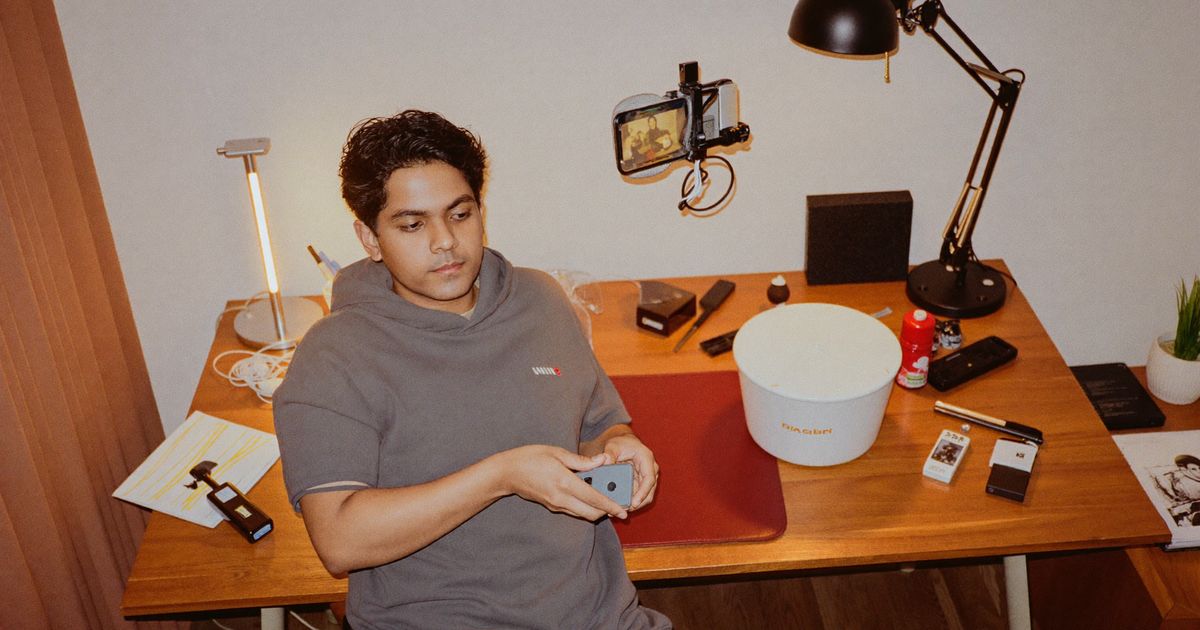
UGC-based creatives — videos shot by real customers or creators in natural settings, without brand-controlled production treatment — disrupt the visual pattern that triggers ad scepticism. A shaky handheld shot, a real person's unscripted delivery, a background that is clearly someone's home rather than a studio set: these cues signal authenticity before the viewer consciously processes the content.
This is not a soft benefit. For Meta paid campaigns, UGC creatives typically generate higher thumb-stop rates (the viewer pauses rather than scrolling past) and lower cost-per-click compared to equivalent studio-produced ads in the same campaign. For Google Performance Max campaigns, UGC product images — real buyers using the product — outperform packshots on Shopping placements in most consumer categories. The trust signal translates directly into auction efficiency.
The Elements of a High-Trust UGC Ad
Not all UGC creative closes the trust gap equally. The highest-performing formats share specific characteristics:
- A hook that mirrors a real objection: Opening with the thought a hesitant buyer is already having — I was skeptical this would actually work for my skin type — creates identification before making any claim. The viewer sees themselves in the speaker before the product is introduced.
- A specific claim, not a superlative: My acne marks faded noticeably by week three converts better than amazing results! because it is falsifiable and therefore believable. Specificity is the UGC trust signal that generic ad copy cannot replicate.
- Visible product use, not product display: Showing the product being used in a real context — applied to real skin, assembled in a real room, worn during a real activity — anchors the benefit in a scenario the buyer can imagine inhabiting.
- Natural audio: Background sounds, a slightly imperfect delivery, a pause before a key word — these micro-signals of unscriptedness cue authenticity at a subconscious level. An overly smooth voiceover on a UGC-format video undermines the entire effect.
Integration Into Meta and Google Campaigns
For Meta campaigns, UGC creative works best when integrated into a testing framework rather than deployed as a full replacement. Start by adding two to three UGC variants to your existing ad sets alongside your current creative. Let the algorithm allocate based on performance for seven to ten days before drawing conclusions. Most Indian D2C brands see UGC variants emerge as top performers within the first testing cycle.
For retargeting campaigns specifically, UGC content that addresses the most common buyer hesitation for your product category — price, ingredient safety, sizing accuracy, delivery time — converts warm audiences who have already visited your product page but left without purchasing. The trust gap at the retargeting stage is narrower than at cold awareness, but it still exists, and peer-voice content closes it more effectively than brand-voice content.
For Google, the practical integration point is your Performance Max asset groups and your Google Shopping product listings. Upload customer photos and short UGC clips as supplementary assets. Google's system will test these automatically, and authentic product imagery consistently outperforms isolated packshots in click-through rate on Shopping placements.
Takeaway
The trust gap in digital advertising is not a media problem — it is a creative problem. Buyers are not avoiding ads because they see too many; they are avoiding ads that look untrustworthy. UGC-based creatives solve this at the format level, and the results show up directly in your Meta and Google campaign metrics. Book a strategy call to audit your current creative mix and build a UGC testing plan for your paid campaigns.