When a brand decides to invest in UGC for paid advertising, the first practical question is almost always: what should this cost, and how do I know if it’s working? These are not separate questions—they are connected. The right budget for UGC is the one that, given your current cost per purchase from paid ads, produces enough creative volume to run a meaningful testing programme and generates savings through improved ad performance. Understanding each component of the cost and how it maps to business outcomes removes the guesswork from the budget conversation.
The Main Cost Components of a UGC Programme
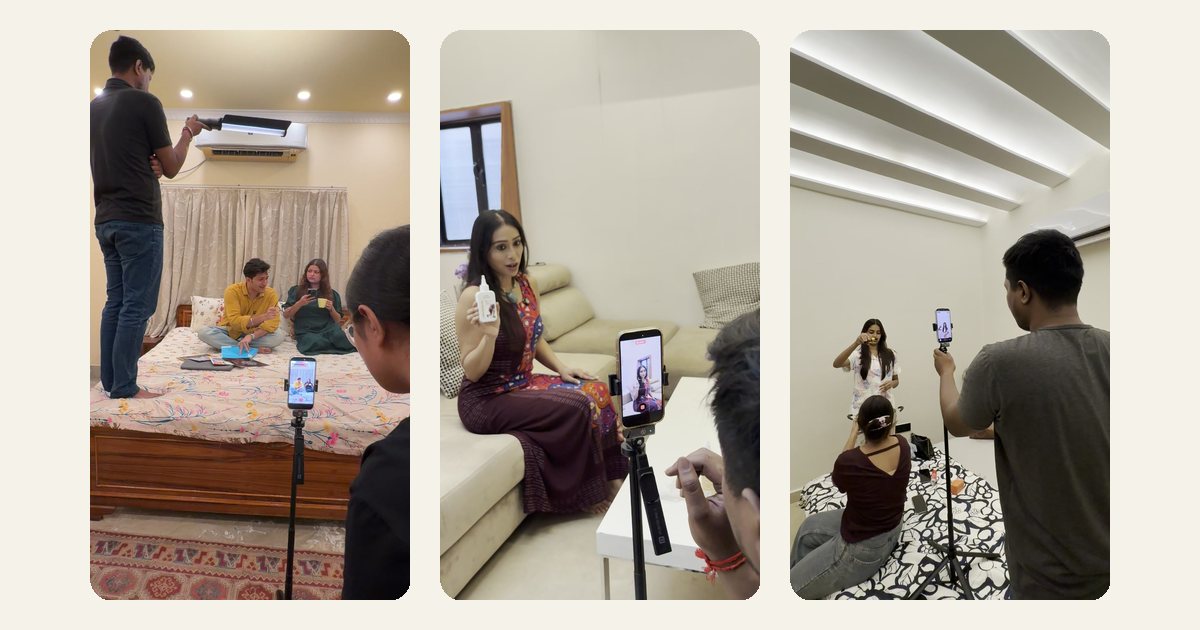
A UGC production budget for an Indian D2C brand typically includes the following elements:
- Creator fees: The payment to the person appearing in the video. This varies based on whether the creator is a verified consumer (lower cost, higher authenticity), a professional UGC creator with a trained on-camera style (mid-range), or a niche expert like a dermatologist or fitness coach (higher cost, high credibility).
- Production coordination: Briefing, creator selection, revision management, and quality review. If you are working with an agency, this is typically built into the service fee. In-house, this is staff time.
- Creative direction and scripting: Writing the brief, developing hooks, identifying the customer insight that anchors each video. This is often undervalued but determines whether creator output actually serves your ad strategy.
- Licensing: The right to use the creator’s content in paid advertising, typically for a defined period (three, six, or twelve months). Clarify this upfront—using content beyond the agreed window without a renewal is a common source of disputes.
- Iteration and revision: Most production cycles include one to two rounds of revision. Factor this into timelines and cost estimates.
How Many Videos Do You Actually Need?
The most common budgeting mistake is producing too little. A single UGC video might be excellent, but it gives you no testing data and will fatigue within weeks at any meaningful spend level. A minimum viable UGC programme for a brand running active paid campaigns is six to ten videos per quarter—enough to test different hooks, different creators, and different formats simultaneously. Brands running higher daily spends need proportionally more creative rotation to prevent fatigue from driving up CPMs.
A useful rule of thumb: if your daily spend is above ₹20,000 on a single campaign, plan for at least two to three new creatives entering the ad account every three to four weeks.
Projecting ROI Before You Spend
ROI projection for UGC investment starts with your current paid ad baseline. If your current cost per purchase from Meta ads is ₹1,200 and UGC creative typically reduces that by 20–35% (a range observed consistently across D2C categories when authentic video replaces studio content), the saving per purchase is ₹240–₹420. If you are driving 200 purchases a month from paid ads, that represents a monthly saving of ₹48,000–₹84,000—against a UGC production cost that is likely a fraction of that figure.
Add the creative longevity benefit: UGC that runs for eight weeks instead of three weeks means fewer production cycles and lower cost per creative refresh over the year. Add the lower return rate on UGC-driven purchases (customers who bought after seeing an honest review tend to keep what they bought). The ROI case for UGC investment is typically strong when modelled against real baseline data.
Agency vs In-House vs Freelancer: Cost Implications
Building UGC in-house requires hiring or assigning a person to manage creator outreach, briefing, production coordination, and quality review. This is feasible for large brands with dedicated content teams but expensive for early-stage D2C brands where every role is already stretched. Freelancers can handle individual pieces but rarely bring the brief quality, creator network, or systems needed for a consistent programme. A specialist UGC agency provides scale, systems, and a vetted creator pool at a predictable cost—making the total cost of production per video competitive with in-house once staff time is properly accounted for.
Setting Budget Expectations with Finance Teams
When presenting a UGC budget internally, frame it as a media efficiency investment rather than a content expense. The question is not “can we afford to produce this content?” but “what does our cost per purchase drop to if the creative performs as projected, and what does that save us over 12 months?” A modest UGC production budget that reduces cost per purchase by even 15% across a ₹5 lakh monthly ad spend generates material savings that more than justify the production investment.
Takeaway
Budgeting for UGC becomes straightforward once you understand the cost components, the volume needed for effective testing, and how to model the return against your existing paid ad baseline. The brands that frame UGC as a media efficiency lever—not a content expense—are the ones that get budget approved and produce results that justify increasing it over time.
Want to model the ROI of a UGC programme against your current ad spend? Book a strategy call and we’ll run the numbers together.