A Bengaluru-based skincare brand approached us last year with a very specific problem: they had 14 creator contracts running simultaneously, but every piece of content looked like it came from a different universe. Different color grading, inconsistent product placement, hooks that clashed with their brand voice. The root issue was not the creators, it was the infrastructure. They had assembled a roster without ever building the operational layer that sits underneath it.
That operational layer is exactly what brands are now racing to build, and it is what distinguishes a genuine in-house UGC capability from a pile of freelancer invoices. Whether a brand chooses to run this internally or through a production partner, the structural decisions, studio setup, creator vetting, briefing systems, compliance workflows, are the same. Here is how we think about each of them.
Why "In-House" Does Not Always Mean What You Think
When a D2C brand says they want to bring UGC in-house, they usually mean one of three things: a dedicated employee managing external creators, a rented studio space in their city, or a curated roster they own directly rather than accessing through a marketplace. Rarely do they mean all three at once, and rarely do they have to.
The more useful framing is control over the brief-to-publish pipeline, not physical ownership of every asset. A Mumbai-based FMCG brand we work with keeps creative direction and final approvals internal but outsources all production coordination, location scouting, and creator management to us. What they gain is consistent output at scale without hiring a six-person content team.
- Full in-house: best for brands spending upward of Rs. 8–10 lakh per month on UGC content, with enough volume to justify a dedicated producer and a studio retainer.
- Hybrid model: brand owns the creative strategy and approval layer; agency handles talent, shoots, and delivery. Works well for brands in the Rs. 1.5–5 lakh monthly content spend range.
- Creator network only: brand curates a private roster of 8–15 creators, coordinates directly, and briefs them in batches. Low overhead, but requires a strong internal brief and a real quality-control step before content goes live.
What a Functional In-House Studio Actually Requires
The minimum viable studio setup we see Indian brands underestimate is not about camera equipment, most creators shoot on iPhones 14 and above and the output is platform-native anyway. The infrastructure that actually matters is this:
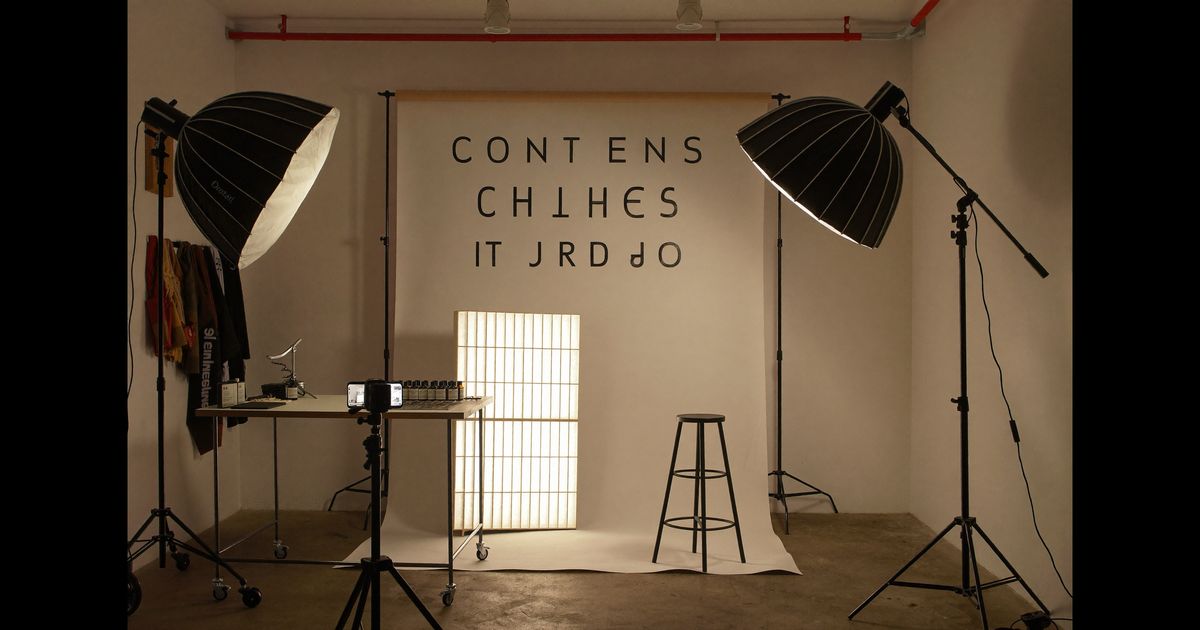
- A controlled shooting environment with consistent lighting: A 10×10 ft. space with daylight-balanced LED panels costs roughly Rs. 40,000–70,000 to set up. Without it, every creator who shoots at home delivers a different color temperature, and no amount of post-production fixes that at scale.
- A prop and product library: physical products, packaging variants, lifestyle props curated to brand aesthetics. This sounds obvious; brands routinely skip it and then spend hours on back-and-forth courier logistics between creators.
- A brand shoot deck (not just a brief): a visual reference document that shows composition examples, forbidden angles (for many skincare and food brands, this includes certain close-up shots that trigger ASCI scrutiny), approved music genres, and on-screen text standards.
- A content management system with rights tracking: even a well-maintained Notion workspace or Airtable base that logs which creator owns which piece, what the usage license covers, and when organic reposts become paid boosting, this protects the brand legally and prevents the common mistake of boosting content the creator did not authorize for dark ads.
Building the Creator Network: Vetting That Actually Works
The question we get most often from brands building their first in-house roster is where to find creators. The honest answer is that platform-specific discovery is far less important than the vetting process after discovery.
We recruit across Instagram Reels, YouTube Shorts, and Josh (the latter especially relevant for Tier cities across India and Hindi-first audiences in UP, Bihar, Rajasthan). But the shortlist criteria we apply are consistent regardless of platform:
- Content consistency over follower count: a creator with 12,000 followers who has posted three times a week for 18 months demonstrates reliability. A creator with 80,000 followers and a gap-ridden feed does not.
- On-camera delivery in the brand's required language(s): for a brand targeting South India, we specifically vet for Tamil or Kannada fluency, not just Hindi proficiency. A Telugu-language hook for a D2C brand in Hyderabad converts differently from the same script dubbed.
- Prior disclosure compliance: ASCI's Guidelines for Influencer Advertising in Digital Media (updated 2023) require clear #ad or #sponsored labeling and specific disclosures for claims about health, finance, and children's products. We review a creator's last 30 posts for compliance history before onboarding. A creator who has never labeled paid content correctly will not suddenly start doing so reliably.
- Response rate on test briefs: we send a simplified creative brief as part of the onboarding process and measure how closely the creator interprets it versus improvises. Some improvisation is desirable; ignoring the hook direction entirely is a signal about how the working relationship will go.
The Briefing System Is the Product
Most brands treat the brief as a document they send once. In a properly running creator network, the brief is an evolving operational tool that carries accumulated creative learning.
A brief that does not specify what the hook cannot be is not a brief, it is a wish list.
We structure creator briefs in five fixed sections: the hook bank (3–5 tested opening lines, usually drawn from top-performing organic comments or search queries), the product truth (the single most defensible claim the creator should make, stripped of superlatives that would flag under ASCI), the emotional arc (what the viewer should feel at the 3-second mark, the 15-second mark, and at the CTA), production notes (lighting preference, B-roll list, any restricted visuals), and ASCI compliance checklist (mandatory disclosure placement, no before/after imagery for certain categories, no absolute health claims).
When brands run this briefing system consistently across a roster of even 10 creators, they start generating a creative signal library, they can see which hooks drove the most saves on Instagram, which product angles performed on YouTube Shorts versus Reels, which language variants converted in which metros. That library compounds. A brand that has been running structured UGC production for 18 months has a genuine performance database; a brand that has been scattering creator briefs informally has invoices and inconsistent content.
Rights, Repurposing, and the Paid Amplification Layer
Building an in-house UGC capability without a clear repurposing framework means paying for content you can only use once. The contracts that actually serve brand-side interests specify:
- Organic usage rights: posting the creator's content on the brand's own channels, typically covered in the base fee (Rs. 3,000–15,000 per short-form video depending on creator tier and content complexity).
- Whitelisting / dark-post rights: running paid Meta or Google ads through the creator's handle, which requires explicit written consent and typically adds Rs. 2,000–8,000 to the fee depending on the duration window (30, 60, or 90 days).
- Perpetual repurposing rights: using content in email, on product pages, in pitch decks, or in performance max asset groups indefinitely. This should be a separate line item, do not assume it is covered by default.
On the platform side, Meta's Branded Content tool and Google's asset-group upload flow both require proper disclosure when creator content is used in paid formats. Getting this wrong is not just a compliance issue; Meta has suppressed reach on undisclosed branded content, particularly in health and wellness categories where scrutiny is highest.
When to Build Internally vs. When to Outsource the Infrastructure
The inflection point, based on the briefs we have received from Indian D2C brands, is roughly when a brand needs more than 20 pieces of differentiated UGC content per month. Below that volume, the overhead of managing a studio, a creator roster, contracts, briefing cycles, quality reviews, and ASCI compliance checks outweighs the cost of outsourcing it to a specialized production partner.
Above 20 pieces per month, especially for brands running multilingual campaigns across Hindi, Tamil, Bengali, and Marathi markets simultaneously, the economics of building internal systems start to favor the brand. Even then, most brands we work with keep the creative strategy and performance analysis internal while outsourcing the production operation itself.
The honest tension in "building in-house" is that the capability that makes it worthwhile, the brief-to-publish pipeline, the creator vetting system, the rights framework, the compliance layer, takes 6–12 months to build from scratch, and it requires someone with direct production experience to build it correctly the first time.
If you are at the point where your current UGC output is inconsistent, under-licensed, or non-compliant with ASCI guidelines, the fastest path to a functioning system is usually a structured engagement with a production partner who can transfer the operational framework. We have helped several brands in this position build out their internal capability over a 3–6 month production engagement. You can see the model on our work page or talk through what your specific setup needs at a free consultation.