Luxury brand marketers often approach UGC with a specific concern: if "anyone" is producing content about the brand, does that undermine the exclusivity and aspiration that luxury positioning depends on? It's a legitimate question, and the answer isn't "no, authenticity always wins." For luxury brands, UGC strategy requires a more calibrated approach — one that uses authenticity to build trust without allowing that authenticity to lower the perceived ceiling of the brand.
The Case for UGC in Luxury Marketing
Luxury buyers — particularly the emerging aspirational luxury segment in India's urban centres — are not immune to the trust deficit that affects all digital advertising. A potential buyer considering a Rs 50,000 handbag or a Rs 25,000 skincare set cannot hold the product before purchasing. The visual quality of a brand's own photography and the sophistication of its campaign creative communicates aspiration — but it doesn't answer the question of how it actually feels, how it performs over time, or whether it's worth the premium.
UGC from buyers who can speak genuinely about product quality — the leather's feel after six months, the skincare's texture and efficacy after consistent use — addresses these questions in a way that brand creative structurally cannot. The trust function of UGC is valuable regardless of price point; it just needs to be executed differently at the luxury tier.
Creator Selection Is the Critical Lever
For luxury brands, the creator is the content. A poorly matched creator will damage brand equity regardless of how well the product is described. Luxury UGC creators need to have genuine familiarity with the category, a personal aesthetic that aligns with the brand's world, and an audience that represents the aspirational buyer rather than a mass consumer demographic. This narrows the creator pool significantly — and that's appropriate. Exclusivity in creator selection mirrors the exclusivity of the brand.
Luxury UGC is also rarely built around "real people" in the everyday sense. More often, it features established professionals, cultural figures, or informed connoisseurs whose endorsement adds to the brand's prestige rather than democratising it.
Format: The UGC Aesthetic That Works for Luxury
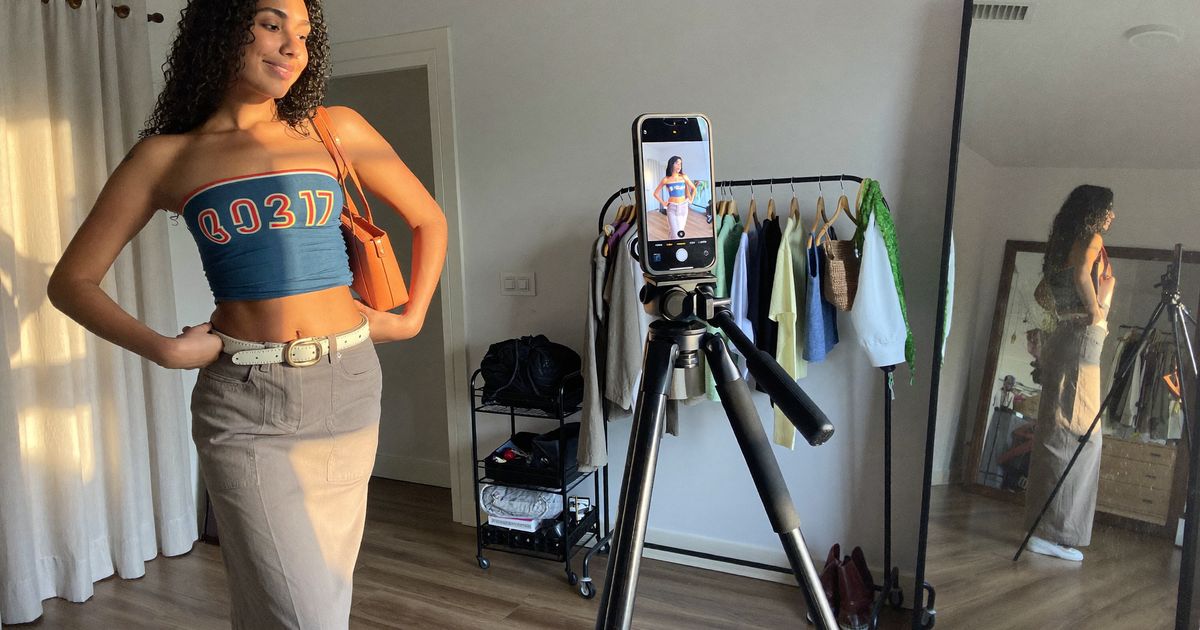
Mass-market UGC aesthetics — phone-shot, unfiltered, casually lit — are generally not appropriate for luxury positioning. Luxury UGC can maintain production quality while preserving the authenticity and personal testimony that makes it more persuasive than pure brand creative. Think: well-lit but intimate settings, natural light, minimal props, genuine but polished delivery. The format signals "real person" without signalling "mass product."
The specific authenticity signal that luxury UGC needs to deliver is expertise and discernment — the creator should communicate that they have high standards and that this product met them, not simply that they received it and enjoyed it.
Where to Place Luxury UGC
Luxury UGC is most effective in the consideration stage — not awareness. Top-of-funnel creative for luxury should typically be brand-controlled and aspirational. UGC is most valuable when a prospect is already aware of the brand and deciding whether the product is worth the premium. Place UGC on product detail pages, in consideration-stage retargeting (targeting people who have visited the product page), and in direct communication to existing customers to encourage repeat purchase and loyalty.
Takeaway
UGC and luxury are not inherently in tension — but luxury UGC requires more careful curation than mass-market UGC. The payoff is significant: authentic testimony from credible voices resolves the trust gap that high price points create, and well-executed luxury UGC can strengthen rather than dilute brand positioning. Book a strategy call to explore how UGC can be structured for your luxury or premium brand.