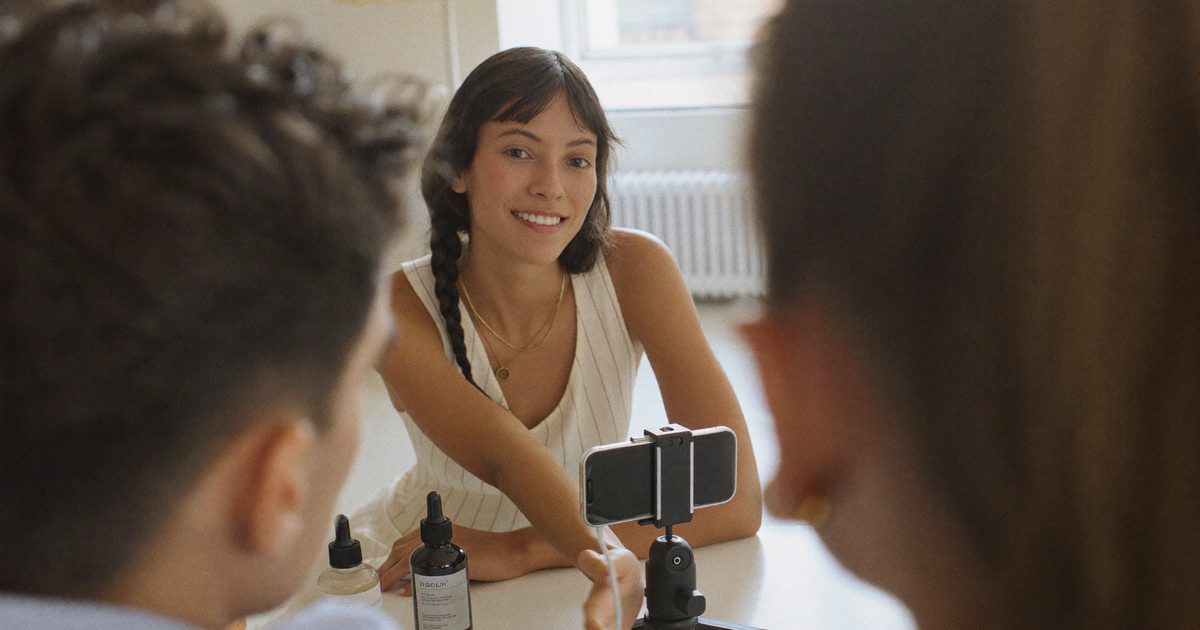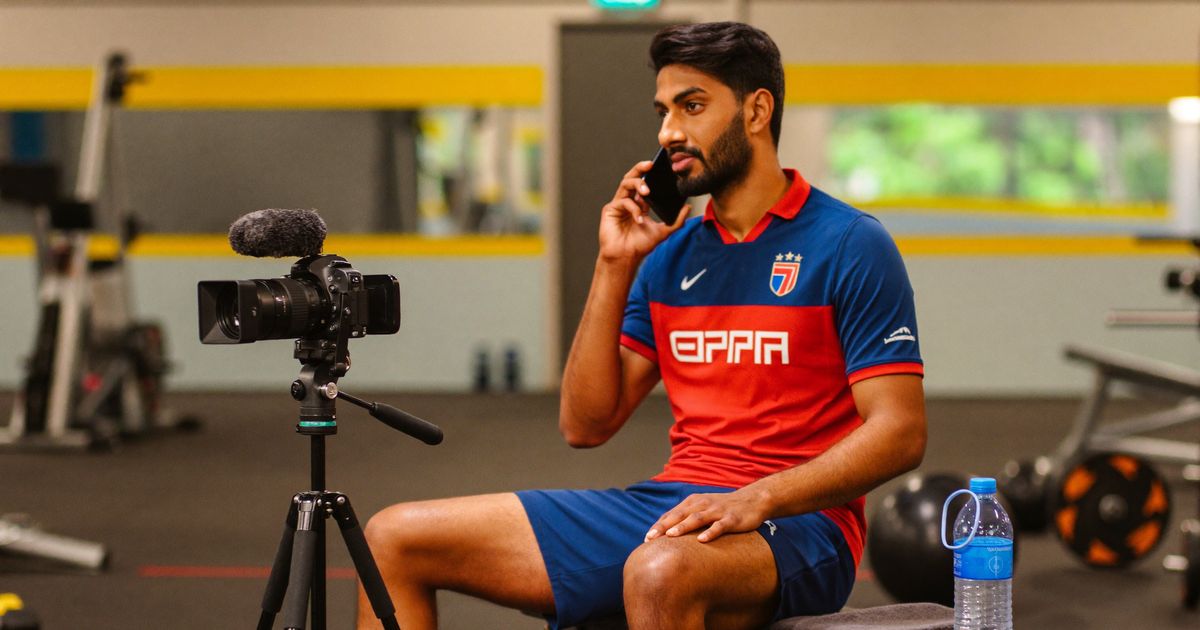
Ashwagandha gummies selling out in Tier cities across India. A Bengaluru nutritionist's reel racking up 4 million views in a week. A Mumbai fitness creator getting DMs from Coimbatore asking where to buy protein powder. The Indian wellness sector is not just growing, it is being reshaped in real time by creators who speak their audience's language, literally and figuratively. If your brand sells supplements, Ayurvedic skincare, fitness equipment, or mental wellness products and you are still relying on static ads and celebrity endorsements, you are watching this shift from the wrong side of the window.
This article walks you through how to actually execute a UGC strategy built for India's wellness market in 2025-26, from creator selection and brief writing to ASCI compliance and format choices that are working on Instagram and YouTube right now.
Step 1: Map Your Product to the Right Creator Archetype
Wellness UGC fails most often at the casting stage. Brands reach for the largest fitness creator they can afford and wonder why conversions are flat. The Indian wellness audience in 2025 is segmented and savvy. Match your product category to a creator type before anything else:
- Nutraceuticals and supplements (protein, collagen, gut health): Micro-creators in the 30K–150K follower range, personal trainers, home fitness practitioners, and postpartum health coaches, outperform macro creators on trust. In our production work, supplement brands consistently get higher save-rates from "transformation diary" style videos than from talking-head testimonials.
- Ayurvedic and herbal products: Look for creators who already integrate traditional practices into their content, yoga teachers, Panchakarma practitioners, vernacular health educators on YouTube. A creator who naturally discusses doshas or seasonal eating will make your Triphala or Chyawanprash campaign feel earned, not bolted on.
- Mental wellness apps and products: Creators who discuss anxiety, burnout, or sleep openly, often in the 20K–80K range, carry enormous trust. Avoid casting bodybuilders for a sleep supplement; the audience mismatch is immediately visible.
- Fitness equipment and activewear: City-based group fitness instructors and home-workout creators in metros like Hyderabad, Pune, and Delhi NCR have audiences that mirror the buying demographic for these products.
Step 2: Build a Brief That Prevents ASCI Violations
The Advertising Standards Council of India issued updated influencer guidelines in 2023 that apply directly to wellness UGC. Non-compliance exposes both the brand and the creator to public takedown notices and reputational risk. Build these requirements into your brief at the outset rather than chasing corrections after the shoot:
- Mandatory disclosure: Every paid UGC post must carry a clear "#Ad" or "#Sponsored" label visible without expanding the caption. "Gifted" products require a "#Gifted" tag. ASCI's monitoring tools actively track wellness influencer content.
- No unverified health claims: A creator cannot say your protein powder "builds muscle 2x faster" or that your supplement "cures PCOS" unless you have clinical evidence you are willing to share publicly. Brief creators explicitly on what claims are off-limits and provide approved language they can adapt.
- Before/after restrictions: Before-and-after body transformation images in paid wellness content require substantiation. If you want results-based content, route it through video testimonials with specific, verifiable personal experience rather than comparative imagery.
We brief creators to describe their personal experience in specific, sensory terms, "I noticed my afternoon energy crash was gone after 10 days", rather than making clinical claims. This language is both compliant and far more believable to audiences who have learned to filter out superlatives.
Step 3: Choose the Format That Matches the Buying Stage
Indian wellness consumers in 2025 move through a research-heavy journey before purchasing, particularly for anything ingested or applied to skin. Your UGC format needs to match where they are in that journey:
- Discovery (top of funnel): Short-form video on Instagram Reels and YouTube Shorts. The hook must address a specific problem, "My hair was falling in clumps after my second pregnancy" lands harder than "great hair tips." These videos are meant to generate saves and shares, not clicks. Budget Rs. 8,000–18,000 per creator for a 30–60 second Reel in this category.
- Consideration (mid-funnel): YouTube long-form reviews (8–15 minutes), Instagram carousel posts with ingredient breakdowns, and "week-long diary" Reels. These are research content. Viewers searching "best collagen supplement India 2025" are ready to compare, give them detail, not slogans.
- Conversion (bottom of funnel): WhatsApp Status repurposing (creators sharing discount codes or limited-time offers with their close contacts), and Meta ads built from authentic UGC clips. A 15-second clip from a longer creator review, edited for urgency, running as a Meta ad to a warm audience, is among the highest-converting formats we have seen for D2C wellness brands spending Rs. 30,000–80,000/month on paid.
Step 4: Produce Vernacular Content for Tier 2 and Tier 3 Markets
This is the largest under-executed opportunity in Indian wellness UGC right now. While brands compete for Hindi and English-speaking creators in Mumbai and Bengaluru, the buyers of protein powder in Surat, Ayurvedic oils in Coimbatore, and nutraceuticals in Bhubaneswar are watching creators in Gujarati, Tamil, and Odia.
Practical steps to build a vernacular pipeline:
- Identify 2–3 language markets adjacent to your existing customer geography. Pull your order data, if 18% of your orders are coming from Tamil Nadu, a Tamil creator strategy is not a nice-to-have.
- Use platforms like Qoruz or Kofluence to filter creators by language and content category. Vernacular micro-creators in the wellness space typically charge Rs. 4,000–12,000 per video, making this cost-effective to test.
- Provide a translated brief, not just a translated script. A creator who understands why they are making the video will deliver far better content than one reading phonetically from a translation.
- Repurpose vernacular content as regional Meta ad sets. A Tamil-language testimonial for a wellness brand targeting Chennai and Coimbatore will nearly always outperform a Hindi ad running in the same geography.
Step 5: Structure Your Production for Platform-Specific Reuse
One of the most common production mistakes in wellness UGC is briefing a single deliverable per creator. A well-designed shoot or self-shoot brief should yield multiple assets from one engagement:
- Primary asset: The main Reel or YouTube video, 60–90 seconds, with full narrative arc (problem, discovery, experience, result).
- Cut-down: A 15-second version focusing only on the strongest testimonial moment. This feeds Meta and YouTube ad campaigns directly.
- Static frame: A screenshot or thumbnail from the video, product held clearly, creator expression genuine, for use in display ads or website social proof sections.
- B-roll clips: 5–10 seconds of the creator using the product (opening packaging, mixing powder, applying oil) with no voiceover. These become overlay footage for brand-edited content.
When you brief a Rs. 15,000 creator for four assets rather than one, your cost-per-asset drops to Rs. 3,750. For a brand running 20 creator partnerships a quarter, this compounding effect is significant.
Step 6: Measure What Actually Predicts Sales
Wellness brands frequently optimise for views and likes and then wonder why revenue doesn't follow. The metrics that actually signal purchase intent in this category are different:
- Save rate: When someone saves a supplement or skincare video, they are bookmarking it for a purchasing decision. A Reel with 50,000 views and 3,000 saves is more valuable than one with 200,000 views and 400 saves.
- Comment quality: Read the comments. "Where do I buy this?" and "Does it work for hormonal acne?" signal active consideration. Generic "great content!" comments are engagement theatre.
- Link-in-bio click-through: For creators with swipe-up or link access, track actual traffic delivered. A creator sending 400 qualified clicks to your product page at Rs. 12,000 is more efficient than a macro creator sending 80 clicks at Rs. 80,000.
- Attributed revenue via promo codes: Every creator partnership should carry a unique discount code (even a modest 5% off) so you can directly attribute orders. This data, accumulated over 3–4 campaigns, tells you which creator archetypes and formats are actually driving purchases for your specific product.
Wellness UGC in India is maturing fast, audiences are better at detecting inauthenticity, regulators are watching health claims more closely, and Tier 2 and 3 markets are the real growth frontier. Brands that invest in tight production briefs, ASCI-compliant scripts, vernacular creator pipelines, and smart asset reuse will pull ahead significantly in the next 12 months. If you want help building that system, from creator sourcing to final ad-ready deliverables, take a look at how we work with wellness brands at theugcagency.com/work or book a free consultation.