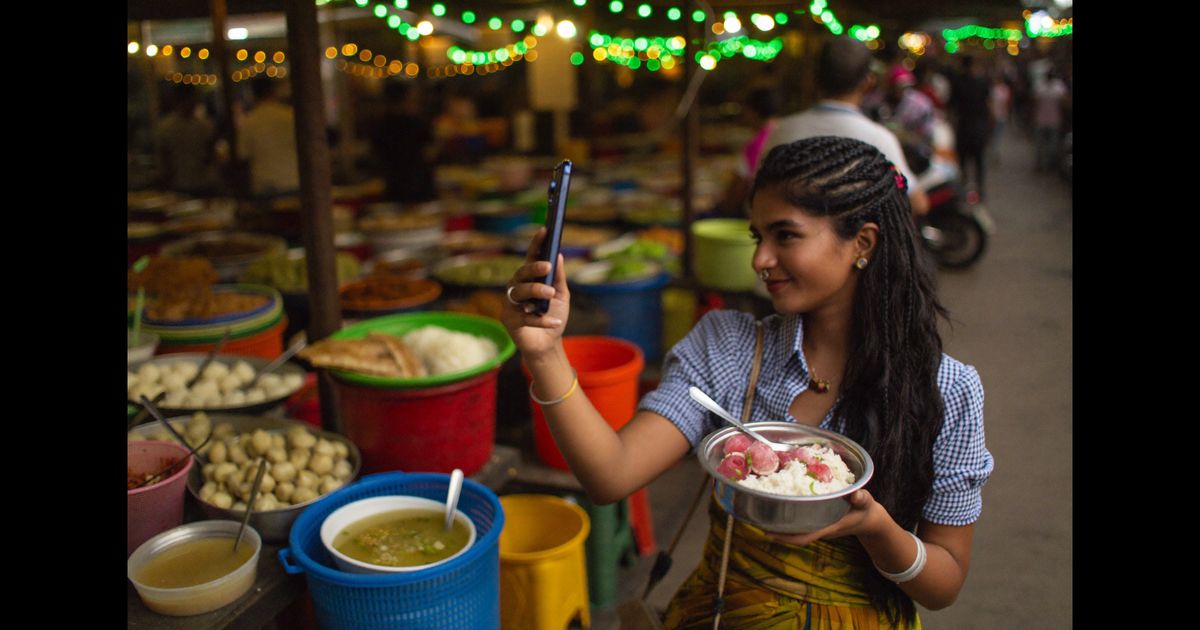
A hotel in Jaipur added 18 new room bookings in a single weekend after a travel creator posted a 47-second Instagram Reel of her sunrise chai ritual on the rooftop terrace. No paid media. No brand brief. Just her phone, the right light, and the property's QR code in the caption. If you are already running UGC programs, you have seen moments like this, but you have also seen the inverse: expensive creator stays that produced polished content nobody trusted and even fewer clicked.
The hospitality sector sits at the intersection of aspiration and social proof more acutely than almost any other category. A guest's video of the pool at 7 a.m. does what no copywriter can: it answers the unspoken question, "will I actually feel this way when I'm there?" This playbook is for brands that have moved past "let's get some UGC" and are now asking how to systematise high-performing UGC, leverage emerging formats intelligently, and turn owned-stay moments into a sustained content pipeline, specifically in the Indian market.
Audit Your Existing UGC Before You Commission More
Most hospitality brands we work with have a graveyard of tagged posts they have never retargeted with. Before building out a new creator program, pull every post from the last six months where guests tagged your handle or used your property hashtag. Segment this pool by:
- Format: Reels vs. static vs. carousel vs. Stories. In India, Reels are currently driving the most discovery traffic in travel, but Stories with a swipe-up link convert better for last-minute bookings among an already-warm audience.
- Creator type: Micro (5K–50K followers), mid-tier (50K–500K), or a genuine guest with under 500 followers. The genuine-guest content is often your most potent social proof because it reads as uncoached, ASCI guidelines require any paid or gifted arrangement to be disclosed with #ad or #sponsored, but organic guest content carries zero disclosure burden.
- Shot type: Room reveal, F&B close-up, poolside ambient, arrival experience, or destination context (local market walk, heritage site proximity). This tells you which physical assets guests find most share-worthy and where your property is visually underrepresented.
Run this audit quarterly. It tells you where to invest future gifted stays and which creator personas are already resonating with your potential guests without you paying for it.
The Multilingual Layer Indian Hospitality Brands Still Underuse
India's domestic travel segment, which grew sharply post-2022 and continues to expand into Tier cities across India like Udaipur, Coorg, Rishikesh, and Hampi, books heavily in Hindi, Tamil, Telugu, and Kannada. Most hospitality UGC programs brief creators only in English, which artificially narrows both the creator pool and the audience reach.
A practical restructuring: for a hill-station resort in Coorg, brief one creator to produce a 60-second Reel in Kannada targeting Bengaluru families, and a separate creator for a Hindi-language version targeting UP, MP, and Rajasthan audiences on YouTube Shorts. The creative brief is identical (arrival experience + coffee plantation walk + room reveal), but the caption hooks, thumbnail text overlays, and comment responses should be native to each language audience.
YouTube Shorts has emerged as a significant discovery platform for domestic travel research in non-metro India, where users are more comfortable consuming long-form guides on YouTube than on Instagram. We brief creators to produce a 45–60 second Short as the primary deliverable, with a 90-second extended cut for the channel itself that can serve as a pre-roll ad unit later.
Constructing a Stay-to-Content Pipeline at Scale
Ad-hoc creator invitations produce ad-hoc content. High-performing hospitality brands have moved to a structured pipeline with defined production weeks:
- Content calendar integration: Map creator stays to seasonal peaks, Diwali weekend breaks, summer school holidays, December weddings season. Commission content 6–8 weeks before the peak so it publishes during the consideration window, not after guests have already booked elsewhere.
- Shot lists embedded in the stay brief: Provide creators with a 10-item shot list that covers your non-negotiables (pool at golden hour, signature dish plated, arrival driveway, one personal moment of their choosing). This preserves authenticity while ensuring you get the assets you need for paid retargeting. We structure these as suggestions, not mandates, mandated shot lists produce stiff content.
- Raw-file rights clause: Build a clause into your creator agreement that grants the brand a 12-month licence to use the content in paid Meta and Google ads. This is often the difference between a Rs.25,000 gifted stay that generates only organic reach, and one that also powers six months of top-of-funnel ad creative at Rs.0 incremental production cost.
- Staggered publishing windows: If you host four creators in a single month, do not let them all publish simultaneously. A staggered 10-day publishing cadence across the group extends your property's organic visibility window and avoids audience fatigue.
Formats Gaining Traction in Indian Hospitality UGC Right Now
Beyond standard room-reveal Reels, several formats are producing measurable results for hospitality brands in India:
- "Before I leave" or "last morning" format: A 30–45 second clip captured on the final morning of a stay, reflecting on the experience. This format feels spontaneous and emotionally resonant. It consistently outperforms pre-planned promotional Reels in comment quality and saves, which is the signal Instagram's algorithm currently weights heavily.
- Comparison content: Creators who frame the property against the perceived alternative ("I was about to book a standard hotel in Manali, and then I found this, watch till the end") are driving strong click-through rates because they resolve a real booking hesitation. This format requires a creator with some editorial confidence; it does not work with purely aesthetic creators.
- Google Maps photo + review packs: Often overlooked in formal UGC programs. Encouraging mid-stay or post-stay Google review content, including photos, directly influences visibility on Google Maps, which is where a large portion of domestic travellers do their final property verification. A creator who posts a detailed Google review with 6–8 photos is often more valuable for conversion than a creator with 200K followers who posts a Reel.
- Instagram Collaborative Posts: The Collab feature allows a creator's post to appear simultaneously on the brand's grid. For boutique hotels and homestays that are still building their own follower base, a Collab with a travel creator effectively borrows their audience for that post. Engagement and saves on Collab posts count toward the brand page's metrics.
Managing ASCI Compliance Without Killing Authenticity
ASCI's influencer guidelines, which require clear disclosure of any material connection between a brand and a creator, are now actively enforced and can result in the Advertising Standards Council issuing takedown requests. For hospitality brands, this applies to gifted stays, discounted rates, and any commission arrangement.
The practical risk for property brands is reputational: a disclosure scandal on a creator post reads particularly badly in the travel category, where trust is the entire purchase driver. Our recommendation is to treat compliance as a brand asset rather than a legal checkbox:
- Require creators to use #ad or #gifted in the first line of the caption (not buried after the "more" fold) and to use Instagram's paid partnership label if the post is sponsored.
- Brief creators to mention the gifted nature verbally in video where possible. Paradoxically, authentic disclosure ("I was hosted here and genuinely loved it") often performs better than undisclosed content, because audiences have become highly attuned to spotting undeclared partnerships.
- Keep a documented record of every gifted stay, check-in date, creator handle, content deliverables agreed, in case of an ASCI inquiry.
Predicting Where Hospitality UGC Goes Next in India
Several shifts are already visible in our production work that will define the next 12–18 months:
- AI-assisted localisation: Brands are beginning to use AI dubbing to adapt a single creator's Hindi Reel into Tamil or Bengali versions, preserving the original creator's emotion while serving regional audiences. The technology is improving rapidly and is already viable for 30–60 second clips where lip-sync accuracy matters less than tone.
- Property-owned creator communities: Rather than one-off stays, forward-thinking hotel groups are building a roster of 8–12 repeat creators who visit twice yearly. These "creator residents" develop genuine familiarity with the property and produce content with a continuity that ad-hoc campaigns cannot replicate. For a luxury resort group with properties in Goa, Kerala, and Rajasthan, this model is more cost-efficient than independent campaigns at each location.
- Conversion-linked creator fee structures: The industry is moving toward hybrid payment models, a base gifted stay plus a per-booking commission tracked via UTM links or promo codes. This aligns creator incentives with actual revenue rather than vanity reach metrics, and it scales naturally: a creator who drives 30 room nights deserves more than one who drives two.
- WhatsApp Status as a direct retargeting layer: For brands with an existing guest WhatsApp list, distributing short-form UGC clips via broadcast lists (Status) to past guests is emerging as a highly cost-effective re-engagement channel. It is opt-in, personal, and does not require ad spend. This works best for repeat-visit properties, homestays, wellness retreats, wedding venues, where the past guest is a genuine re-booking prospect.
If you are refining a hospitality UGC program and want to move from ad-hoc creator stays to a structured content engine with measurable booking attribution, we can help you map the right creator mix, brief structure, and platform strategy for your property. See how other brands have approached this at our work page, or book a consultation to talk through your specific context.